
Choosing Fish Wisely: Omega-3 Benefits Without the Mercury Stress
Picking seafood can feel surprisingly complicated. You want the heart-healthy omega-3s everyone talks about, but you also worry about hidden downsides—especially mercury. With so much conflicting advice, it’s easy to hesitate at the fish counter.
This guide walks through eight fish types that experts often recommend limiting, either because they can carry higher mercury levels or because they offer less omega-3 nutrition than many people expect. Stay to the end—the final fish on the list is known for some of the highest mercury readings.

Why Your Fish Choice Matters for Health
Fish can be an excellent source of high-quality protein and essential nutrients, including the omega-3 fatty acids EPA and DHA. Research commonly links these fats to cardiovascular support and lower inflammation.
However, larger predatory fish tend to accumulate mercury over time through a process called bioaccumulation. When eaten frequently, mercury exposure may affect nervous system health, which is why agencies like the FDA and EPA provide guidance to help consumers choose safer options.
The Most Common Seafood Mistake People Make
A frequent assumption is that all fish are nutritionally similar. In reality:
- Some species are low in mercury but also low in omega-3s
- Others provide omega-3s but may carry moderate to high mercury, especially in larger varieties
The goal is a practical balance: choose fish that are low in mercury and high in omega-3 benefits, and limit the ones that don’t support that balance well.
8 Fish Types Experts Often Suggest Limiting
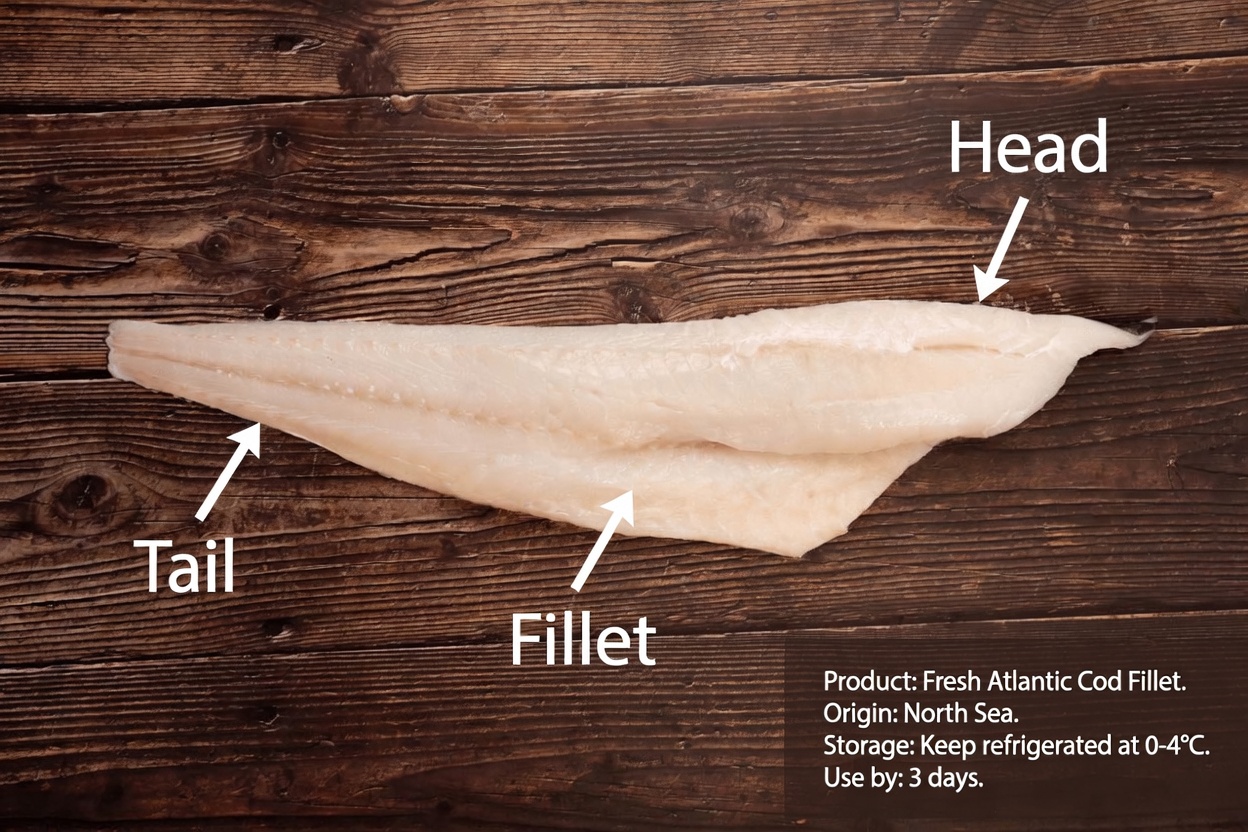
8. Cod
Cod is a classic, mild white fish and a reliable source of lean protein. The catch is that cod typically contains much less EPA and DHA than fattier fish such as salmon or sardines.
- Mercury: Low
- Main reason to limit: Low omega-3 payoff compared to other choices
If you’re eating fish mainly for omega-3s, cod may not deliver the benefits you’re aiming for.
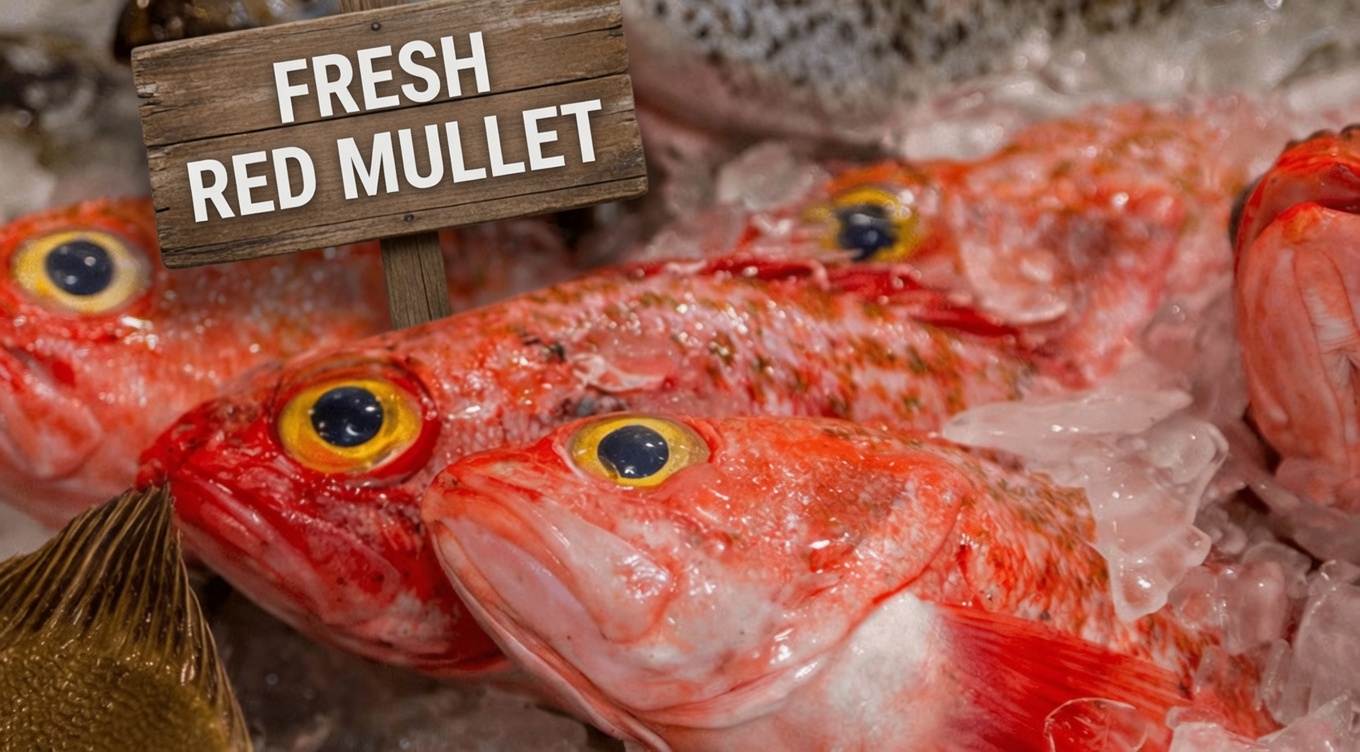
7. Mahi-Mahi
Mahi-mahi is popular for its light taste and firm texture, but it usually sits in a middle zone: moderate mercury and lower omega-3 content than many people assume.
- Approx. mercury: ~0.18 ppm
- Main reason to limit: A less favorable benefit-to-risk balance for frequent consumption
Enjoying it occasionally is generally considered more sensible than relying on it as a weekly staple.
6. Orange Roughy
Orange roughy is a deep-sea fish with a delicate texture, but it’s also known for higher mercury levels. One key reason: it’s a long-lived species, giving mercury more time to build up in its tissues.
- Approx. mercury: ~0.57 ppm
- Main reason to limit: Elevated mercury due to long lifespan
Many seafood guides recommend choosing shorter-lived fish instead.
5. Tuna
Tuna is convenient and widely consumed, but mercury levels depend heavily on the type:
-
Larger tuna (e.g., bigeye) tends to be higher in mercury
-
Canned light tuna is generally lower than albacore (white) tuna
-
Mercury: Moderate to high (varies by species and size)
-
Main reason to limit: Higher mercury risk in larger varieties, despite strong omega-3 value
Tuna can fit into a healthy diet, but it’s one of the fish where smart selection and portion frequency matter most.
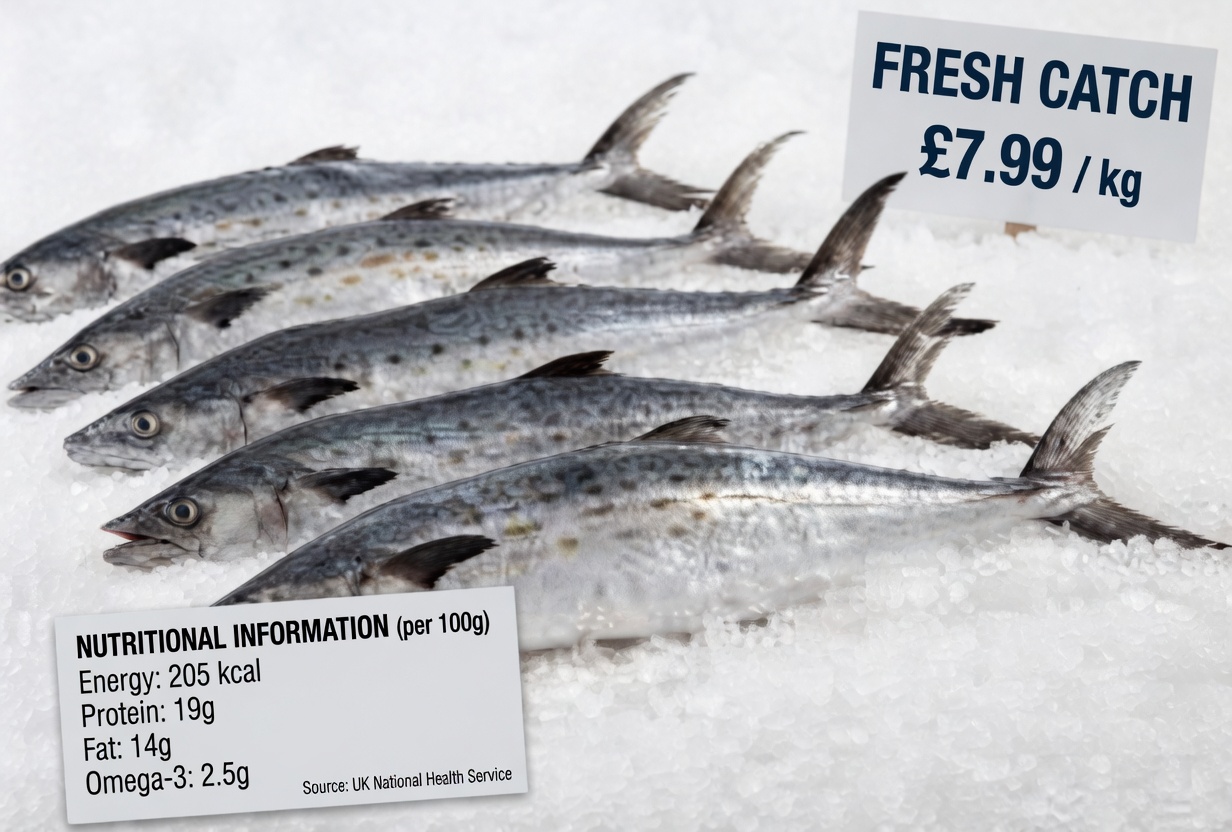
4. King Mackerel
King mackerel has a bold flavor and is favored in many coastal cuisines, yet it’s also a predatory fish known for high mercury.
- Approx. mercury: ~0.73 ppm
- Main reason to limit: High mercury accumulation
Most public health guidance suggests avoiding frequent consumption, especially for people who need to be more cautious.
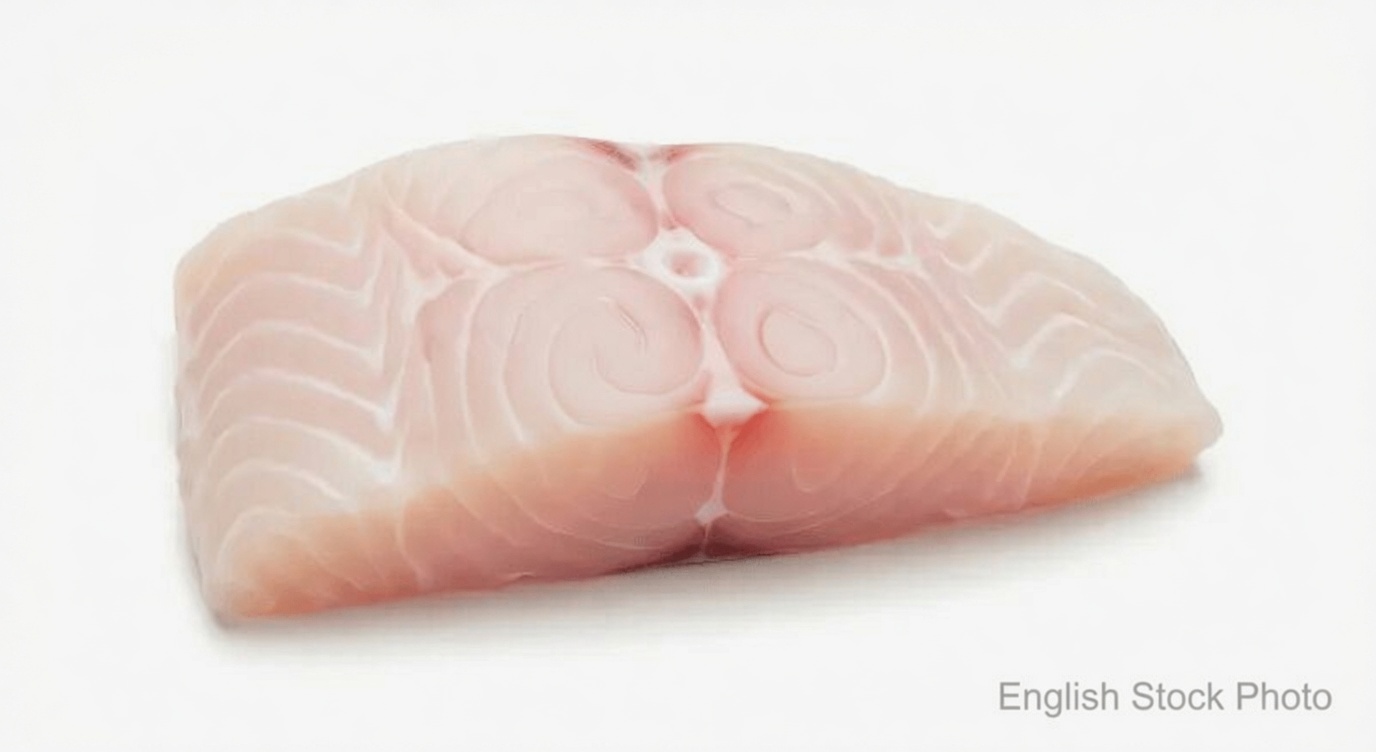
3. Shark
Shark is a top-of-the-food-chain predator, which typically means very high mercury. Beyond mercury, it’s also a species often tied to conservation concerns, depending on sourcing and region.
- Approx. mercury: ~0.98 ppm
- Main reason to limit: Very high mercury (plus sustainability concerns)
For most people, shark is a “rarely, if ever” option.
2. Swordfish
Swordfish is known for its meaty, steak-like texture, but it commonly shows very high mercury levels, largely due to its size and predatory diet.
- Approx. mercury: ~1.0 ppm
- Main reason to limit: Very high mercury
Because of the consistent readings, many experts recommend avoiding it for regular meals.
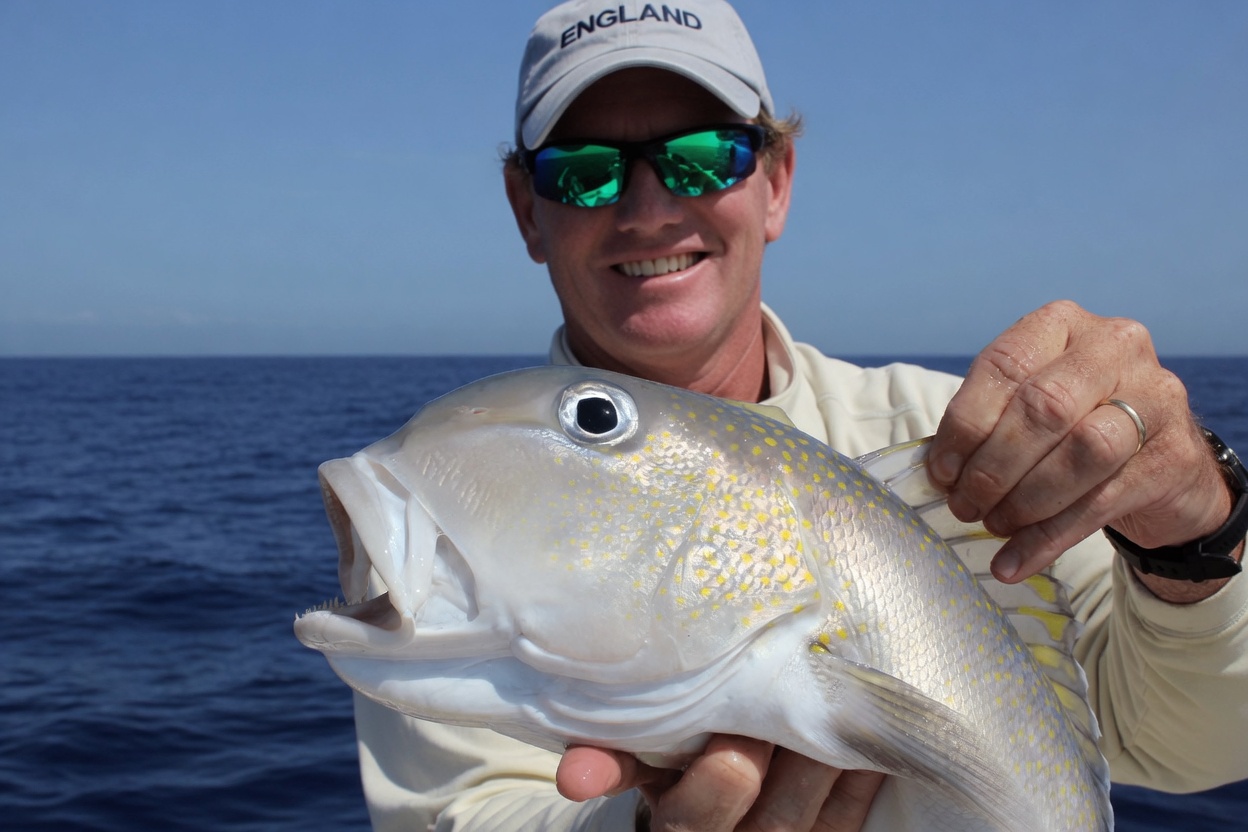
1. Tilefish (Gulf of Mexico)
Tilefish from the Gulf of Mexico frequently tops mercury charts. Some testing has reported levels above 1.4 ppm, putting it among the most concerning fish for mercury exposure.
- Approx. mercury: ~1.45 ppm (can be higher in some tests)
- Main reason to limit: Highest mercury levels among commonly measured fish
For many consumers, this is a fish to skip in favor of safer, nutrient-dense alternatives.
Quick Comparison: Why These Fish Are Often Limited
- Cod — low mercury, but low omega-3s
- Mahi-mahi — moderate mercury with limited omega-3 benefit
- Orange roughy — high mercury due to long lifespan
- Tuna — omega-3 rich, but mercury varies (higher in larger types)
- King mackerel — high mercury
- Shark — very high mercury
- Swordfish — very high mercury
- Tilefish (Gulf of Mexico) — highest mercury readings
Mercury estimates reflect FDA averages; individual fish can vary by size, location, and species.
Better Fish Choices for Omega-3s (Lower Mercury, Higher Value)
If your goal is to raise omega-3 intake while keeping mercury exposure low, these options are frequently recommended:
- Best low-mercury omega-3 picks: salmon, sardines, anchovies
- Practical everyday options: trout, canned light tuna (in moderation)
- Low-mercury shellfish: shrimp, oysters (plus extra minerals)
- Other omega-3 favorites: Atlantic mackerel, herring
Simple Steps for Safer, Smarter Seafood Meals
To make seafood feel easy and confident again:
- Check the label for species and sourcing when possible.
- Aim for 2–3 servings per week from low-mercury, omega-3-rich options.
- Rotate your choices to diversify nutrients and reduce repeated exposure.
- Build balanced meals by pairing fish with vegetables, legumes, and whole grains.
Quick Tips You Can Use Right Away
- Choose salmon instead of large predatory fish
- Add sardines to salads for a fast omega-3 boost
- Use FDA/EPA seafood charts as a shopping guide
- Mix in plant omega-3 sources like flaxseed when you want variety
Final Thoughts
These eight fish examples show why seafood decisions aren’t one-size-fits-all. By balancing omega-3 benefits with mercury awareness, you can enjoy fish more often—with less worry and better nutritional returns.
Focus on the many safer, nutrient-rich seafood options that support long-term health.
FAQ
Can I never eat these fish?
Most guidance focuses on limiting or avoiding high-mercury fish, not issuing universal bans. Frequency, portion size, and individual health needs matter. Fish that are simply lower in omega-3s can still fit occasionally.
Is canned tuna safe?
Canned light tuna is typically considered lower in mercury and can be eaten in moderation. Albacore (white) tuna is higher, so servings are usually recommended less often.
Are any fish completely mercury-free?
No fish is entirely mercury-free. That said, options like salmon and sardines are generally very low in mercury while offering strong omega-3 benefits.
This article is for informational purposes only and does not replace professional medical advice. For personalized guidance—especially during pregnancy, nursing, or when managing a medical condition—consult a qualified healthcare provider.