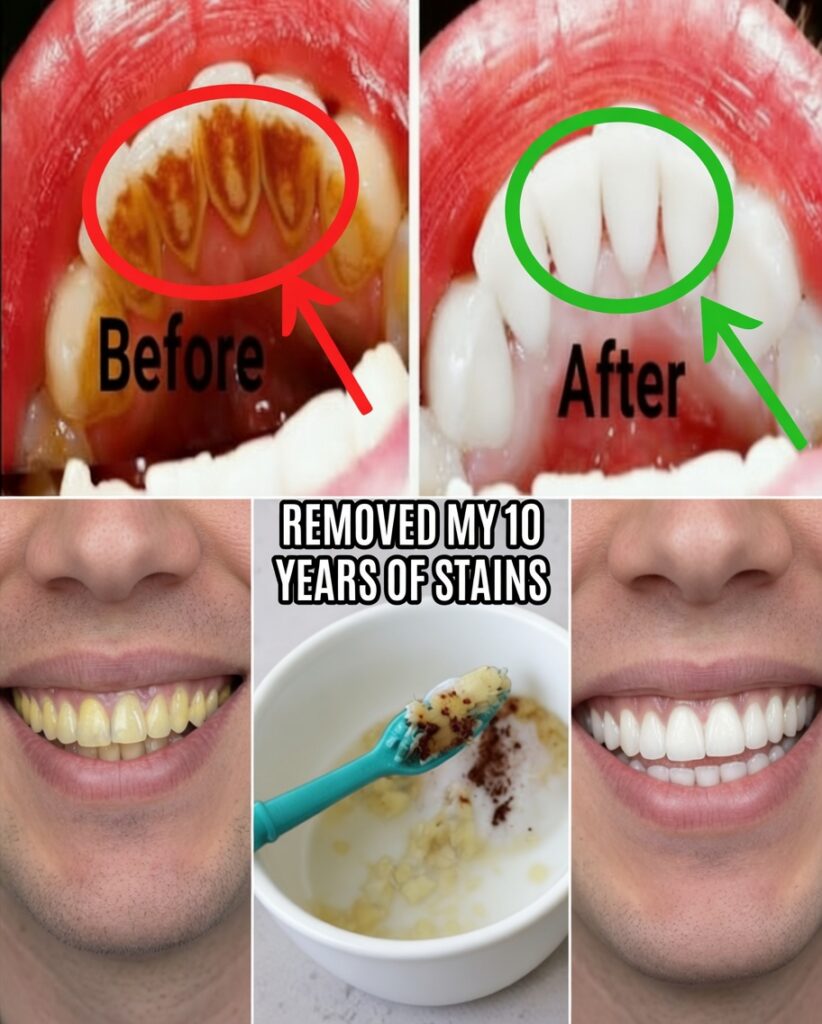
That split second when you spot your smile in a photo and feel a hint of doubt is more common than you think. Over time, everyday habits—coffee, tea, red wine, and deeply loved foods—can leave surface stains that make teeth look less bright. Many adults notice this gradual shift and start looking for gentle, natural ways to maintain a fresher-looking smile.
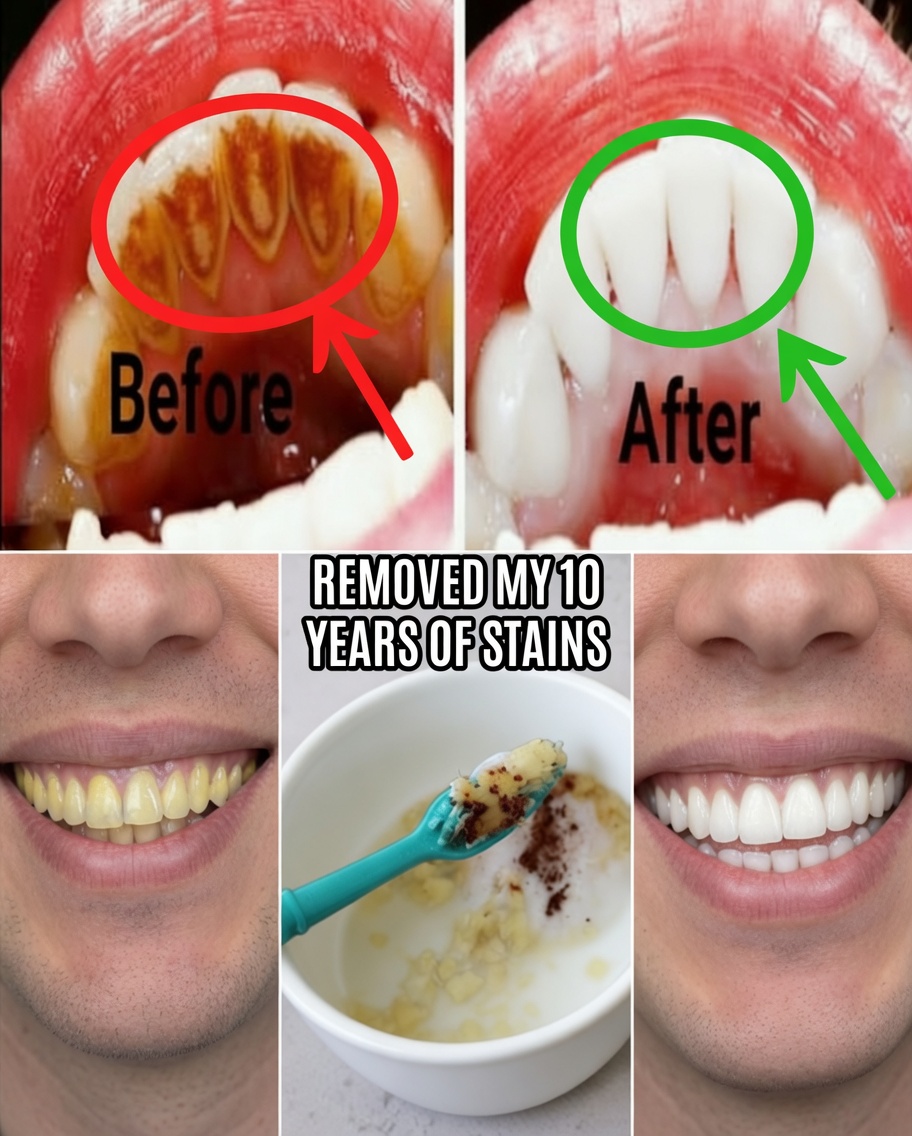
The good news: most discoloration is normal, and a few simple routines can help support a cleaner, brighter appearance. Below is a look at a viral home trend people are testing, along with more evidence-informed options that dentists commonly discuss.
The Banana Peel Trend: Why It Went Viral
Yellowing or dull-looking teeth can affect confidence, especially in photos. One popular social media method involves rubbing the inside of a ripe banana peel on your teeth for a few minutes, then brushing as usual.

Supporters claim the peel’s natural components—often mentioned are minerals such as potassium and magnesium—give teeth a subtle “polished” look. However, dental professionals generally point out that strong scientific evidence is limited when it comes to banana peels producing meaningful whitening results. In practice, outcomes are mixed: some people notice a small improvement, while many see little change.
If you want to try it, keep it simple:
- Pick a ripe banana.
- Rub the soft inner side of the peel across your teeth for about 2 minutes.
- Rinse, then brush normally.
Many people who experiment with this do it 2–3 times per week alongside regular brushing and flossing.
Baking Soda: A Gentle Option With Research Support
When stains build up, your smile can look less vibrant even if your teeth are healthy. Baking soda (sodium bicarbonate) is widely known as a mild abrasive, and it’s used in many whitening toothpastes because it can help lift surface stains without relying on harsh bleaching agents.
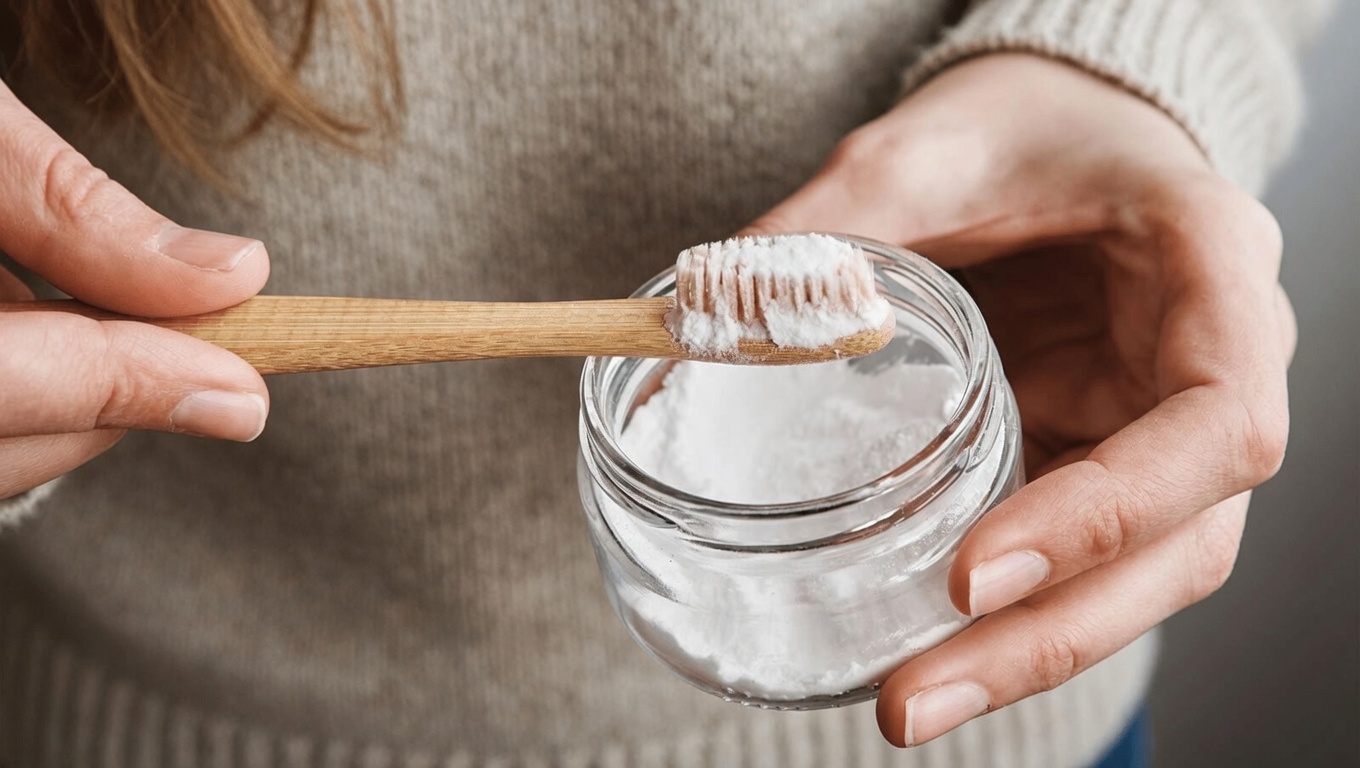
Multiple dental reviews and studies suggest that occasional use can help improve brightness, especially when paired with strong daily hygiene.
How to use it safely:
- Mix a small amount with your toothpaste (or with a few drops of water) and brush gently.
- Limit use to about 1–2 times per week to avoid over-scrubbing.
Crunchy Fruits and Vegetables: “Natural Scrubbers” for Daily Maintenance
If your teeth feel less fresh after meals, texture can help. Crunchy produce like apples, carrots, celery, and even strawberries can provide a mild scrubbing effect while you chew, supporting a cleaner tooth surface.
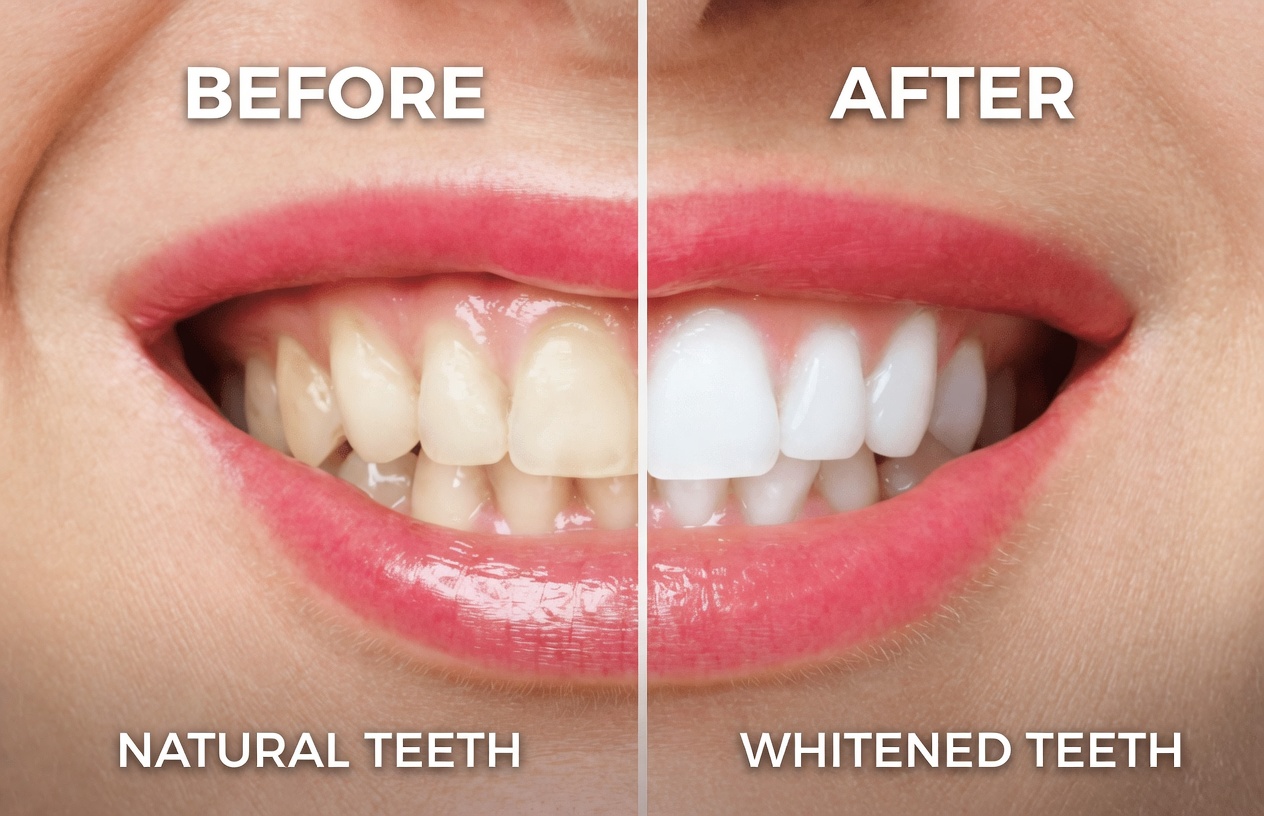
Some research highlights malic acid in strawberries as potentially helpful for stain reduction, though it’s not a substitute for brushing. Think of crunchy fruits and vegetables as a practical “daily support” habit—not a quick whitening fix.
Best way to use this idea:
- Snack on crunchy produce, especially after meals, and keep hydration up to support saliva (your mouth’s natural cleanser).
Oil Pulling: Traditional Practice for a Cleaner Feel
Stains and buildup often show up together, which is why some people explore oil pulling—swishing coconut oil or sesame oil for about 10–15 minutes, then spitting it out and brushing afterward.
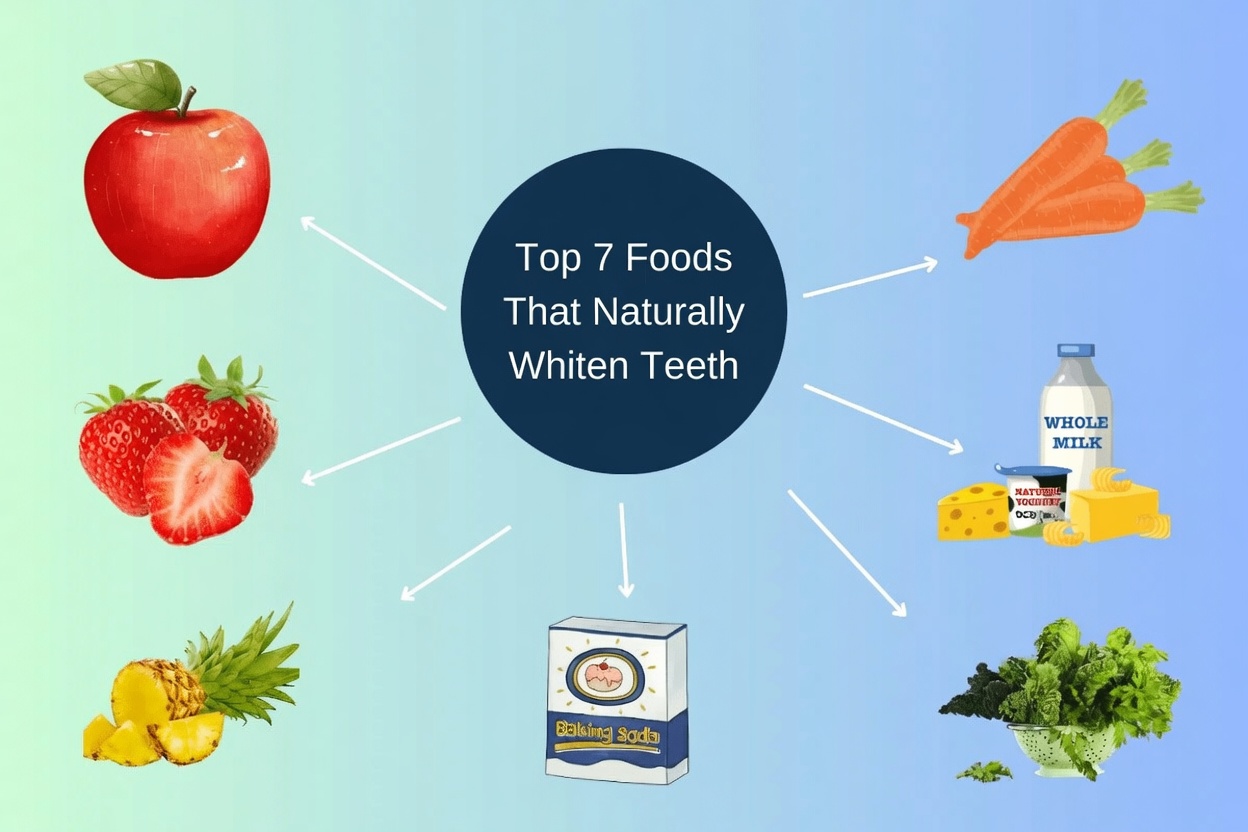
While research is still emerging, some studies suggest oil pulling may help reduce plaque and oral bacteria, and many people report a smoother, “cleaner” feeling that can make teeth look slightly brighter over time.
How people commonly do it:
- Try it in the morning before eating or drinking.
- Swish gently for 10–15 minutes, then spit into the trash (not the sink), rinse, and brush.
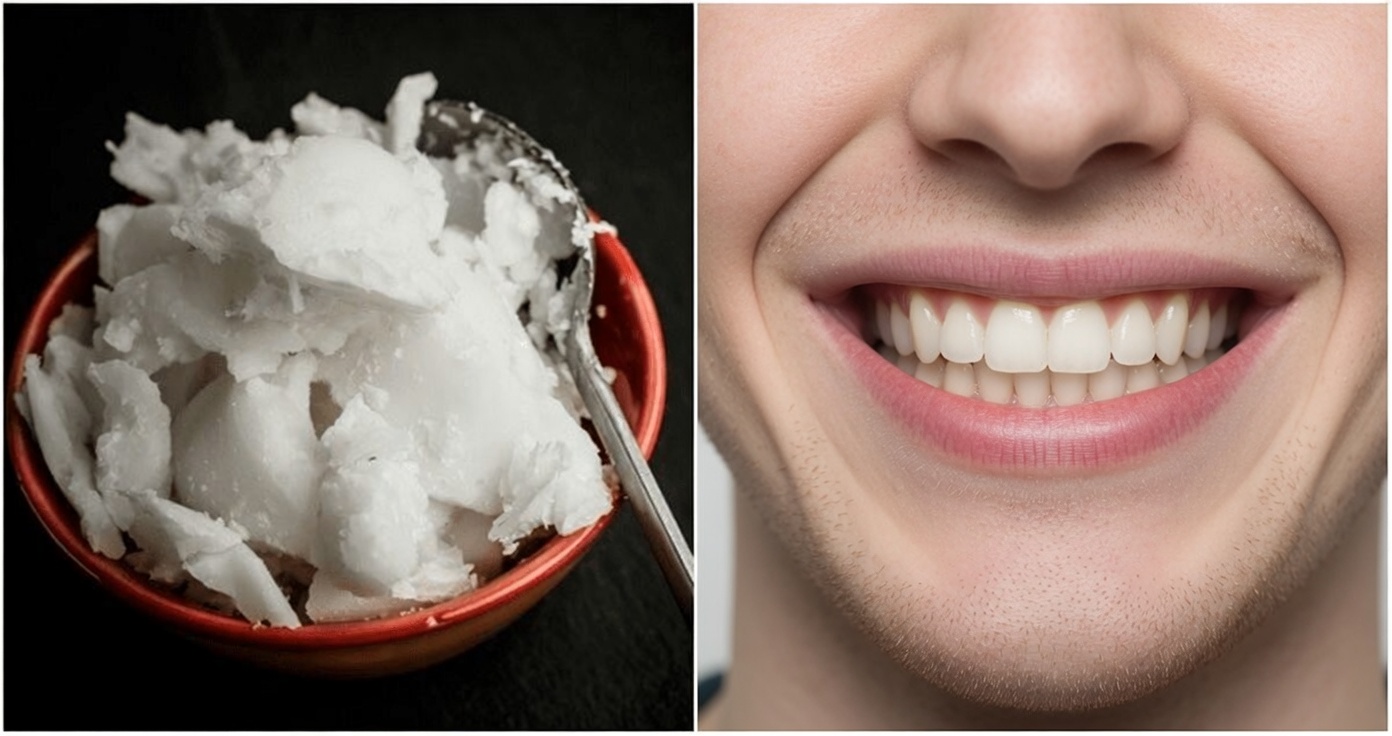
Quick Comparison: Popular Natural Approaches
-
Banana peel rub
- Main purpose: mild “polish” effect
- Evidence: limited, mostly anecdotal
- Frequency: 2–3 times weekly
- Best for: experimenting gently out of curiosity
-
Baking soda
- Main purpose: removing surface stains via mild abrasion
- Evidence: supported by studies and dental use
- Frequency: 1–2 times weekly
- Best for: surface stain maintenance
-
Crunchy fruits and vegetables
- Main purpose: natural scrubbing while eating
- Evidence: observational and supportive research around acids/texture
- Frequency: daily (as snacks)
- Best for: everyday smile maintenance
-
Oil pulling
- Main purpose: plaque reduction and overall oral freshness
- Evidence: emerging
- Frequency: daily (10–15 minutes)
- Best for: improving oral cleanliness routines
Important Safety Notes Before You Try Anything
“Natural” does not automatically mean harmless. For example, highly acidic DIY methods—like using straight lemon juice—can soften enamel over time and increase sensitivity or wear.
Keep these guidelines in mind:
- Introduce new habits slowly and monitor sensitivity.
- Use a soft-bristled toothbrush and gentle pressure.
- Don’t overuse abrasive ingredients (including baking soda).
- For persistent discoloration, sensitivity, or concerns, see a dentist for personalized advice.
A Simple 30-Day Routine to Support a Brighter Smile
If you want a structured, low-pressure approach, try this month-long plan:
- Week 1: Commit to brushing and flossing twice daily; add crunchy produce as snacks.
- Week 2: Add baking soda with toothpaste 1–2 times this week.
- Week 3: If you’re interested, test the banana peel method a few times.
- Week 4: Add morning oil pulling for daily freshness.
Many people find that consistency alone—better brushing, flossing, and mindful snacking—makes the biggest visible difference.
Frequently Asked Questions
-
Can natural methods replace professional whitening?
No. These habits can support maintenance and surface stain control, but professional treatments are usually more noticeable and are designed to be safe for your enamel. -
How long until I see results?
Improved brushing and daily routines may show a difference in a few weeks. Dramatic whitening typically requires professional care. -
Are these options safe for sensitive teeth?
Oil pulling and crunchy produce are often tolerated well, but if sensitivity increases, reduce abrasive methods and consult your dentist.
Which method are you most curious about trying first?