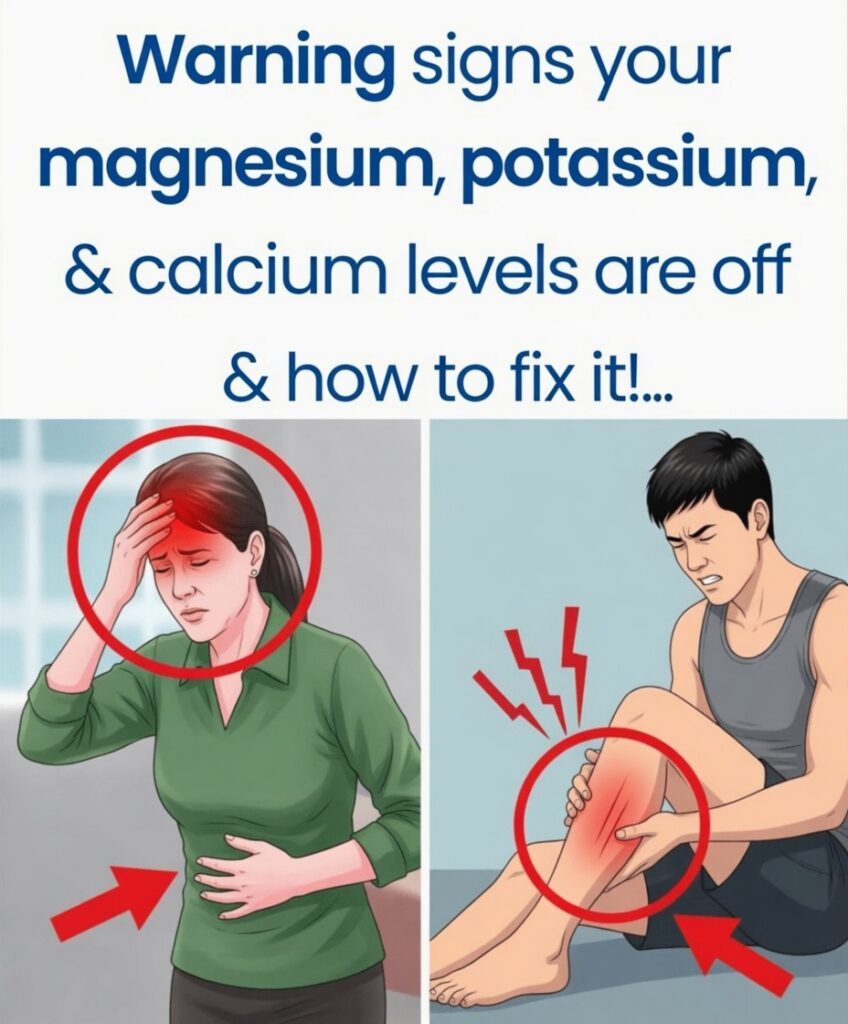
Feeling Extra Tired After Workouts? Electrolyte Minerals May Be the Missing Piece
If you’re unusually exhausted after exercise—even when you’ve been drinking plenty of water—it can feel confusing and discouraging. You might also notice muscle twitches, stubborn cramps, or an uncomfortable “flutter” sensation in your chest. These subtle changes can make everyday tasks feel harder than they should.
One possible factor is that your body may not be getting enough magnesium, potassium, and calcium—three minerals that support muscle performance, nerve communication, and heart rhythm. The good news: many people can support healthy levels through nutrient-dense foods and simple daily habits.
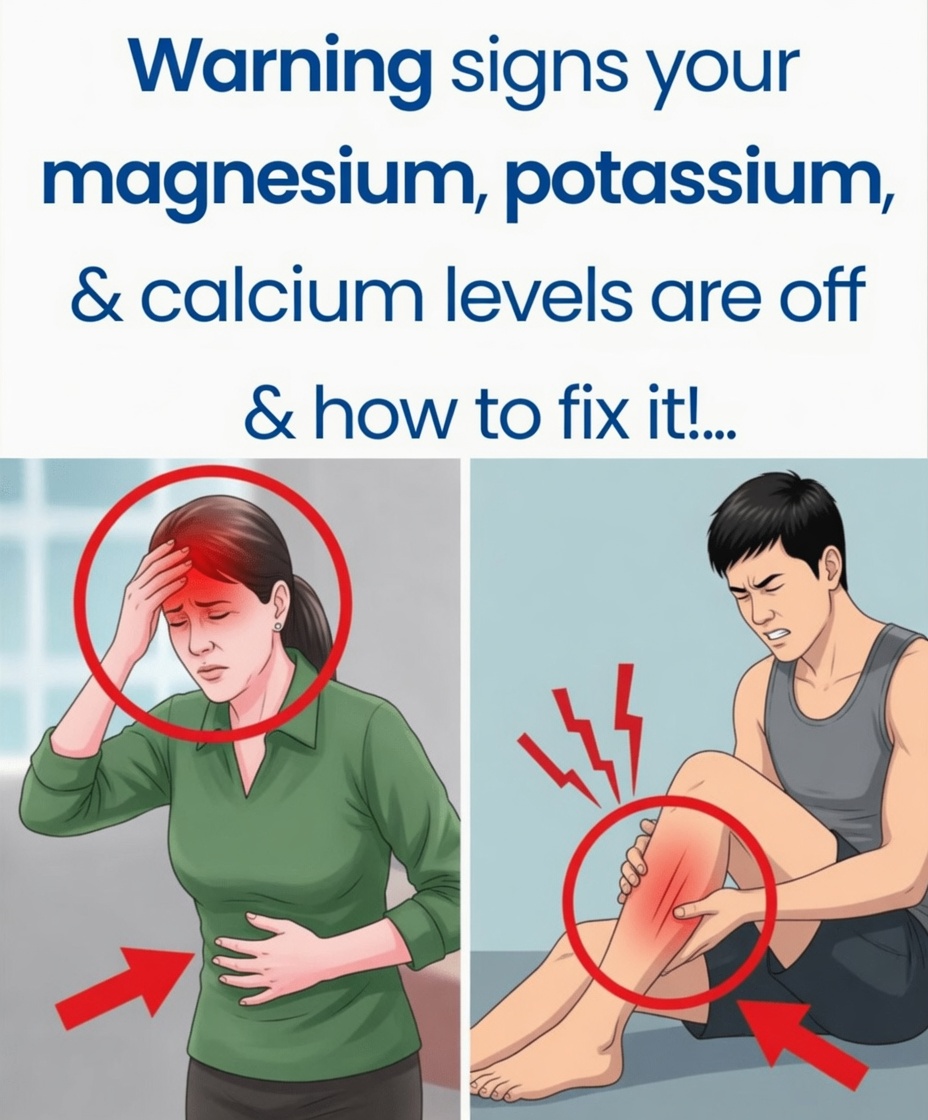
Why Magnesium, Potassium, and Calcium Matter for Everyday Health
Magnesium, potassium, and calcium are essential for how your body functions day to day, especially when you’re active. They help support:
- Muscle contraction and relaxation
- Nerve signaling
- Steady heart rhythm
- Energy production and recovery
Even mild shortfalls can contribute to discomfort that impacts workouts, sleep quality, and concentration. Common contributors include:
- Heavy sweating
- Dietary gaps (not enough mineral-rich foods)
- Certain medications (which may affect mineral balance)
Because these minerals work together, noticing early signals can help you respond sooner—often with practical food choices.

Common Signs You May Be Low in Magnesium, Potassium, or Calcium
Low levels of these minerals can overlap in symptoms, and the experience can range from mild to disruptive. Below are frequently reported signs that may be linked to magnesium, potassium, and calcium status.
Muscle cramps or twitching
Sudden cramps—often at night—or frequent muscle twitches may be associated with low magnesium or calcium, especially if they interrupt rest or limit movement.
Ongoing fatigue
If you feel drained even after adequate sleep, insufficient magnesium, potassium, and calcium may play a role in reduced energy and recovery.
Unusual heart sensations
A fluttering feeling or an irregular beat can be unsettling. Potassium and magnesium are particularly important for maintaining a stable rhythm.
Weakness, heaviness, or numbness
When limbs feel heavy, coordination seems off, or you notice tingling, mineral imbalances may be one contributing factor.
Mood shifts, irritability, or brain fog
Low magnesium has been associated with changes in stress response, focus, and emotional steadiness.
Nausea or reduced appetite
Digestive discomfort can sometimes accompany low mineral status, making eating less appealing.
Bone or joint discomfort over time
Long-term insufficient calcium intake can raise concerns about bone strength and mobility.
If these signs persist, it’s worth paying attention—especially if multiple symptoms show up together.

Foods That Naturally Support Healthy Magnesium Levels
If cramps, twitching, or low energy are common for you, increasing magnesium-rich foods can be a gentle, food-first approach. Some of the best options include:
- Leafy greens (especially spinach)
- Nuts and seeds (almonds, pumpkin seeds)
- Whole grains
- Dark chocolate (in moderation)
Magnesium from whole foods supports normal muscle and nerve function and can fit easily into daily meals.

Potassium-Rich Foods to Help Maintain Balance
Because potassium supports both muscle comfort and heart function, it’s an important mineral to prioritize—especially if you sweat often or exercise regularly.
Add more of these potassium-rich foods:
- Bananas
- Avocados
- Sweet potatoes
- Beans and lentils
- Oranges and orange juice (watch added sugar in packaged options)
A consistent intake of potassium-containing foods is commonly linked to better overall cardiovascular and muscular comfort.
Natural Ways to Support Calcium Intake Through Diet
Calcium is well-known for bone health, but it also contributes to muscle function and works closely with magnesium. To support calcium balance, aim for variety across food sources:
- Dairy options like milk and yogurt
- Leafy greens such as kale and broccoli
- Fortified plant milks
- Almonds
- Tofu (especially calcium-set tofu)
Calcium absorption is influenced by overall diet, including magnesium and vitamin D intake.
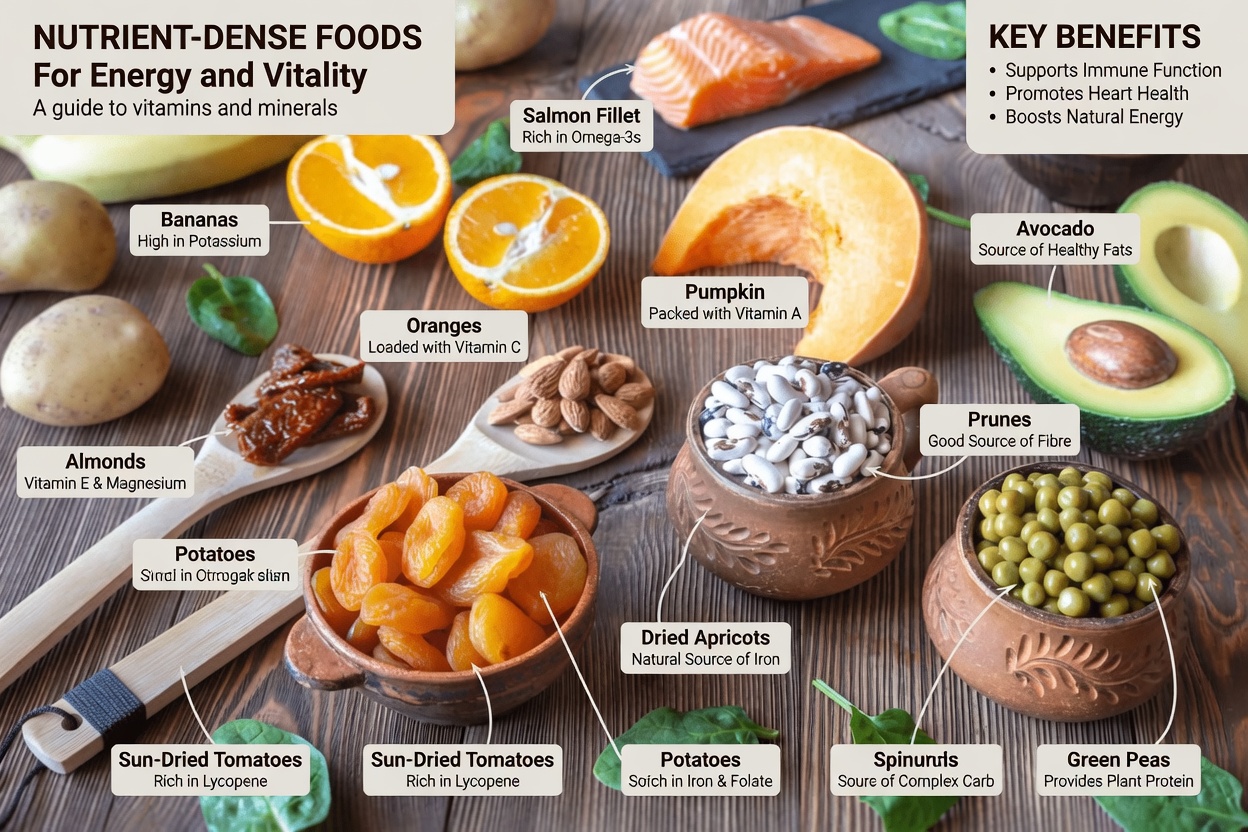
Quick Comparison: Mineral-Rich Foods and Everyday Benefits
-
Magnesium
- Top sources: Spinach, almonds, pumpkin seeds
- Daily support: Helps with muscle relaxation and nerve function
-
Potassium
- Top sources: Bananas, avocados, potatoes/sweet potatoes
- Daily support: Supports steady heart rhythm and muscle performance
-
Calcium
- Top sources: Yogurt, kale, broccoli
- Daily support: Helps maintain bone strength and proper muscle function
-
Foods that provide more than one
- Examples: Beans, nuts, leafy greens
- Daily support: More balanced mineral coverage across meals
Simple Daily Habits to Get More Magnesium, Potassium, and Calcium
Small, consistent changes are often easier to maintain than a major diet overhaul. Try these ideas:
- Breakfast: Add spinach to eggs, or slice a banana into oatmeal.
- Snack: Choose a handful of almonds, or yogurt with fruit.
- Lunch/Dinner: Build meals with leafy greens, beans, and avocado (salads, bowls, wraps).
- Hydration: Consider coconut water as a natural electrolyte option.
- Consistency: Focus on variety and track whether your energy and comfort improve over time.
Remember: hydration matters, but electrolyte minerals and fluids work as a team—one doesn’t fully replace the other.
Long-Term Mineral Balance: A Sustainable, Food-First Approach
It’s possible to move toward days with steadier energy, fewer cramps, and smoother recovery by building meals around magnesium, potassium, and calcium sources. Start with one practical adjustment—one snack swap or one added vegetable—and continue from there.
FAQ
How much magnesium, potassium, and calcium do most adults need each day?
Needs differ by age, sex, and health status, but commonly referenced ranges include:
- Magnesium: 310–420 mg/day
- Potassium: 2,600–3,400 mg/day
- Calcium: 1,000–1,200 mg/day
Food-first strategies are often preferred, but a healthcare professional can help personalize your targets.
Can diet alone fix low magnesium, potassium, or calcium?
A varied, nutrient-rich diet can provide strong support and may be enough for many people. However, some cases require testing and medical guidance, especially if symptoms are significant or ongoing.
When should I talk to a doctor about these symptoms?
Seek medical advice if symptoms persist, worsen, or interfere with daily life, or if you experience concerning heart-related sensations. A clinician can evaluate possible causes and recommend appropriate testing or treatment.
Medical Disclaimer
This article is for informational purposes only and is not a substitute for professional medical advice. Always consult your healthcare provider for personalized guidance regarding symptoms, mineral levels, medications, or dietary changes.