Dandelion Root and Cancer Research: What the Science Suggests (and What It Doesn’t)
Cancer is still one of the world’s toughest health challenges. Beyond the physical burden, a diagnosis often brings intense emotional stress—especially as many conventional treatments can be exhausting. It’s understandable that people look for additional, supportive options to feel more in control of their health.
Natural remedies, however, cannot replace evidence-based medical care. Still, early laboratory research on familiar plants—especially dandelion root—has raised questions about how certain plant compounds affect cells under highly controlled conditions.
Scientists have reported some eye-catching results in test settings, including one standout finding: dandelion root extract has been observed to trigger cancer-cell death in some models. So what does the evidence really show, and where are the gaps? This guide breaks down what researchers have found, why it matters, and how to use dandelion root safely as part of a wellness routine.
What Is Dandelion Root? Traditional Background and Modern Interest
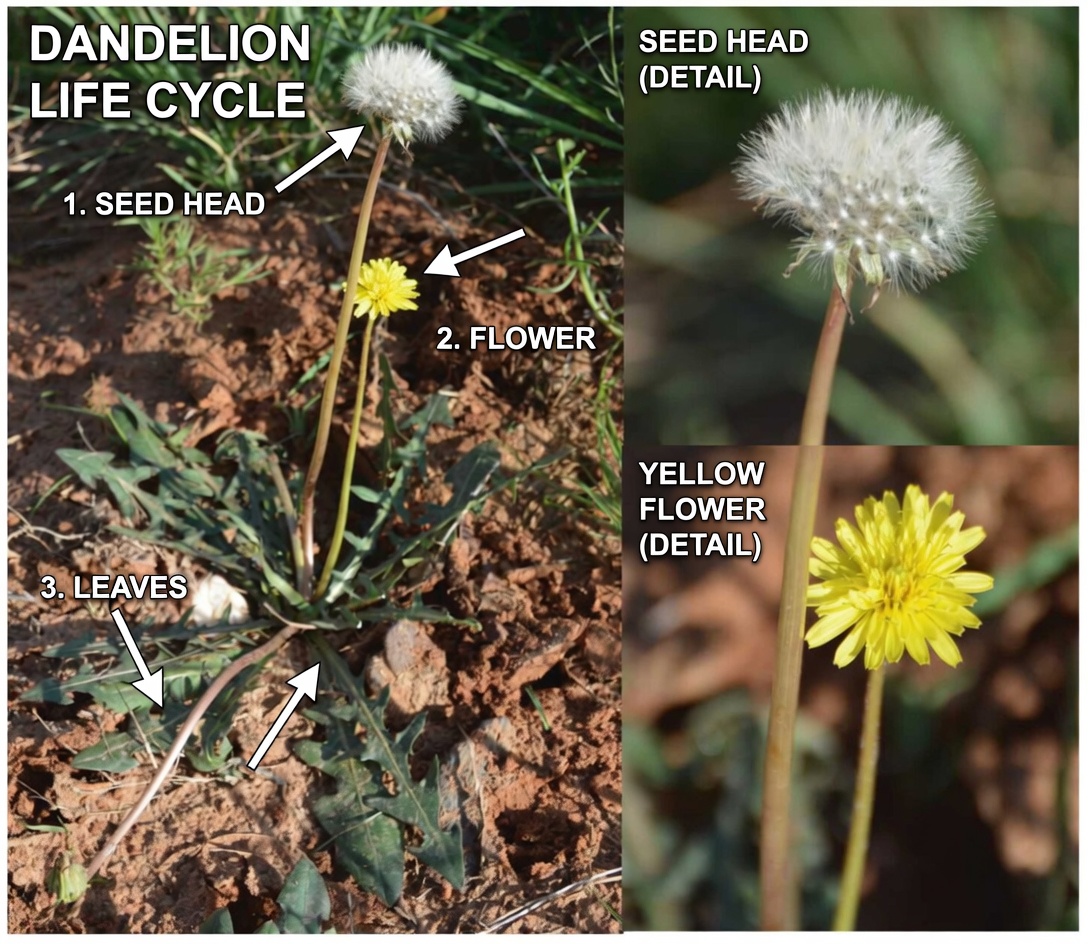
Dandelion (Taraxacum officinale) is often dismissed as a lawn weed, but it has a long history in traditional herbal practices across many regions. The root has commonly been used to support:
- Digestive comfort
- Liver and bile function (traditional use)
- General “detox” or wellness routines (historical context)
What draws modern researchers to dandelion root is its mix of bioactive compounds, including:
- Polysaccharides
- Phenolic acids and other polyphenols
- Sesquiterpenes
These constituents are associated with antioxidant and anti-inflammatory activity—two areas that frequently appear in early-stage health research.
The most important distinction: traditional use provides context, but current scientific interest largely comes from controlled lab studies that measure how cells respond to concentrated extracts.
What Laboratory Studies Report About Dandelion Root Extract (DRE)
Most of the excitement around dandelion root comes from preclinical research, including:
- In vitro studies (test-tube experiments on cell lines)
- In vivo studies (animal models used to explore biological effects)
In these experiments, researchers apply dandelion root extract (DRE)—often in concentrated forms—to cancer cell lines and track specific cellular mechanisms.
A key recurring finding: apoptosis (programmed cell death)
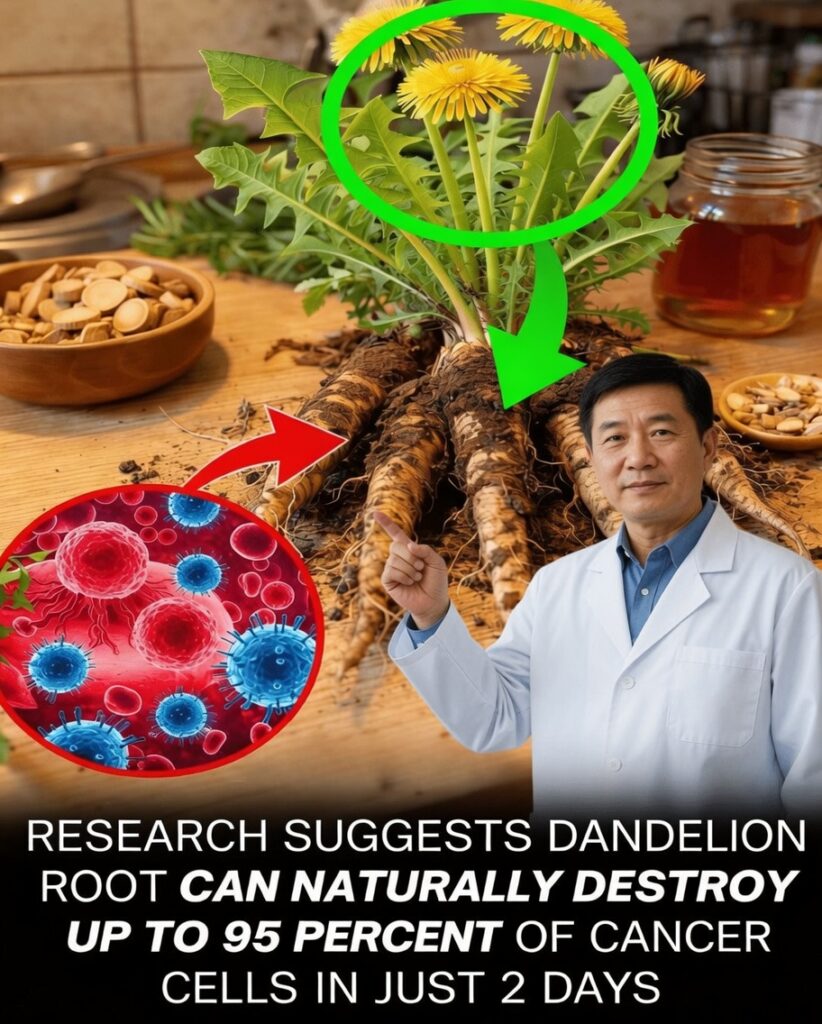
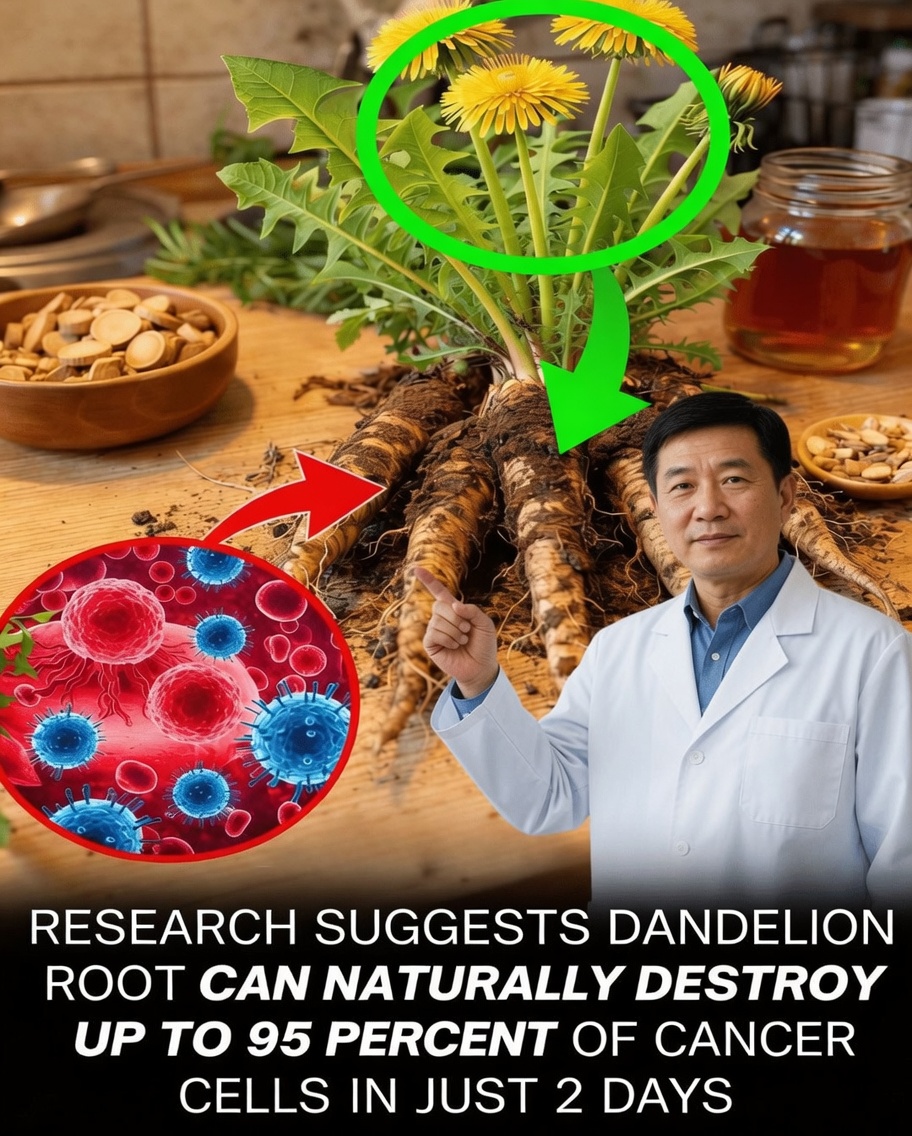
Multiple studies have noted that DRE can activate apoptosis, a natural process where damaged or abnormal cells self-destruct. In one example involving colorectal cancer cells, an aqueous DRE was reported to trigger cell-death pathways in more than 95% of targeted cells within 48 hours, while having limited impact on non-cancerous cells in the same experimental setup.
Comparable patterns have been described in lab research on cell lines linked to:
- Leukemia
- Melanoma
- Pancreatic cancer
- Prostate cancer
- Breast cancer
Across these models, researchers frequently highlight an apparent selective effect—with malignant cells being more susceptible than normal cells under specific conditions.
Possible mechanisms researchers have proposed
Because these are lab-based observations, scientists focus on signaling pathways and cellular stress responses. Proposed mechanisms include:
- Activation of extrinsic death signaling pathways
- Disruption of cellular balance via oxidative stress mechanisms
- Effects on pathways related to metabolism and cell stress regulation
Some experiments also tested DRE alongside standard chemotherapies, reporting stronger effects in certain models without clear added harm to healthy cells in those same controlled settings.
Major Limitations: Why Test-Tube Results Don’t Equal Human Treatment
Preclinical findings can be interesting, but they should not be confused with proof of clinical benefit. Several limitations are essential to understand:
1) Lab doses don’t reflect real-life use
Cell studies typically use high concentrations of extract—often far beyond what the human body would reach from:
- Drinking dandelion root tea
- Eating foods containing dandelion
- Taking common supplement doses
This dosage gap is one reason many substances look promising in a dish but fail to translate into real-world outcomes.
2) Human clinical evidence is not established
As of now, large, high-quality clinical trials in humans have not confirmed dandelion root extract as an effective cancer treatment. Some early-stage work has explored safety in advanced illness contexts, but safety observation is not the same as proving efficacy.
Reputable institutions (including resources like Memorial Sloan Kettering Cancer Center’s herb database) commonly emphasize that:
- Dandelion is not an approved cancer therapy
- Human evidence remains limited
- Much of the discussion is still based on preclinical data and anecdotal reports
3) Biology in the human body is more complex
Even if a compound kills cancer cells in vitro, it must still prove it can:
- Be absorbed and distributed effectively
- Reach target tissues at meaningful levels
- Avoid harmful interactions
- Maintain predictable effects across different patients
That’s why moving from petri dish to patient is such a significant scientific leap.
Why Researchers Still Consider Dandelion Root Worth Studying
Even with the limitations, dandelion root research contributes to a broader, important scientific goal: understanding how plant-derived molecules interact with cellular pathways.
This area matters because:
- Natural products can inspire new drug candidates or “lead compounds”
- Studying selective cellular effects may guide future targeted therapy concepts
- Mapping impacted pathways can inform mechanism-driven oncology research
The most compelling theme in the lab literature is the possibility of selective action—where cancer cells appear more vulnerable than healthy cells under certain experimental conditions. While not proof of a treatment, it’s a reason scientists keep investigating.
How to Use Dandelion Root Safely in Everyday Life
While research continues, many people choose dandelion root for general wellness—not as a cancer treatment. If you want to include it in your routine, focus on safe, conservative, food-like use.
Practical, low-risk ways to try dandelion root
-
Start with dandelion root tea
- Use roasted dandelion root (loose or tea bags)
- Typical method: 1–2 teaspoons per cup, steep 5–10 minutes
- Common routine: 1–2 cups per day, depending on tolerance
-
Buy from reputable sources
- Choose brands that emphasize quality and purity
- Organic products may help reduce contaminant exposure
-
Use it as a flavor ingredient
- Roasted dandelion root powder can be added to smoothies
- It’s also used in caffeine-free “coffee alternative” blends
-
Pay attention to how your body responds
- Dandelion can have a mild diuretic effect
- Start slowly and monitor digestion, hydration, and any discomfort
Common wellness-related reasons people use dandelion root
These are typical everyday-use associations (not disease-treatment claims):
- Mild bitter profile that may support digestive comfort
- Naturally occurring antioxidant compounds (polyphenols)
- A caffeine-free alternative to coffee-like beverages
- Gentle diuretic effect that may influence fluid balance
Important cautions and who should be careful
- Possible allergy risk for people sensitive to the ragweed/Asteraceae plant family
- Potential interactions with certain medications (including some diuretics and blood thinners)
- Not recommended during pregnancy unless a clinician specifically approves
- Extra caution for people with gallbladder issues or related conditions
If you are undergoing cancer therapy—or taking any prescription medication—discuss dandelion root (tea or supplements) with your healthcare team first.
Conclusion: A Clear, Balanced Takeaway
Studies on dandelion root extract offer a fascinating look at how plant compounds may influence cancer cells at the molecular level in controlled environments. Findings such as apoptosis activation, selective effects in cell lines, and supportive results in some combination models highlight why scientists continue exploring natural products in oncology research.
At the same time, the distance between laboratory outcomes and proven patient benefit is substantial. For now, dandelion root should be viewed as a wellness herb, not a cancer treatment—and certainly not a replacement for standard medical care. Staying informed can help you have better, safer conversations with your clinicians.
FAQ
Is dandelion root safe to use every day?
For many healthy adults, moderate use—such as dandelion root tea—is generally well tolerated. Start with small amounts, and consult a clinician if you have chronic conditions, take medications, or notice side effects.
Can I take dandelion root while receiving cancer treatment?
Only with your oncologist’s guidance. Lab research is not clinical proof, and herb–drug interactions are possible. Your care team can help evaluate risk based on your specific treatment plan.
Where can I read reliable information about dandelion and cancer research?
Use evidence-based sources such as:
- PubMed (for published studies)
- Memorial Sloan Kettering Cancer Center’s herbal monographs
- University or hospital research publications
Disclaimer
This article is provided for informational purposes only and does not constitute medical advice. Dandelion root is not a proven treatment for cancer or any disease. Always consult a qualified healthcare professional before changing your health routine—especially if you have a medical condition or are receiving treatment. Individual responses vary, and supplements are not evaluated by the FDA to diagnose, treat, cure, or prevent disease.