Many of us reach for familiar “everyday” options—bacon at breakfast, a soda at lunch, or a salty pickle as a quick snack—without thinking twice. However, ongoing research from leading health organizations continues to associate frequent, long-term intake of certain common foods and drinks with a higher risk of specific cancers. That can feel uncomfortable when these items are tied to routines, convenience, and tradition.
The reassuring part: you don’t need a dramatic lifestyle overhaul. Small, realistic substitutions can meaningfully support long-term health—and one simple flavor-focused change near the end often becomes a favorite habit for many people.
How Diet Patterns Can Influence Cancer Risk
Major health authorities, including the World Health Organization (WHO) and the American Cancer Society, estimate that diet-related factors may contribute to 30–50% of cancer cases worldwide. This does not mean a single food “causes” cancer in isolation. Instead, repeated patterns over years may influence risk.
Researchers point to factors such as:
- Food processing methods
- High-heat cooking techniques
- Certain additives or preservation approaches
These can contribute to chronic inflammation or create compounds that may be harmful in the body over time. The goal is not fear—it’s practical, informed decision-making that fits real life.
Food #1: Processed Meats (Bacon, Hot Dogs, Deli Meats)
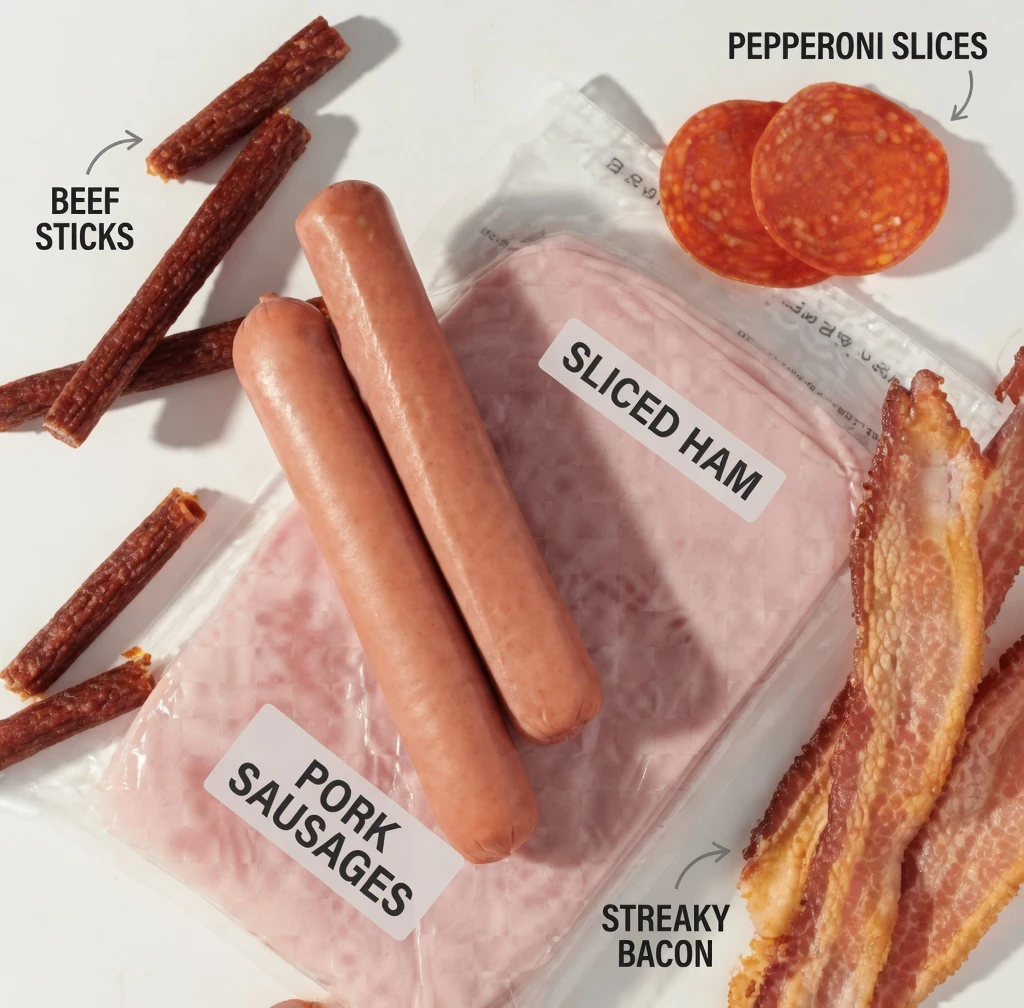
Processed meats—such as bacon, sausages, hot dogs, deli meats, and cured ham—are classified by the International Agency for Research on Cancer (IARC) as Group 1 carcinogens, meaning there is strong evidence linking them to a higher risk of colorectal cancer.
Why the concern? Processing and high-heat cooking can increase exposure to compounds such as:
- Nitrates and nitrites
- Heterocyclic amines (HCAs)
A major review published in The Lancet Oncology reported that eating roughly 50 grams daily (about two slices of bacon or one hot dog) was associated with an 18% increase in colorectal cancer risk.
Easy Swaps for Processed Meats
- Choose fresh, simple proteins: baked or grilled chicken, turkey, fish, or eggs.
- Use plant proteins for hearty meals: lentils, black beans, chickpeas, or mushrooms work well in tacos, chili, and pasta sauces.
- Read labels with perspective: “nitrate- and nitrite-free” options may be preferable for occasional use, but the biggest benefit comes from reducing frequency overall.
Consistency and variety matter more than perfection.
Food #2: Sugary Drinks (Soda, Energy Drinks, Sweetened Coffee/Tea)
Sugary beverages—soft drinks, energy drinks, sweetened teas/coffees, and even some “healthy-looking” bottled juices—can add large amounts of sugar and calories with little satiety. Over time, this can contribute to weight gain, and excess body weight is a well-established risk factor for multiple cancers, including:
- Breast
- Colorectal
- Endometrial
- Liver
A large meta-analysis in The BMJ linked one sugary drink per day with a 5–10% increase in obesity-related cancer risk. Researchers also note that frequent blood sugar spikes and insulin resistance may create conditions that can support unhealthy cell growth, as discussed by Harvard T.H. Chan School of Public Health.
Better Alternatives to Sugary Drinks
- Infused water: add lemon, lime, cucumber, mint, or berries for flavor without added sugar.
- Unsweetened tea: green, black, herbal, or hibiscus—hot or iced—often provides antioxidants naturally.
- Sparkling water “upgraded”: mix plain sparkling water with a squeeze of citrus or a small splash of 100% juice for flavor with far less sugar.
These shifts often reduce cravings over time while improving hydration.
Food #3: Alcohol and Cancer Risk Over Time
Even “moderate” alcohol intake has been consistently associated with increased risk of cancers involving the:
- Mouth and throat
- Esophagus
- Liver
- Breast (notably in women)
- Colon
Health agencies such as the CDC highlight that alcohol (ethanol) is metabolized into acetaldehyde, a toxic byproduct that can damage DNA.
A global analysis in Nature Reviews Cancer estimated alcohol contributes to around 5.6% of cancer cases annually, and many public health guidelines now lean toward lower intake—or none—for optimal health outcomes.
Practical Ways to Reduce Alcohol Without Losing Social Enjoyment
- Schedule alcohol-free days: aim for 2–3 days per week as a starting point.
- Try mocktails with real flavor: sparkling water + citrus + herbs (basil/rosemary) can feel just as “special.”
- Track what works: a quick note in an app or journal can reveal patterns and motivate progress.
Many people notice better sleep and energy within a few weeks of cutting back.
Food #4: Fried and Heavily Charred Foods
Deep-fried foods (like French fries, doughnuts, fried chicken) and heavily browned or charred meats can form compounds such as:
- Acrylamide
- Heterocyclic amines (HCAs)
Regulatory bodies including the FDA note these compounds have shown cancer-related effects in animal studies, and large human cohort research (including EPIC) suggests possible associations with risks such as breast and prostate cancer. Additionally, the extra fats and calories can contribute to chronic inflammation.
The key point: you can still get satisfying texture and flavor with different techniques.
Healthier Cooking Methods That Still Taste Great
- Roast instead of deep-fry: season potatoes, use a light amount of oil, and bake at high heat for crisp edges.
- Marinate before grilling: acidic marinades (lemon, vinegar, garlic, herbs) can reduce formation of some harmful compounds.
- Avoid heavy charring: cook at moderate heat, flip more often, and remove food before it blackens.
Small technique changes can deliver big long-term benefits.
Food #5: Salt-Preserved Foods (Pickles, Cured Fish, Salty Preserves)
Salt-preserved and heavily salted foods—such as pickled vegetables, cured fish, salty cheeses, and certain traditional preserved items—can be very high in sodium and may contain nitrosamines in some cases. Research highlighted by the World Cancer Research Fund and studies in regions with high intake link excessive consumption with increased risk of stomach (gastric) cancer.
A systematic review in Cancer Epidemiology, Biomarkers & Prevention estimated that very high salt intake may raise gastric cancer risk by 10–20%. Salt combined with certain preservation methods appears to be a key concern.
The Simple, “Game-Changing” Swap: Herbs and Spices Instead of Heavy Salt
A surprisingly easy habit that many people end up loving: build flavor with fresh herbs and spices, not just salt or salty preserved foods. Meals often taste brighter and more complex—while sodium drops effortlessly.
Fresh Alternatives to Salt-Preserved Options
- Choose fresh crunch: cucumbers, radishes, or lightly steamed vegetables add texture without brine.
- Season with herbs: basil, cilantro, dill, oregano, rosemary, thyme, and parsley can transform eggs, soups, salads, and roasted dishes.
- Make lower-sodium versions at home: reduce salt and boost flavor with vinegar, garlic, peppercorns, chili, and fresh herbs.
For many households, this single shift becomes a lasting favorite because the food simply tastes more vibrant.
Quick Comparison: Foods to Limit, Potential Risks, and Easy Swaps
- Processed meats → linked with colorectal cancer risk → swap to fresh poultry, fish, eggs, beans, lentils
- Sugary drinks → contribute to weight gain and obesity-related cancer risk → swap to infused water, unsweetened tea, sparkling water with citrus
- Alcohol → associated with several cancers (including breast and colon) → swap to alcohol-free days, mocktails, lower-intake routines
- Fried/charred foods → may increase harmful compounds and inflammation → swap to roasting, marinating, moderate-heat cooking
- Salt-preserved foods → associated with gastric cancer risk at high intake → swap to fresh foods + herbs/spices, DIY lower-sodium pickles