
Many adults deal with a sudden toothache that makes everyday life harder—eating, focusing at work, or even sleeping can feel like a struggle. When pain hits during a busy day, it’s easy to feel irritated and drained. One traditional natural toothache remedy people still talk about is holding a clove in the mouth for short-term comfort, using the plant’s natural compounds to calm the area. There’s also a simple tip near the end that can make this approach more effective and safer to try.

Why People Hold Cloves in the Mouth for Tooth Discomfort
Tooth pain can interrupt the best moments—mealtimes, social plans, or a normal day at the office. Cloves are often mentioned because they contain eugenol, a well-known aromatic compound used in dentistry for its numbing and soothing qualities. Various dental publications discuss eugenol’s ability to reduce discomfort sensations in oral tissues, which is why some people use cloves as a quick, temporary option when they can’t get immediate dental care.

Potential Benefits of Holding Cloves in Your Mouth (12 Key Points)
Benefit 1: May Offer Short-Term Pain Relief
A persistent, throbbing toothache can make it difficult to think clearly. Placing a clove near the uncomfortable tooth may help because eugenol can act like a mild local anesthetic, temporarily dulling nerve sensation for some people.
Benefit 2: Could Help Limit Oral Bacteria
Tooth discomfort sometimes comes with bad breath or a “stale” mouth feeling. Cloves are often studied for antimicrobial activity, and eugenol may help slow the growth of certain bacteria in the mouth, which can support a fresher feeling.
Benefit 3: Might Calm Gum Swelling
When gums are tender or swollen, brushing and flossing can become unpleasant. Clove compounds are associated with anti-inflammatory effects, which may help reduce irritation around the gums for some users.
Benefit 4: May Support Control of Infection Risk (Mild, Temporary Support)
A common worry is that tooth pain could be linked to infection. While cloves are not a medical treatment for dental infections, their natural antimicrobial properties may offer limited support in keeping the area cleaner until professional evaluation is possible.
| Concern | How clove may help (potentially) |
|---|---|
| Tooth discomfort | May reduce pain sensations temporarily |
| Oral bacteria | Could inhibit bacterial growth |
| Gum swelling | Might soothe inflammation |
| Infection concern | May offer mild antimicrobial support (not a cure) |
Benefit 5: Could Improve Overall Oral Cleanliness
Even with good brushing habits, plaque buildup can still happen—especially when pain makes oral care harder. Cloves may help by targeting bacteria involved in plaque formation, supporting a cleaner-feeling mouth.
Benefit 6: Might Reduce Tooth Sensitivity Temporarily
Hot coffee, cold water, or sweet foods can trigger sharp sensitivity. Because eugenol may calm nerve response, holding a clove near the sensitive area could provide short-lived relief for some people.
Benefit 7: May Freshen Breath Naturally
Bad breath can affect confidence in meetings and social settings. Cloves have strong aromatic oils that may neutralize odors and leave the mouth feeling fresher.
Benefit 8: Could Support Gum Strength Over Time (Indirectly)
Bleeding gums can be a sign of irritation or poor gum health. By helping reduce inflammation and bacterial load, cloves may indirectly support healthier gums when combined with good oral hygiene.

Benefit 9: Might Ease Toothache-Related Stress
Ongoing oral discomfort can increase anxiety—especially if someone is worried about dental visits. Some people find the aroma and mild soothing sensation of clove comforting, which may help them feel calmer until they can get proper care.
Benefit 10: Could Help Lower Cavity Risk (As a Supportive Habit)
Cavities are strongly linked to bacterial activity and diet. Since cloves may help reduce certain oral bacteria, they could play a small supportive role in cavity prevention—though brushing with fluoride toothpaste and dental visits remain essential.
| Timeframe | What some people try | Possible outcome |
|---|---|---|
| Day 1 | Hold one clove briefly | Less discomfort |
| Week 2 | Use occasionally when needed | Fresher mouth feel |
| Month 1 | Consistent, cautious use | Better overall comfort |
Benefit 11: May Increase Overall Mouth Comfort
Beyond pain, some people report a general improvement in oral comfort—less irritation, less distracting sensitivity, and an easier time getting through the day.
Benefit 12: Could Support Broader Oral Wellness (When Used Wisely)
Taken together, cloves may contribute to a more comfortable mouth by combining temporary numbing, antimicrobial support, and soothing effects. Many people describe feeling “more balanced” orally when using cloves carefully alongside normal dental hygiene.
Precautions Before You Try Holding Cloves in Your Mouth
Cloves can be helpful for temporary comfort, but they’re not risk-free—especially if used too often.
- Do not overuse: Frequent exposure can irritate sensitive gums or oral tissue.
- Start small: Try one clove and monitor for burning, redness, or increased discomfort.
- Be cautious with clove oil: It’s highly concentrated and may cause irritation if applied directly.
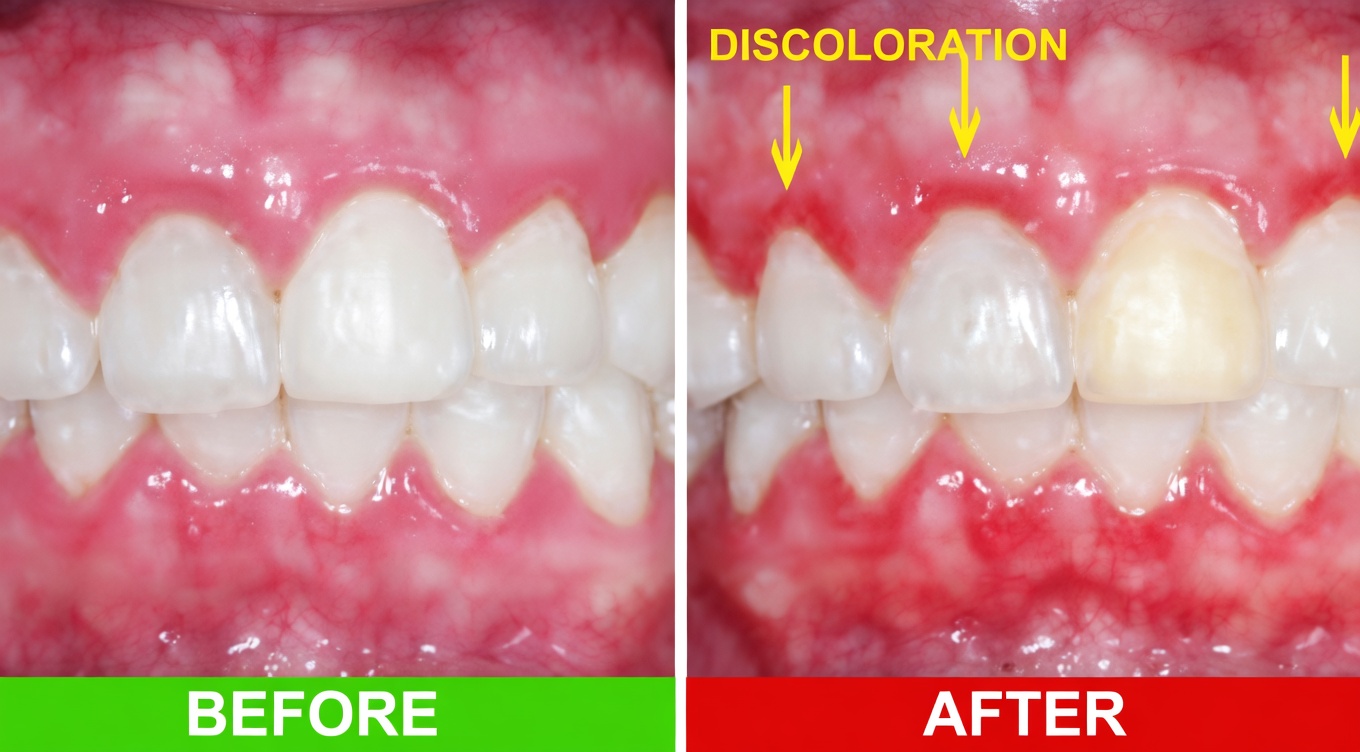
- Get professional care for persistent pain: Toothache can signal cavities, cracks, gum disease, or infection that needs proper diagnosis.
- Seek urgent help if you have facial swelling, fever, pus, or severe worsening pain.

Advanced Tips: How to Use Cloves More Effectively (Surprising but Practical)
- For toothache relief: Place one whole clove next to the uncomfortable tooth for a few minutes. Avoid pressing aggressively on the gums.
- For breath support: Lightly chew once or twice to release aroma, then remove it. Don’t keep chewing continuously.
- For gum comfort: Use sparingly. If you’re sensitive, wrap the clove in a thin piece of clean gauze before placing it near the area.
Surprising tip: Slightly moisten the clove first (with clean water). This can help release eugenol more gently, reducing harsh friction and making the experience more comfortable.
A Simple Path to Exploring This Natural Toothache Remedy
Holding cloves in your mouth is a traditional, low-cost option some people use for temporary tooth pain relief and a fresher mouth feel. The potential upside is short-term comfort; the risk of doing nothing is continuing discomfort—and possibly ignoring a problem that needs treatment. Use cloves carefully, and treat them as a bridge to proper dental care, not a replacement.
FAQ
Can holding cloves in your mouth replace a dental visit?
No. Cloves may provide temporary symptom relief, but they do not treat the underlying cause of tooth pain (such as cavities, cracks, or infection). If discomfort persists, see a dentist.
How long should I keep a clove in my mouth?
A few minutes is usually enough to test its effect. If you feel burning, irritation, or worsening pain, remove it immediately.
Is clove oil better than whole cloves?
Not necessarily. Clove oil is much stronger and can irritate or burn oral tissues if used improperly. Whole cloves are generally easier to control.
Who should avoid using cloves for tooth pain?
People with mouth ulcers, very sensitive gums, known allergies to cloves/eugenol, or those experiencing severe symptoms (swelling, fever) should avoid self-treatment and seek professional care.
What should I do if the pain returns?
Recurring tooth pain is a sign you likely need a dental evaluation. Use temporary measures cautiously and schedule an appointment to address the root cause.