Many people deal with common skin issues such as excess oil, a tired-looking complexion, or small blemishes that can affect confidence. That’s why DIY skincare—especially with basic pantry ingredients—often feels tempting. Still, “natural” doesn’t automatically mean “safe,” and using the wrong method can backfire. By understanding how an ingredient behaves on skin, you can make smarter choices for your routine. Stay until the end for an unexpected tip that may change the way you view natural exfoliants.
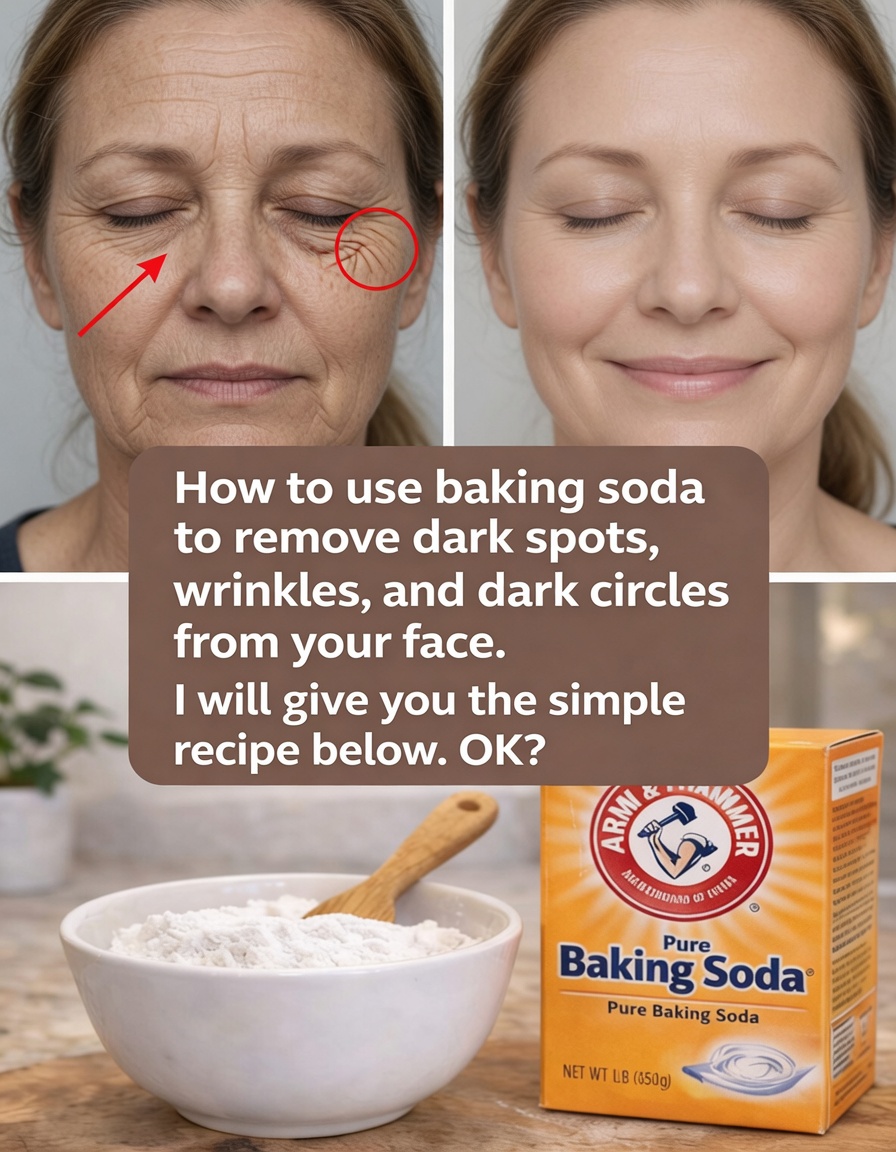
What Is Baking Soda (Sodium Bicarbonate), and Why Do People Use It on the Face?
Baking soda, also known as sodium bicarbonate, is a white crystalline powder best known for baking, where it helps dough rise by releasing carbon dioxide when combined with acidic ingredients. It’s also widely used for household cleaning because it’s mildly abrasive and helps neutralize odors.
In skincare, baking soda became popular largely through DIY trends and social media, where it’s often promoted as a low-cost facial cleanser or exfoliant. However, one scientific detail matters more than most people realize: baking soda is alkaline, with a pH around 9, while healthy skin is naturally slightly acidic (about pH 4.5–5.5). That gap explains both the short-term “results” some people notice and the potential drawbacks dermatologists caution against.
Although sodium bicarbonate can appear naturally in certain minerals, most baking soda sold for home use is produced industrially. Some laboratory research also suggests it can inhibit certain bacteria in controlled conditions—fueling interest in topical use—yet experts emphasize it’s not a universal skincare solution.
Potential Benefits of Baking Soda for Facial Skin
Used carefully and only occasionally, baking soda may offer a few short-lived benefits. These effects are typically temporary and vary by skin type.

1) Physical Exfoliation for a Smoother Feel
Because it has fine particles, baking soda can act as a manual exfoliant, helping lift dead skin cells and surface buildup. This may leave skin feeling smoother and looking brighter immediately after use.
Dermatology discussions around abrasive exfoliation note that mild abrasion can improve certain textures. In some specific situations (for example, select cases involving thickened scaling), gentle exfoliation may be part of symptom management—though the evidence is limited and not a reason for routine facial use.
2) Temporary Oil Absorption and a Less Shiny Look
If your skin produces a lot of sebum, baking soda may absorb surface oil and give a short-term matte effect. Some people use it to help “deep clean” pores by loosening oil and debris during washing.
Its low cost and accessibility make it appealing, but results are inconsistent, and it’s generally better thought of as an occasional spot approach rather than a daily cleanser.
3) Mild Antibacterial Activity (In Limited Contexts)
Sodium bicarbonate has shown some antibacterial effects in laboratory settings, which is why it’s sometimes suggested for minor surface concerns. In theory, lowering surface bacterial load could support clearer-looking skin.
That said, dermatology professionals typically do not consider baking soda a primary acne treatment. Any antibacterial benefit is usually modest and must be balanced against the risk of barrier disruption.
Quick Overview: Benefits at a Glance
- Exfoliation: Removes dead skin cells through gentle abrasion (temporary smoothing/brightening)
- Oil control: Absorbs some surface sebum (short-term mattifying)
- Antibacterial potential: Limited lab-based evidence; not a substitute for acne therapies
Major Risks and Drawbacks You Should Know
The biggest concern with baking soda on the face is that it can interfere with the skin’s protective systems—especially when used frequently or on sensitive skin.

1) Disrupting the Skin’s Natural pH and Barrier
Your skin’s slightly acidic surface (often called the acid mantle) supports barrier function and helps defend against irritants and unwanted microbes. Because baking soda is significantly more alkaline, repeated use can disrupt this balance.
When the barrier is stressed, skin may become more reactive over time—sometimes increasing sensitivity and inflammation. People with conditions such as eczema may find symptoms worsen due to added dryness and irritation.
2) Dryness, Tightness, and Irritation
Even when mixed with water, baking soda can be too harsh for facial skin. Physical rubbing may cause redness, stinging, or a tight, stripped feeling—especially for dry or compromised skin.
Overuse increases the chance of removing the natural oils your skin needs to stay hydrated and comfortable.
3) Possible Worsening of Acne or Other Skin Issues
Despite its reputation online, baking soda may not help acne consistently. By altering pH and weakening the barrier, it can sometimes make breakouts or irritation worse, particularly in acne-prone or inflamed skin.
Key Risks to Keep in Mind
- Barrier disruption: Skin may become more vulnerable to irritation
- Dryness and flaking: Natural moisture can be stripped away
- Irritation and redness: Abrasive rubbing can stress sensitive areas
- Condition flare-ups: May aggravate acne-prone skin or eczema
How to Use Baking Soda on Your Face More Safely (Step-by-Step)
If you still choose to try it, treat baking soda as an occasional experiment, not a daily skincare step.
-
Patch test first
Mix a small amount with water and apply to the inner forearm. Wait 24 hours and check for itching, redness, or burning. -
Mix a thin, diluted paste
Use 1–2 teaspoons of baking soda and add enough water to create a light, spreadable consistency. Avoid thick, gritty mixtures. -
Apply gently and briefly
Massage lightly onto damp skin for 30–60 seconds. Avoid the eye area, active breakouts, or broken skin. -
Rinse thoroughly
Use lukewarm water and remove all residue. -
Moisturize immediately
Apply a pH-friendly moisturizer to support recovery and reduce dryness. -
Limit frequency
Do not use more than once per week, and stop sooner if any irritation appears.
Safer Alternatives to Baking Soda for Skincare
If your goal is smoother texture, clearer pores, or less oil, dermatologist-preferred options usually deliver better results with fewer risks.
- Gentle chemical exfoliants (lactic acid or glycolic acid): Exfoliate without harsh scrubbing
- Salicylic acid (BHA): Helps clear oil and congestion inside pores
- Niacinamide: Supports the skin barrier while helping reduce oiliness and redness
These ingredients are commonly formulated at skin-appropriate pH levels and backed by broader safety research than DIY baking soda use.
Conclusion
Baking soda may provide temporary exfoliation, short-term oil absorption, and limited antibacterial effects when used carefully on the face. However, its high alkalinity can disturb the skin’s pH, weaken the protective barrier, and increase dryness or irritation—making it a poor choice for frequent use or sensitive skin types. For more consistent, skin-friendly results, pH-balanced exfoliants and proven actives are generally safer.
The unexpected tip mentioned earlier: some people mix a small amount of honey into a baking soda paste to add naturally soothing properties—however, you should still patch test first and use the mixture only occasionally.
Frequently Asked Questions (FAQ)
Is baking soda safe for daily facial use?
No. Most experts recommend using it no more than once weekly, if at all, to avoid disrupting the skin barrier.
Can baking soda fade dark spots?
It may create brief brightening by removing surface dead skin, but there’s little evidence it meaningfully reduces hyperpigmentation. Overuse can also trigger irritation and uneven tone.
What should I do if baking soda irritates my skin?
Rinse immediately with lukewarm water, apply a gentle moisturizer, and stop using it. If symptoms continue or worsen, consult a healthcare professional.
Disclaimer
This article is for educational purposes only and does not replace medical advice. Consult a dermatologist before trying new skincare ingredients, especially if you have existing skin conditions.