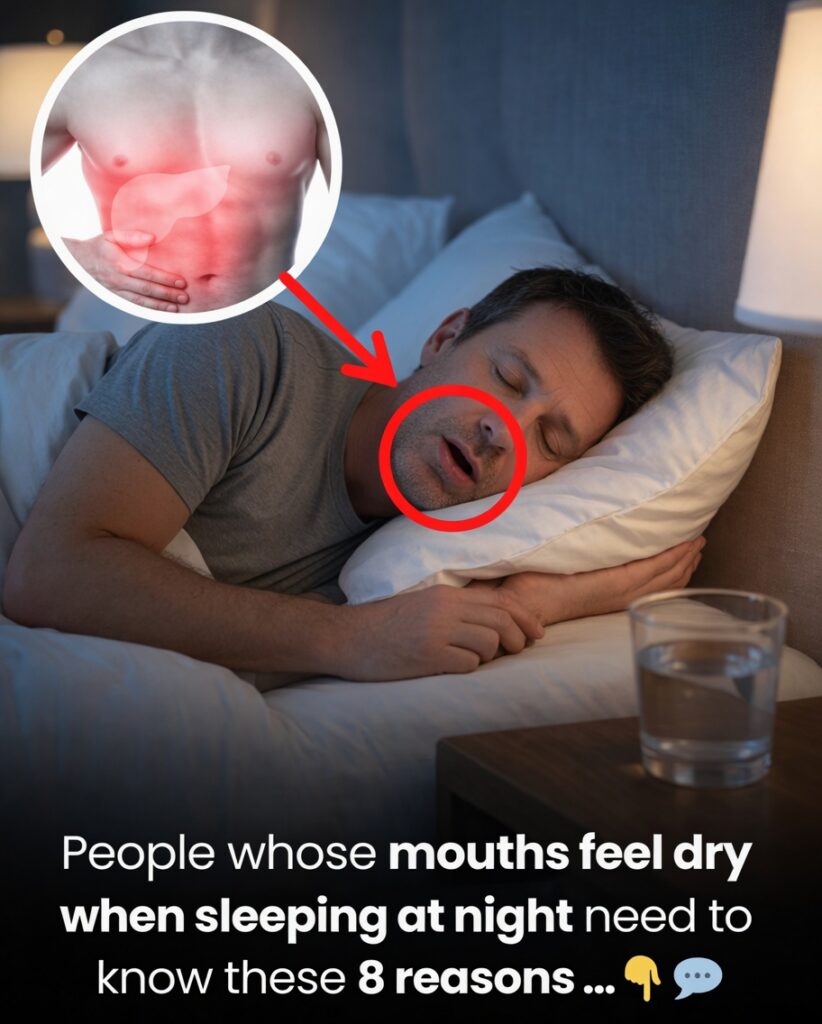
Dry Mouth at Night: Why It Happens and How to Sleep More Comfortably
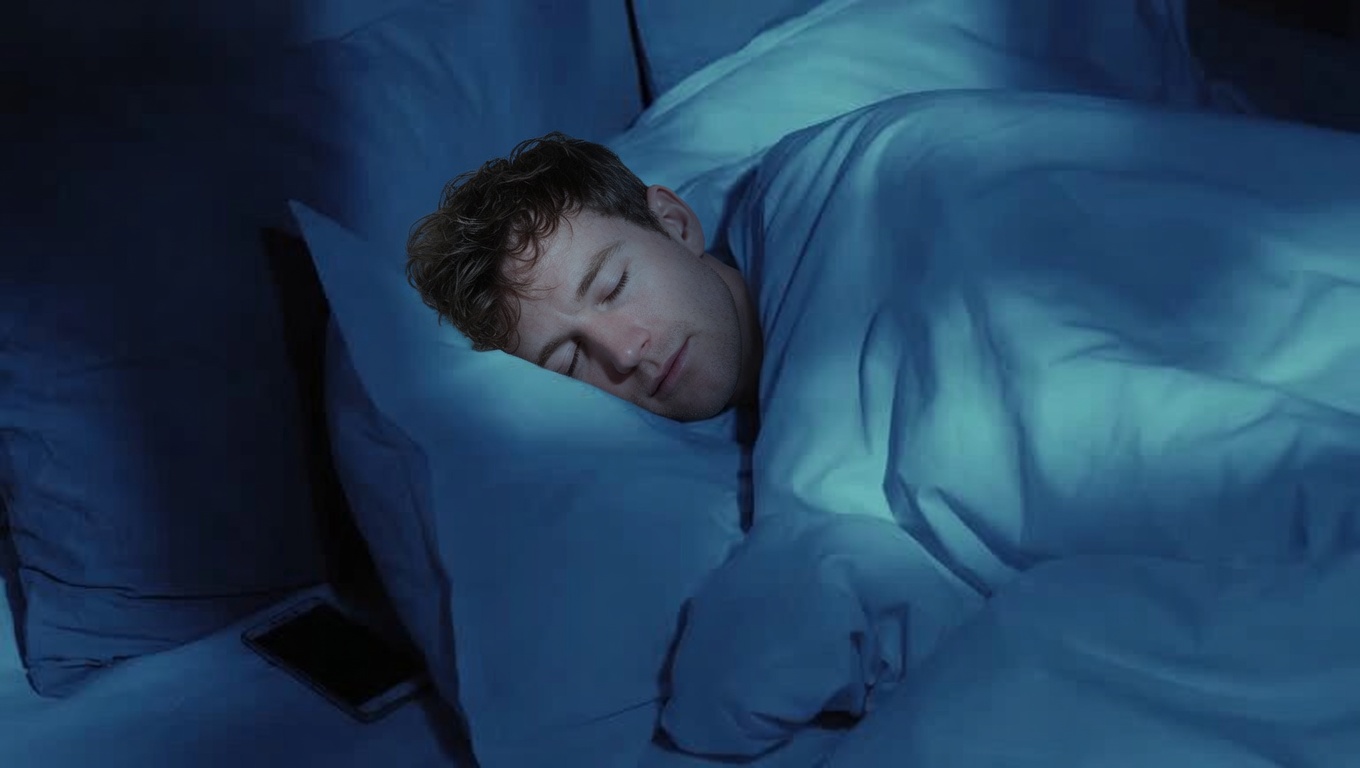
Waking up with a dry mouth at night can feel sticky, thirsty, and irritating—often interrupting deep sleep and leaving you tired the next morning. For many people, the dryness becomes more noticeable in the early hours, making it harder to relax and fall back asleep.
Dry mouth at night is common in adults, whether it happens occasionally or on a regular basis. Knowing what may be contributing can help you choose simple, supportive changes for better nighttime comfort.
How Dry Mouth at Night Impacts Comfort and Oral Health
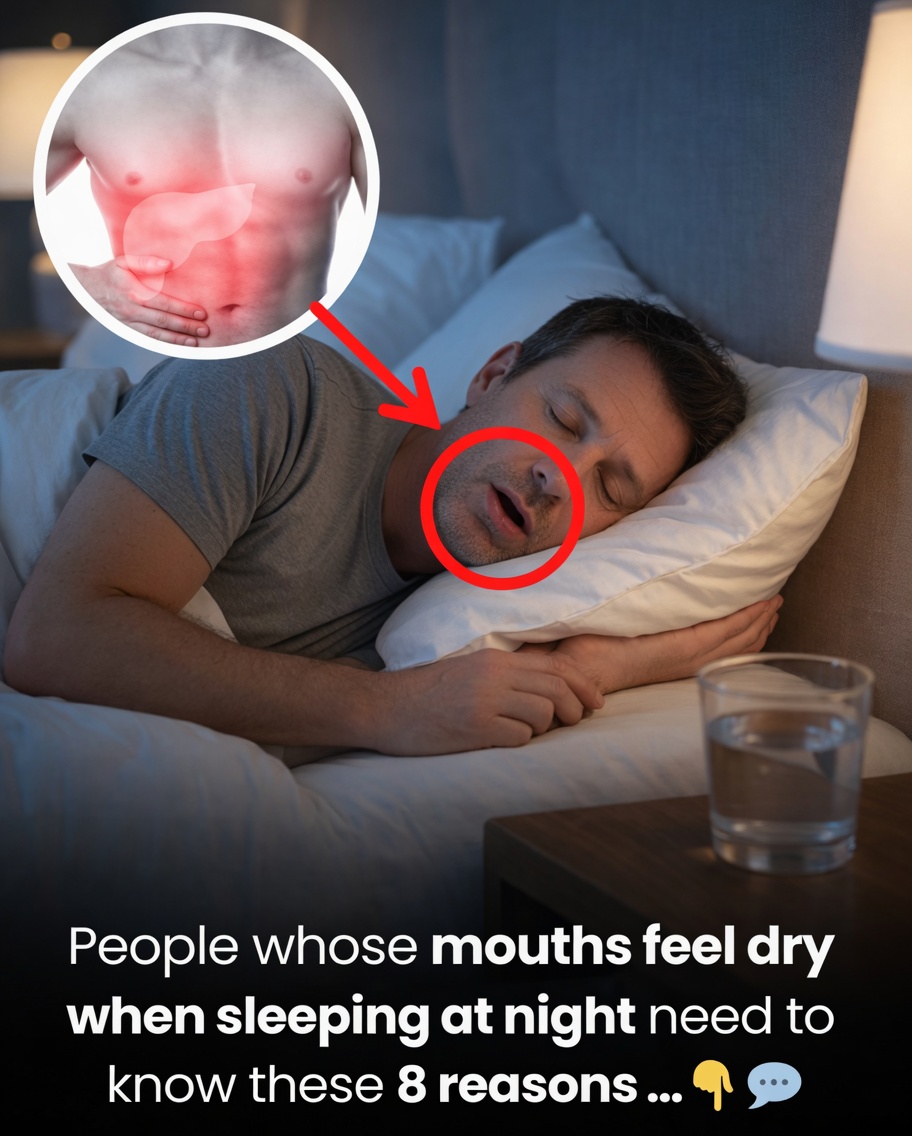
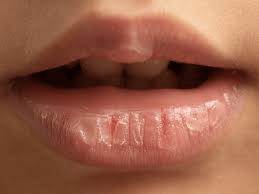
Dry mouth at night (also called nocturnal xerostomia) occurs when saliva production drops during sleep. Saliva does more than keep your mouth comfortable—it also helps protect teeth and gums. When there’s less saliva, your mouth can feel dry, tacky, and uncomfortable.
If you find yourself waking up repeatedly to drink water, it may be linked to everyday habits, sleep patterns, medications, or health-related factors. Many cases are manageable with practical adjustments.
Common Causes of Dry Mouth at Night
Dehydration: A Frequent Everyday Factor
If you aren’t drinking enough fluids during the day, dry mouth at night may feel stronger. Even while you sleep, your body continues to lose moisture through normal breathing and other processes.
When hydration is low, saliva flow can decrease—leading to that familiar parched feeling. Consistent daily hydration supports the body’s natural moisture balance.
Mouth Breathing While Sleeping
Breathing through your mouth at night—often due to congestion, allergies, or habit—can dry out the tissues in your mouth quickly. Unlike the nose, the mouth doesn’t humidify incoming air effectively.
Mouth breathing is also frequently associated with snoring and certain sleep positions, which may worsen nighttime dryness. Improving nasal airflow before bed can support healthier breathing patterns.
Medication Side Effects
A wide range of commonly used medications can reduce saliva as a side effect, including:
- Antihistamines
- Some blood pressure medications
- Certain antidepressants
If dry mouth at night began after starting a new prescription, medication may be involved. In some cases, adjusting the timing of a dose (with medical guidance) can be helpful.
Age-Related Changes
As people get older, salivary glands may naturally produce less moisture, which can make dry mouth at night more common—especially in adults over 50.
Because aging can overlap with other contributors (such as medications or medical conditions), the dryness may become more noticeable over time. Gentle hydration habits often become even more important.

Health Conditions (Including Diabetes)
Some health conditions can affect fluid balance and saliva production, contributing to nighttime dryness. Diabetes, for example, can increase thirst and influence hydration levels—especially if blood sugar is not well controlled.
If dry mouth at night appears alongside other symptoms (such as frequent urination, increased thirst, or fatigue), it’s worth discussing with a healthcare professional.

Oral Health and Hygiene Issues
Your mouth environment matters. Gum inflammation, bacterial buildup, and other oral health concerns may increase discomfort and make dry mouth at night feel worse.
Supportive daily habits include:
- Brushing and flossing consistently
- Regular dental checkups
- Addressing gum irritation early

Stress and Anxiety
Stress can activate the body’s “fight-or-flight” response, which may temporarily reduce saliva production. If you go to bed feeling tense or anxious, you may be more likely to experience dry mouth during the night.
Relaxation habits—such as slow breathing, gentle stretching, or a calming bedtime routine—can help break the cycle.
Dry Bedroom Air and Evening Habits
Low humidity (especially in heated or air-conditioned rooms) can pull moisture from your mouth as you breathe at night. Certain evening habits may also increase dryness, such as alcohol use or late-day caffeine.
Small environmental changes—like improving humidity—can sometimes make a noticeable difference.
Gentle Habits That May Help With Dry Mouth at Night
Try one or two changes that feel realistic for your routine:
- Hydrate consistently during the day to support saliva production (rather than drinking large amounts right before bed).
- Use a humidifier to add moisture to bedroom air overnight.
- Encourage nasal breathing by clearing congestion before sleep (when appropriate).
- Maintain strong oral hygiene with regular brushing and flossing.
- Limit evening caffeine or alcohol, which may increase dryness for some people.
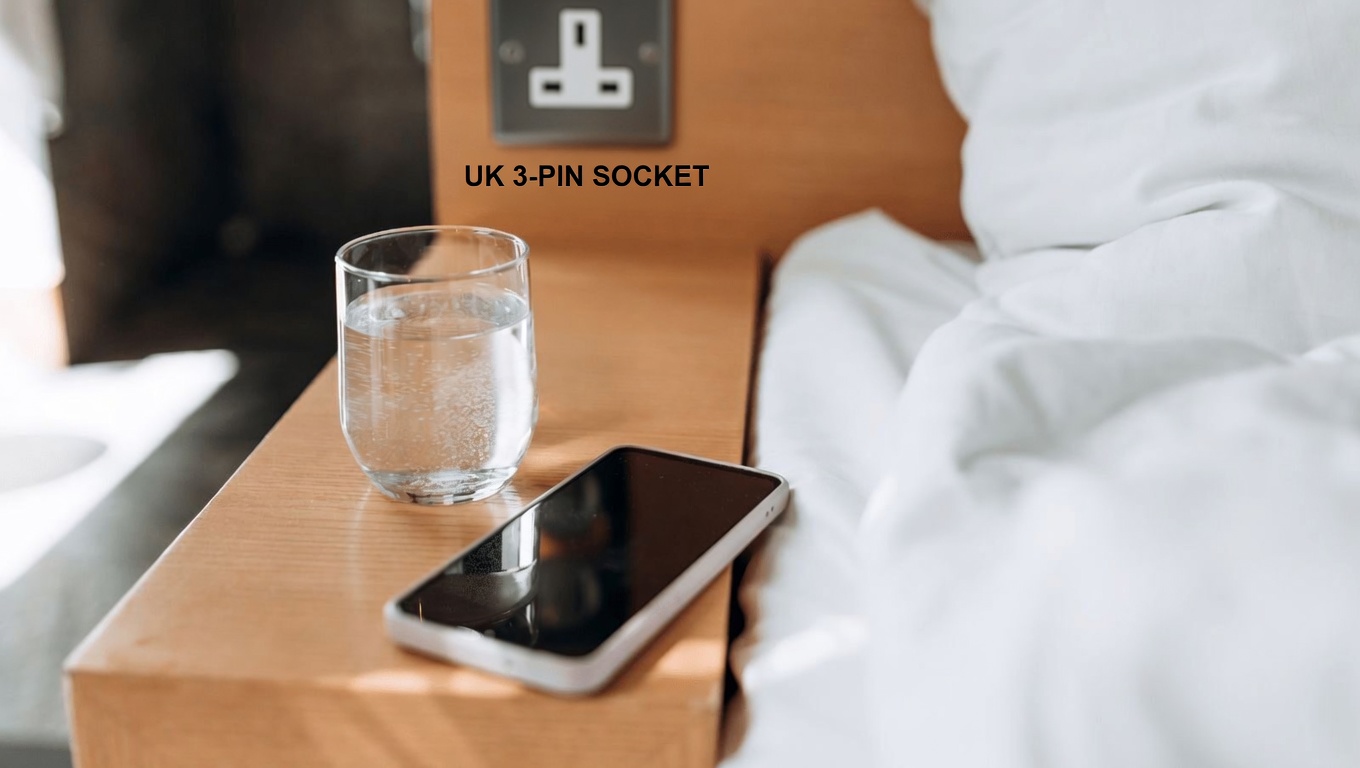
- Keep water nearby, so you can take small sips if you wake up thirsty.
When to Talk to a Healthcare Provider
Occasional dry mouth at night is often manageable, but it’s smart to seek medical advice if it’s:
- Persistent or worsening
- Affecting sleep consistently
- Occurring with other symptoms (such as extreme thirst, frequent urination, or oral pain)
A healthcare provider can review medications, lifestyle factors, and possible underlying causes to help you find the best approach.
Final Thoughts: Small Adjustments Can Improve Your Nights
Understanding the common causes of dry mouth at night makes it easier to choose simple, supportive steps. Many people notice improvement with steady hydration, a more comfortable sleep environment, and small bedtime routine changes.
Pay attention to patterns, make gentle adjustments, and prioritize comfort—better rest often follows.
Frequently Asked Questions
Is dry mouth at night a serious concern?
Usually not on its own. However, ongoing or severe dry mouth is worth discussing with a healthcare provider to rule out medication-related or medical causes.
How much water should I drink to reduce dry mouth at night?
Focus on steady hydration throughout the day. Avoid drinking large amounts right before bed if it disrupts your sleep.
Can dry mouth at night affect oral health?
Yes. Lower saliva levels can increase risk for dental issues over time, which is why consistent oral care is especially important.
Disclaimer: This article is for informational purposes only and is not intended to diagnose, treat, cure, or prevent any condition. Dry mouth can have many causes. Always consult a qualified healthcare provider for personalized guidance, especially if symptoms persist.