
A Morning That Feels “Stuck”: Why It Happens and What You Can Do
Have you ever woken up with a heavy, uncomfortable feeling in your abdomen—like your system hasn’t fully “started” yet? That sluggish sensation can follow you into the morning, pulling down your energy, mood, and focus. For many adults (especially after 45), it becomes a quiet, recurring issue influenced by everyday factors like food choices, hydration, stress, and activity level.
The good news: small, gentle morning habits may offer meaningful digestive support. And there’s an unexpected twist at the end—because what helps your gut isn’t always an ingredient.

Why Digestive Patterns Often Change With Age
It’s common for digestive rhythms to shift over time. Data referenced by organizations such as the National Institute of Diabetes and Digestive and Kidney Diseases suggests that around 16% of people experience occasional irregularity, and the rate tends to rise after age 60. Several lifestyle factors often contribute, including:
- Not drinking enough fluids
- Low fiber intake
- Sitting for long periods or moving less
Stress adds another layer. The gut-brain axis—your digestive system’s close communication line with the nervous system—can be affected by chronic tension. Research published in journals such as Gut has discussed how emotional strain may influence intestinal motility. In real life, that can mean a frustrating loop: discomfort increases stress, and stress increases discomfort.
Your body does have built-in mechanisms designed to keep digestion balanced. With the right support, many people can encourage smoother function without relying on harsh “quick fixes.”
Hydration and Fiber: The Foundation of Gut Comfort
Hydration supports natural movement
After a night of sleep, mild dehydration is common—and it can influence stool consistency. Starting the day with warm fluids may help rehydrate gently and support regularity.
Fiber works in two important ways
Dietary fiber generally falls into two categories:
- Soluble fiber (e.g., psyllium) absorbs water and forms a soft gel-like texture that can support easier passage. A review in the American Journal of Clinical Nutrition links increased soluble fiber intake with improved regularity for many people.
- Insoluble fiber adds bulk and can help move material through the digestive tract.
Fiber also feeds beneficial gut bacteria. Research discussed in Nature Reviews Microbiology connects a balanced microbiome with smoother digestion and less bloating. Adding fermented foods can further support this internal ecosystem.
A key insight: hydration and fiber work better together. Warm fluids may encourage digestive secretions, while fiber provides structure and softness—supporting the body’s natural contractions.
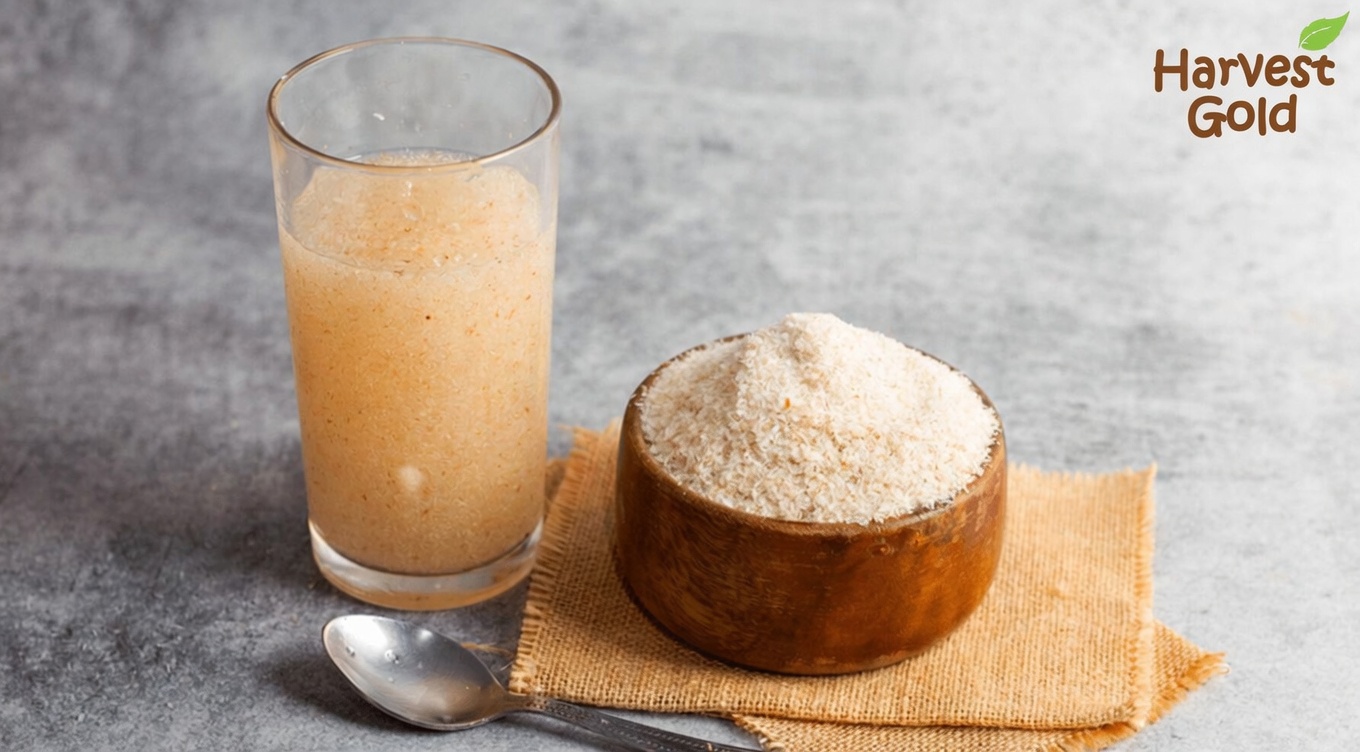
A Gentle Morning Drink Some People Use for Occasional Support
One simple routine sometimes used for short-term, occasional digestive support combines:
- Warm water
- A small amount of mineral salt
- Fresh lemon juice
- Psyllium husk
Each ingredient plays a different role:
- Warm water helps rehydrate and may gently encourage motility.
- Mineral salt (often Himalayan pink salt) may help draw fluid into the intestines.
- Lemon juice adds flavor and may stimulate digestive juices for some individuals.
- Psyllium husk supplies soluble fiber that expands with water, supporting softer stool texture.
Many people prepare and drink it within about 10 minutes, typically on an empty stomach.
Important: This is generally framed as an occasional tool, not a daily routine, and it should complement broader habits like hydration, fiber-rich meals, and movement.
How to Make the Drink: Step-by-Step
Here’s a clear, practical guide:
-
Gather what you need
- 1 liter warm (not hot) filtered water
- 2 teaspoons mineral salt
- Juice of 1/2 lemon
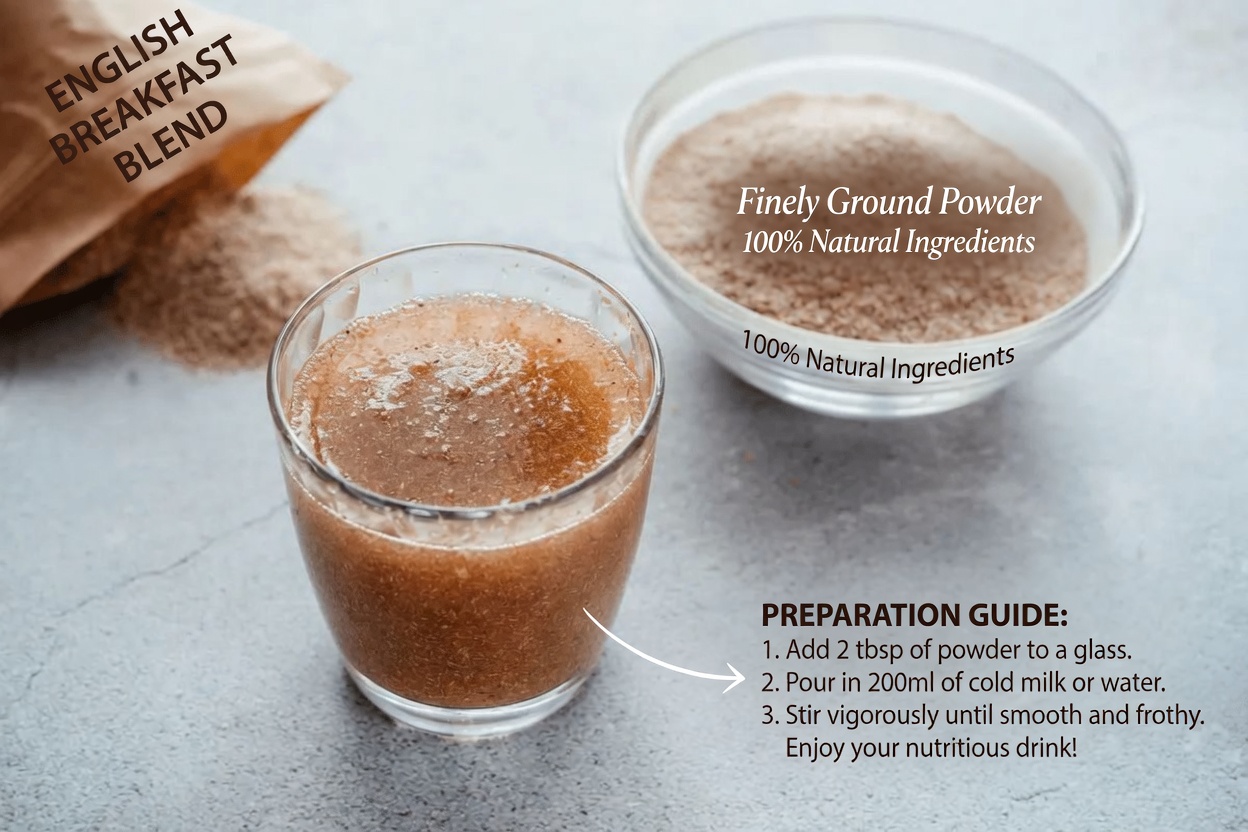
- 1 tablespoon psyllium husk powder
-
Mix the base
- Stir the salt and lemon juice into the warm water until dissolved (about 1–2 minutes).
-
Add the psyllium
- Sprinkle in the psyllium and whisk quickly to reduce clumping.
- Drink promptly—ideally within 5–10 minutes, before it thickens.
-
Support the process
- Take a short walk afterward, or try gentle circular abdominal massage.
- Stay well-hydrated for the rest of the day.
Responses vary. Some people notice changes within 20–30 minutes, while others experience a more gradual effect. Start conservatively and pay attention to how your body responds.
Natural Strategies vs. Common Over-the-Counter Options
Here’s a simplified comparison based on widely available digestive health guidance (including sources such as the Mayo Clinic):
-
How it works
- Natural drink approach: Hydrates, adds bulk, supports natural motility
- OTC laxatives: Often force stimulation or softening
-
How often
- Natural drink approach: Typically framed as occasional
- OTC laxatives: Overuse can increase dependency risk
-
Side effects
- Natural drink approach: Often mild if hydration is adequate
- OTC laxatives: Can cause cramping or electrolyte disruption in some cases
-
Long-term focus
- Natural drink approach: Encourages habit-based support
- OTC laxatives: Usually provides temporary relief
Natural methods may align better with the body’s rhythms, but they are not a substitute for medical care when symptoms persist or worsen.
Daily Habits That Support Better Digestion
Lasting gut comfort usually comes from consistent basics. Consider building these gradually:
-
Increase fiber from whole foods
- Many people aim for 25–40 grams/day from oats, vegetables, fruit, legumes, and seeds.
- Increase slowly to reduce gas or bloating.
-
Hydrate steadily
- Around 2 liters/day is a common general target, adjusting for body size and activity.
- Room-temperature water may feel easier for some people to drink consistently.
-
Add probiotic-rich foods
- Yogurt, kefir, sauerkraut, and similar foods may support microbiome diversity.
- Research in the Journal of Clinical Gastroenterology discusses probiotic benefits for digestive health in certain contexts.
-
Move every day
- Even 30 minutes of walking can stimulate intestinal muscles, supported by findings in publications such as Medicine & Science in Sports & Exercise.
-
Reduce stress on purpose
- Try 5 minutes of deep breathing in the morning.
- Because of the gut-brain connection, a calmer nervous system often supports smoother digestion.
Consistency matters more than intensity. One small change done daily can outperform occasional “big” efforts.
Benefits That May Extend Beyond the Gut
When digestion feels steadier, people often report broader improvements, such as:
- More stable energy and fewer sluggish afternoons
- Better overall comfort, especially after meals
- Improved mood and resilience, as gut health and emotional health are linked through the microbiome (including findings discussed in Psychosomatic Medicine)
Perhaps the biggest advantage is awareness: tracking what helps you feel better builds confidence and makes gut care more personalized over time.
Key Takeaway: Small Morning Choices Can Create Big Shifts
A simple morning drink—paired with hydration, fiber, movement, and stress management—may offer gentle support for your digestive rhythm. The goal isn’t extremes or “detox” thinking. It’s steady, body-friendly support through everyday choices.
Start as simply as tomorrow morning with warm water, then build from there.
And the unexpected twist: sometimes the most powerful change isn’t a special ingredient at all—a quiet moment to relax before your day begins may do more for your gut than any recipe.
Frequently Asked Questions
What if I don’t notice results right away?
Digestive response depends on hydration, fiber intake, stress, and activity. Give it time and focus on the fundamentals. If symptoms persist, consult a healthcare professional.
Can I drink this every day?
It’s generally positioned as an occasional option. For ongoing support, prioritize daily fiber from whole foods, consistent hydration, and movement. Regular use of salt-based mixes is not advised without professional guidance.
Are there any precautions?
Yes. If you have high blood pressure, kidney concerns, or other medical conditions, speak with a clinician first. Personalized guidance matters.
This article is for informational purposes only and does not provide medical advice. Consult a qualified healthcare professional about any health concerns or before changing your routine.