
That mild ankle puffiness after dinner or the “why am I still so tired?” feeling that drags into the evening can be especially discouraging after 65—particularly if you’re already dealing with kidney issues. Subtle symptoms like these can make everyday eating feel stressful, as you wonder whether certain protein choices are putting extra pressure on kidneys that are already working harder.

Protein is still crucial for maintaining strength, mobility, and energy as you age. The tricky part is that some protein sources can increase waste products or disrupt mineral balance (like phosphorus, potassium, and sodium), which may worsen swelling, fatigue, or overall discomfort when kidney function is reduced. The good news: a few evidence-informed swaps can help lighten the workload on your kidneys—without sacrificing satisfying meals.

Below, you’ll find six protein sources that are often worth limiting (depending on your medical plan), four gentler alternatives, and a simple plate guide to help you put it all into practice.
Why Protein Choices Matter More After 65 When You Have Kidney Issues
After age 65, it’s normal for kidney filtration to become less efficient. When kidneys aren’t clearing byproducts as well, too much protein—or the wrong kinds—can contribute to waste buildup, which may leave you feeling drained.
Chronic kidney disease affects tens of millions of people in the U.S., and many older adults notice that certain meals seem to trigger more swelling, heavier fatigue, or lower energy, turning “comfort foods” into sources of worry.
Many nutrition guidelines for kidney disease suggest a protein target around 0.6–0.8 grams per kilogram of body weight per day, with an emphasis on choosing higher-quality, lower-burden protein sources to help reduce strain while still supporting muscle and function.

The most encouraging takeaway: small, consistent choices can meaningfully affect how you feel day to day.
6 Proteins to Potentially Limit With Kidney Issues
1. Red Meat (Beef, Pork, Lamb)
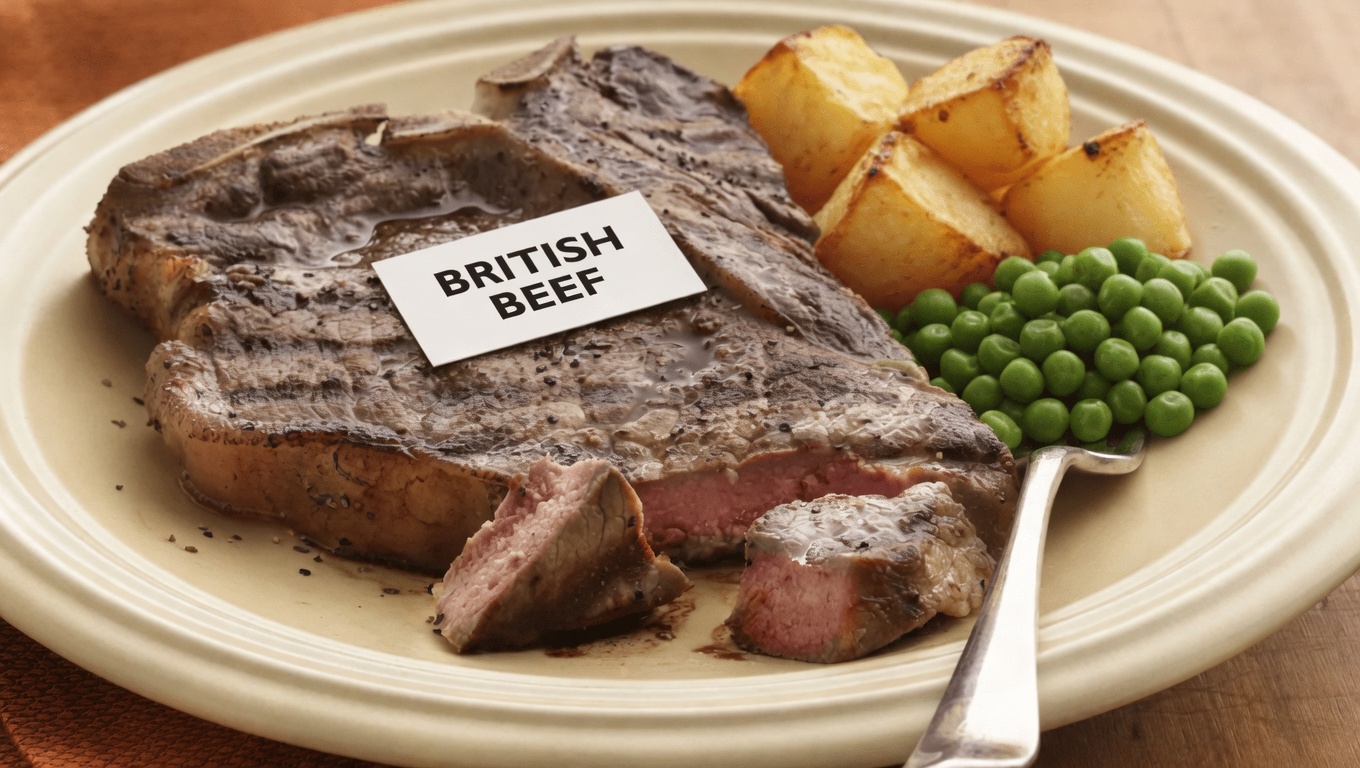
A hearty steak can be satisfying, but red meat tends to be higher in phosphorus and saturated fat, which may be harder on kidney health and can contribute to the sluggish, heavy feeling many seniors report.
Often, guidance leans toward keeping red meat as an occasional choice and sticking to smaller portions to reduce the chance of buildup that may worsen swelling.

2. Full-Fat Dairy (Whole Milk, Regular Cheese, Ice Cream)
Full-fat dairy can be a hidden source of phosphorus, which compromised kidneys may struggle to remove. Over time, excess phosphorus can also affect bone health and contribute to that “run-down” feeling some people associate with kidney issues.
Many people feel better choosing lower-phosphorus alternatives more often.
3. Processed Meats (Bacon, Sausages, Deli Meats)
Processed meats commonly contain very high sodium, which can raise blood pressure and increase fluid retention—two issues that often make swelling and fatigue more noticeable.
Reducing processed meats frequently helps people manage puffiness and discomfort more effectively.
4. High-Potassium Beans (Kidney Beans, Lima Beans)
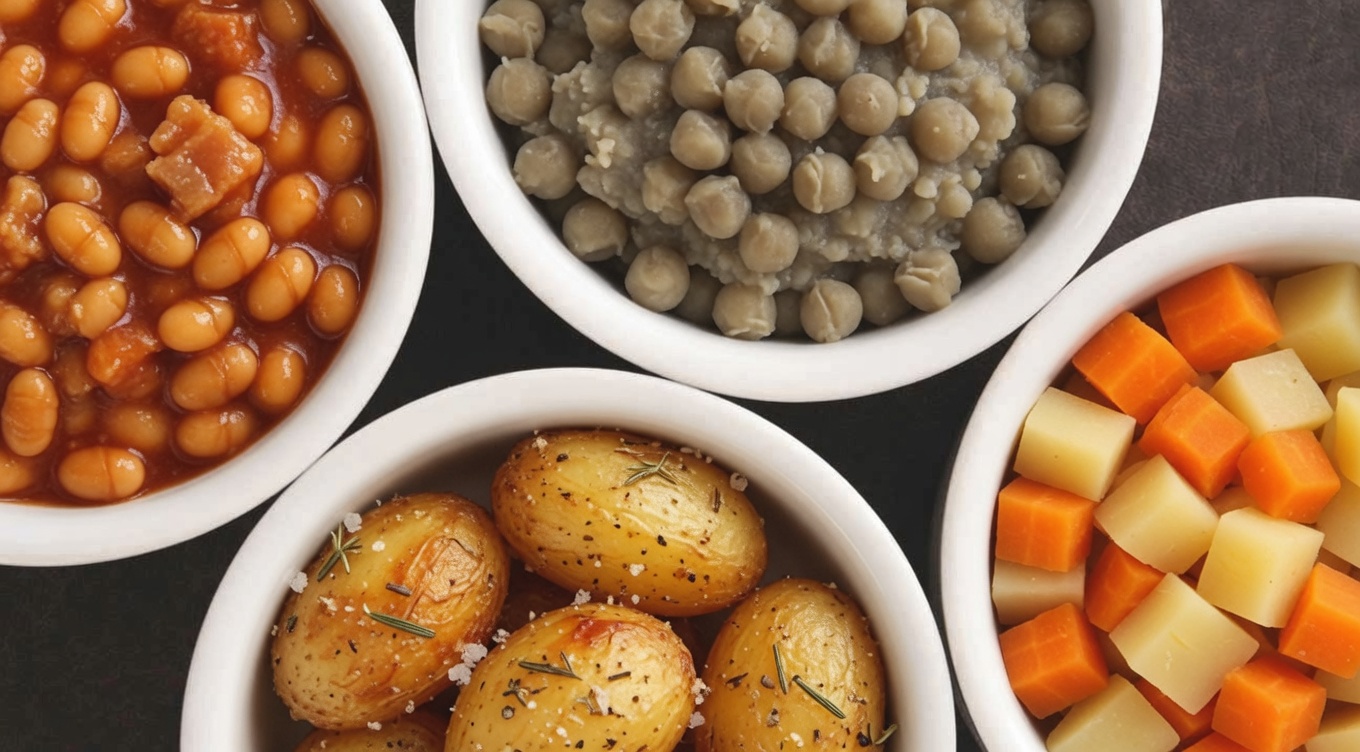
Beans offer plant-based protein, but some varieties are potassium-dense. When kidney function is reduced, potassium can build up more easily, which may create additional health risks (including heart rhythm concerns).
If beans are part of your routine, strategies like careful portion sizes, rinsing, and thoughtful selection can help reduce overload.

5. Nuts and Seeds
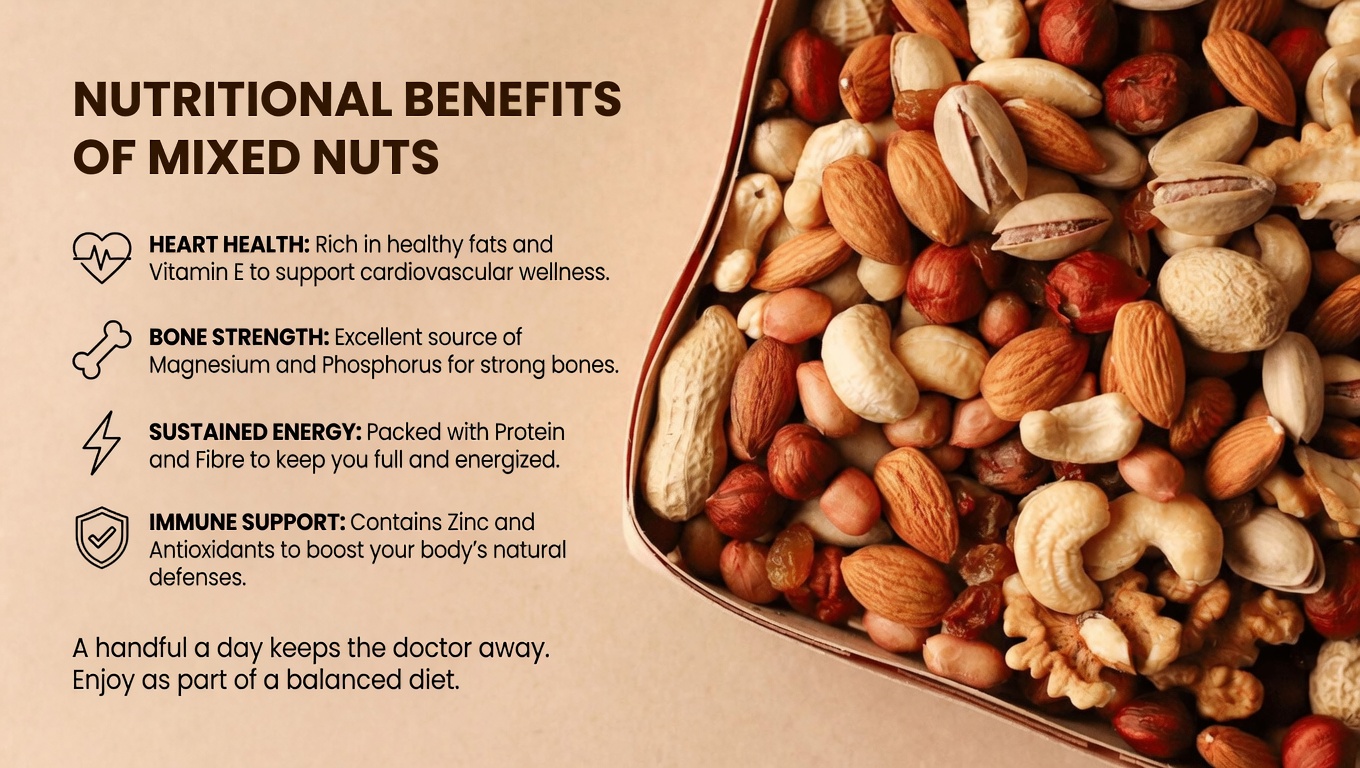
Nuts and seeds are nutritious, but they’re also concentrated sources of phosphorus and potassium. For sensitive kidneys, frequent large servings can add mineral strain and may worsen that “daily drain” feeling.
Many people do better treating nuts and seeds as small, occasional add-ons rather than everyday handfuls.

6. Whole Eggs (Especially the Yolks)
Eggs can be comforting and convenient, but the yolks add more phosphorus and cholesterol—which may be a concern for some seniors managing kidney issues and related cardiovascular risks.
A common adjustment is using egg whites more often, which can feel lighter while still supporting protein intake.
Quick Comparison: Protein Choices and Kidney Considerations
- Red meats: Higher phosphorus and fat → limit to occasional small portions → consider skinless poultry
- Full-fat dairy: Phosphorus load → choose lower-phosphorus options → consider plant-based milk alternatives
- Processed meats: High sodium → minimize/avoid → choose fresh lean cuts
- High-potassium beans: Potassium buildup → rinse and keep servings small → consider lower-potassium plant options
- Nuts and seeds: Concentrated minerals → rare small portions → consider smaller amounts or less frequent use
- Whole eggs: Yolk phosphorus/cholesterol → use more whites → choose egg-white meals
4 Gentler Protein Alternatives for Seniors With Kidney Issues
1. Egg Whites
Egg whites provide high-quality protein without the yolk’s extra phosphorus and cholesterol. They’re often a practical option for maintaining strength with less dietary burden.
Try them scrambled or in an omelet for a lighter breakfast that may help reduce morning “brain fog.”
2. Fresh Fish (Such as Salmon)
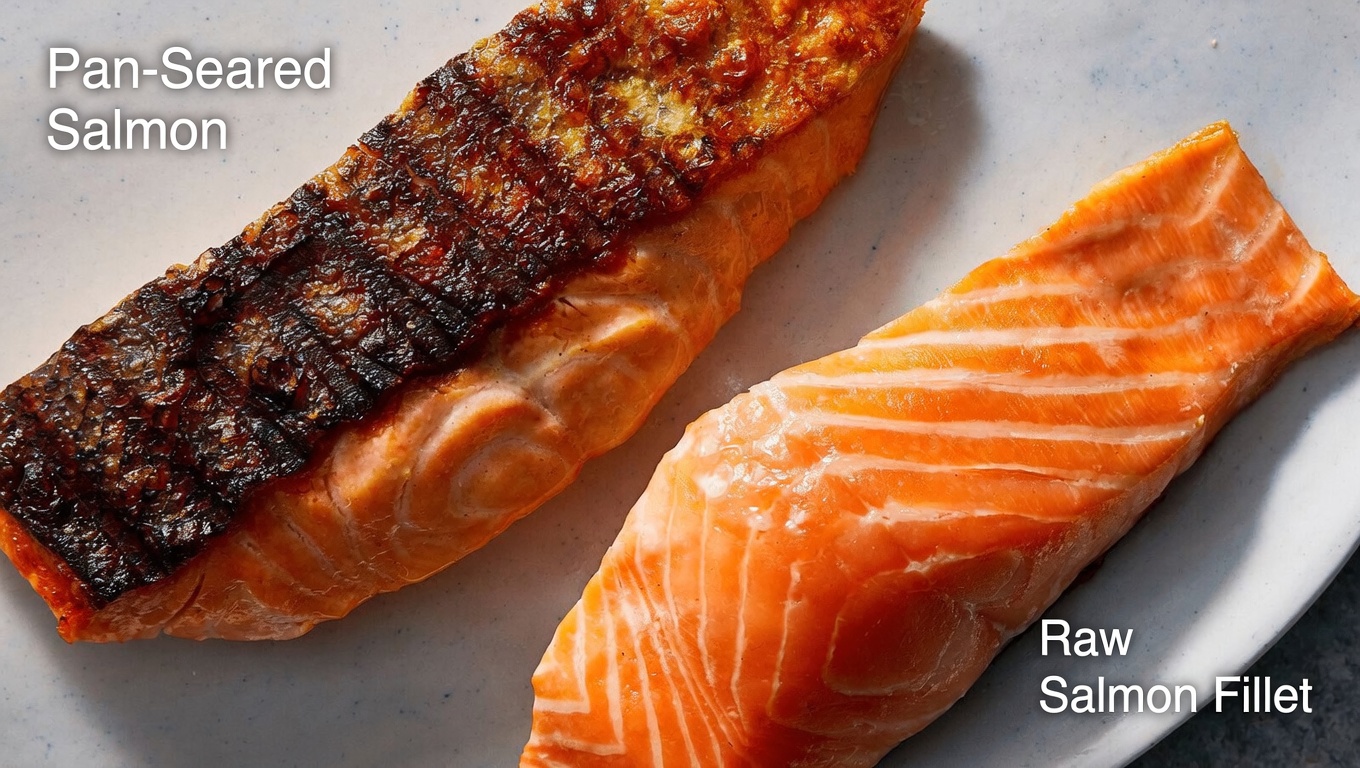
Fish offers high-quality protein and contains beneficial fats that may support heart health—an important priority for many people with kidney issues. Many types of fresh fish are also lower in some of the minerals that become problematic in kidney disease (depending on your full diet pattern).
Simple grilled or baked fish portions often feel satisfying without leaving you heavy afterward.
3. Skinless Poultry (Chicken or Turkey Breast)
Skinless poultry is a reliable staple: it provides lean protein with less saturated fat, making it a common “go-to” when you want protein that’s easier to fit into a kidney-conscious eating plan.
Baking, grilling, or poaching helps keep it flavorful without extra salt or heavy sauces.
4. Lower-Potassium Plant Options (Portioned Lentils or Tofu)
Plant proteins can work well when selected carefully. Lentils (in mindful portions) and tofu can offer protein with a mineral profile that may be easier to manage than higher-potassium bean choices—depending on your lab values and stage of kidney disease.
Paired with vegetables, these options can support satisfying meals while reducing the likelihood of post-meal swelling.
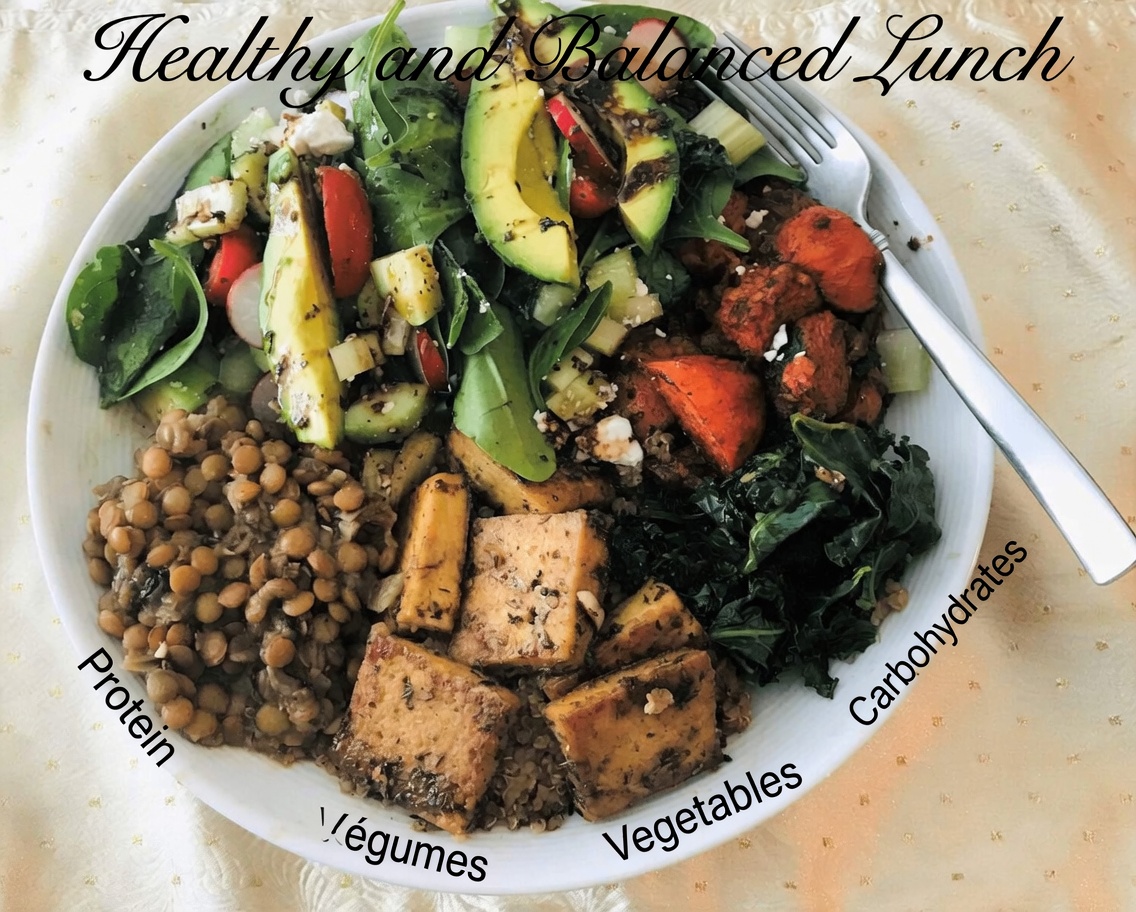
Simple Steps to Build a Kidney-Friendly Plate
- Step 1: Confirm your protein target. Many plans fall around 0.6–0.8 g/kg/day, but your doctor or renal dietitian should personalize this based on labs, stage, and overall health.
- Step 2: Prioritize “lighter” protein sources. Aim to get a large portion of your protein from options like egg whites, fish, and skinless poultry.
- Step 3: Spread protein across the day. Distributing intake over meals can support steadier energy and reduce a single heavy load on your system.
- Step 4: Flavor without excess salt. Use herbs, garlic, pepper, vinegar, and lemon instead of sodium-heavy seasonings.
- Step 5: Get individualized support. A renal dietitian can match your food choices to your potassium, phosphorus, and sodium goals.
Start with one simple change: swap in egg whites at breakfast tomorrow and pay attention to how your body feels through the day.
Frequently Asked Questions
How much protein is usually recommended for seniors with kidney issues?
Many guidelines reference 0.6–0.8 grams per kilogram of body weight per day, but the right amount varies. Always confirm your target with your healthcare provider.
Can changing protein choices improve daily symptoms?
Many people report less swelling and more stable energy after a few weeks of consistent changes, though results depend on overall diet, medications, and kidney function.
Are plant-based proteins always safer for kidney issues?
Not always. Some plant proteins can be helpful when portioned appropriately, but high-potassium choices may still need limits. Your doctor or dietitian can guide you based on lab results.
Medical Disclaimer
This article is for informational purposes only and does not replace professional medical advice, diagnosis, or treatment. Always consult your healthcare provider for personalized guidance on kidney issues and dietary changes.