As you move through midlife, small changes in energy, mood, and the way your body responds to meals can become hard to ignore. Maybe you feel unusually sleepy after lunch, or you’ve cleaned up your diet yet still sense something is “off.” The encouraging part is that you don’t necessarily need a dramatic lifestyle overhaul to feel better. Sometimes, a familiar ingredient—like red onions—can offer meaningful support in surprisingly practical ways. And near the end, you’ll see the simple “keystone habit” that can quietly upgrade your entire plate.
The Subtle Metabolic Struggle After 45
Many adults notice that maintaining steady energy and day-to-day wellness gets more challenging with age—especially with busy schedules and modern eating patterns. Highly processed foods, inconsistent meal timing, and reduced activity can gradually nudge the body toward feeling less balanced.
Institutions such as the National Institutes of Health (NIH) emphasize that lifestyle choices strongly influence metabolic health, yet people often overlook the power of small, repeatable food upgrades.
So what if one colorful vegetable already sitting in your kitchen could help you build a better routine—without making life complicated?
Why Red Onions Stand Out
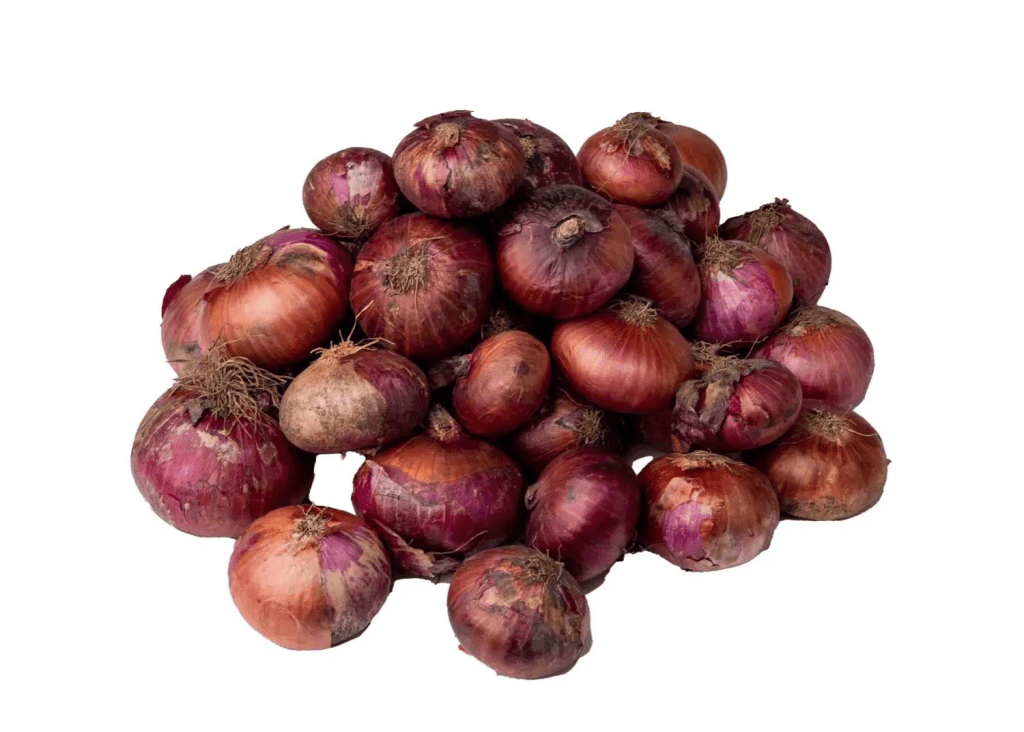
That deep red-purple color is more than visual appeal. It signals the presence of anthocyanins—plant pigments widely studied for their antioxidant activity. Red onions are also well known for quercetin, a flavonoid researched for its potential role in supporting multiple body systems. Add to that sulfur compounds and fiber, and you have a simple ingredient with a surprisingly strong nutrition profile.
Another advantage: red onions are easy to use raw or lightly prepared, which can help preserve more of their naturally occurring compounds compared with long, high-heat cooking.
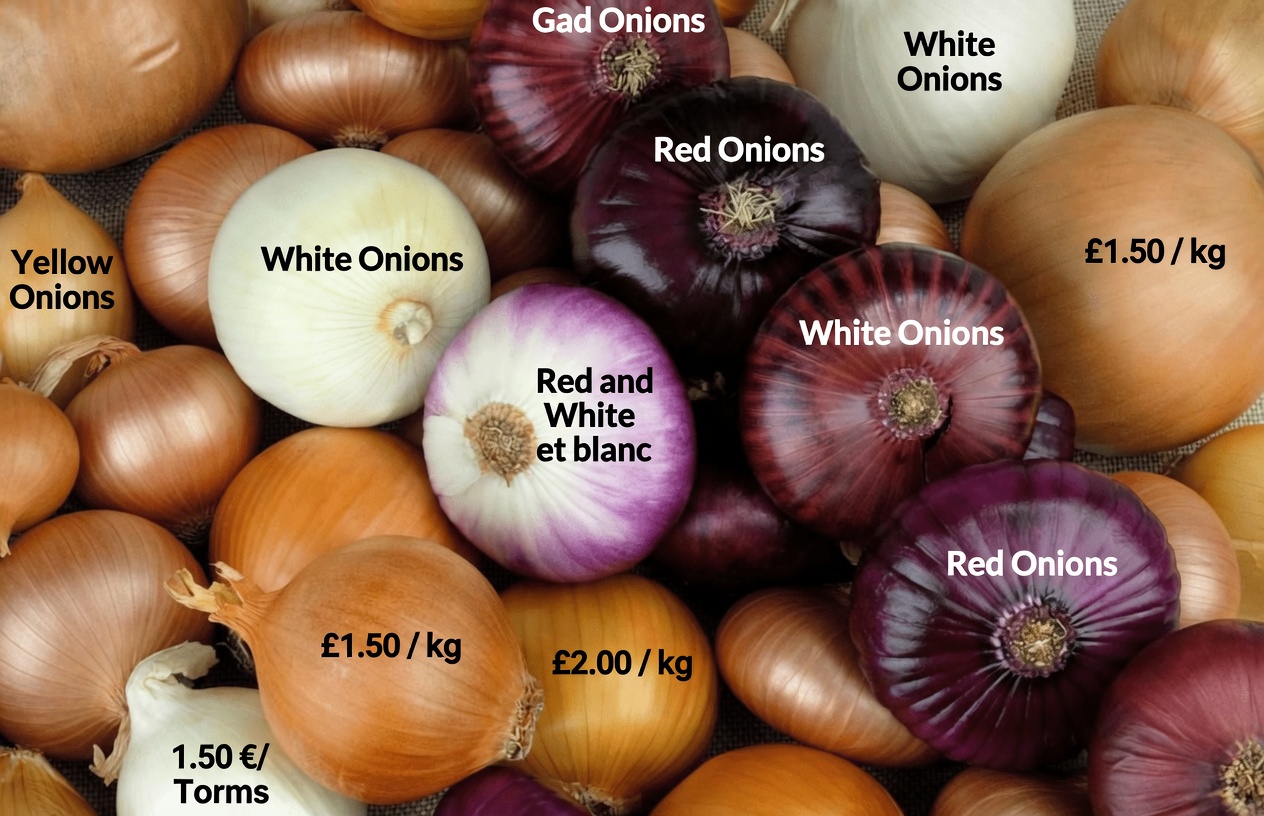
Red Onions vs. White/Yellow Onions (Quick Comparison)
| Feature | White/Yellow Onions | Red Onions | Why It Matters |
|---|---|---|---|
| Quercetin | Moderate | Often higher | Linked to antioxidant-related support |
| Anthocyanins | Minimal | High | Associated with the purple-red color and antioxidant potential |
| Taste | Sharper, more sulfur-forward | Slightly sweeter, tangy | Often easier to enjoy raw or pickled |
| Best uses | Soups, stews, caramelizing | Salads, pickles, quick toppings | Makes consistent use more convenient |
How Red Onions May Support Everyday Wellness
Adding red onions isn’t about chasing a “miracle food.” The real value is how they can support better eating patterns and provide compounds that align with broader wellness goals.
Research (including findings discussed in journals such as the Journal of Medicinal Food) has explored quercetin’s potential role in areas related to carbohydrate metabolism. Meanwhile, the fiber in onions supports digestion and helps you feel full, making mindful portions easier.
Their anthocyanins also contribute antioxidant activity that may help the body manage oxidative stress, which can build over time. This is not an overnight fix—it’s the kind of benefit that tends to come from steady, consistent habits.
Key Areas Where Red Onions May Help (Practical, Day-to-Day)
1) More Stable Energy After Meals
That heavy “post-lunch slump” is a common complaint in midlife. Quercetin has been studied for how it may influence carbohydrate-related pathways, which could be relevant to smoother energy patterns after eating. Even more practically, adding red onions often increases meal satisfaction and fiber intake—two factors that can support steadier eating.
2) Circulation and Vascular Support
Healthy circulation is closely tied to overall vitality. Studies have associated quercetin with mechanisms that support vascular relaxation, which may contribute to better blood flow. This matters for everyday stamina and how efficiently nutrients are transported through the body.
3) Lipid Profile Considerations
Onions provide fiber and sulfur-containing compounds. Some reviews (including work discussed in Phytotherapy Research) have examined onion intake in relation to LDL cholesterol and heart-health markers, especially when onions are part of an overall balanced diet.
4) Antioxidant Support for Daily Stress
With age, the body is exposed to more cumulative stressors—sleep disruption, workload pressure, environmental factors, and more. Anthocyanins add to overall antioxidant intake, helping support the body’s natural defense systems.
5) Supporting a Healthier Inflammatory Balance
Many people describe feeling “lighter” when they regularly eat foods associated with anti-inflammatory patterns. Onion compounds have shown potential in research settings for influencing inflammatory responses. Real-world outcomes vary, but consistent inclusion is a reasonable, low-effort step.
6) Triglycerides and Fat Metabolism Pathways
Triglycerides are often influenced by overall diet quality—especially refined carbohydrate intake. Fiber-rich additions, like red onions, can support more satisfying meals and may align with research exploring fat-metabolism pathways.
7) Better Satiety and Digestion
Red onions offer a crunch that can make simple meals feel complete. Their fiber helps slow digestion, which supports fullness and may reduce the urge to snack soon after eating.
8) Microcirculation and Eye-Related Wellness
Anthocyanins are frequently discussed in the context of microcirculation (small blood vessels), which is one reason they show up in eye-health conversations. While red onions aren’t an “eye supplement,” consistent vegetable intake—including anthocyanin-rich foods—may indirectly support screen-heavy lifestyles.
The Keystone Habit Most People Miss: Red Onions Make Healthy Meals Taste Better
Here’s the overlooked advantage: red onions can function as a “trigger ingredient” for better meals.
When you keep them ready to use—sliced, quick-pickled, or lightly roasted—you’re far more likely to build meals around:
- salads and grain bowls
- lean proteins and roasted vegetables
- beans, lentils, and Mediterranean-style plates
When healthy food tastes more exciting, consistency becomes easier—and consistency is what drives long-term results.
3 Simple Ways to Add Red Onions to Your Routine
-
Quick-Pickled Red Onions (Fast Flavor Upgrade)
- Thinly slice red onion and pack into a jar.
- Cover with warmed apple cider vinegar and a pinch of salt.
- Refrigerate 12–24 hours.
- Use on salads, tacos, bowls, or grilled proteins.
-
Raw Slices with Citrus (Mellows the Bite)
- Slice thinly and toss with lemon (or lime) juice and a little salt.
- Let sit for a few minutes.
- Add to sandwiches, greens, or grain bowls.
-
Lightly Roasted (Tender-Crisp, Not Mushy)
- Toss onion slices with olive oil and herbs.
- Roast at 400°F / 200°C for 10–15 minutes.
- Pair with roasted vegetables, fish, chicken, or tofu.
Choose one method to start. The easiest habit is the one you’ll repeat.
Common Mistakes to Avoid
- Overcooking until very soft: Long cooking can change texture and may reduce some beneficial compounds. Aim for raw, pickled, or lightly cooked when possible.
- Eating large amounts on an empty stomach (if sensitive): Onions can cause discomfort for some people. Start small and test tolerance.
- Expecting instant results: Benefits come from routine. Think in weeks, not days.
Beginner-Friendly Recipe: Quick-Pickled Red Onions
Ingredients
- 1–2 red onions
- 1 cup apple cider vinegar
- Pinch of salt
- Optional: a small amount of sweetener (to taste)
Steps
- Slice onions into thin half-moons.
- Pack them into a clean glass jar.
- Warm vinegar with salt (and optional sweetener), then pour over onions.
- Refrigerate for 12–24 hours.
- Add small amounts to meals as a bright, tangy topping.
Use and Safety Notes
- Store fresh onions in a cool, dry place; refrigerate cut onions in a sealed container.
- If you have digestive conditions (or follow a low-FODMAP approach), start with very small portions.
- For medical conditions or medication interactions, consult a qualified clinician for personalized guidance.
Conclusion: Small Changes That Build Real Stability
Red onions are an easy, affordable way to make meals more satisfying while adding fiber and plant compounds linked to antioxidant support and metabolic-friendly eating patterns. Try including them daily for one week—on salads, bowls, or proteins—and pay attention to how your energy and appetite respond. Often, stability improves quietly through consistency.
Optional twist: add garlic and oregano to your pickling jar for a more family-friendly, Mediterranean-style flavor.
Frequently Asked Questions
What are the easiest ways to eat red onions every day?
- Add quick-pickled red onions to lunch bowls or salads
- Use raw slices with lemon on sandwiches
- Toss into bean salads or chickpea bowls for extra crunch
Are red onions better raw or cooked?
Both can work, but raw, lightly roasted, or pickled options often help preserve more of their natural compounds and keep texture appealing.
Can red onions help with afternoon energy crashes?
They may help indirectly by improving meal quality (more fiber, more satisfaction) and by contributing compounds like quercetin that are studied in carbohydrate-related pathways. Results vary by person and overall diet.
How long do quick-pickled red onions last?
Typically 1–2 weeks in the refrigerator in a sealed jar, as long as they stay submerged and are handled with clean utensils.