
You may love the warm, spicy kick of chewing cloves after meals—an easy ritual many people use to freshen breath and feel lighter after eating. But because cloves are highly concentrated, it’s surprisingly common to overuse them without realizing it. Over time, that “helpful” habit can turn into irritation, mouth discomfort, or digestive upset.
Stay with this guide to learn the biggest mistake people make with chewing cloves, how to use them more safely, and a gentle alternative at the end that may replace the habit altogether.

Why Chewing Cloves Feels So Effective
Cloves have a long history in traditional wellness practices across many cultures, largely because of their strong aroma and naturally active compounds. One of the most studied is eugenol, which has antibacterial properties—a key reason cloves are often used for breath support.
Many people also notice a mild numbing sensation in the mouth and assume it means the clove is “working.” The catch is that chewing a whole clove delivers a much stronger, more direct exposure than using cloves as a cooking spice. What starts as a pleasant tingle can slowly become irritation if the habit is repeated too often or for too long.
If you’ve ever felt subtle burning, increased sensitivity, or mild soreness after regular use, you’re not imagining it—those are common early warning signs.
Why People Chew Cloves—and Where It Can Backfire
Most people chew cloves for simple, practical reasons:
- To feel fresher after meals
- To temporarily soothe gums
- To support digestion in a traditional, herbal way
In small amounts, this can be reasonable. The problem usually isn’t the clove itself—it’s frequency and dose. Because cloves are potent, chewing them repeatedly can expose the mouth and stomach to more eugenol than your body tolerates comfortably.
Over time, ignoring small signals (like mild burning or stomach discomfort) can turn a “natural” routine into an ongoing annoyance.

The Biggest Mistake: Too Much, Too Often, or Too Long
A common pattern looks like this: someone starts chewing multiple cloves daily because it feels helpful at first—then gradually notices mouth burning, gum tenderness, or indigestion.
The most frequent error is:
- Chewing more than 1–2 cloves per day
- Keeping cloves in the mouth far longer than needed
- Swallowing whole cloves or doing multiple chewing sessions daily
Because eugenol can be irritating when overexposed, repeated chewing may contribute to:
- Gum and oral tissue irritation
- Increased sensitivity
- Mouth sores or a “burned” feeling
- Stomach upset, including nausea, heartburn, or indigestion
Some reports and clinical notes also mention that, in larger or more concentrated exposures, clove compounds may influence blood thinning or blood sugar regulation—effects that are uncommon in normal food use but more relevant when cloves are used heavily and directly.
The tricky part is that overuse often doesn’t cause immediate problems. It can build gradually, which makes it easy to miss until discomfort becomes routine.
How to Chew Cloves More Safely (If You Want to Keep the Habit)
If you enjoy chewing cloves, a moderation-based approach can help you keep the aroma and freshness while lowering the risk of irritation.
Use these safer guidelines:
- Use 1 whole clove at a time (avoid exceeding 2 total per day)
- Chew gently for 5–10 minutes maximum, then spit it out
- Rinse your mouth with water afterward to remove residue
- Choose high-quality cloves (many people prefer organic to reduce unwanted additives)
This method emphasizes control: less exposure, shorter contact time, and more awareness of how your body reacts.
Gentler Alternatives That Still Deliver the “Clove Benefit”
If chewing feels too intense—or if you’ve noticed sensitivity—these options often work better because they reduce prolonged contact with oral tissue.
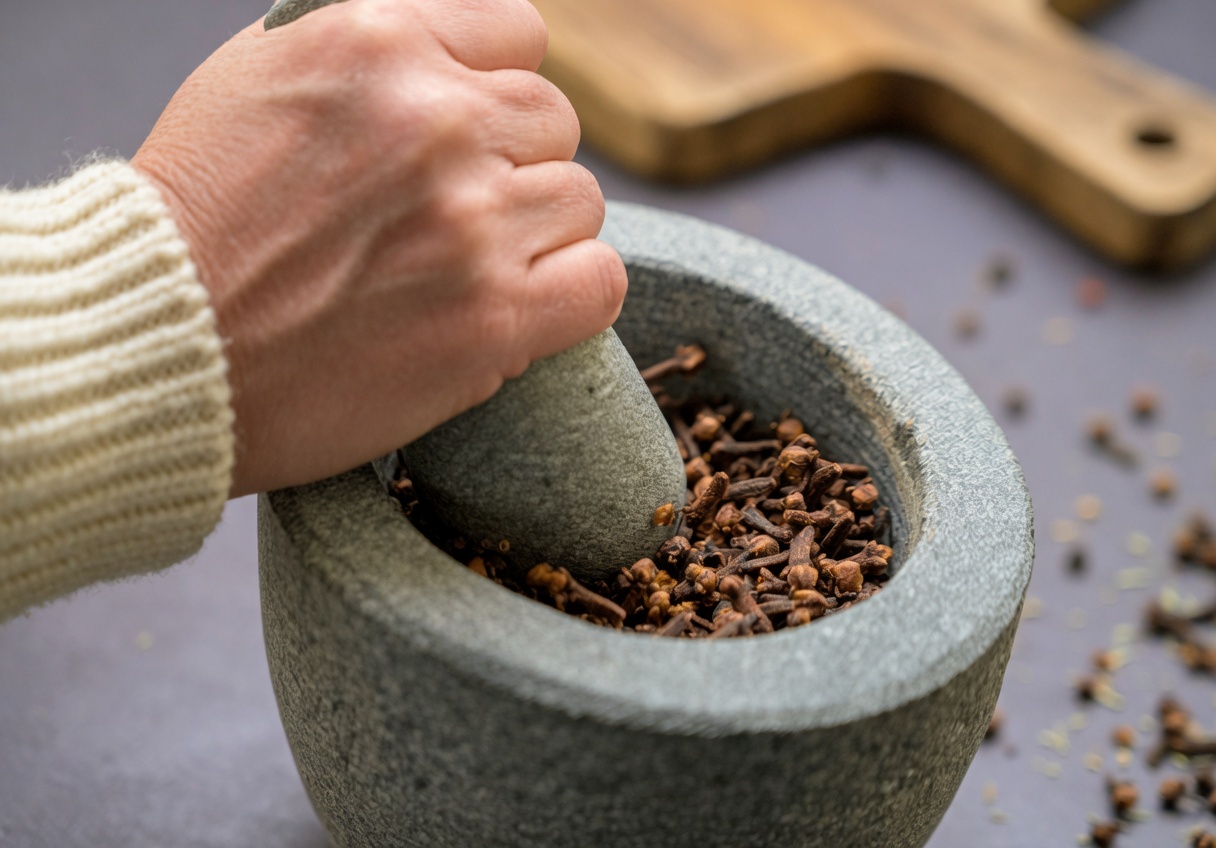
Alternative #1: Clove-Infused Water or Tea
Instead of chewing, try steeping cloves:
- Crush 1–2 cloves
- Add to hot water
- Steep for 5–10 minutes, then sip
This gives you the flavor and many antioxidant compounds in a more diluted form, which many people find easier on the mouth and stomach.
Alternative #2: Add Cloves to Food (The Most Sustainable Option)
Using cloves in meals spreads out exposure and avoids the concentrated “hit” from chewing. Try a small pinch of ground clove in:
- Oatmeal or yogurt
- Rice or stews
- Smoothies (very little goes a long way)
This approach supports dietary antioxidant intake without the higher irritation risk of direct chewing.
Alternative #3: Diluted Clove Oil for Targeted Oral Use
For occasional, specific needs (like minor tooth sensitivity), some people use clove oil—but it must be handled carefully:
- Always dilute with a carrier oil
- Apply with a cotton swab (small area only)
- Avoid swallowing
- Never use undiluted oil directly on gums
If you have diabetes, take blood thinners, or have a bleeding disorder, it’s especially important to consult a clinician before using clove oil regularly.
Quick Comparison: Common Mistake vs. Safer Approach
-
Daily amount
- Mistake: 3+ cloves or repeated sessions
- Safer: 1 clove (max 2/day), occasional use
-
Chewing time
- Mistake: 15–30+ minutes or swallowing whole
- Safer: 5–10 minutes, then discard
-
Frequency
- Mistake: every day without breaks
- Safer: 3–5 days/week, monitor symptoms
-
Mouth protection
- Mistake: no rinse, prolonged contact
- Safer: rinse afterward, keep exposure brief
Practical Steps You Can Start Tonight
- Start small: Try just one clove, briefly, to test tolerance
- Pay attention: Stop if you notice burning, soreness, or stomach discomfort
- Rinse and hydrate: Water after use helps reduce lingering residue
- Get personalized guidance: If you take medications or manage chronic conditions, check with a healthcare professional
Conclusion: Enjoy Cloves Mindfully—Or Switch to a Softer Option
The main issue with chewing cloves isn’t that cloves are “bad”—it’s that overdoing them can cause unnecessary irritation and digestive discomfort. By limiting quantity, shortening chewing time, rinsing afterward, and using alternatives like tea or cooking with cloves, you can keep the benefits while reducing risk.
Surprising alternative to change your routine: fennel seeds. Chewing fennel after meals offers gentle freshness and a mild digestive-friendly tradition—often without the intense bite that cloves can bring.
FAQ
What is a safe daily amount of cloves to chew?
Many people tolerate 1–2 whole cloves per day, chewed briefly (not continuously all day). Consider taking breaks during the week and watch for sensitivity.
Can chewing cloves interact with medications?
It may, especially for people using blood thinners or managing blood sugar. Consult a healthcare provider before making cloves a daily practice.
What signs mean I should stop chewing cloves?
Stop or reduce use if you notice mouth burning, gum soreness, ulcers, increased sensitivity, heartburn, or nausea. Seek professional guidance if symptoms persist.
Disclaimer: This article is for informational purposes only and does not replace professional medical advice. Always consult a qualified healthcare provider for personalized recommendations.