Everyday Wellness in a Busy World: Could Two Garlic Cloves Make a Difference?
Modern life often comes with low-grade tiredness, occasional digestive unease, and the constant goal of staying well through seasonal shifts. Over time, these small issues can stack up—especially when convenience foods dominate your plate and consistent healthy routines feel hard to maintain.
One surprisingly simple experiment is adding a familiar kitchen ingredient—garlic—to your day. It’s not a miracle cure, but it may offer gentle, measurable support in several areas of daily wellness. And by the end, you’ll see how these effects can connect into one bigger “ripple effect.”
Understanding Garlic’s Role in Daily Wellness
Garlic has been used in traditional wellness practices for generations, and modern interest centers on its distinctive bioactive compounds. The most talked-about is allicin, a sulfur-based compound that forms when fresh garlic is chopped or crushed.
Research discussed by sources such as the National Institutes of Health (NIH) suggests garlic may interact with multiple body systems in ways that support overall well-being—though results depend on the individual. A practical approach many people explore is a modest habit: two garlic cloves per day, which fits easily into most routines without feeling extreme.
Next, here are nine changes people often look for when they consistently include garlic.
9. Subtle Immune Support
During busy seasons, even minor disruptions can throw off your schedule. Some people report feeling more “steady” after regularly consuming garlic. Reviews in publications such as the Journal of Nutrition describe how garlic compounds may help influence immune activity, partly by supporting the body’s response to oxidative stress.
This doesn’t guarantee you’ll avoid seasonal issues, but it may help some people navigate transitions more smoothly.
8. Potential Help With Blood Pressure Balance
If you track cardiovascular health, small dietary choices can feel meaningful. Findings summarized in Hypertension Research suggest garlic may support blood vessel relaxation, which can contribute to modest improvements in blood pressure—particularly in people starting with higher readings.
Evidence comes from controlled studies, although researchers still call for more long-term data.
7. A Gentle Effect on Cholesterol Markers
Routine lab results can be a wake-up call, especially when cholesterol numbers drift upward. Clinical trials summarized in the American Journal of Clinical Nutrition indicate garlic intake may contribute to small reductions in total cholesterol and LDL, and in some cases support HDL over a period of weeks.
These shifts are typically moderate, but they can complement a balanced eating plan.
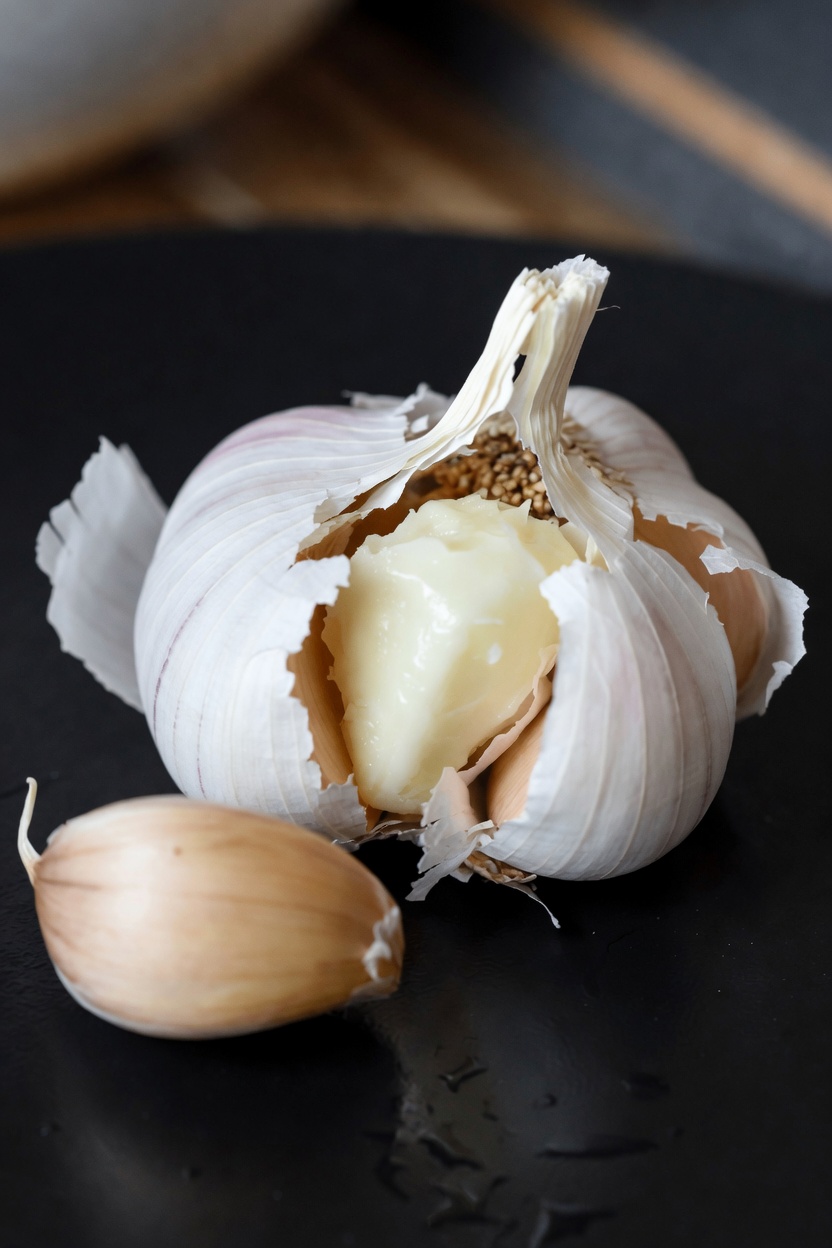
6. Supporting Everyday Inflammation Control
After long days or physical activity, lingering discomfort can affect both mood and motivation. Garlic contains antioxidant compounds that studies (including those discussed in the journal Antioxidants) associate with reducing free-radical activity—one driver linked to inflammatory processes.
Many people describe this as a subtle improvement in general comfort and recovery.
5. Encouraging More Stable Energy
Afternoon energy crashes can derail focus and productivity. Research in Diabetes Research and Clinical Practice suggests garlic may play a role in glucose regulation, which could support more even energy patterns rather than sharp highs and lows.
This is not a stimulant effect—more of a steadying influence compared with quick fixes like caffeine.
4. Improving Digestive Comfort
With today’s diets, post-meal bloating and heaviness are common complaints. Garlic is often described as having prebiotic-like properties, meaning it can help nourish beneficial gut microbes—an area gaining attention in modern digestive health research.
For some, this translates into feeling lighter after meals and experiencing more consistent digestive comfort.
3. Supporting Natural Detox Pathways
Environmental exposures can accumulate, and the body relies on its own built-in detox systems to manage them. Some limited findings, including discussions in Environmental Health Perspectives, suggest garlic’s sulfur compounds may help the body handle certain heavy metals in a supportive way.
This effect is generally considered modest—better viewed as supportive maintenance rather than dramatic detoxification.
2. Boosting Antioxidant Defenses
As people age, protecting cells from oxidative wear-and-tear becomes more important. Research in Free Radical Biology and Medicine links garlic intake with enhanced activity of protective enzymes such as superoxide dismutase, which help reduce oxidative damage.
Over time, stronger antioxidant defenses may show up as subtle improvements in how you feel day to day.
1. Overall Vitality and Resilience (The “Ripple Effect”)
When you stack these potential benefits—immune steadiness, cardiovascular support, digestion, energy balance, and antioxidant protection—the outcome many people describe is a broader sense of vitality.
Garlic’s sulfur compounds and nutrients may work across multiple systems at once, which is why the experience can feel cumulative. Still, it’s not universal: responses vary based on diet, stress, sleep, and underlying health conditions.
Practical Ways to Add 2 Garlic Cloves to Your Routine
If you want to try two cloves a day, keep it simple and consistent:
-
Choose fresh garlic
- Pick firm, plump bulbs.
- Skip pre-minced garlic if your goal is maximum freshness.
-
Crush or chop the cloves
- Peel two cloves, then crush them with the flat side of a knife.
- Let them rest about 10 minutes to help allicin form.
-
Use a method you’ll actually stick with
- Swallow with water (if tolerated), or
- Chop and mix into food such as salads, yogurt, or dips.
-
Start slowly and listen to your body
- If you’re new to raw garlic, begin with one clove.
- Notice any stomach sensitivity and drink enough water.
-
Keep it enjoyable
- Rotate recipes and flavors so consistency feels easy.
Quick, Easy Ideas
- Mix crushed garlic with honey to soften the bite.
- Add minced garlic to vinaigrettes for salads.
- Blend a small amount into fruit smoothies to mask the flavor.
- Stir into soups right before serving to preserve more active compounds.
- Combine with olive oil and spread on toast for a simple snack.
Garlic vs. Common Alternatives (At a Glance)
| Aspect | Garlic’s Potential Contribution | Compared to Typical Alternatives |
|---|---|---|
| Immune support | Sulfur compounds may help manage oxidative stress | Often gentler than high-dose supplements |
| Heart markers | May modestly support lipids and blood pressure | A natural add-on to lifestyle changes |
| Antioxidant activity | Can support protective enzyme function | Works well alongside a vegetable-rich diet |
| Digestion | Prebiotic-like support for gut microbes | Usually milder than fiber pills |
| Energy stability | May support glucose balance | Subtle alternative to relying on caffeine |
Conclusion: A Simple Habit Worth Exploring
Eating two garlic cloves daily may be an easy, low-cost way to explore gradual improvements in immune resilience, digestive comfort, antioxidant defenses, and steadier energy. Results vary, but the potential “stacking effect” is what makes garlic so interesting as part of a balanced wellness routine.
Consistency matters—and so does paying attention to how your body responds.
Frequently Asked Questions (FAQ)
What are easy ways to eat two garlic cloves a day?
Crush and swallow with water, mix into salad dressings, stir into yogurt-based sauces, or blend into smoothies. If you’re sensitive, start with one clove and increase gradually.
Is raw garlic better than cooked garlic?
Raw garlic typically preserves more allicin-related activity, while cooked garlic may be easier on digestion. Both can be valuable depending on your tolerance and preferences.
Can garlic interact with medications?
Yes. Garlic may interact with blood thinners and some other medications or supplements. If you take prescription drugs or have a medical condition, consult a qualified healthcare professional before significantly increasing your garlic intake.