
Subtle Changes That May Matter More Than You Think
Many people notice small shifts in bowel habits or energy and chalk them up to stress, food choices, getting older, or common issues such as hemorrhoids. Because these changes can be mild and come on slowly, they’re easy to ignore for months. The problem is that colorectal cancer can develop with few or no clear symptoms early on, when treatment tends to be most effective.
The good news: taking persistent symptoms seriously and seeking timely medical advice can lead to earlier evaluation. And one evidence-backed habit—routine screening—remains one of the most powerful prevention tools available.

Why Colorectal Cancer Deserves Attention Now
Colorectal cancer is among the most common cancers worldwide and is the second leading cause of cancer-related death in the United States. Data summarized by organizations such as the American Cancer Society (ACS) shows that many cases progress quietly in the early, most treatable stages—meaning people may feel “mostly fine” until the disease is more advanced.
Survival outcomes show why early action matters:
- When colorectal cancer is found localized (limited to the colon or rectum), the 5-year relative survival rate is about 91%.
- When it spreads to distant organs, survival drops dramatically to roughly 13–16%.
These statistics (often reported through large datasets such as SEER and ACS summaries) reinforce a clear point: recognizing potential warning signs and discussing them promptly with a clinician can change outcomes.
Next are the symptoms healthcare professionals consistently recommend not dismissing.
1. Blood in or on the Stool (A Common Early Red Flag)
Seeing blood is one of the most frequent reasons people finally book an appointment—and it should be taken seriously.
- Bright red blood may indicate bleeding in the lower colon or rectum.
- Dark, tarry, or black stool can suggest bleeding higher in the digestive tract.
- Even small streaks, specks, or occasional blood are worth tracking.
Hemorrhoids and small tears are common explanations, but blood should not be automatically assumed “harmless,” particularly for adults 45+ or those with additional risk factors. Low-level bleeding can also be subtle enough to miss until it affects lab results.
2. Ongoing Changes in Bowel Habits That Don’t Resolve
A noticeable change that persists—especially without a clear trigger—deserves attention.
Common patterns include:
- Diarrhea that continues or worsens
- New or increasing constipation
- Feeling like the bowel doesn’t fully empty
- Alternating between constipation and diarrhea
- Narrow, pencil-thin, or ribbon-like stool
If changes last more than a few weeks, and you can’t connect them to new medications, illness, or major diet shifts, it’s time to talk with a healthcare provider. The ACS highlights bowel-pattern changes as a key symptom because tumors can gradually alter bowel function—often so slowly that people adapt until symptoms become disruptive.
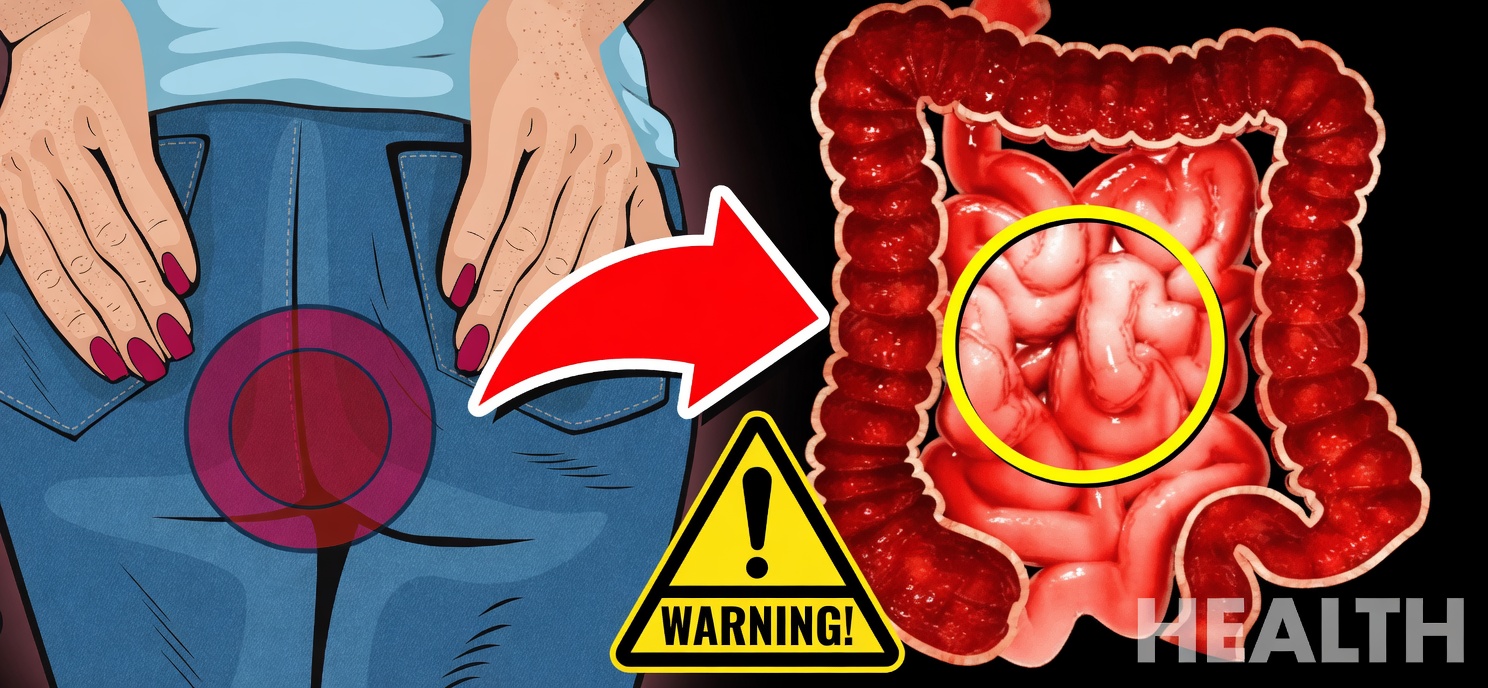
3. Persistent Abdominal Discomfort or Pain
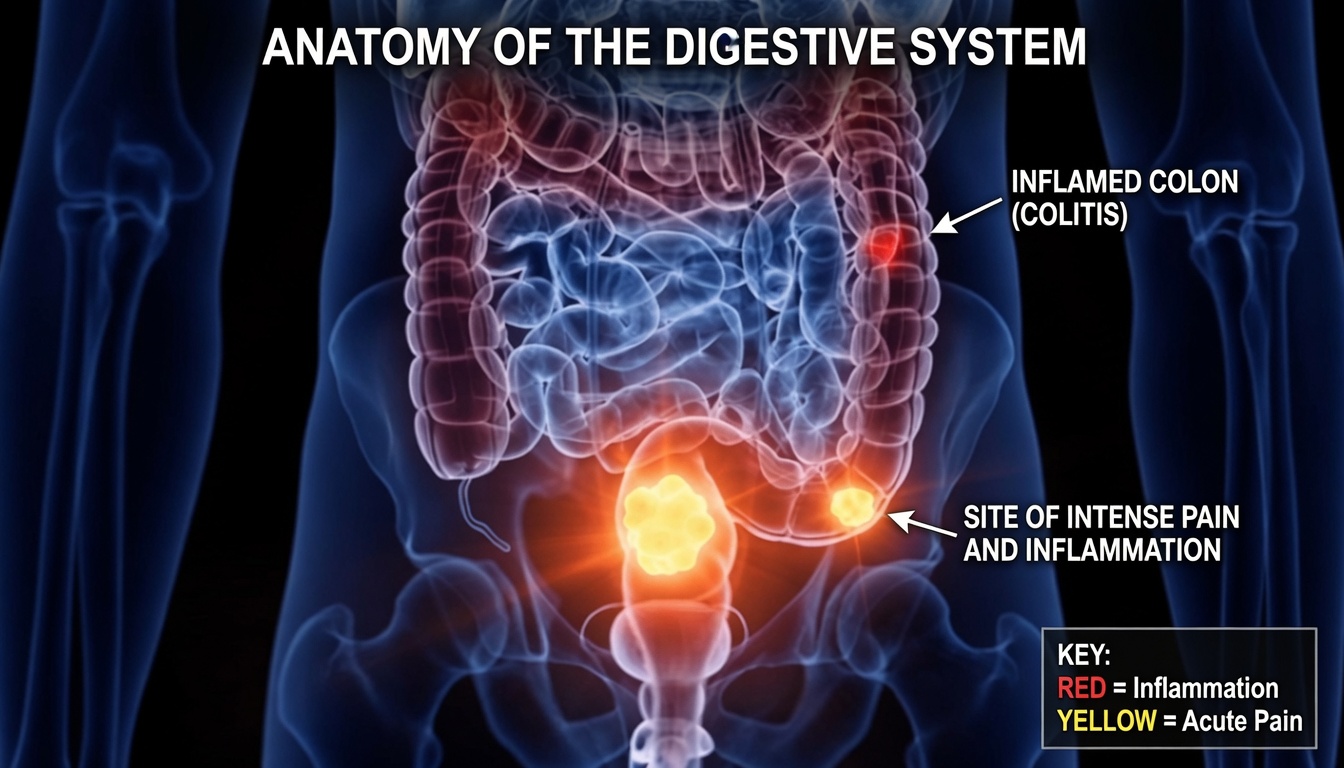
Everyone gets occasional gas or indigestion. What stands out is discomfort that lingers or returns repeatedly.
It may feel like:
- Ongoing cramping or bloating
- A sense of fullness after eating very little
- Pain that returns or intensifies after meals
- A dull, nagging ache in the abdomen
Many people tolerate these sensations for months. Clinical resources (including Mayo Clinic guidance) emphasize that persistent abdominal symptoms—especially alongside other warning signs—should be evaluated.
4. Unexplained Weight Loss
Losing weight without trying isn’t something to shrug off, particularly after midlife.
Possible reasons cancer can contribute include:
- Reduced appetite
- Feeling full quickly
- Changes in metabolism and nutrient processing
A general benchmark: losing about 5–10% of body weight within 6–12 months without intentional diet or activity changes warrants medical review.
5. Ongoing Fatigue and Weakness That Rest Doesn’t Fix
This isn’t normal end-of-day tiredness. People often describe a deep, persistent fatigue that doesn’t match their schedule or sleep.
One common cause is anemia from slow blood loss, which can develop gradually and feel like constant low energy, weakness, or shortness of breath with routine activity.
6. Iron-Deficiency Anemia With No Clear Explanation
Iron-deficiency anemia can be an important hidden clue, especially in:
- Men
- Postmenopausal women
It’s often found during routine bloodwork. Because tiny blood losses can happen over a long period, iron stores may decline slowly—sometimes for years—before the cause is identified.
7. A New Lump or Swelling in the Abdomen
This is less common, but still important: noticing a new firm mass or swelling in the lower abdomen can be linked to tumor growth or nearby lymph node changes. Any new lump should be assessed by a clinician.
8. Possible Bowel Obstruction Symptoms (More Advanced)
If a tumor blocks the bowel, symptoms can escalate quickly and require urgent care, including:
- Severe constipation that doesn’t improve
- Significant abdominal pain and bloating
- Vomiting
- Inability to pass gas
This is a medical emergency—seek immediate evaluation.
Quick Symptom Checklist (Save or Print)
- Any blood in stool (bright red, dark, or tarry/black)
- Bowel habit changes lasting weeks
- Persistent abdominal pain, cramping, or bloating
- Unexplained weight loss
- Ongoing extreme fatigue or weakness
- Iron-deficiency anemia without a clear cause
- A new abdominal lump or swelling
- Sudden severe constipation, vomiting, or inability to pass gas
When to See a Doctor: A Simple Action Plan
A practical rule: if a symptom persists for 2–4 weeks, make an appointment with your primary care provider.
Be especially proactive if you have:
- Age 45+ (USPSTF and CDC guidance supports routine screening starting at 45 for average-risk adults)
- A family history of colorectal cancer or polyps
- A personal history of inflammatory bowel disease
- Lifestyle risk factors such as smoking, heavy alcohol use, obesity, and diets high in red/processed meat and low in fiber
Many of these symptoms often turn out to have benign causes—but only a medical evaluation can confirm what’s going on.
Practical Steps You Can Start Today
- Track symptoms for two weeks: note timing, stool changes, pain, and any blood (even small amounts).
- Clarify family history: record colorectal cancer, polyps, and ages at diagnosis in close relatives.
- Schedule a check-up promptly: share how long symptoms have been present.
- Discuss screening: if you’re 45+, ask about options like colonoscopy or stool-based tests—even if you feel well.
- Support gut health with everyday habits: increase fiber-rich foods, stay physically active, and reduce red/processed meat intake.
Key Takeaways + FAQ
Colorectal cancer often develops gradually, sometimes without obvious early symptoms. That’s why consistent awareness, timely medical conversations, and routine screening are so important.
FAQ
-
What are the earliest signs of colorectal cancer?
Early stages may cause no symptoms. When signs do appear, they can include persistent bowel changes, blood in stool, and unexplained fatigue, as noted by organizations such as the American Cancer Society. -
When should colorectal cancer screening start?
For average-risk adults, major guidelines recommend starting at age 45. Common options include a colonoscopy (often every 10 years) or stool-based testing (often yearly), depending on the test and individual risk. -
Can lifestyle changes reduce colorectal cancer risk?
Yes. Maintaining a healthy weight, eating a fiber-rich diet, staying active, avoiding smoking, limiting alcohol, and—most importantly—keeping up with screening can meaningfully support prevention.
Your body often gives quiet signals before it gives loud ones. Noticing patterns early can make all the difference.
Medical Disclaimer
This article is for informational purposes only and does not replace professional medical advice. If you have any symptoms listed above, contact a qualified healthcare provider as soon as possible. Early evaluation can be lifesaving—don’t postpone care due to fear or embarrassment.