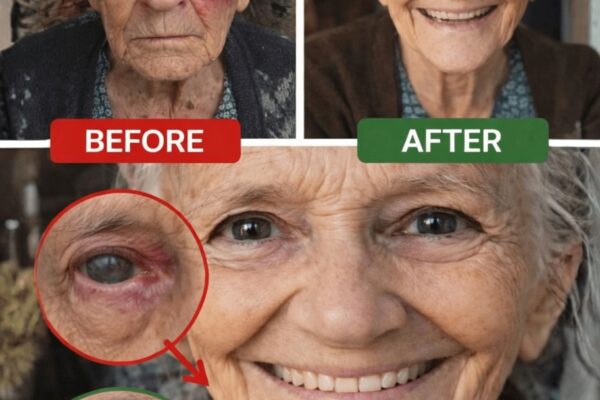
Tired-Looking Eyes in the Morning: A Common Frustration
Waking up with under-eye skin that looks dull or puffy can be discouraging—especially when long workdays, short nights, and environmental stress make the eye area seem less refreshed. Because the skin around the eyes is thin and sensitive, it often shows fatigue first, which can affect how confident you feel about your appearance.
If you’re looking for simple, natural options that don’t require a major shopping trip, everyday staples can be worth exploring. One ingredient that keeps showing up in skincare conversations is used coffee grounds—and there’s an unexpected sustainability angle connected to it that goes beyond beauty.

Why Coffee Grounds Are Trending in Skincare
Coffee grounds have become increasingly popular in DIY skincare routines, largely because they’re easy to access and typically already available at home. Social media has also helped this idea spread, with people sharing low-effort ways to reuse what would otherwise be thrown away.
Another reason this trend resonates is the sustainability factor: reusing coffee grounds supports low-waste habits and appeals to people trying to reduce daily household waste.
Scientific interest adds to the curiosity. Publications such as the Journal of Cosmetic Dermatology have discussed topical ingredients like caffeine, which helps explain why so many people are experimenting with coffee-based applications.
How Caffeine May Support the Look of Skin
Caffeine is one of the best-known active compounds in coffee, and it’s often referenced in skincare for how it may affect the appearance of skin when used topically. Cosmetic research suggests caffeine can interact with the skin in ways that may offer temporary visible improvements, which is why it appears in various eye serums and under-eye products.
One commonly discussed benefit is that caffeine may support short-term circulation-related effects, which can influence the way the under-eye area looks.
That said, outcomes are personal—skin type, sensitivity, and routine consistency can all affect results. Treat it as something to test carefully rather than a guaranteed fix.
What’s Inside Coffee Grounds That Makes Them Interesting for Skincare?
Coffee grounds contain several elements that DIY skincare fans look for:
- Caffeine: widely known for its stimulating properties
- Antioxidants: compounds associated with protection against everyday environmental stress
- Natural texture: can provide gentle exfoliation when used appropriately and carefully
Antioxidants in Coffee and Why They Matter
Coffee contains antioxidants that help counter oxidative stress, a process linked with free radicals—unstable molecules that may contribute to visible skin aging over time.
Dermatology-focused research, including discussions in journals like the International Journal of Molecular Sciences, has explored how antioxidants can support the skin’s natural protective systems. Coffee’s polyphenols are part of this conversation.
Some of these compounds are also associated with supporting skin processes related to firmness and texture, including collagen maintenance. Still, no single ingredient replaces the value of a consistent, balanced skincare routine.
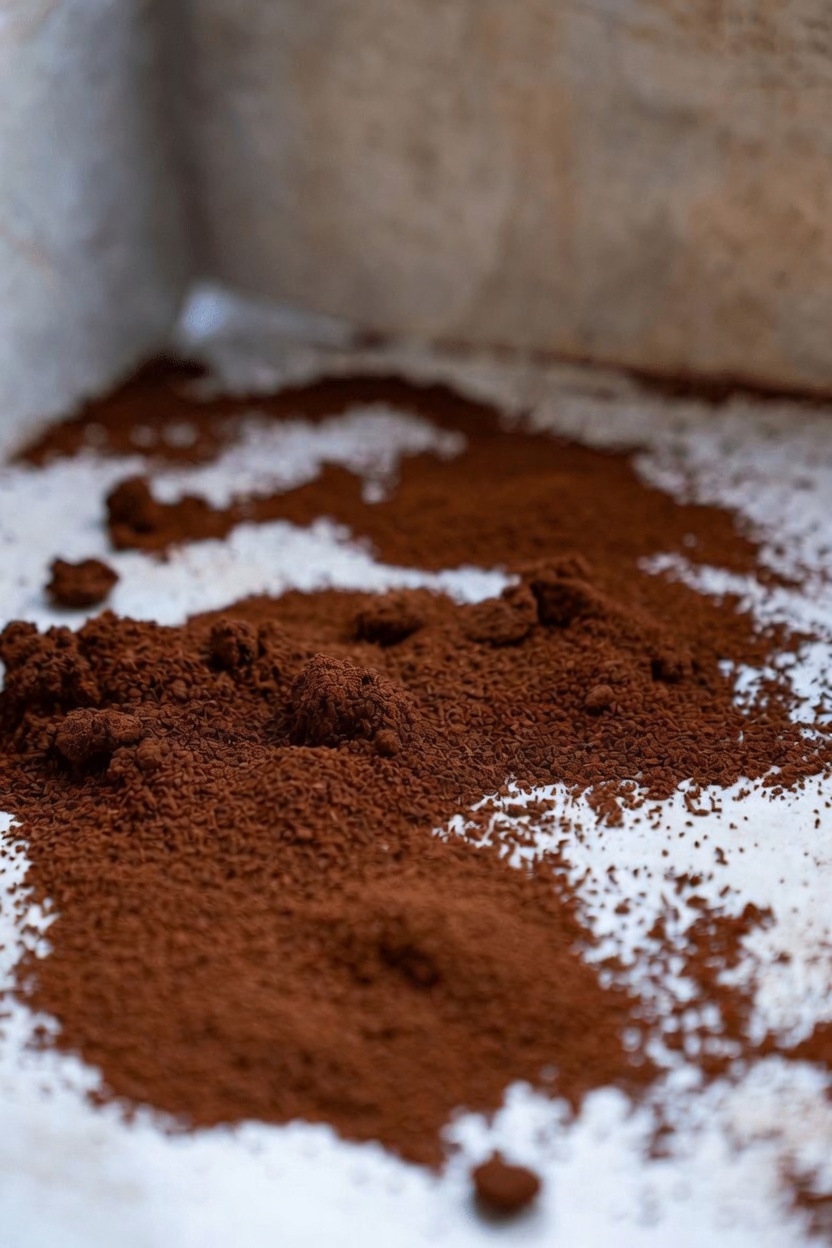
Choosing the Right Coffee Grounds for Under-Eye Use
Not all coffee grounds feel the same on skin. If you’re considering using them near the under-eye area, selection matters.
General guidelines people often follow include:
- Choosing fine grounds to reduce the risk of a scratchy feel
- Considering organic coffee if you want to avoid possible additives
- Using clean, cooled grounds (especially if they were brewed at home)
Some food science discussions suggest darker roasts may contain higher antioxidant levels, though what matters most is how your own skin responds.
Quick Comparison: Coffee Ground Options
| Type of Coffee Grounds | Potential Benefits | Considerations |
|---|---|---|
| Organic, finely ground | Fewer unwanted additives; gentler texture | Often costs slightly more |
| Dark roast | Often associated with higher antioxidants | Stronger scent |
| Used vs. fresh | Supports reuse and low-waste habits | Must be clean and cooled |
How to Apply Coffee Grounds Under the Eyes (Step by Step)
If you want to try a coffee ground under-eye application, keep it gentle and simple:
- Start with clean, used coffee grounds from your brew (fully cooled).
- Mix a small amount with water or a neutral oil to create a soft paste.
- Using clean fingers, apply lightly under the eyes—avoid direct contact with the eyes.
- Leave it on for 10–15 minutes.
- Rinse with lukewarm water, then pat dry gently.
A common approach is using this 2–3 times per week. Before applying near the face, do a patch test on your arm to check for sensitivity.
Practical Safety Tips
- Only use cooled grounds to avoid discomfort
- Pat dry with a soft towel instead of rubbing
- If your skin feels dry, pair the mixture with a hydrating ingredient
Popular DIY Coffee Ground Mask Combinations
DIY skincare fans often blend coffee grounds with simple kitchen staples to customize the feel:
- Coffee + honey: often used for a more moisturizing texture
- Coffee + yogurt: popular for a cooling, soothing sensation
- Coffee + aloe vera gel: a common option for those who prefer a lighter, calming blend
Many people enjoy these as part of an evening wind-down routine, turning skincare into a small, relaxing ritual.
What Results Can You Realistically Expect?
People who incorporate coffee grounds into their under-eye routine often report subtle, gradual changes in how refreshed the area looks—especially when used consistently and paired with basics like quality sleep and hydration.
Research supports that natural ingredients can complement skincare habits, but outcomes vary widely based on lifestyle factors such as:
- sleep quality
- diet and hydration
- stress levels
- skin sensitivity and baseline dryness
The main advantage for many users is that it’s a low-cost, easy-to-try addition rather than a high-commitment product purchase.
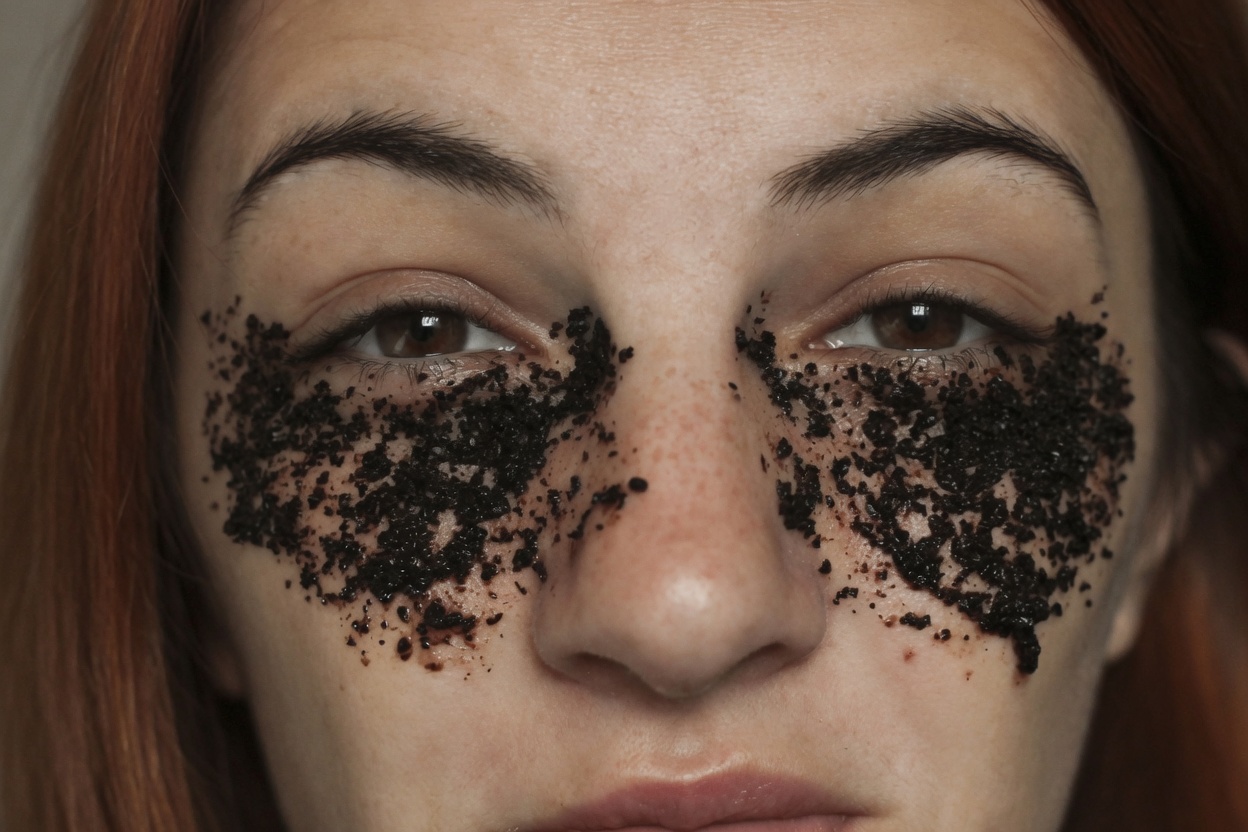
Real-World Experiences Shared Online
Across reviews, forums, and social posts, users describe different experiences. Some say the under-eye area looks more awake after a few uses, while others simply enjoy the ritual as part of weekly self-care.
Before-and-after photos are commonly shared, offering a range of perspectives—though it’s important to remember that lighting, angles, and individual skin differences can change how results appear.
What Experts Commonly Emphasize About Coffee in Skincare
Many dermatology professionals acknowledge that natural skincare approaches can be reasonable when done carefully, especially with patch testing and gentle application.
Research discussed in sources such as Clinical, Cosmetic and Investigational Dermatology has explored the general topical safety profile of caffeine, which helps explain its presence in many commercial skincare formulas.
Most expert guidance tends to focus on:
- avoiding overuse to reduce irritation risk
- pairing experiments with hydration and sunscreen
- stopping use if redness, stinging, or discomfort appears
Mistakes to Avoid When Using Coffee Grounds Near the Eyes
Common issues tend to come from being too aggressive or using the wrong texture.
Avoid these pitfalls:
- using coarse grounds that may feel abrasive
- applying too frequently without giving skin time to recover
- rubbing the under-eye area vigorously
Simple Dos and Don’ts
- Do: cleanse skin before application
- Don’t: scrub or press hard
- Do: rinse thoroughly
- Don’t: apply on irritated skin or near open cuts
If dryness happens, pause and focus on moisturizing until the skin feels comfortable again.
Alternatives If Coffee Grounds Don’t Work for You
If coffee grounds aren’t a good fit, other common under-eye options include:
- cooled tea bags for a calming, cooling effect
- cucumber slices for refreshing hydration and comfort
- store-bought eye products containing hyaluronic acid for targeted moisture support
If you have known sensitivities, or if irritation persists, professional guidance is the safest route.
Coffee Grounds vs. Store-Bought Eye Creams
Coffee grounds are a DIY alternative that many people like for their simplicity and low cost. Eye creams, on the other hand, offer convenience and often use concentrated formulas designed specifically for the under-eye area.
Side-by-Side Comparison
| Aspect | Coffee Grounds | Store-Bought Eye Creams |
|---|---|---|
| Cost | Low | Typically higher |
| Ingredient style | Mostly natural | Mixed (natural + synthetic) |
| Sustainability | High (reuses waste) | Varies by brand |
| Convenience | Requires mixing | Ready to apply |
Turning Coffee Grounds Into a Sustainable Routine (The Unexpected Bonus)
Reusing coffee grounds can reduce daily kitchen waste and support a more eco-friendly lifestyle. But the sustainability benefit doesn’t stop at skincare.
Here’s the surprising twist: used coffee grounds can also be added to garden soil or compost, helping enrich it and reducing what you throw away. That means one simple household leftover can serve two purposes—supporting your routine and closing the loop on waste.
Final Thoughts: A Simple, Low-Waste Option Worth Exploring
Coffee grounds have earned attention as a practical DIY skincare ingredient thanks to their caffeine content, antioxidant profile, and accessibility. With gentle use, realistic expectations, and basic safety steps, they may become a small addition to your under-eye routine.
And if you want to take the sustainable approach further, you can repurpose the same grounds again—this time to support your garden or compost—making your morning coffee part of a broader low-waste habit.