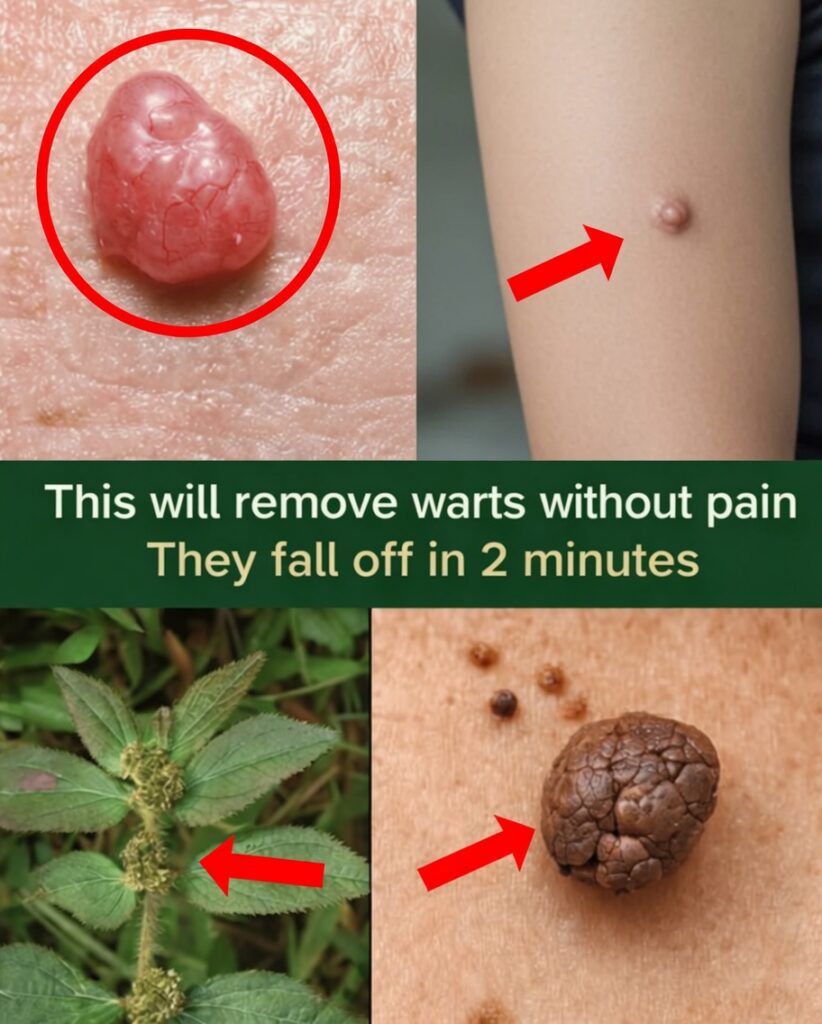
Up to 20% of people will experience warts at some point, with children and young adults affected most often, according to health surveys. These rough, raised bumps—commonly appearing on the hands, feet, or other areas—can be more than a cosmetic issue. Many people feel self-conscious and start hiding their hands during meetings or avoiding situations where the wart might be noticed. When the growths linger, they can also interfere with comfort and confidence in everyday life.
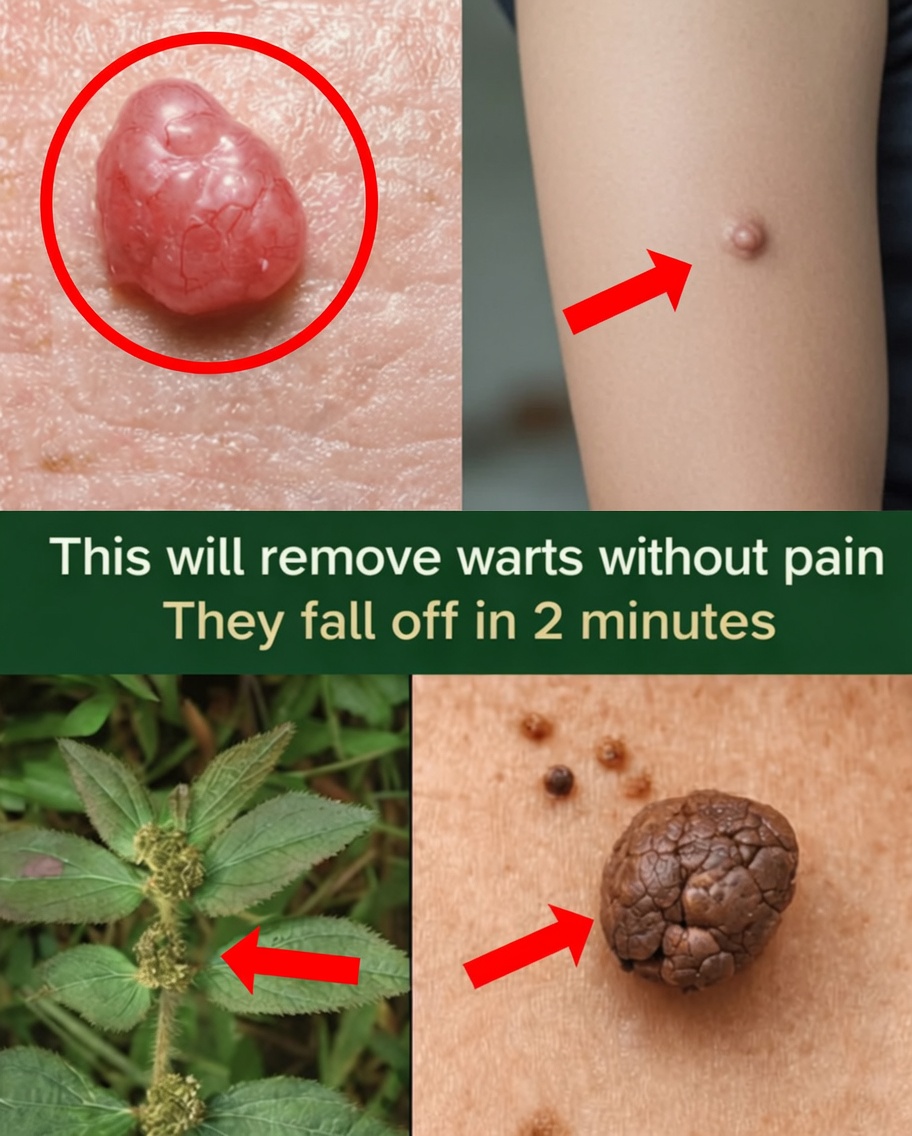
There’s also good news: many warts disappear on their own as the immune system catches up. In addition, a few gentle, widely used home approaches may help support the body’s natural process. One traditional plant-based method near the end comes with serious cautions you should understand before considering it.
Understanding Warts: Why They Show Up—and Why They Can Stick Around
Warts are caused by the human papillomavirus (HPV). This very common virus can enter through tiny breaks in the skin and tends to thrive in warm, moist environments—which is one reason warts often show up on feet, around nails, or areas that get friction.
It’s completely understandable to feel frustrated when warts spread or become uncomfortable. Plantar warts, for example, can make walking painful. Many people try over-the-counter products and get inconsistent results, often because the underlying issue involves both skin thickening and the body’s immune response to the virus.
Research suggests that around 50% of warts may resolve within a year without treatment. That’s why gentle support for overall skin health—and strategies that may encourage a localized immune response—can be worth exploring.
7 Popular Natural Approaches People Commonly Try
These methods come from tradition and limited research. Most work by one of three mechanisms:
- Occlusion (covering the wart)
- Gradual exfoliation/irritation (removing thickened layers)
- Soothing support (comforting irritated skin)
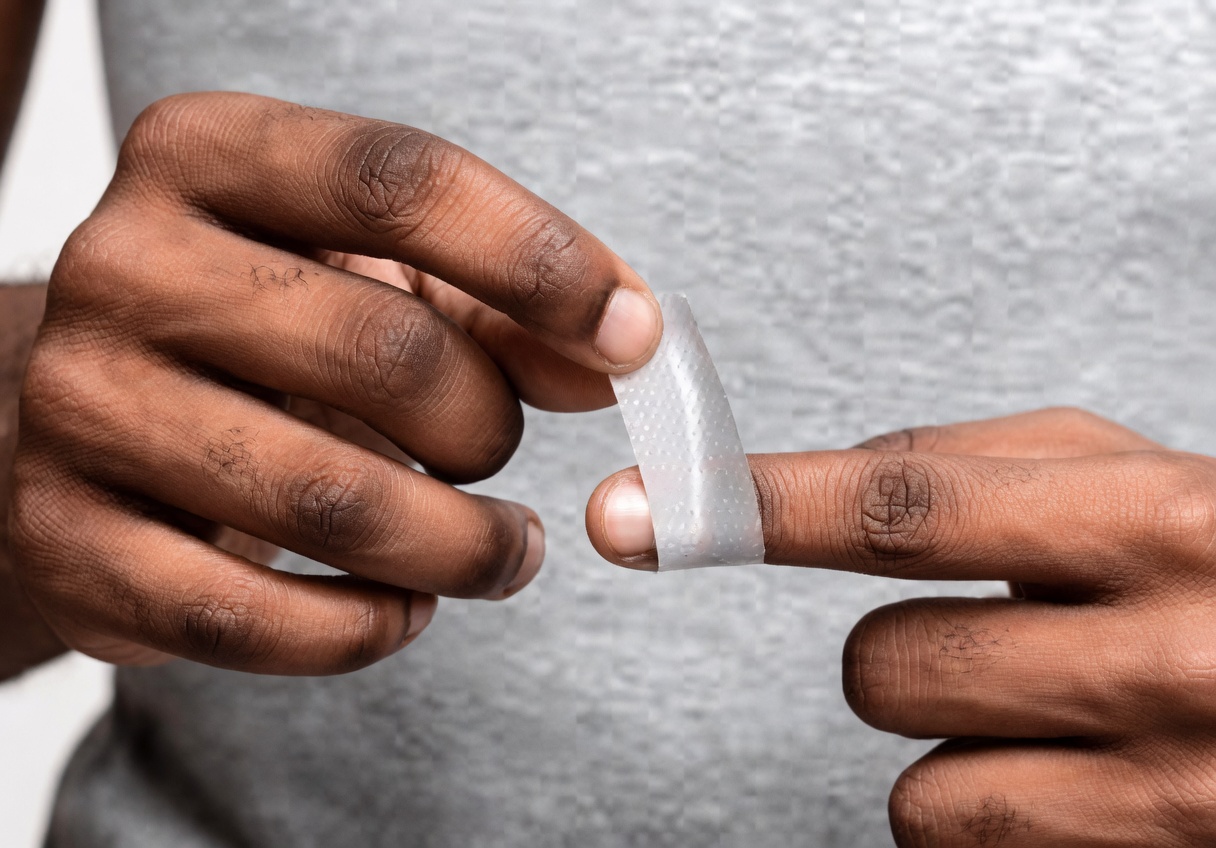
1. Duct Tape Occlusion (A Simple, Low-Cost Starting Point)
Visible warts on hands or feet can feel awkward in daily interactions. One common at-home routine involves covering the wart with duct tape for about 6 days, then:
- Removing the tape
- Soaking the area
- Gently filing away dead skin
- Repeating the cycle
Some studies suggest duct tape occlusion may help by blocking airflow and/or stimulating a local immune reaction, with certain trials showing results comparable to other basic methods. It’s often chosen because it’s accessible and generally low risk—though irritation can occur.

2. Salicylic Acid (The Most Evidence-Backed At-Home Option)
For thick or stubborn warts, salicylic acid is one of the most commonly recommended treatments. Typical use involves:
- Soaking the wart first
- Applying salicylic acid pads, gel, or liquid
- Repeating daily, consistently, over weeks
- Gradually removing softened layers as the thick skin loosens
Among widely available options, salicylic acid has the strongest support, with studies frequently reporting about 50–70% effectiveness for many users. Dermatologists often consider it a first-line approach when used correctly and consistently.
3. Apple Cider Vinegar (A Popular Pantry Remedy)
Many people try diluted apple cider vinegar because its acidity may help soften rough tissue over time. A common method is:
- Dilute vinegar with water
- Soak a cotton ball
- Apply to the wart (often overnight)
- Monitor closely for irritation
Most evidence here is anecdotal, and results vary widely. The main safety point is dilution—undiluted vinegar can irritate or burn skin, especially with prolonged contact.
4. Garlic (Traditional Favorite With “Antimicrobial” Reputation)
For those focused on the viral aspect of warts, garlic is often mentioned due to allicin, a compound known for antimicrobial effects in laboratory studies. A typical approach is:
- Crush fresh garlic
- Apply a small amount briefly
- Cover the area
- Repeat carefully while watching for irritation
Human evidence specific to wart removal is still limited, and garlic can cause redness or burning in sensitive skin. If used, it’s best approached cautiously and stopped at the first sign of significant irritation.
Quick Mid-Article Check-In: How Are Your Warts Affecting You?
Before moving on, consider:
- Which options so far feel realistic for your routine?
- On a scale of 1–10, how much do warts impact your confidence or comfort?
- Are you looking for “active” approaches (like exfoliation) or soothing support?
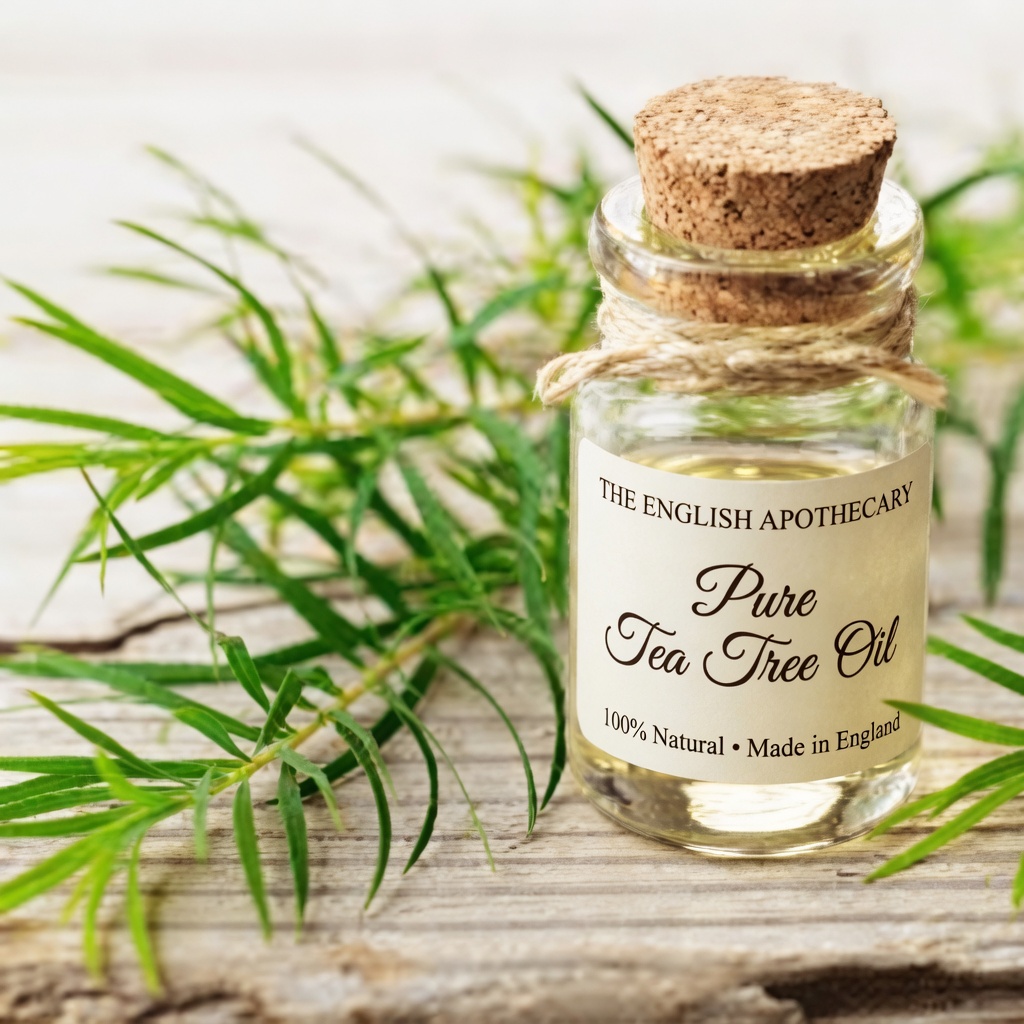
5. Tea Tree Oil (An Antiseptic Essential Oil Option)
Tea tree oil is frequently used in skin care for its antiseptic reputation. People sometimes apply it to warts hoping it supports the skin’s response, but it should always be diluted with a carrier oil to reduce the risk of irritation.
Some users report improved comfort around the area and gradual changes in wart appearance, though evidence is mostly small-scale or anecdotal. Because essential oils can trigger dermatitis, patch testing and careful dilution are important.
6. Aloe Vera (Cooling, Hydrating Comfort for Irritated Skin)
If the skin around a wart feels dry, rough, or inflamed, aloe vera is often used to soothe and hydrate. Common use includes:
- Applying fresh aloe gel or a high-purity product
- Using it twice daily
- Focusing on comfort and reducing surface irritation
Aloe is widely known for its calming properties and is generally considered a low-risk option for improving skin comfort, even if it doesn’t directly eliminate the wart.
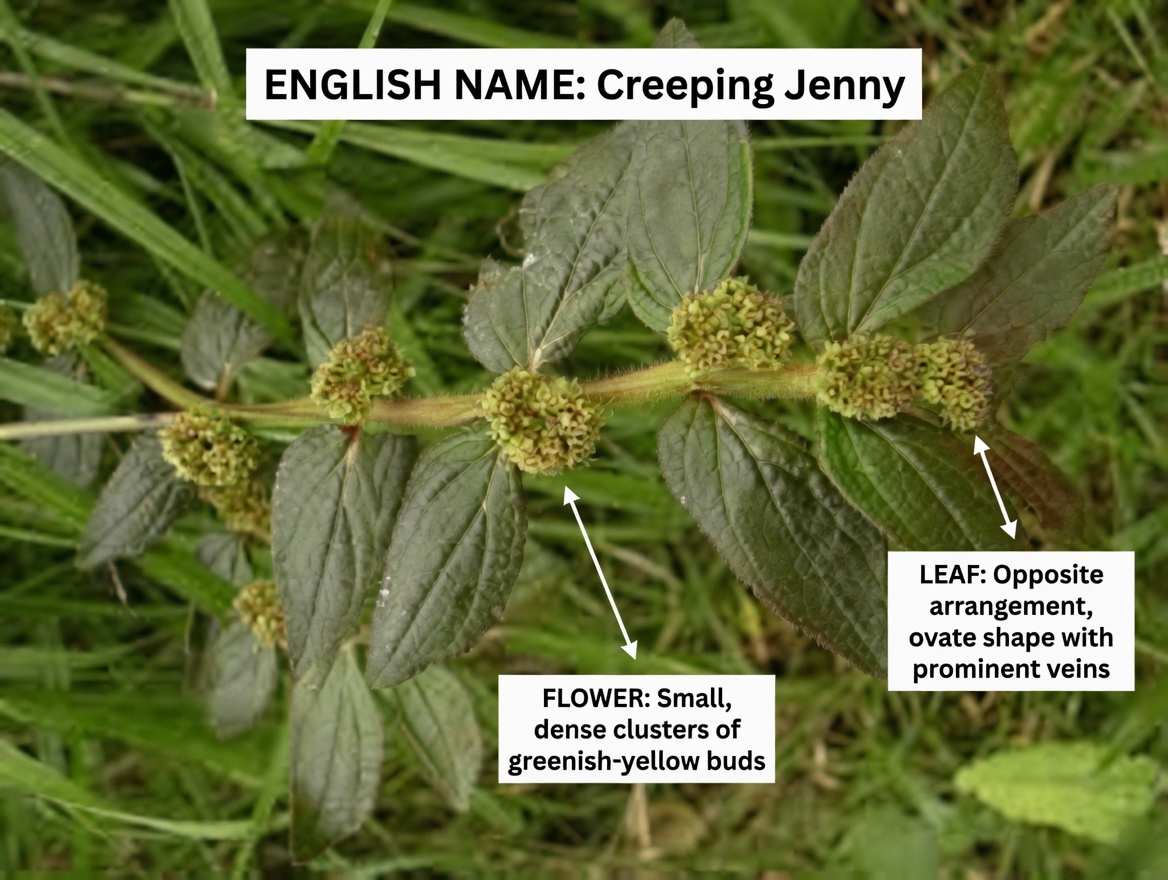
7. Euphorbia Hirta (Asthma Weed): Traditional Use With Major Safety Warnings
In some traditional practices, Euphorbia hirta latex (milky sap) has been used on skin growths, with reports of a drying effect. However, this approach comes with significant danger.
The latex can be highly irritating and potentially toxic, and may cause:
- Chemical-like burns
- Severe allergic reactions
- Serious skin damage if misused
Medical sources emphasize strong caution. This method lacks robust clinical evidence and carries enough risk that it should not be attempted without expert guidance.
Comparison Table: Tradition, Evidence, and Cautions
- Duct Tape: Occlusion | Moderate evidence | May irritate skin
- Salicylic Acid: Layer-by-layer removal | High evidence | Avoid eyes and sensitive areas
- Apple Cider Vinegar: Acidic exposure | Anecdotal | Must dilute to prevent burns
- Garlic: Antimicrobial tradition | Limited evidence | Can sting or inflame skin
- Tea Tree Oil: Antiseptic tradition | Anecdotal | Always dilute; dermatitis risk
- Aloe Vera: Soothing support | Traditional use | Generally safe
- Euphorbia hirta: Latex “drying” folklore | Not well-supported | High risk; avoid without supervision
Practical Tips for Safer At-Home Experimentation
If you decide to try a home approach, keep it simple and cautious:
- Weeks 1–2: Start with one lower-risk option (often duct tape or salicylic acid)
- Week 3+: Add soothing support (like aloe) if the skin gets irritated
- Stop immediately if you notice burning, swelling, blistering, or worsening pain
- Support results with good hygiene and habits that help overall immune health
What to Expect: Realistic Results and When to Seek Help
No natural or at-home method guarantees fast success. Many warts improve slowly, and some disappear only as immune recognition strengthens—often over months, and sometimes longer. Among common home options, salicylic acid has the strongest support, while clinic-based treatments like cryotherapy may be more appropriate for persistent cases.
Be cautious with plant-based remedies: irritation, scarring, and allergic reactions are real possibilities. If a growth is painful, changing, spreading quickly, or not improving after months, a dermatologist evaluation is important to confirm it’s truly a wart and not another skin condition.
Looking Ahead: Clearer Skin and More Confidence
It’s easy to imagine the relief of shaking hands comfortably or walking without pain. For many people, steady, consistent care—paired with patience—leads to meaningful improvement. If you’re starting tonight, choose the option with the best evidence and the lowest risk for your skin.
Frequently Asked Questions
How long do natural approaches usually take?
Timelines vary a lot. Some people notice changes in weeks, while others need months, and some see no effect. Many warts resolve naturally within 1–2 years even without treatment.
Are these options safe for children?
Some gentler methods may be appropriate, but children’s skin is more sensitive. It’s best to consult a pediatrician before trying any treatment—especially acids or essential oils.
When should I see a doctor?
Seek medical advice if the wart is painful, spreading rapidly, bleeding, changing appearance, or if it hasn’t improved after a few months of consistent care—or anytime you’re unsure whether a skin growth is a wart.