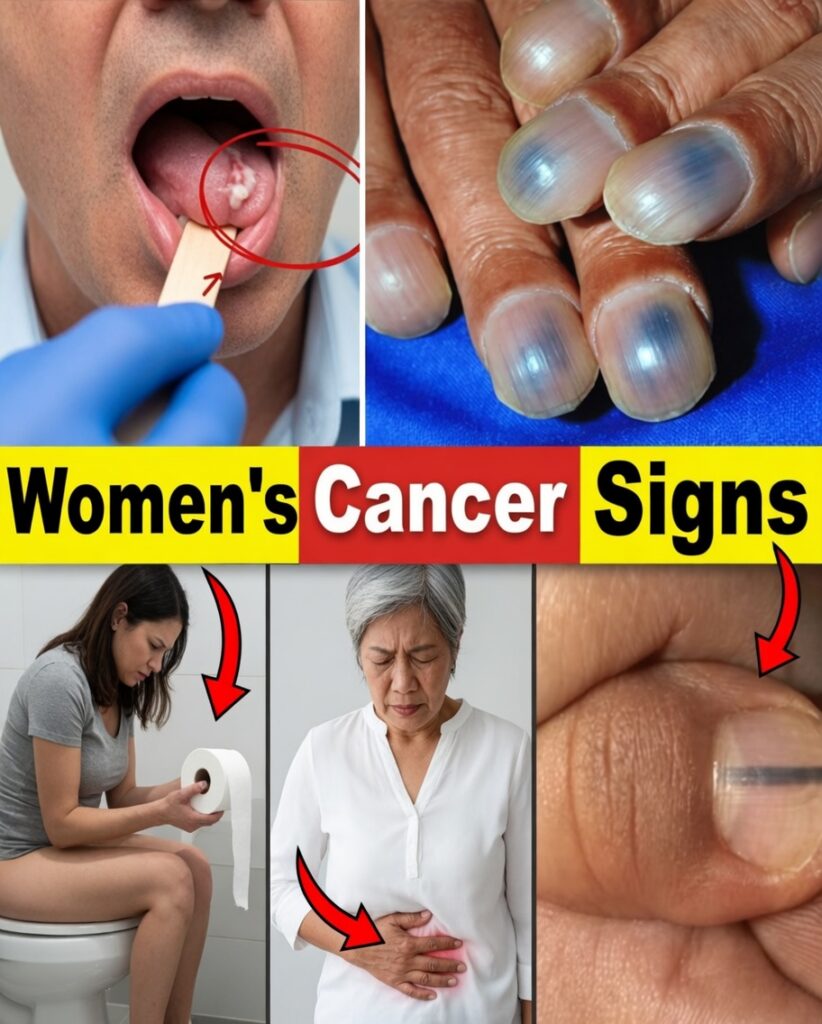
Many women notice small shifts in their bodies all the time—feeling unusually tired after a demanding week, mild bloating, or a menstrual cycle that seems “off.” Because these changes can overlap with stress, aging, and normal hormonal fluctuations, the warning signs of cancer in women are often minimized—especially when balancing work, family, and daily responsibilities. That reaction is understandable, but it can also delay early conversations, and research from organizations such as the American Cancer Society consistently links earlier detection with better outcomes.
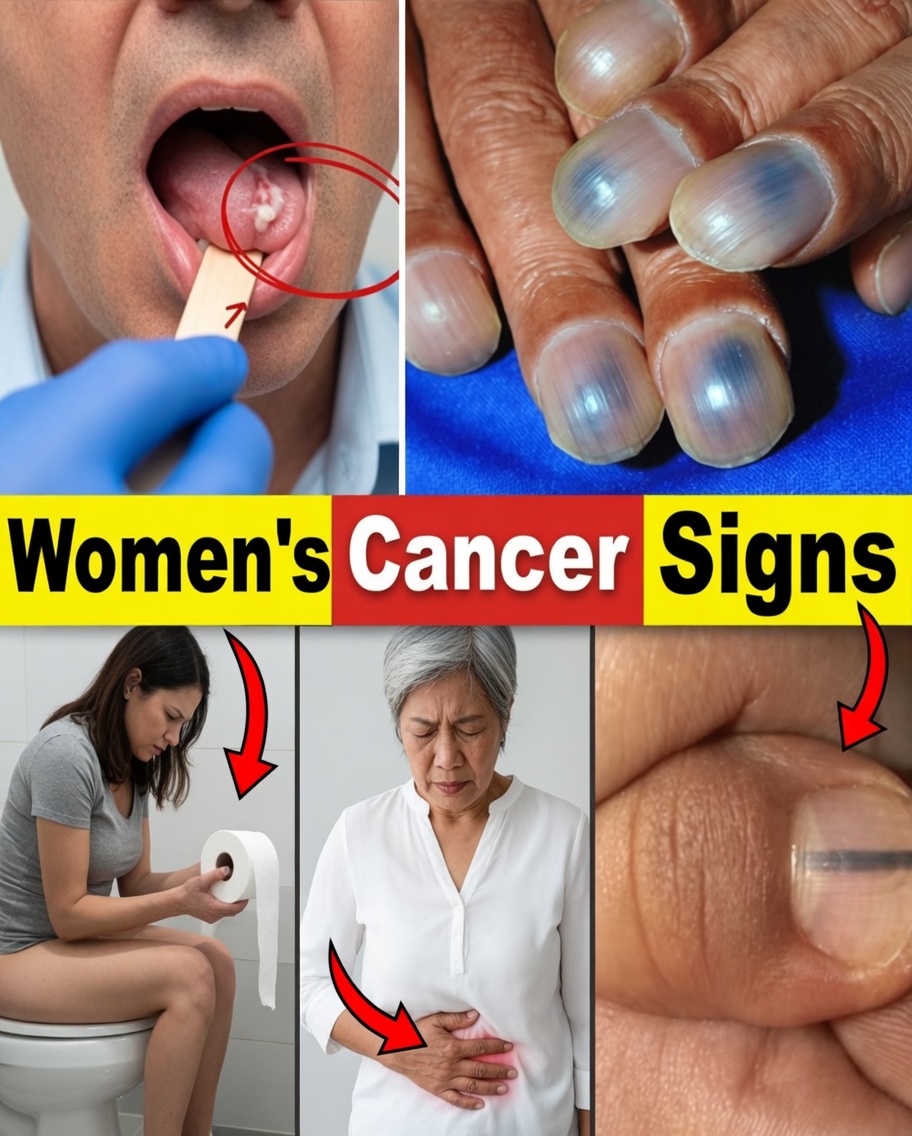
When subtle symptoms persist, they can create a lingering sense of concern that’s easy to push aside. Learning to recognize common warning signs of cancer in women can help you act sooner and feel more in control. Below are 14 important signals many people overlook—plus simple ways to stay proactive.
Why Warning Signs of Cancer in Women Are Often Missed
Women’s bodies naturally change through menstruation, pregnancy, postpartum recovery, and menopause. Because of that, new symptoms can be quickly blamed on “normal life.” Research also suggests many people delay talking to a clinician because early symptoms may seem mild or familiar at first.
Still, when a symptom is persistent, unusual for you, or worsening, it deserves attention—especially if multiple signs show up together.

1. Unusual Bleeding or Spotting
Abnormal vaginal bleeding—such as bleeding between periods, bleeding after sex, or any bleeding after menopause—is one of the most important warning signs of cancer in women. It can be associated with conditions involving the cervix, uterus (endometrium), or even the colon/rectum in some cases.
Postmenopausal bleeding, in particular, should be evaluated promptly. If spotting doesn’t match your typical pattern, don’t ignore it.
2. Unexplained Weight Loss
Losing weight without changing your diet or activity can seem like a pleasant surprise. However, unintentional weight loss (often 10+ pounds) may signal an underlying medical issue and is considered a concerning item among warning signs of cancer in women.
Cancer can affect appetite, digestion, or metabolism. If weight drops noticeably without a clear reason, document it and discuss it with a healthcare provider.

3. Breast Changes (Not Just Lumps)
A lump is not the only breast change that matters. The following can also be warning signs of cancer in women:
- Skin dimpling or puckering
- Persistent redness or swelling
- Nipple changes (inversion that’s new, scaling, crusting)
- Nipple discharge (especially if bloody)
- Ongoing breast pain in a specific area
Knowing what’s normal for your breasts makes it easier to spot a change. Regular self-checks and recommended clinical screenings support early detection.
4. Skin or Mole Changes
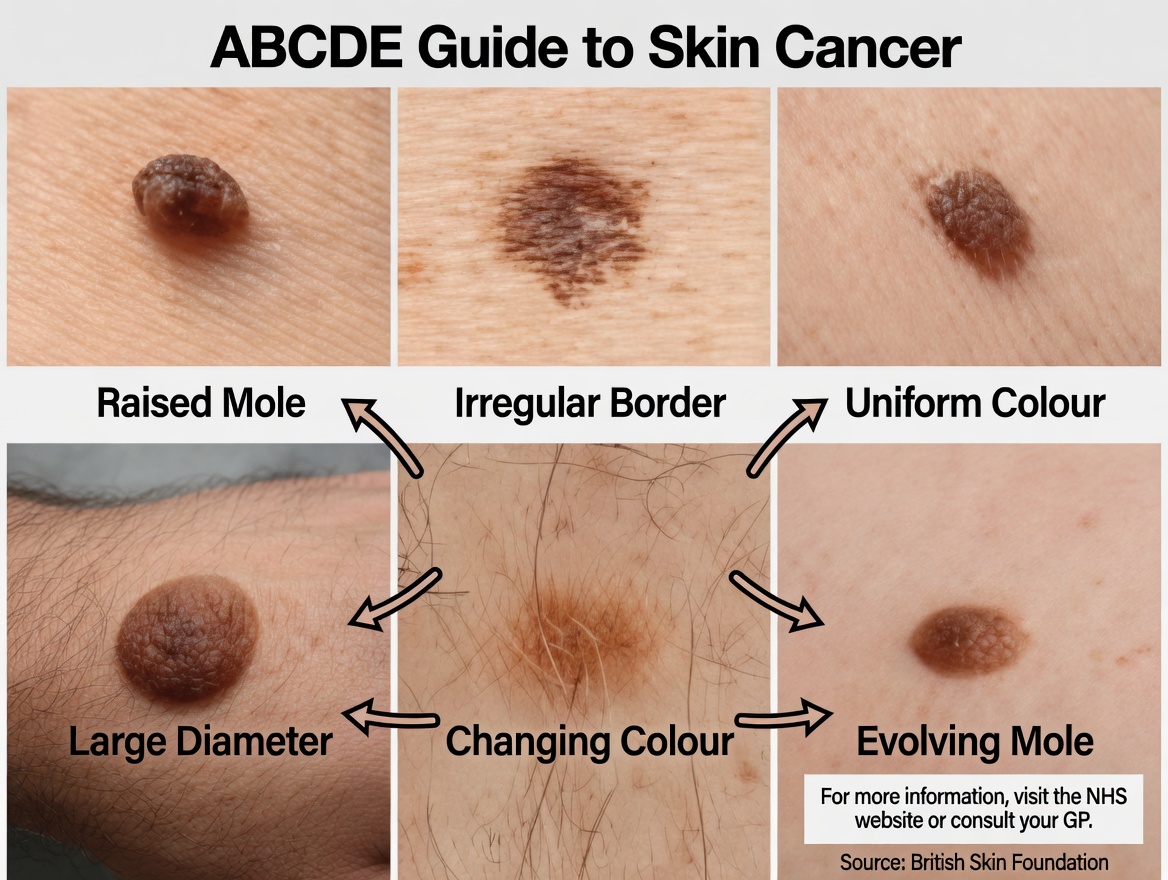
A new mole—or a mole that changes—can be an early sign of melanoma. Use the ABCDE rule as a guide:
- Asymmetry
- Border irregularity
- Color variation
- Diameter larger than ~6 mm
- Evolving (size, shape, color, or symptoms)
Also pay attention if a spot itches, bleeds, crusts, or grows. Regular skin checks can help catch changes earlier.
5. Persistent Bloating or Pelvic Pain
Frequent bloating, feeling full quickly, or ongoing pelvic discomfort is often blamed on diet, stress, or menstrual changes. But when these symptoms are persistent, they can be warning signs of cancer in women, including possible ovarian cancer.
If bloating or pelvic pain occurs most days and lasts for several weeks, organizations such as the Mayo Clinic recommend checking in with a doctor.
6. Extreme Fatigue That Doesn’t Improve
“Just tired” is common—but deep, persistent fatigue that doesn’t improve with rest can be one of the more frequent warning signs of cancer in women across multiple cancer types.
If you feel unusually depleted for weeks, track the duration, severity, and any other symptoms occurring alongside it.

7–14. Additional Warning Signs of Cancer in Women to Watch
These symptoms don’t automatically mean cancer, but they should be taken seriously when they are new, persistent, worsening, or combined:
-
Irregular or unusually heavy periods
Sudden changes from your personal baseline deserve discussion. -
Drenching night sweats
Especially if paired with fatigue, weight loss, or fever. -
Swollen lymph nodes
Lumps in the neck, armpit, or groin that don’t resolve within a couple of weeks. -
Blood in stool
Don’t assume it’s only hemorrhoids—get evaluated. -
A chronic cough
Coughing that lasts for weeks without a clear explanation. -
New, severe headaches
Especially if persistent or accompanied by vision, balance, or neurological changes. -
Mouth sores that won’t heal (or jaw pain)
Persistent oral sores, pain, or unusual patches should be checked. -
Ongoing urinary changes or blood in urine
New urgency, frequency, pain, or visible blood warrants prompt attention.
Quick Comparison: Common Excuses vs. When to Act
| Sign | Often dismissed as | Possible concern | When to act quickly |
|---|---|---|---|
| Unusual bleeding | Hormones/menopause | Cervical or endometrial issues | Any postmenopausal bleeding or recurring abnormal spotting |
| Unexplained weight loss | Stress/lifestyle changes | Various causes | 10+ pounds lost without trying |
| Breast changes | Cycle-related shifts | Breast cancer | New dimpling, redness, discharge, or persistent change |
| Mole changes | “Normal aging” | Melanoma | Any ABCDE change, bleeding, itching, or rapid growth |
| Persistent bloating | Digestion | Ovarian cancer | Daily/near-daily symptoms for weeks |
| Extreme fatigue | Busy schedule | Many cancer types | Ongoing fatigue not relieved by rest |

Simple Ways to Stay Proactive
You don’t need to panic—just stay observant and consistent. Practical steps include:
- Track symptoms in a journal (date, severity, duration, triggers)
- Do monthly breast and skin self-checks
- Keep up with recommended screenings (such as Pap tests and mammograms)
- Bring persistent changes to your clinician sooner rather than later
- Support overall health with regular movement, balanced nutrition, and sleep
Your Next Step Toward Better Body Awareness
Recognizing these 14 warning signs of cancer in women helps you listen to your body with clarity—not fear. Early, informed conversations with healthcare professionals can make a meaningful difference.
Choose one step today: schedule a screening, start a symptom log, or follow up on a change you’ve been postponing. Peace of mind is a valid reason to act.
Frequently Asked Questions
What are the most overlooked warning signs of cancer in women?
Commonly missed signs include persistent bloating, extreme fatigue, and unusual bleeding, because they’re often attributed to hormones, stress, or lifestyle.
When should I see a doctor about possible warning signs of cancer in women?
Consider scheduling an appointment if a symptom lasts more than a few weeks, gets worse, returns repeatedly, or appears alongside other changes.
Can lifestyle changes lower risk while watching for warning signs of cancer in women?
Yes. Exercise, healthy eating, avoiding tobacco, moderating alcohol, maintaining a healthy weight, and staying current on screenings can all support risk reduction and early detection.
Medical disclaimer: This article is for informational purposes only and does not replace professional medical advice. Always consult a qualified healthcare provider about symptoms or health concerns.