Breast Cancer, Shared Home Life, and Why Small Habits Matter
Breast cancer impacts millions of women globally, affecting not only individuals but entire families. Alongside the medical reality, it often brings fear, uncertainty, and emotional pressure—feelings no one should have to carry alone. It can feel especially stressful when people wonder whether everyday routines at home—habits shared with a partner—might quietly add risk over time.
To be clear, no single household habit directly causes breast cancer. Still, some research explores whether certain common exposures in the home may be associated with a slightly higher risk for some women. The point isn’t to create panic—it’s to encourage informed, supportive choices that make family life healthier and calmer.
Online conversations frequently point to spouses’ habits, but the science behind many of these claims is inconsistent. What matters most is focusing on steps that improve overall well-being for everyone in the household. Below are two commonly discussed habits—smoking and poor oral hygiene—along with practical, respectful ways couples can address them together.
Understanding Household Habits and Breast Health Concerns
Breast cancer risk is influenced by many factors, including:
- Genetics and family history
- Age and hormonal factors
- Lifestyle patterns (diet, alcohol, activity levels)
- Environmental exposures
Some studies also examine how shared living environments—such as secondhand smoke or chronic inflammation—might contribute to risk in certain groups. That said, statements like “a husband’s habits raise his wife’s breast cancer risk” can sound frightening and are often oversimplified. Major health organizations commonly emphasize that evidence in these areas can be limited, mixed, or not conclusive.
A healthier approach is awareness without blame: if a habit in your home could affect health, even slightly, improving it can benefit everyone.
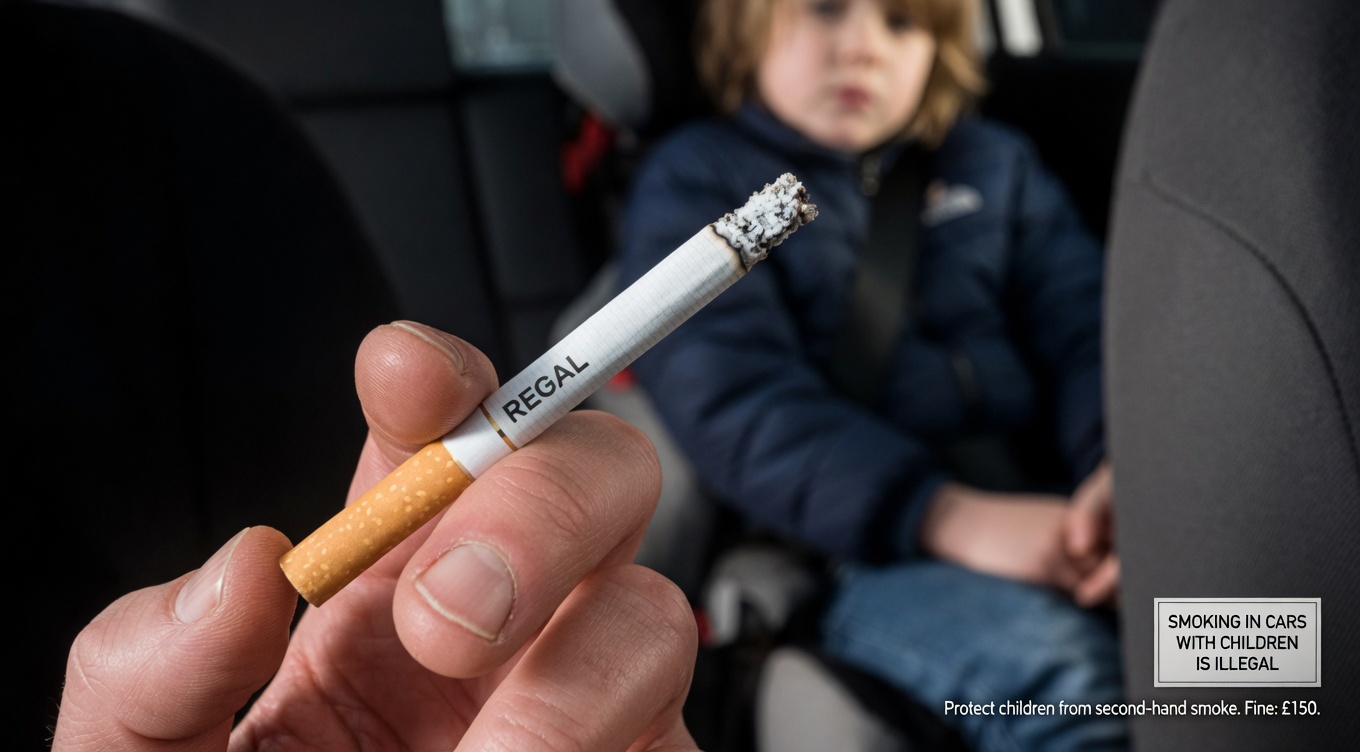
1) Smoking: What Secondhand Smoke Could Mean at Home
Secondhand smoke contains many harmful chemicals. Some research suggests that consistent exposure may be linked to a small increase in breast cancer risk among nonsmoking women—particularly in certain groups such as premenopausal women. When someone smokes in or near the home, exposure can become ongoing, and smoke residue may linger in indoor air and on surfaces.
Important context: scientific findings are not uniform. Some large studies and reviews observe associations in specific populations, while others do not find a clear connection. Even with uncertainty around breast cancer specifically, reducing smoke exposure is widely recommended because it clearly benefits:
- Lung and heart health
- Respiratory health for children and other family members
- Overall peace of mind at home
Quitting—or at least establishing smoke-free living spaces—can remove a major source of everyday health worry.
2) Poor Oral Hygiene: The Inflammation Connection People Overlook
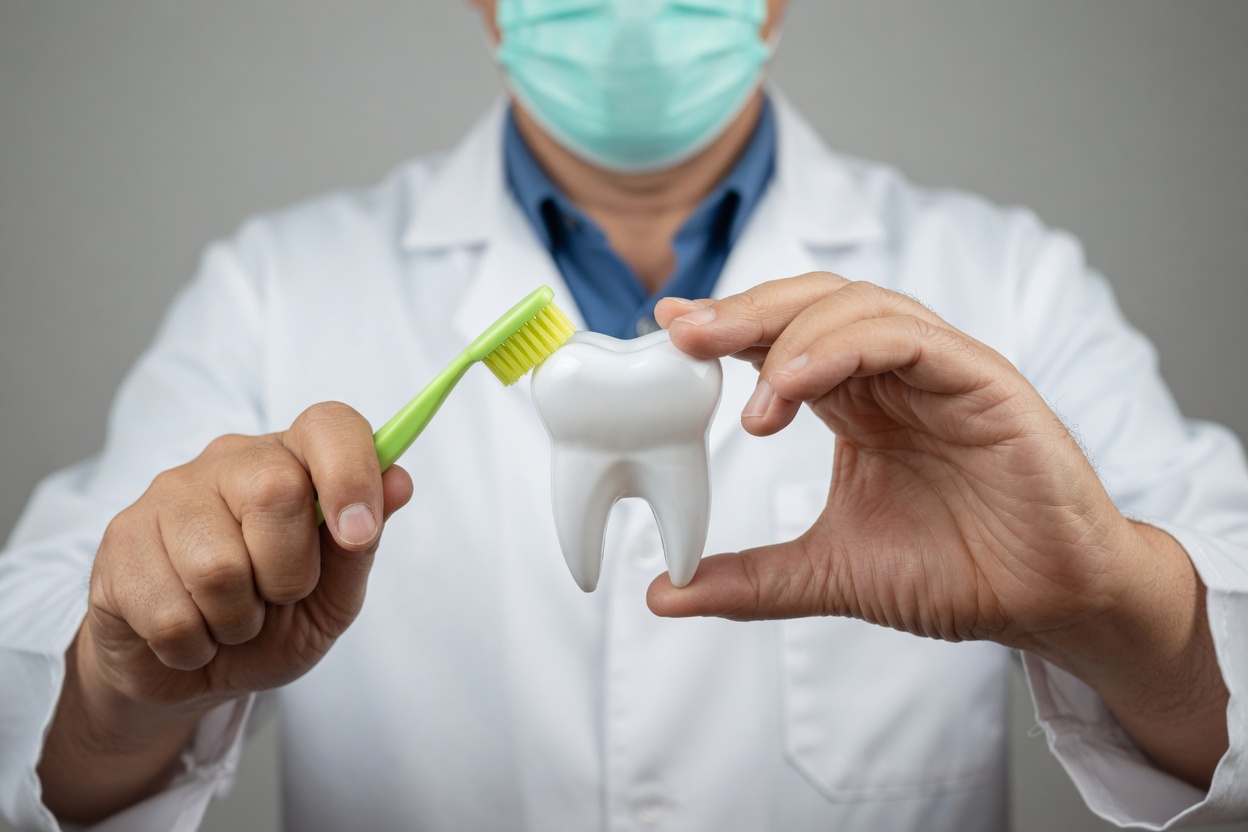
Oral health is sometimes left out of health discussions, but it matters. Conditions like gum disease (periodontal disease) have been linked in studies to inflammation throughout the body. Some research also observes higher breast cancer rates among women who have long-term periodontal problems—though this does not prove cause and effect.
Claims that a husband’s poor oral hygiene directly increases his wife’s breast cancer risk are not supported by strong evidence. While general discussions sometimes mention the possibility of sharing bacteria through close contact, this is speculative and should not be treated as a proven breast cancer risk pathway.
What is well supported: better oral care helps reduce inflammation and supports overall wellness, including cardiovascular and metabolic health. In practical terms, improved dental habits are a smart and low-effort upgrade for couples.

Simple, Respectful Ways to Support Positive Change Together
Encouraging change works best when it comes from empathy, not criticism. These approaches can help couples move forward as a team:
-
For smoking
- Start with shared goals (family health, cleaner home air, long-term energy).
- Consider tools such as quitlines, cessation apps, or professional support.
- Agree on smoke-free spaces immediately, even before quitting completely.
-
For oral hygiene
- Turn it into a shared routine: brush at the same time, remind each other kindly.
- Schedule dental checkups together to make it easier to follow through.
- Commit to basics: brush consistently, floss daily, and use an antimicrobial rinse if a dentist recommends it.
Many couples find that tackling these changes together improves connection, confidence, and day-to-day well-being.
Habits vs. Healthier Alternatives (Quick Comparison)
-
Smoking in the home
- Potential concern: secondhand smoke exposure
- Healthier alternative: quit together, set smoke-free indoor rules
- Family benefit: cleaner air, fewer health worries, better long-term wellness
-
Neglected oral hygiene
- Potential concern: chronic inflammation and broader health strain
- Healthier alternative: daily brushing/flossing and regular dental visits
- Family benefit: improved overall health, better comfort and confidence
Reducing these habits helps create a home environment that supports everyone—physically and emotionally.
A Healthier Home Starts With One Conversation
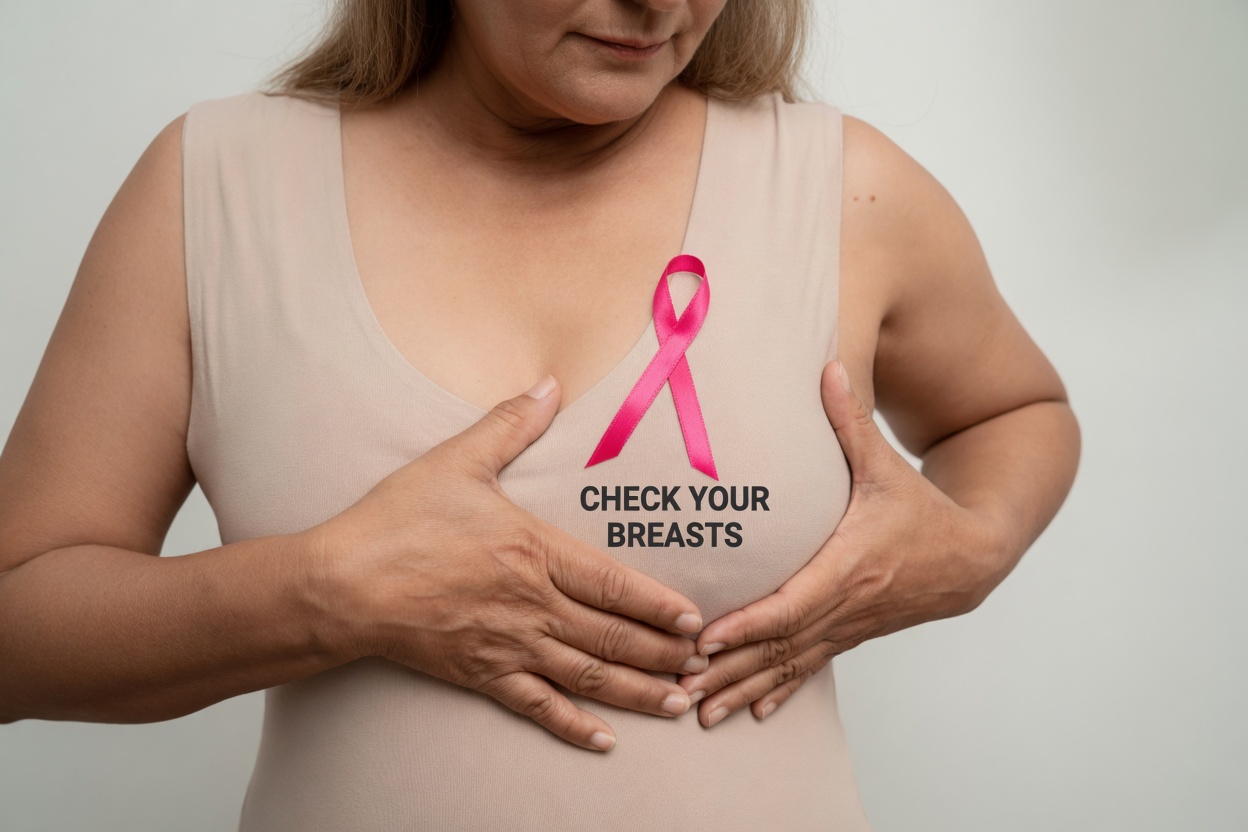
Picture a home with cleaner air, confident smiles, and a shared commitment to feeling better—less anxiety about “hidden risks,” and more focus on what you can control. Starting small is still progress. One honest, caring conversation today can lead to healthier routines that protect and strengthen the whole family.
Frequently Asked Questions
Does secondhand smoke definitely increase breast cancer risk?
The research is mixed. Some studies suggest a possible association for certain groups, while major organizations generally describe the evidence as inconclusive. Even so, avoiding secondhand smoke is strongly recommended for many well-established health reasons.
Is there proof that a husband’s poor oral hygiene raises his wife’s breast cancer risk?
No. There is no strong direct evidence showing spousal oral-hygiene “transfer” specifically increases breast cancer risk. However, good oral health is beneficial for each person’s overall wellness.
What are proven ways to support breast health?
Common evidence-based steps include:
- Following recommended screening schedules
- Maintaining a healthy weight
- Exercising regularly
- Eating a balanced diet
- Limiting alcohol
- Discussing personal risk factors with a clinician
Medical Disclaimer
This content is for educational purposes only and is not medical advice. Online claims about spousal habits and breast cancer risk are often exaggerated; the evidence in many areas remains limited or inconclusive. Breast cancer is serious—consult qualified healthcare professionals for individualized guidance on risk, screening, symptoms, or lifestyle changes. Focus on compassionate support and well-established healthy habits.