
Frequent Flatulence: What’s Normal, Common Causes, and Simple Ways to Feel Better
Occasional gas is something nearly everyone experiences, but more frequent flatulence can feel awkward, uncomfortable, and disruptive—especially when it comes with bloating or abdominal pressure. It may also raise questions about whether something has changed in your digestion.
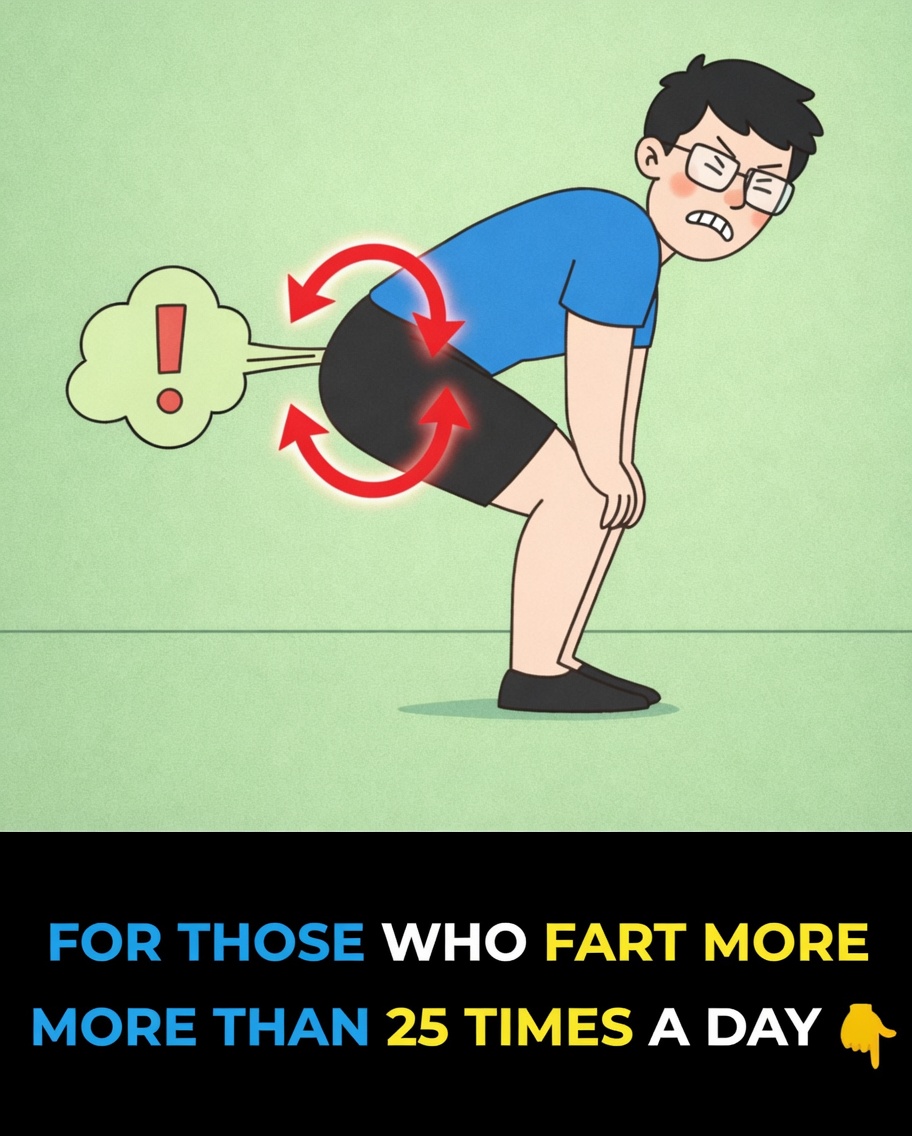
Studies suggest most adults pass gas about 8 to 25 times per day, with many people landing around the mid-teens to low twenties. If your gas becomes noticeably more frequent, starts suddenly, or shows up alongside other symptoms, it can help to look at everyday triggers and supportive habits.
Normal Gas vs. “Too Much”: Understanding What’s Typical
Passing gas is a normal part of digestion. As your body breaks down food, air and fermentation gases build up and need to be released. Research commonly reports an average range of roughly 14 to 23 episodes per day, and even up to 25 can still be typical for many individuals.
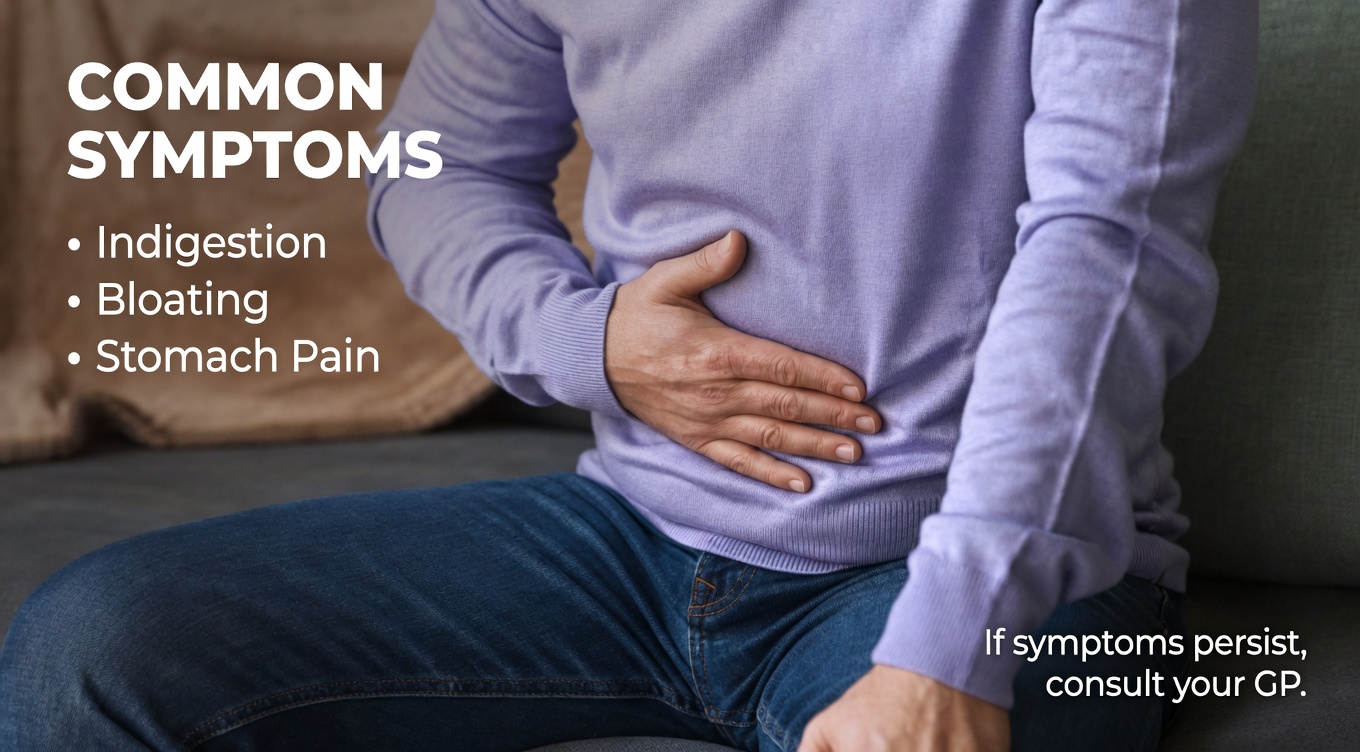
Frequent flatulence becomes more of a concern when it:
- Interferes with daily comfort or confidence
- Comes with ongoing bloating
- Increases suddenly compared with your usual pattern
In many cases, the cause is simple and fixable—often tied to diet choices or eating habits.
Common Everyday Causes of Frequent Flatulence
The most frequent drivers of extra gas are food fermentation (gut bacteria breaking down certain carbohydrates) and swallowing more air than usual.
Diet-related triggers
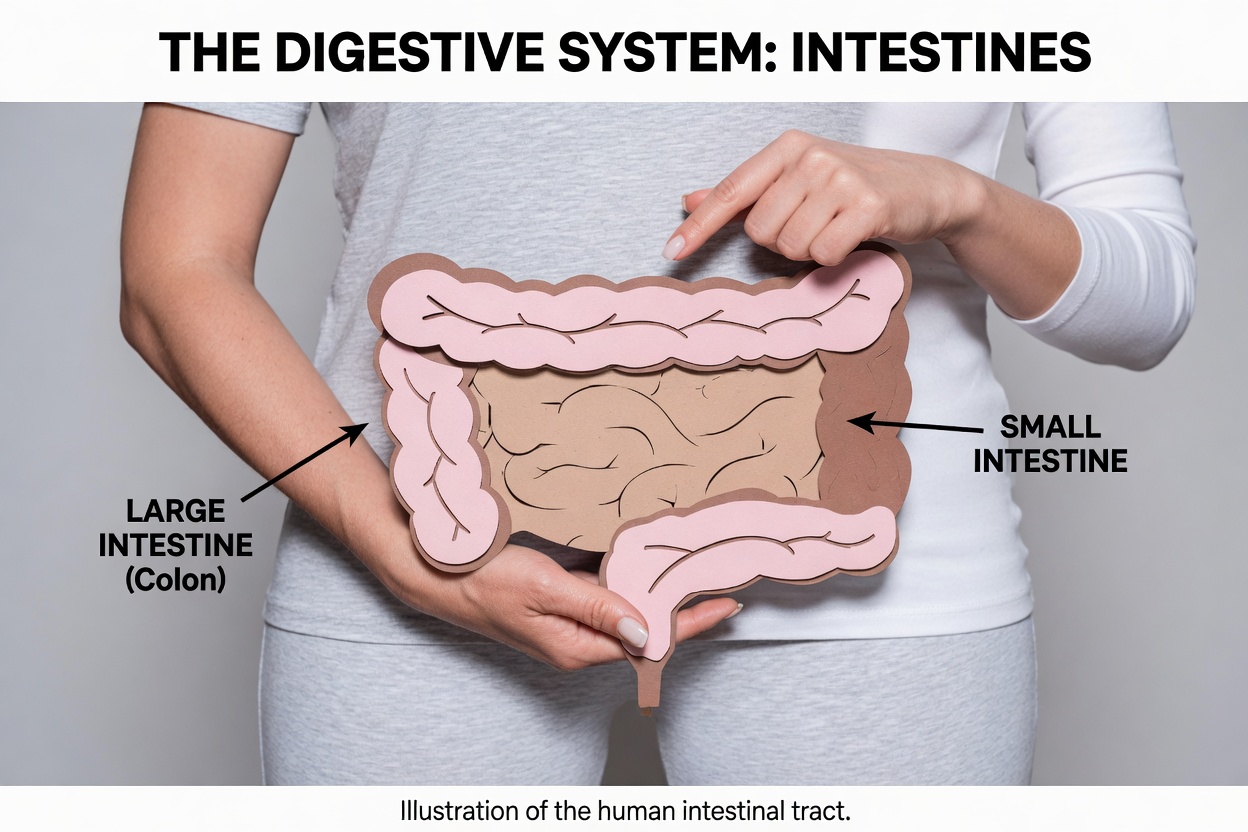
Some foods contain fibers, sugars, or starches that are harder to digest fully. When these reach the colon, bacteria ferment them—producing gas.
Habit-related triggers
You can also create more intestinal gas by swallowing extra air, which can happen when you:
- Eat too fast
- Chew gum
- Drink through straws
- Talk while eating
Many people notice significant improvement once they identify their personal triggers and adjust them consistently.

Frequent Contributors and Helpful Adjustments
| Food or Habit | Why It May Increase Gas | Supportive Ideas |
|---|---|---|
| Beans, broccoli, onions | Contain fibers and sugars that can be difficult to break down | Cook thoroughly, start with smaller portions |
| Dairy products | Lactose can be hard to digest for many adults | Try lactose-free dairy or plant-based alternatives |
| Carbonated beverages | Add trapped air bubbles to the digestive tract | Choose still water or herbal tea |
| Eating quickly or chewing gum | Increases swallowed air | Eat mindfully, chew slowly, reduce gum |
Small, consistent changes often reduce how often frequent flatulence occurs and improve comfort during the day.
Lifestyle Habits That Can Support Digestive Comfort
Beyond food, daily routines can influence how gas moves through the gastrointestinal tract.
Helpful habits include:
- Light movement after meals, such as a short walk, to support natural gas transit
- Staying well-hydrated, which supports digestion overall
- Including probiotic-rich foods to encourage a balanced gut microbiome
- Eating in a calmer setting and slowing down at meals
- Gentle stretches or yoga poses that may support digestion
Even modest adjustments can make bloating and frequent flatulence feel less intense over time.

When Frequent Flatulence Should Be Checked
Gas is usually harmless, but it’s wise to speak with a healthcare professional if frequent flatulence is persistent and comes with other changes, such as:
- Pain or significant cramping
- Unexplained weight loss
- Noticeable changes in bowel habits
- Bloating that doesn’t improve
Sometimes food intolerances (such as lactose intolerance) or other digestive sensitivities can contribute. Tracking patterns for a few days—foods, timing, symptoms—can provide useful details to share during a visit.
Practical Steps You Can Try Today
- Keep a short food and symptom diary to spot patterns
- Try smaller meals and eat more slowly
- Choose easier-to-digest foods and add gentle activity
- Consider an over-the-counter option like simethicone, if appropriate—always read labels and follow directions
These approaches often reduce discomfort and make frequent flatulence easier to manage.
Feeling More Comfortable Day to Day
Managing frequent flatulence often comes down to awareness and small, sustainable changes. By listening to your body and adjusting diet and habits gradually, you can support digestive comfort and feel more at ease during meals, work, and social situations.
Frequently Asked Questions
-
How many times per day is passing gas considered average?
Most references cite 8 to 25 times daily as a common range, depending on diet and individual digestion. -
Can certain foods really lead to more frequent flatulence?
Yes. Foods higher in fiber, lactose, or certain sugars (like fructose) may increase gas—portion changes and preparation methods can help. -
When should I talk to a doctor about frequent flatulence?
If it continues and is accompanied by pain, persistent bloating, or other digestive changes, a medical check-in can help rule out underlying issues.
Disclaimer: This article is for informational purposes only and does not provide medical advice. For personalized guidance—especially with ongoing discomfort or new symptoms—consult a qualified healthcare provider.