Frankincense (Boswellia): What the Evidence Really Says About Mood and Cancer Claims
Frankincense, a resin harvested from Boswellia trees, has been used for centuries in spiritual practices and traditional medicine. Modern research has started to explore why it might be helpful—largely due to its anti-inflammatory compounds, including boswellic acids and incensole acetate.
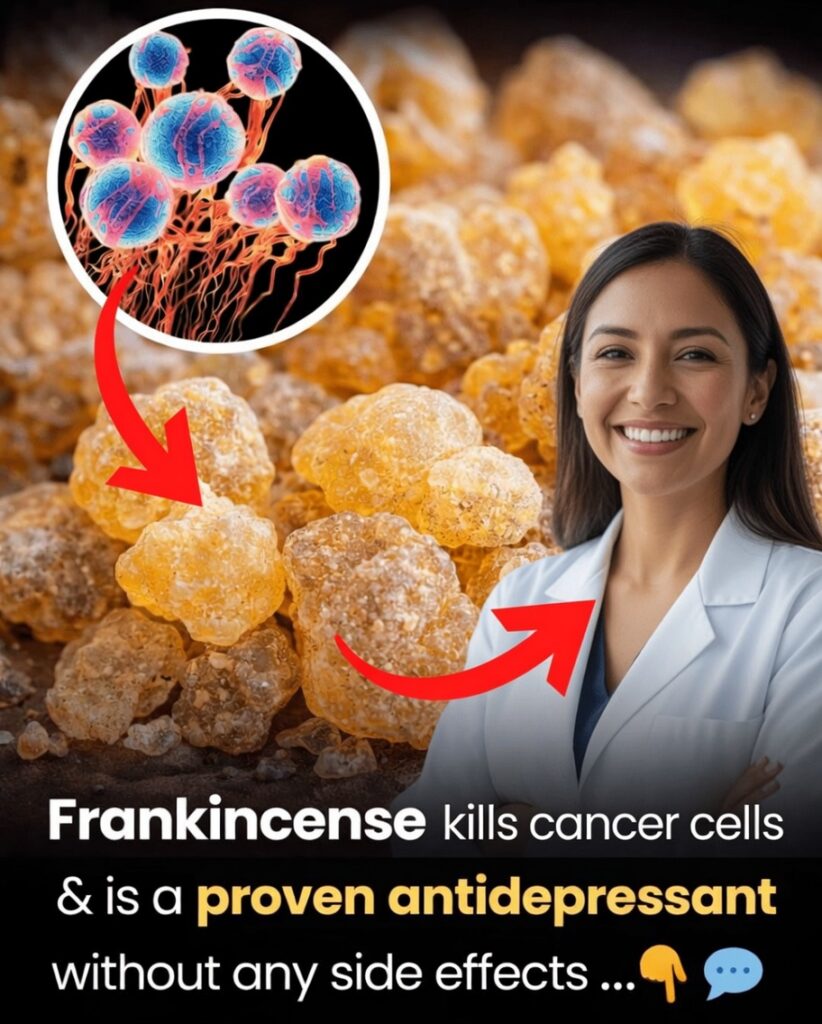
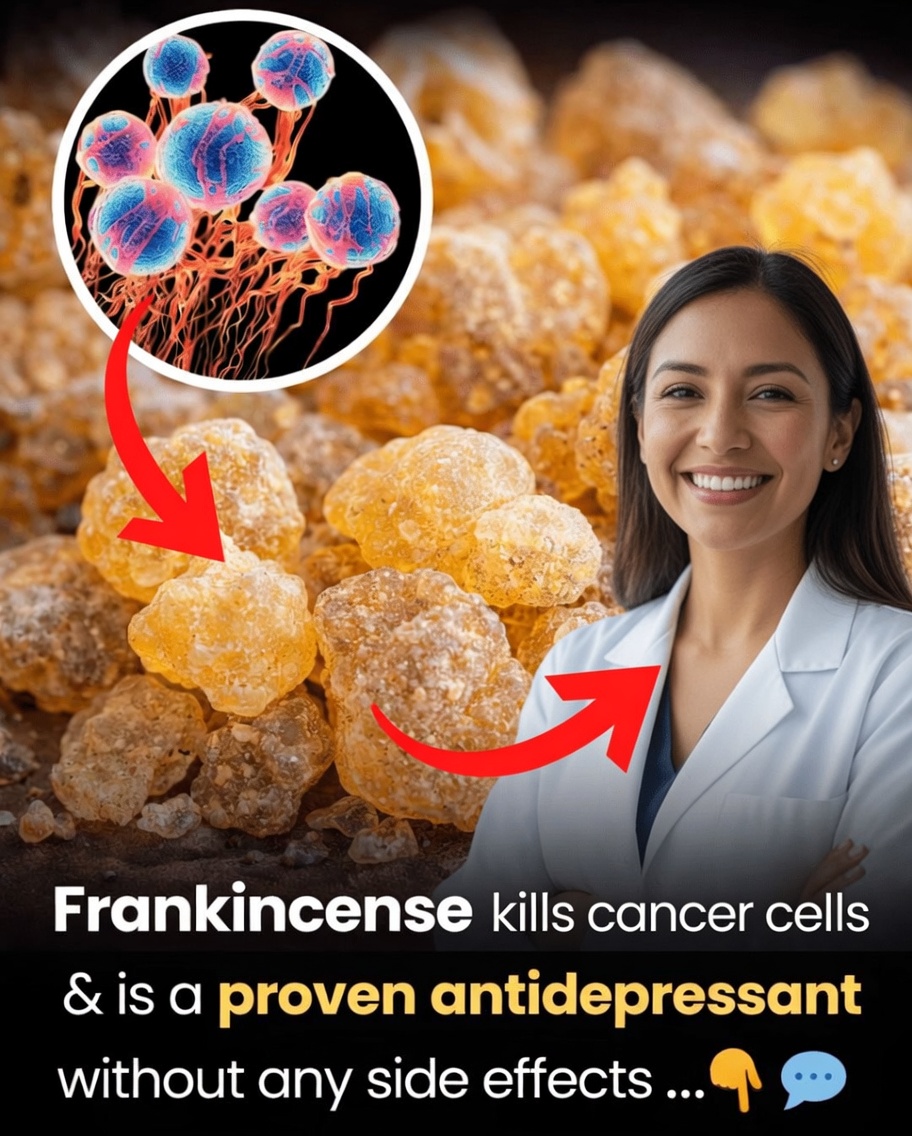
However, many popular claims go beyond what current science can support. The most responsible takeaway is that frankincense is interesting and potentially supportive in specific contexts, but it is not a proven treatment for depression, anxiety, or cancer.
Potential Mood Benefits (Anxiety and Depression): Promising, but Mostly Animal Data
A major reason frankincense is linked to emotional well-being is incensole acetate, a compound studied for its effects on the nervous system. A widely cited 2008 study reported that when researchers administered incensole acetate to mice, the animals showed behaviors consistent with reduced anxiety and antidepressant-like effects. This was associated with activation of certain brain ion channels, including TRPV3.
Subsequent studies have largely stayed in the preclinical stage, using animal models such as mice or rats exposed to different types of stress. These experiments often suggest that frankincense-derived compounds may have mood-supporting potential, but they do not confirm clinical effectiveness in people.
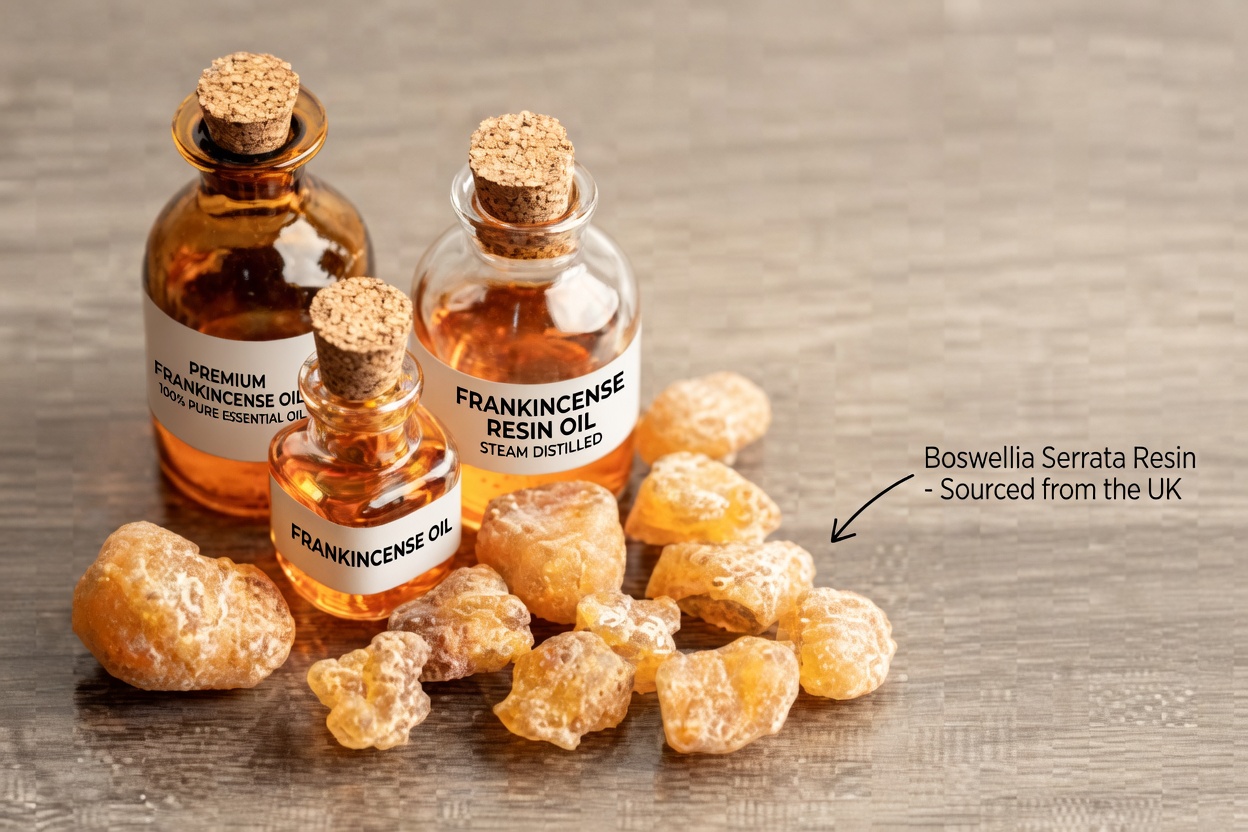
What’s missing: strong human clinical trials
At this time, there are no high-quality, large-scale human clinical trials demonstrating that frankincense (or incensole acetate) works as a dependable treatment for depression or anxiety. That means it cannot be considered a validated alternative to established therapies for the many people affected worldwide.
Aromatherapy: relaxation is possible, but not unique to frankincense
Using frankincense essential oil in a diffuser may feel calming for some individuals. Pleasant scents can influence brain regions involved in emotion and memory, which may support relaxation. Still, this type of effect is not specific proof that frankincense treats mental health conditions—it may reflect a general response to enjoyable aromas rather than a targeted therapeutic action.
Cancer-Related Claims: Lab Findings Exist, but Human Proof Is Limited
Frankincense and Boswellia extracts have shown anti-inflammatory activity and anti-cancer effects in laboratory research, including studies on cancer cells (in vitro) and some animal models. Researchers have observed activity against a range of cancer cell types, including breast, pancreatic, and brain tumor cells.
While these findings are scientifically interesting, lab activity is not the same as a clinically proven cancer treatment.
What human studies actually suggest (so far)
Human evidence is limited and early-stage, but includes a few noteworthy areas:
- Brain tumor-related swelling (edema): Small early-phase studies suggest certain Boswellia extracts may help reduce radiation-associated brain edema in some patients. This is a potential supportive role, not a cure.
- Breast cancer research: A recent small trial reported signs of anti-proliferative activity, but the scale and design are not strong enough to conclude frankincense “fights cancer” in real-world clinical outcomes.
Why “cures cancer” claims are misleading
Statements that frankincense reverses metastases or treats cancer directly are not supported by robust clinical evidence. In particular, claims about reversing breast cancer brain metastases appear to be rooted in test-tube research, not demonstrated improvements in patient survival or remission.
Major institutions such as Memorial Sloan Kettering Cancer Center note possible supportive applications, while also emphasizing that more research is needed before firm medical claims can be made.
Safety and Side Effects: Often Well-Tolerated, but Not Risk-Free
Frankincense is generally regarded as safe for many adults when used appropriately—such as burning incense, using diluted essential oil in a diffuser, or taking supplements carefully. Even so, it can cause side effects and may not be appropriate for everyone.
Possible side effects
- Digestive discomfort (such as stomach upset or nausea)
- Allergic reactions in sensitive individuals
- Skin irritation when applied topically (especially if not properly diluted)
Important precautions
- Frankincense is not recommended during pregnancy.
- Anyone taking medications—especially drugs that affect mood or the nervous system—should speak with a clinician before using supplements.
- If you have a chronic condition or are undergoing cancer treatment, consult your healthcare team to avoid interactions or delays in evidence-based care.
Bottom Line: Traditional Use + Early Research, Not a Proven Treatment
Frankincense has a long history of traditional use and contains bioactive compounds with anti-inflammatory properties, plus intriguing early research related to mood support in animal models and anti-cancer effects in lab studies.
But it is not currently supported as a proven antidepressant, an anti-anxiety medication, or a cancer cure in humans. “Natural” or over-the-counter products can still carry risks—and serious conditions like depression, anxiety, and cancer should be addressed with evidence-based treatment under medical guidance.
This article is general educational information based on available studies and is not medical advice. For personal guidance, speak with a qualified healthcare professional.