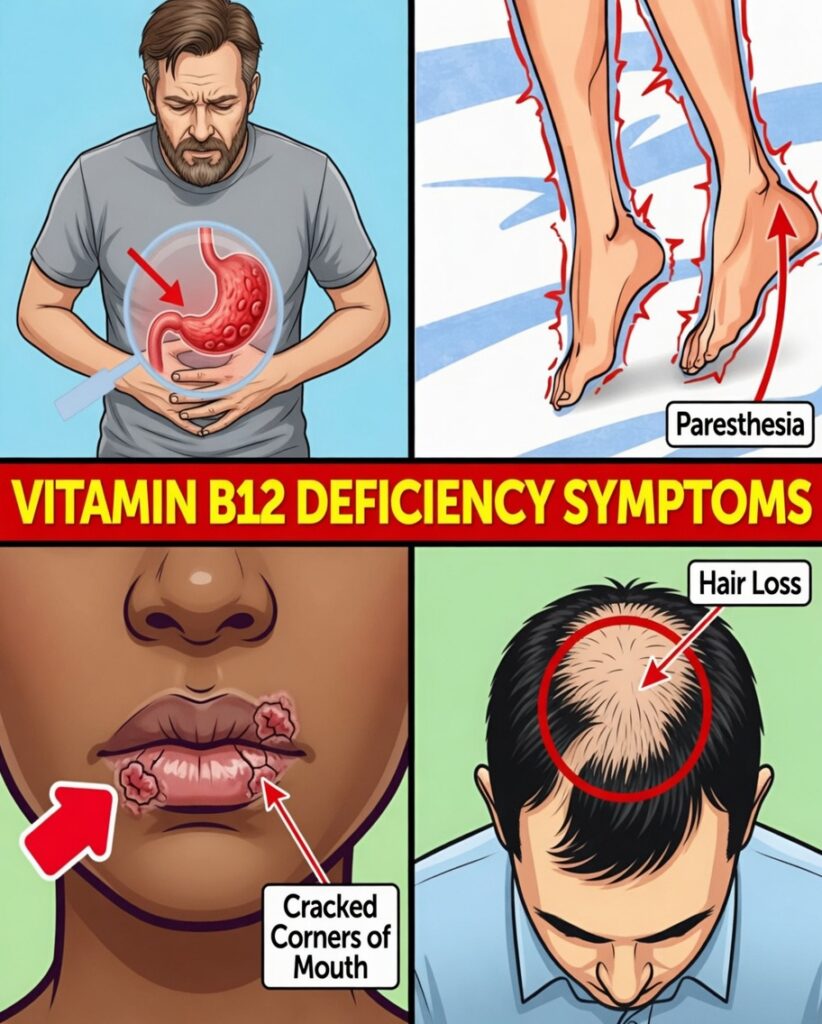
Why Vitamin B12 Matters After 40
Many adults over 40 begin to notice small but annoying changes—lower energy, shifting moods, or unfamiliar sensations that are difficult to describe. One often-overlooked reason is low vitamin B12, which becomes more common with age due to reduced absorption, dietary patterns, or certain medications.
Vitamin B12 plays a key role in nerve function, red blood cell formation, and overall day-to-day vitality. Some “everyday” discomforts may actually be clues that your body needs more of this essential nutrient. Below are eight signs worth paying attention to.
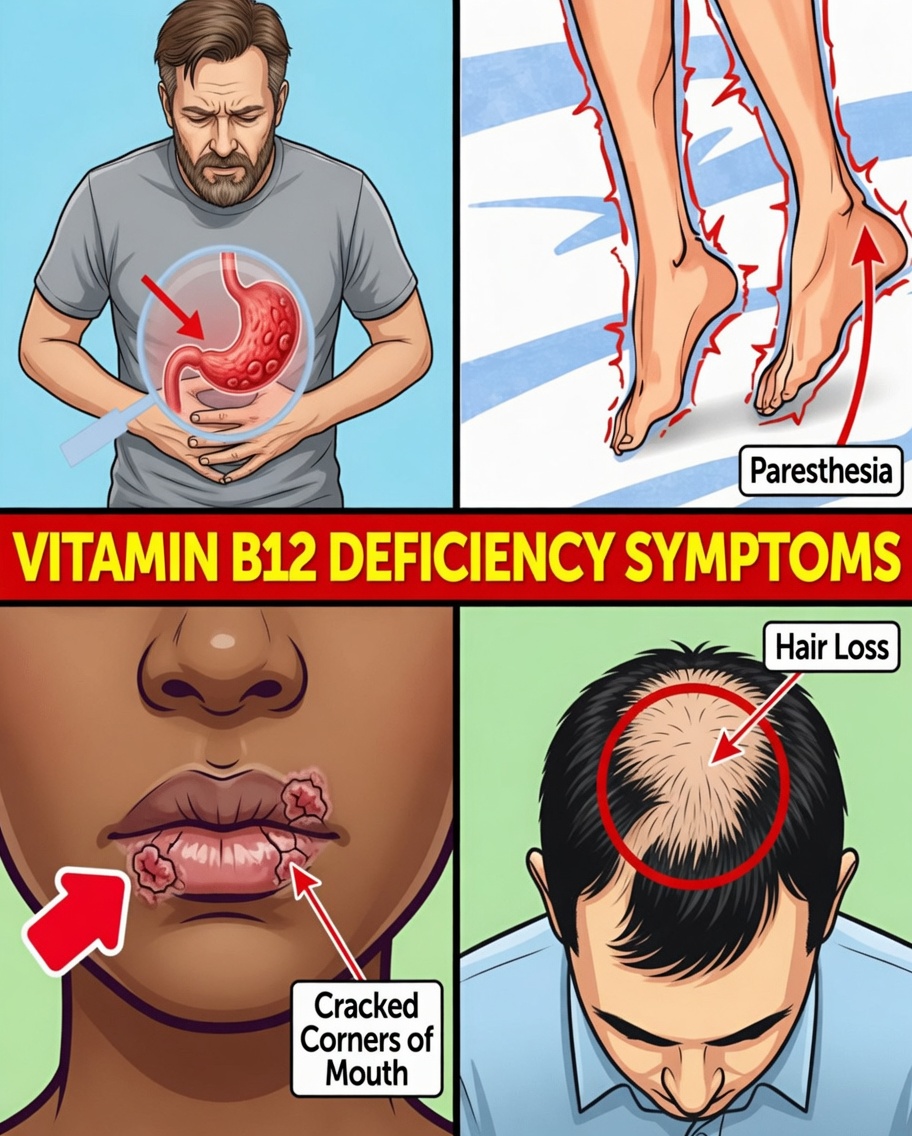
8 Possible Signs of Low Vitamin B12
1) Persistent Fatigue Even After a Full Night’s Sleep
If you feel worn out despite sleeping well, low vitamin B12 may be one possible contributor. This kind of ongoing tiredness can make normal routines feel unusually demanding.
Vitamin B12 supports the production of healthy red blood cells, which carry oxygen throughout the body. When B12 is low, oxygen delivery can suffer, and energy levels may drop. Many people report improved stamina once their B12 status is corrected.

2) Irritability, Low Mood, or Unusual Emotional Shifts
Feeling more easily frustrated, anxious, or down—without an obvious trigger—can sometimes be linked to B12 deficiency. This nutrient supports pathways involved in brain chemistry and nervous system regulation, which influence emotional balance.
For adults over 40, these mood changes may appear gradually, making them easy to dismiss. Maintaining adequate B12 levels is associated with better emotional steadiness in many cases.
3) Skin That Looks Paler Than Usual (or Slightly Yellow)
An unusually pale complexion—or a faint yellowish tone—can be a sign that red blood cell production isn’t keeping up. Because vitamin B12 is necessary for healthy red blood cell formation, low levels may contribute to changes in skin tone.
While some people assume it’s just “normal aging,” it’s a good sign to note and discuss with a professional if it persists.

4) A Sore, Red, or Inflamed Tongue (Plus Mouth Discomfort)
A swollen, tender, or bright-red tongue—often called glossitis—can occur with low vitamin B12. You might also notice mouth sensitivity that makes eating less comfortable.
Because B12 supports healthy tissue maintenance, improving dietary intake or correcting a deficiency may help relieve these symptoms over time.
5) Tingling or Numbness in Hands and Feet
Pins-and-needles sensations, numbness, or a “buzzing” feeling in the extremities may reflect nerve irritation. Vitamin B12 helps maintain the myelin sheath, a protective layer around nerves.
When B12 is low, nerve signaling can be affected, and tingling may become more noticeable—especially in adults over 40.
6) Occasional Heart Palpitations
A racing heartbeat, fluttering, or irregular palpitations can feel alarming, particularly when they happen unexpectedly. In some cases, low vitamin B12 contributes indirectly by affecting red blood cells and oxygen transport, potentially increasing strain on the cardiovascular system.
Because palpitations can have many causes, persistent symptoms should always be evaluated medically.
7) Brain Fog, Focus Issues, or Memory Slips
If you’re struggling to concentrate, losing your train of thought, or noticing more frequent memory lapses, vitamin B12 status may be worth considering. B12 supports nerve communication and overall neurological function, which can influence mental clarity.
These moments can be especially concerning after 40, but they may be reversible when a nutritional gap is identified and addressed appropriately.
8) Mild Weakness or Feeling Less Steady on Your Feet
Feeling weaker than usual or slightly off-balance can relate to how nerves and muscles communicate. Since B12 is important for nerve health, low levels may contribute to reduced stability or coordination in some people.
With consistent support and proper guidance, many individuals report improved steadiness over time.
Quick Guide: Symptoms and How Vitamin B12 May Be Involved
- Ongoing fatigue — supports oxygen transport via healthy red blood cells — common after 40
- Mood changes — supports pathways linked to emotional regulation — common after 40
- Pale or yellowish skin — supports red blood cell production — sometimes
- Sore or inflamed tongue — supports tissue health — occasionally
- Tingling/numbness — helps protect nerves (myelin support) — common after 40
- Heart palpitations — may relate to anemia/low oxygen delivery — sometimes
- Mental fog — supports neurological signaling — common after 40
- Balance concerns — supports nerve–muscle communication — occasionally
Practical Ways to Support Healthy Vitamin B12 Levels
If you want to support vitamin B12 naturally and sensibly, these steps can help:
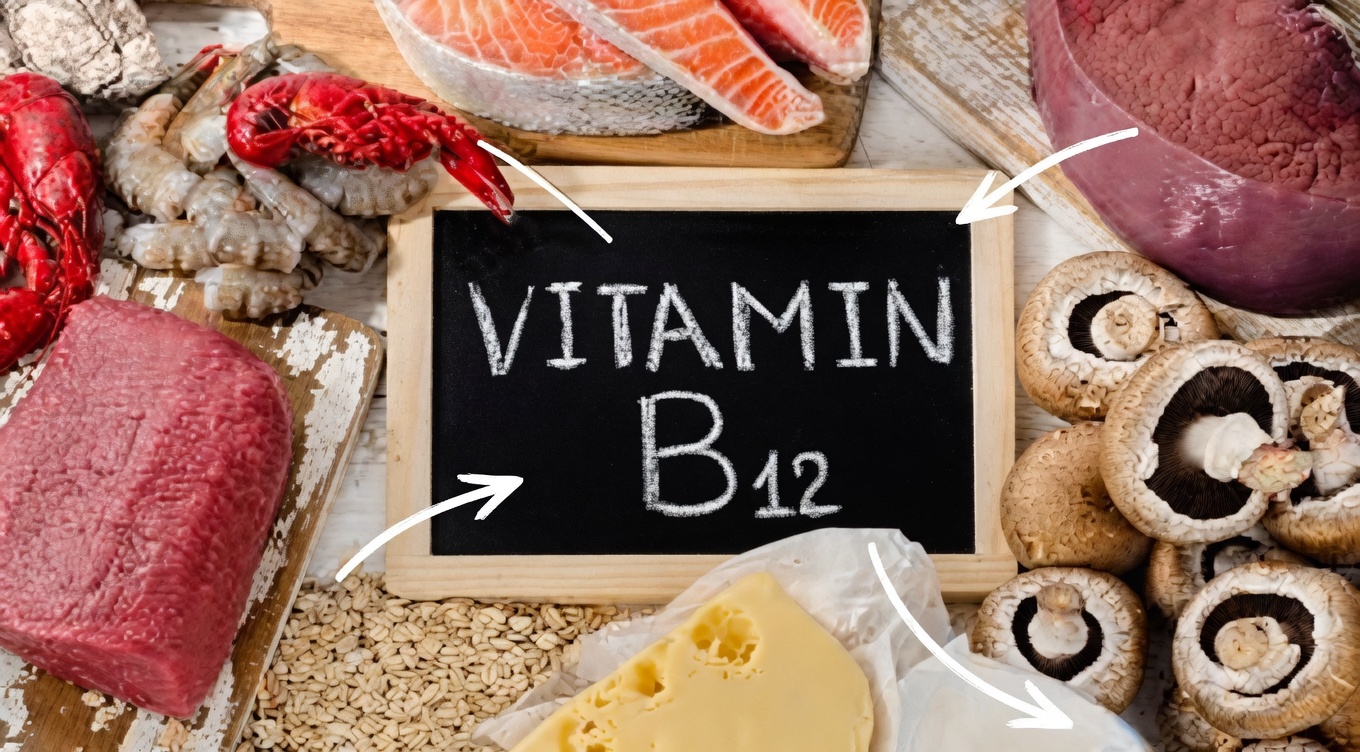
- Eat B12-rich animal foods regularly, such as eggs, fish, meat, and dairy.
- If you follow a plant-based diet, choose B12-fortified foods (and discuss supplementation with a clinician if needed).
- Ask your doctor about blood testing if you suspect low vitamin B12.
- Consider factors that reduce absorption, including certain medications and digestive changes.
- Pay attention to changes in how you feel over several weeks, not just a day or two.
Food ideas high in vitamin B12: salmon, clams, eggs, dairy products, and fortified cereals.
Low vitamin B12 symptoms don’t have to become your “new normal.” Listening to your body and getting the right support can help protect long-term energy and well-being.
Frequently Asked Questions
Can low vitamin B12 cause fatigue in adults over 40?
Yes. Because vitamin B12 supports red blood cell production and oxygen transport, low levels can contribute to persistent fatigue. A blood test is the best way to confirm.
What foods naturally contain vitamin B12?
Vitamin B12 is naturally found mostly in animal-based foods such as meat, fish, eggs, and dairy. People who avoid animal products can use fortified foods to help meet needs.
When should I talk to a doctor about possible low vitamin B12?
If you notice multiple symptoms—especially fatigue, tingling, mood changes, or brain fog—that persist or worsen, seek professional evaluation for accurate testing and guidance.
Medical Disclaimer
This article is for informational purposes only and is not a substitute for professional medical advice. Consult a qualified healthcare provider for blood tests, diagnosis, or personalized recommendations regarding vitamin levels and symptoms.