Why Chicken Gizzards Deserve a Place in Your Kitchen
Chicken gizzards are often left behind in the grocery aisle—mostly because people aren’t sure how to cook them or worry they’ll turn out rubbery. That hesitation is understandable, but it also means missing one of the most budget-friendly ways to get high-quality nutrition. While many shoppers spend heavily on supplements and trendy “superfoods,” chicken gizzards quietly deliver impressive protein, vitamins, and minerals in a relatively low-calorie serving.
With the right preparation, chicken gizzards can become tender, deeply savory, and surprisingly versatile. In fact, one simple technique can completely change their texture and make them far easier to enjoy.

What Are Chicken Gizzards?
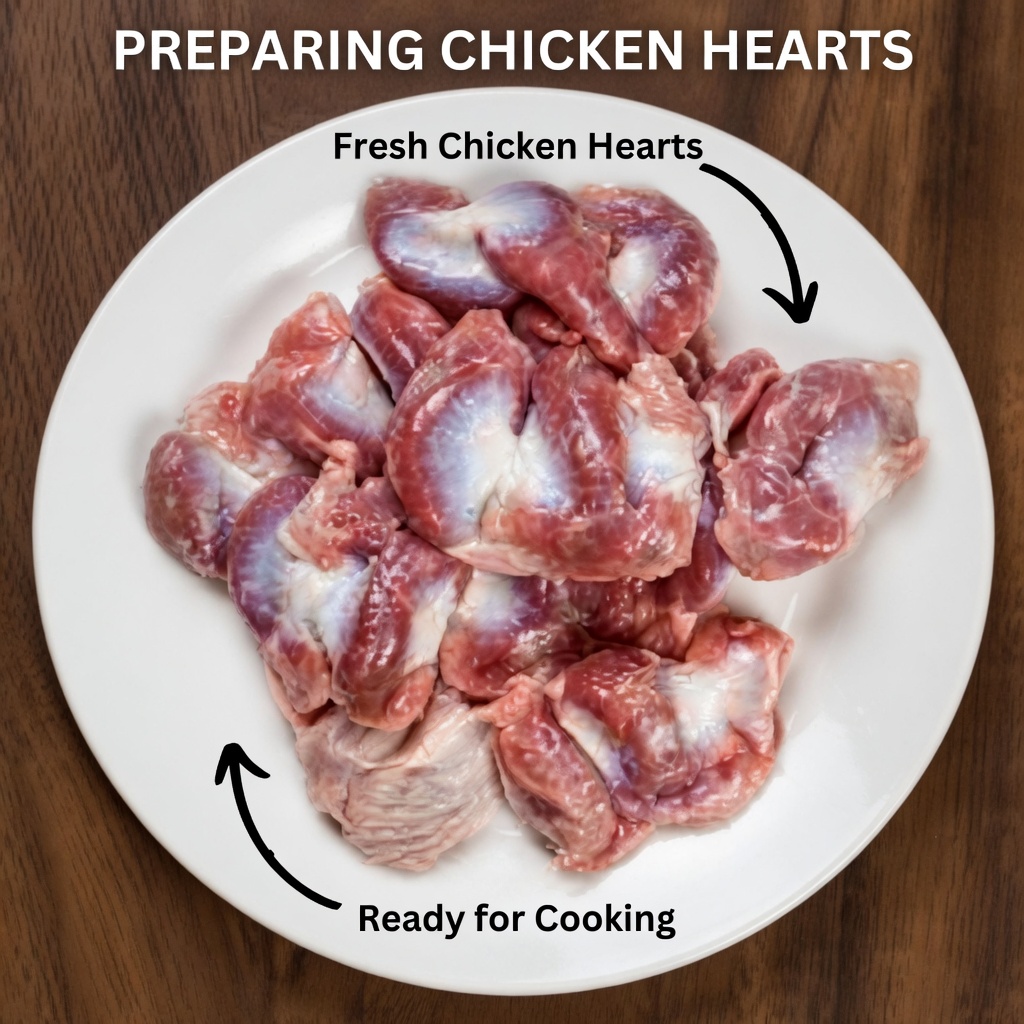
Chicken gizzards are part of a bird’s digestive system—a strong, muscular stomach that helps grind food. Because they are built for constant work, they naturally have a firmer texture than typical cuts of meat. That same function also contributes to their nutrient density, which is why organ meats (including gizzards) are frequently cited in nutrition research as concentrated sources of key micronutrients.
Chicken Gizzards Nutrition: What Makes Them Stand Out?
Modern eating habits can create nutrient gaps—even when calorie intake is adequate. If you feel like your energy is low despite “eating enough,” your diet may be missing iron, zinc, or B vitamins.
Chicken gizzards offer a compact nutrient boost. In a 100g cooked portion (based on USDA-style data), they commonly provide:
- High protein for fullness and muscle maintenance
- Notable iron and zinc levels
- B vitamins such as B12 and niacin (B3)
- Low fat, and no carbohydrates
For many people, this makes chicken gizzards a smart option for nutrient-focused meals without adding extra carbs or excessive calories.
Key Nutrition Facts (Per 100g Cooked)
| Nutrient (per 100g cooked) | Approx. Amount | Potential Daily Value Support | Why It Matters |
|---|---|---|---|
| Calories | ~154 | Lower-calorie protein | Supports satiety without heavy calories |
| Protein | ~30g | Up to ~60% | Helps maintain muscle and promotes fullness |
| Fat | ~3g | Lean option | Fits many calorie-controlled plans |
| Iron | High (varies) | ~20–30% | Supports energy and healthy blood function |
| Zinc | Significant | Meaningful contribution | Supports immune function and recovery |
| Vitamin B12 | Excellent | High contribution | Supports nerves and red blood cell production |
| Niacin (B3) | Good amount | Moderate contribution | Supports energy metabolism |
Values are approximate and may vary by cooking method and sourcing.
Five Reasons Chicken Gizzards Can Upgrade Your Meals
Many people avoid gizzards solely because of texture. But once properly cooked, they can be a practical, nutrient-dense addition to everyday eating.
- High-quality protein: About 30g per 100g cooked, supporting muscle repair and long-lasting fullness
- Iron support: Useful for those who struggle with low iron intake or frequent fatigue
- Zinc for immunity: Helpful during seasonal changes and periods of stress
- B vitamin boost: B12 and niacin contribute to energy production and metabolic function
- Excellent value: Often delivers more nutrients per dollar than many “premium” cuts
Organ meats are widely recognized for their role in balanced nutrition, especially when included sensibly alongside vegetables, whole grains, and healthy fats.

How to Cook Chicken Gizzards So They Turn Out Tender
The biggest mistake people make with chicken gizzards is cooking them too quickly and expecting them to behave like chicken breast. The key is slow, gentle cooking.
Best foundational method (simmering):
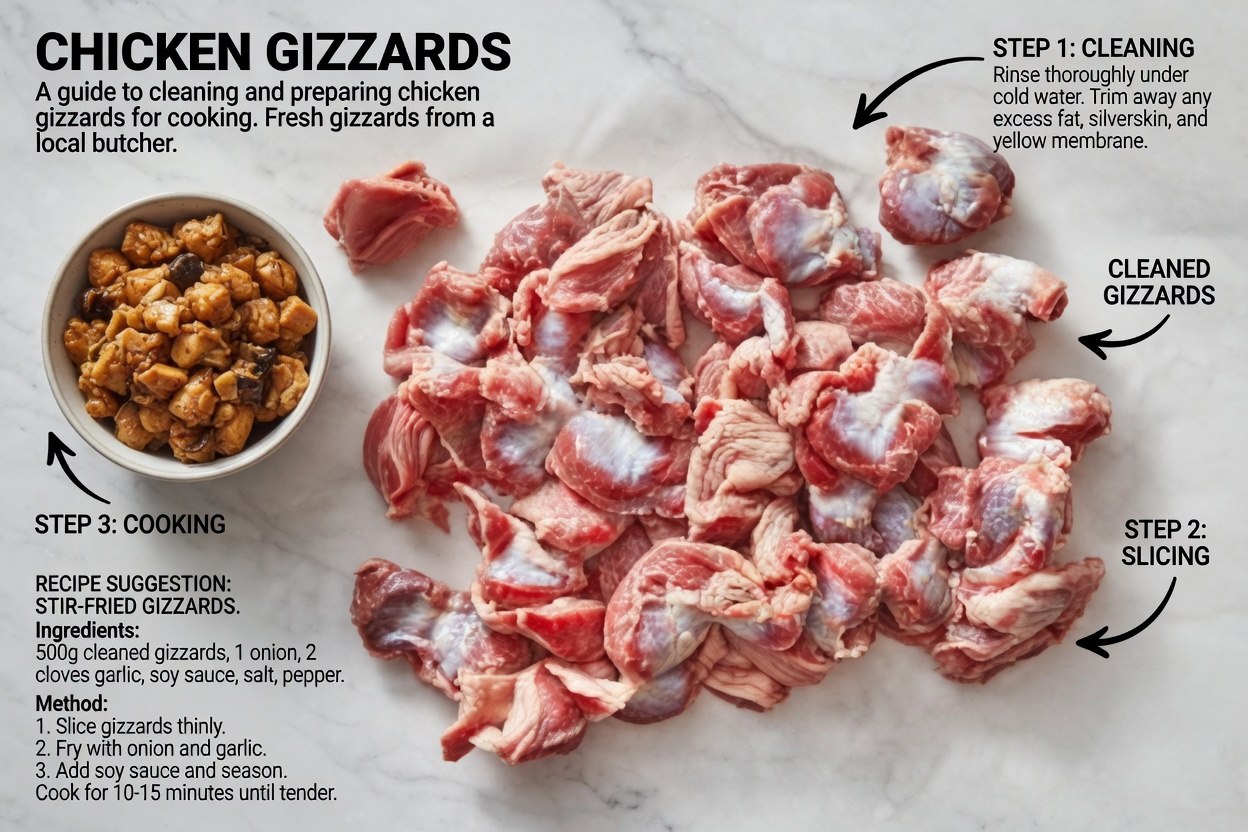
- Clean and rinse the gizzards thoroughly.
- Place them in a pot and cover with water (or light broth).
- Add aromatics like onion and garlic (optional but helpful).
- Simmer gently for 1–2 hours until they are fork-tender.
This approach gradually softens the muscle fibers, turning gizzards from tough to pleasantly chewy and tender. Once cooked, let them cool slightly, then slice or chop for whichever recipe you want to use next.
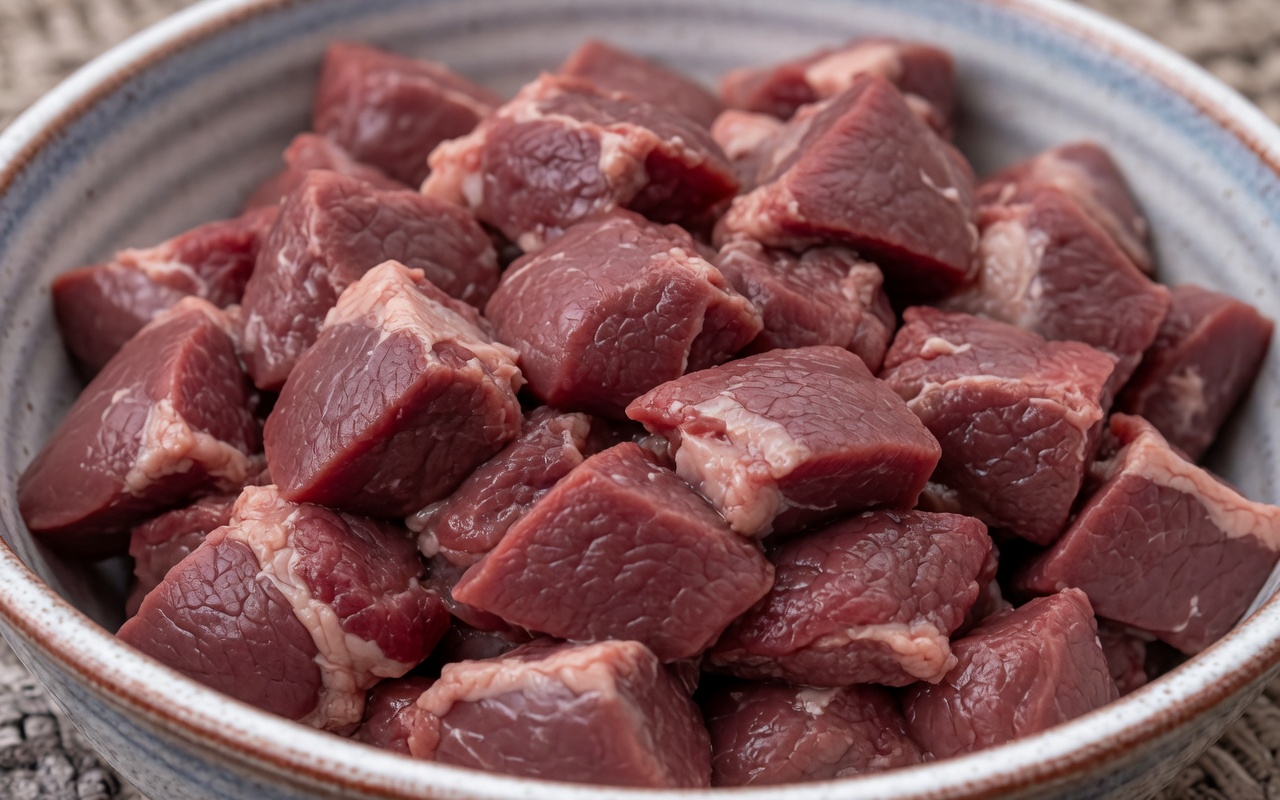
Three Delicious Ways to Use Chicken Gizzards
1) Add Chicken Gizzards to Comforting Soups and Stews
After simmering until tender, chicken gizzards work beautifully in soups and stews. Add them with carrots, herbs, and aromatics for a hearty bowl that brings extra protein and rich flavor depth.
2) Grill Chicken Gizzards for a Smoky, Savory Bite
For a crowd-friendly option, marinate pre-tenderized gizzards in oil, herbs, garlic, and spices, then skewer and grill. The light char adds a smoky edge that balances their natural richness.
3) Make a Fast Stir-Fry with Vegetables
Sliced, tender gizzards are excellent in quick stir-fries. Sauté with garlic, vegetables, and soy sauce (or your preferred seasoning blend). This method keeps the meal fast while letting chicken gizzards absorb bold flavors.
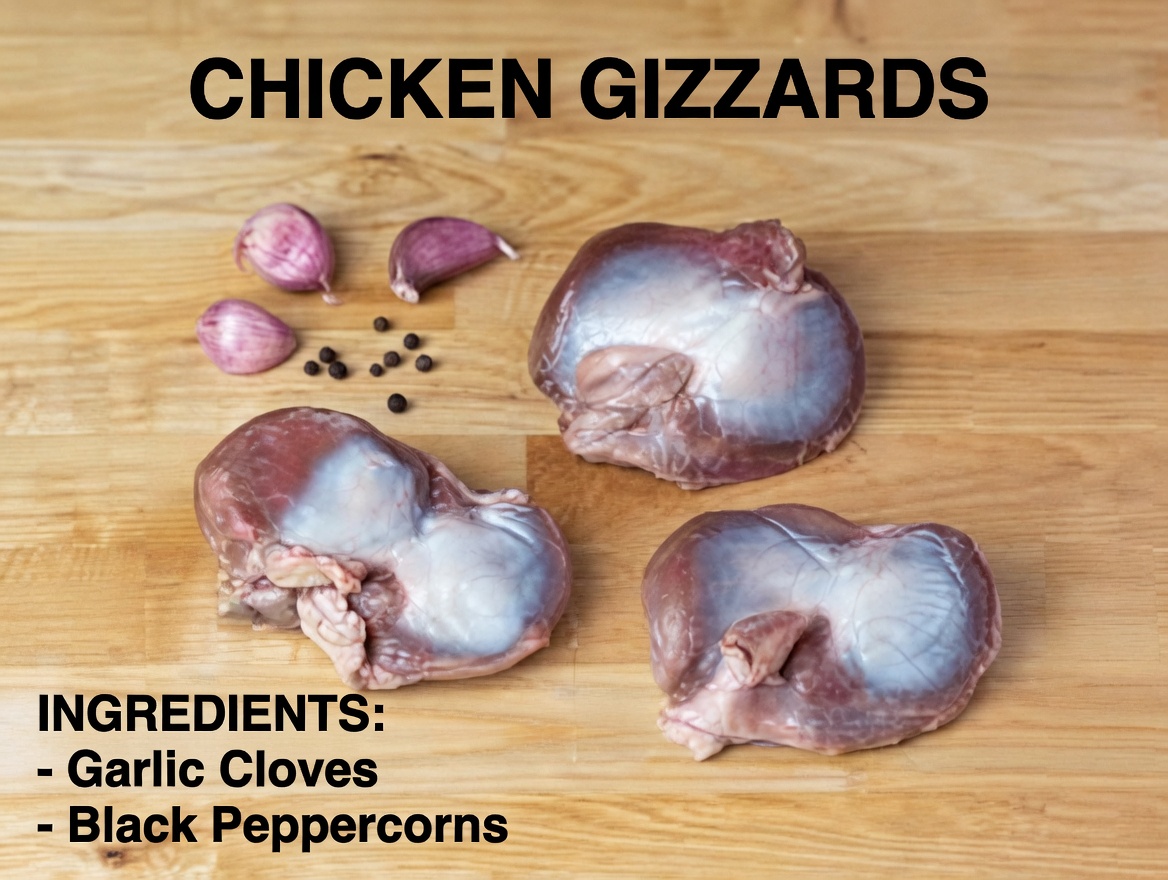
Chicken Gizzards vs. Other Common Protein Choices
| Protein Source (100g cooked) | Protein (g) | Calories | Iron Support | Notes |
|---|---|---|---|---|
| Chicken gizzards | ~30 | ~154 | High | Nutrient-dense and affordable |
| Chicken breast | ~31 | ~165 | Moderate | Lean and widely available |
| Beef liver | ~27 | ~135 | Very high | Another organ meat option |
| Eggs (2 large) | ~12 | ~140 | Low | Convenient source of B12 |
Chicken gizzards compare favorably—especially for shoppers who want strong nutrition at a lower cost.
Easy Ways to Eat Chicken Gizzards Each Week
| Meal Idea | Simple Prep Tip | Why It Works |
|---|---|---|
| Weeknight stir-fry | Pre-simmer, then quick sauté | Fast, flavorful, nutrient-rich |
| Weekend grilling | Marinate overnight | Great texture and smoky taste |
| Soup or stew add-in | Simmer in broth until tender | Comforting and filling |
| Skewer-style snacks | Grill small batches | Portable and satisfying |
If you’re new to organ meats, start small: try a stir-fry this week and adjust seasoning to your taste.
Frequently Asked Questions About Chicken Gizzards
Are chicken gizzards healthy to eat often?
They can be a nutritious choice in moderation because they’re high in protein and rich in minerals. Keep in mind they may also be higher in cholesterol, so overall dietary balance matters.
How do I make chicken gizzards less tough?
Use long, gentle simmering (about 1–2 hours) until tender. A pressure cooker can shorten the cooking time significantly.
Do chicken gizzards work for a low-carb diet?
Yes. Chicken gizzards contain zero carbohydrates and are naturally high in protein, making them suitable for low-carb eating patterns.
Medical Disclaimer
This content is for informational purposes only and does not replace professional medical advice. For personalized guidance on nutrition, cholesterol, or how chicken gizzards fit your diet, consult a qualified healthcare provider.