Circulation Changes After 50: Why Heavy Legs and Cold Hands Feel More Common
After age 50, many people start noticing heavier legs, cooler hands and feet, or a general dip in stamina that makes everyday tasks feel more demanding. Often, these gradual shifts are linked to circulation changes that quietly influence comfort and energy levels.
The good news is that certain nutrients may help support healthy blood vessels. One standout is niacin (vitamin B3)—and newer research on a specific B3-related form is raising interesting questions about mobility and walking performance, which you’ll read about below.
What Is Niacin (Vitamin B3) and How Can It Support Circulation?
Niacin, also called vitamin B3, is an essential nutrient involved in:
- Converting food into usable energy
- Supporting cell function and overall metabolic health
Niacin is also known for an effect called vasodilation, where blood vessels temporarily widen. This widening can influence blood flow and is one reason niacin has long been studied in relation to vascular function.
In addition, niacin has been researched for its impact on blood lipids, including:
- Increasing HDL (“good”) cholesterol
- Reducing triglycerides
Together, these effects may indirectly contribute to long-term blood vessel health. For many adults, meeting daily vitamin B3 needs supports everyday vitality—especially as the body’s natural resilience changes with age.
Why Circulation Support Becomes More Important After Age 50
As we get older, blood vessels naturally become less elastic. Lifestyle factors—such as limited activity, diet patterns, and other health conditions—may further affect circulation. For some people, this shows up as:
- Leg discomfort or heaviness during walks
- Feet that warm up more slowly
- Fatigue that appears sooner than it used to
Because circulation influences how oxygen and nutrients reach tissues, maintaining healthy vessel function becomes increasingly relevant for comfort, mobility, and daily quality of life.
Research suggests that nutrients supporting vascular function—including niacin—may be helpful as part of a consistent, food-based approach. Niacin’s lipid-related benefits may also contribute to long-term cardiovascular wellness.
Emerging Research: A Niacin-Related Form (NR) and Mobility
Beyond standard niacin, scientists are also investigating nicotinamide riboside (NR), a form related to vitamin B3.
A 2024 randomized trial published in Nature Communications studied people with peripheral artery disease (PAD)—a condition that limits blood flow to the legs. Participants took NR for six months.
Among participants who followed the supplement plan closely, results showed they were able to walk farther in a standard walking test compared with the placebo group. The findings suggest NR may support muscle energy production and function, which could translate into better walking capacity for some individuals.
This doesn’t mean all vitamin B3 supplements will produce the same effect, but it does highlight a growing research interest in B3-related compounds for leg comfort, mobility, and energy. The science is still developing, yet it offers encouraging possibilities.

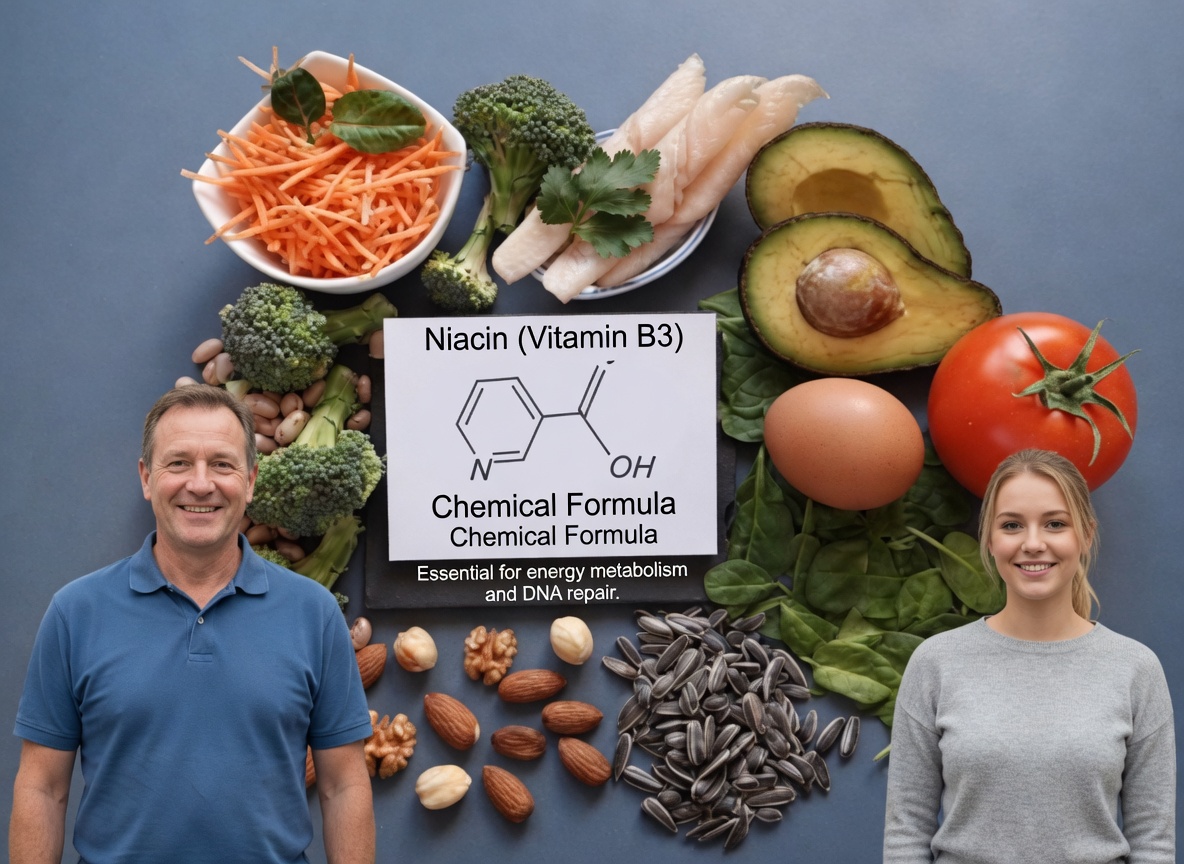
Best Food Sources of Niacin (Vitamin B3)
For most people, the safest and most practical way to get niacin is through everyday foods. Animal-based options are typically higher in niacin, but plant foods add valuable variety.
Great niacin-rich foods include:
- Grilled chicken or turkey breast
- Tuna or salmon
- Peanuts and sunflower seeds
- Avocado and whole grains
Many people report more consistent energy when these foods appear regularly in meals.
Niacin in Common Foods (Approximate)
Food (Serving) | Approx. Niacin (mg) | % Daily Value (based on 16 mg)
- Grilled chicken breast (3 oz) | 10–12 mg | 60–75%
- Tuna, cooked (3 oz) | 11–13 mg | 70–80%
- Salmon, cooked (3 oz) | 8–10 mg | 50–60%
- Peanuts (1 oz) | 4–5 mg | 25–30%
- Avocado (half) | 2–3 mg | 12–18%
- Sunflower seeds (1 oz) | 2–3 mg | 12–18%
- Brown rice, cooked (1 cup) | 4–5 mg | 25–30%
Sources: USDA and related nutrition databases. Values vary by brand and preparation.
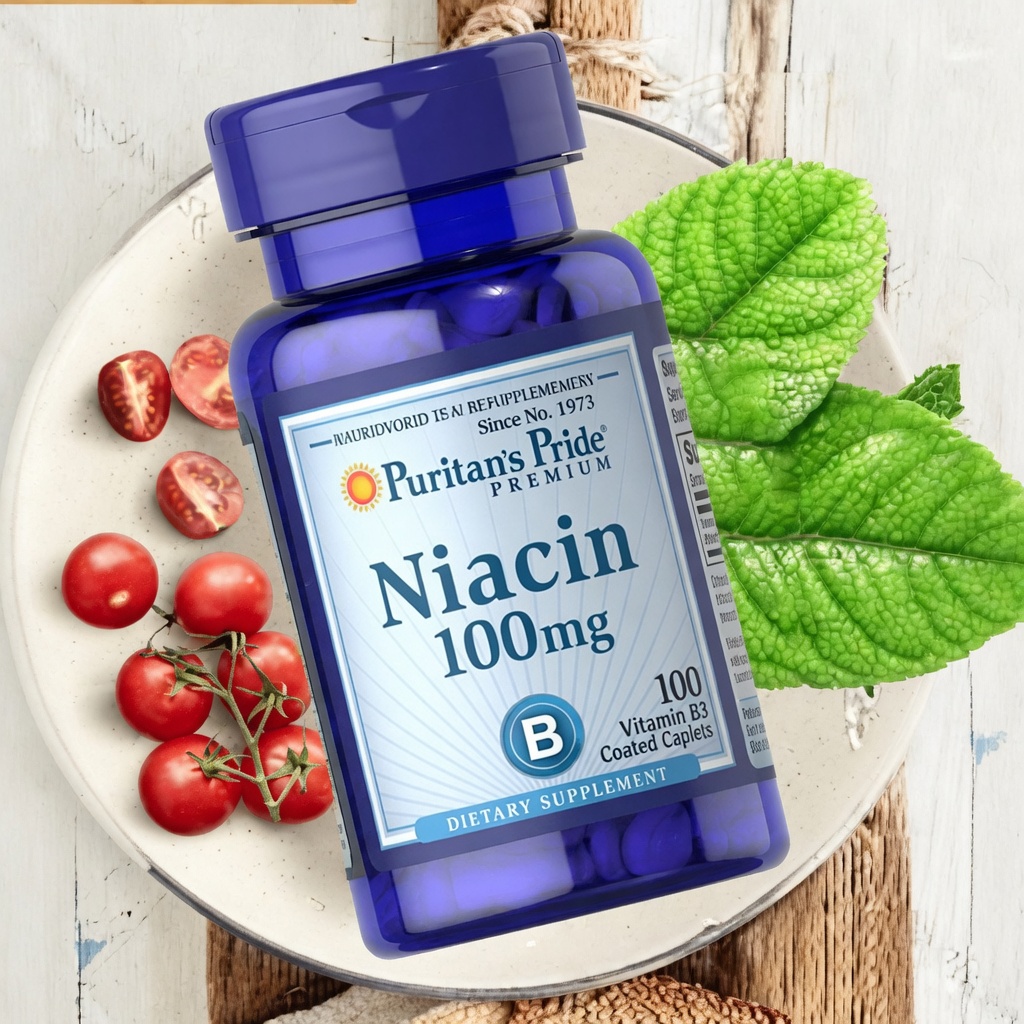
Niacin Supplements: Use a Cautious, Informed Approach
Food-first is typically best, but some people consider niacin supplements for targeted goals.
Important points to know:
- Higher “therapeutic” doses used for lipid management should be taken only under medical supervision
- Side effects can include flushing, and in rare cases, liver-related concerns
- Some newer research suggests excess niacin may contribute to inflammation in certain situations, which reinforces the importance of moderation
If you’re thinking about supplements—especially at higher doses—discuss it with a healthcare provider, particularly if you take medications or manage cardiovascular conditions.
Simple Ways to Increase Daily Niacin Intake
Meal Time | Easy Addition | Potential Benefit
- Breakfast | Whole-grain toast with avocado | More steady morning energy
- Lunch | Grilled chicken or tuna salad | Supports midday vitality
- Snack | A handful of peanuts or seeds | Quick nutrient boost
- Dinner | Baked salmon with brown rice | Supports evening comfort
Small changes can be surprisingly effective. Adding one niacin-rich food—like salmon once a week or peanuts as a snack—can be an easy step toward supporting energy and leg comfort over time.
Frequently Asked Questions
How much niacin do most adults need each day?
Most adult recommendations fall around 14–16 mg daily, which is often achievable with a balanced diet that includes protein foods and whole grains.
Can niacin directly improve leg circulation?
Niacin may support vascular function through several pathways, but individual results vary. Research is ongoing, especially regarding specific B3-related forms like nicotinamide riboside (NR).
Is too much niacin risky?
Yes. High-dose supplements can cause side effects and should not be taken casually. For most people, focusing on niacin from foods is a safer approach unless a clinician recommends otherwise.
Medical Disclaimer
This article is for informational purposes only and does not replace professional medical advice. Always consult your healthcare provider for personalized guidance on circulation, vascular health, supplements, or nutrient intake.