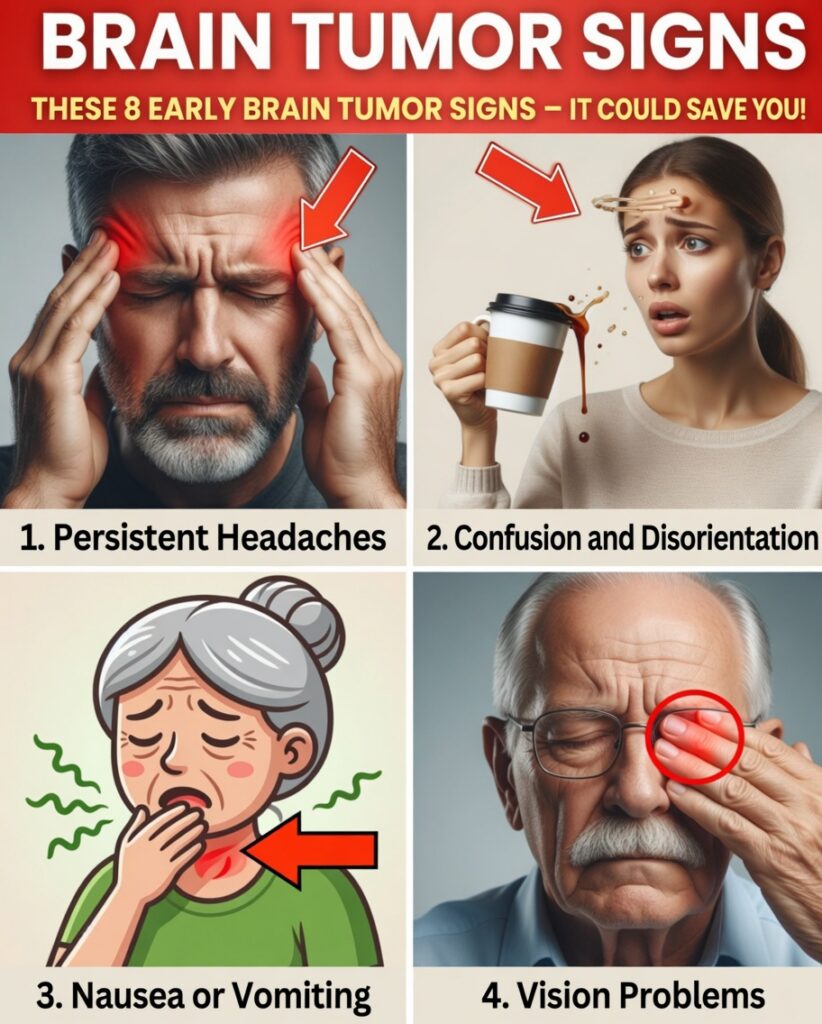
Brain Tumors in the U.S.: Why Early Clues Matter
Each year, close to 90,000 Americans are newly diagnosed with a brain tumor, and an estimated 700,000 people are currently living with a primary brain tumor. A major challenge is that many tumors aren’t discovered for months—or even years—because the earliest changes can be mild, inconsistent, and easy to explain away as stress, aging, migraines, poor sleep, or simply “life.”
Leading brain tumor organizations emphasize that spotting unusual neurological changes early can meaningfully affect treatment choices and quality of life. Yet many people delay getting checked until symptoms become hard to ignore.
If you’ve noticed headaches that feel different, difficulty finding words, subtle balance shifts, or fatigue that doesn’t match your routine, you’re not alone—and paying attention isn’t overreacting.
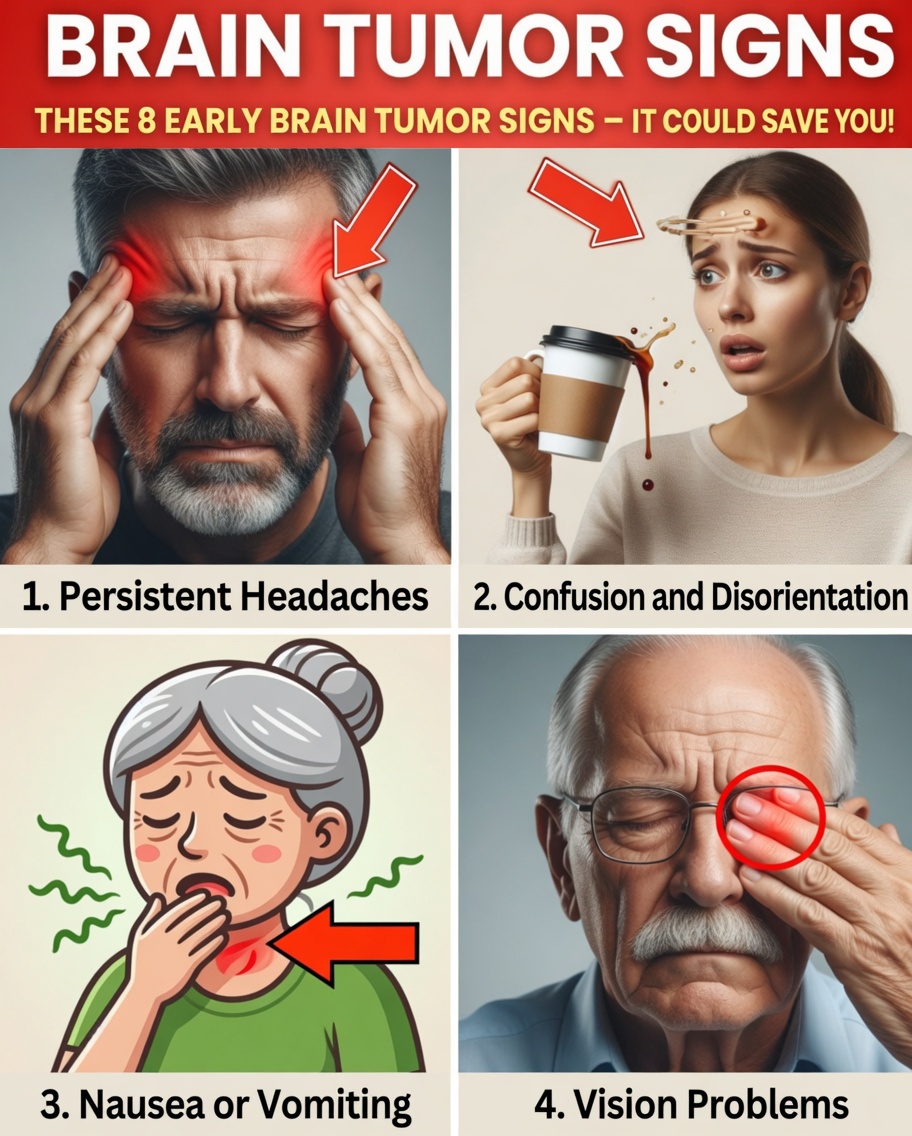
Why Brain Tumors Are Often Missed Until Later
Your brain sits inside a rigid skull. That means even a slow-growing tumor can gradually:
- increase pressure in the skull,
- compress healthy brain tissue,
- irritate nerves and nearby structures.
Because the skull can’t expand, symptoms may show up before the tumor becomes large—but they often start quietly and build over time.
Many people experience vague or on-and-off symptoms for 6–18 months before seeking specialist care. Both patients and clinicians may initially attribute early changes to:
- stress or burnout,
- hormonal shifts,
- aging,
- common headache patterns.
A frustrating reality is that routine bloodwork and basic physical exams can look normal, which can delay further investigation.
By learning the most commonly overlooked patterns, you improve your chances of acting while options are broadest.
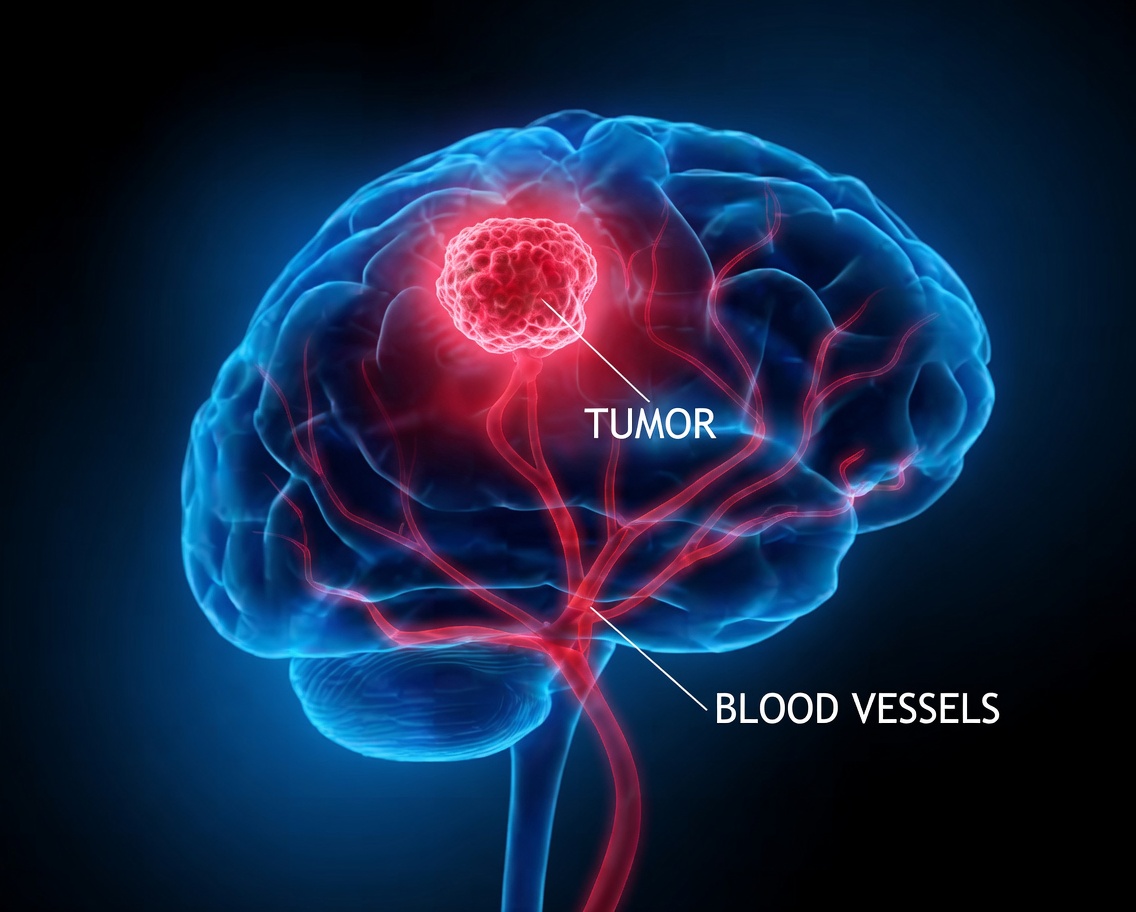
8 Early Warning Signs of a Brain Tumor You Shouldn’t Ignore
These symptoms can have many causes. Still, they deserve attention—especially if they’re new for you, persistent, progressive, or happening together.

1. Persistent Headaches or a Clear Change in Headache Pattern
Headaches linked to a brain tumor often feel different from your usual tension headache or migraine. Watch for headaches that are:
- new in pattern or steadily worsening,
- worse in the morning,
- more intense when lying down,
- accompanied by nausea.
They may respond poorly to over-the-counter medication and can sometimes wake you from sleep. Early on, they may come and go—making them easy to dismiss as stress, sinuses, or dehydration.
2. Word-Finding Difficulty or Speech Changes
Subtle language issues can be an early clue, including:
- struggling to find common words,
- mixing up names,
- speaking more slowly than usual,
- trouble understanding conversation.
These symptoms (often grouped under dysphasia) may develop gradually and are frequently blamed on fatigue, “brain fog,” or aging. If the change is new and consistent, it’s worth evaluating.
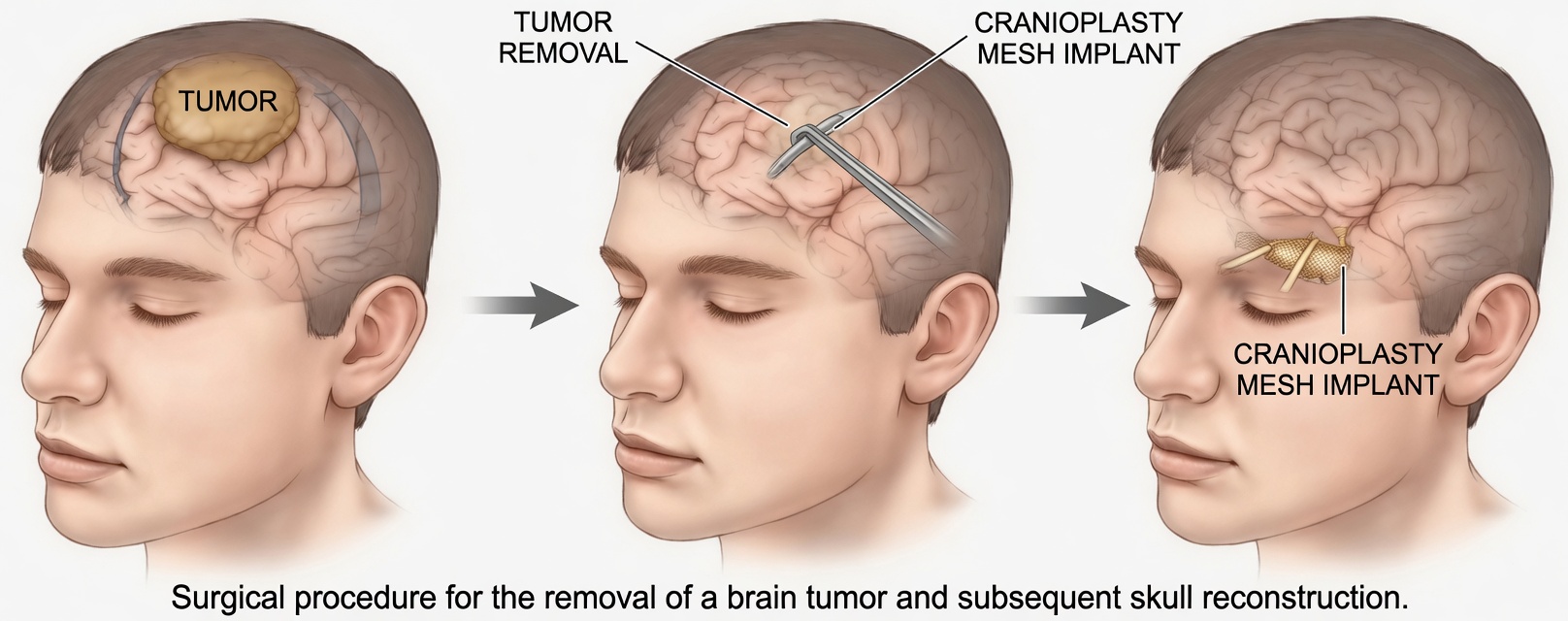
3. New-Onset Seizures (Especially After Age 40)
A seizure beginning in adulthood is considered a major warning sign—even if it seems minor.
Not all seizures look dramatic. Focal seizures may involve:
- twitching in one arm or leg,
- unusual smells or tastes,
- a déjà vu sensation,
- brief “staring spells” or lapses in awareness.
It’s common for people to downplay a single event as fainting or low blood sugar. However, adult-onset seizures are one of the strongest indicators that a structural brain issue may need to be ruled out.
4. Vision Changes That Are New, Persistent, or One-Sided
Brain-related vision symptoms can include:
- blurred vision,
- double vision,
- loss of peripheral (side) vision,
- flashing lights,
- noticing a “missing” area in your visual field.
Because they can develop slowly, many people assume they simply need new glasses or are dealing with screen strain. Vision changes that are persistent, progressive, or primarily on one side deserve prompt attention.

5. Numbness, Weakness, or Clumsiness on One Side
New neurological weakness or sensory change—especially on one side of the body—can be concerning. Examples include:
- numbness or tingling,
- heaviness in an arm or leg,
- new clumsiness or dropping objects.
These are often misattributed to a pinched nerve, carpal tunnel, or “sleeping wrong.” If symptoms persist or worsen over days to weeks, seek urgent medical guidance.
6. Personality or Mood Shifts That Feel Out of Character
Changes in behavior can be subtle early signs, particularly when a tumor affects the frontal lobes. Potential changes include:
- unusual irritability,
- apathy or emotional flatness,
- impulsive decisions,
- socially inappropriate behavior.
Often, family or friends notice these shifts first. Because mood changes are common in everyday life, they’re also among the most frequently dismissed.

7. Trouble with Memory, Focus, or Planning
Cognitive changes can appear as:
- short-term memory lapses,
- difficulty concentrating,
- trouble following conversations,
- struggling to plan or organize daily tasks.
People often blame this on stress, multitasking, menopause, or normal aging. The key difference is when the decline feels noticeably different from your baseline or progresses more quickly than expected.
8. Unexplained, Ongoing Fatigue and Morning Nausea
Less obvious symptoms can still matter—especially when they persist. Be alert for:
- exhaustion that doesn’t improve with rest,
- nausea (often in the morning) not explained by food, pregnancy, or medications.
These may relate to increased pressure inside the skull or the body’s broader response to a growing mass. They’re frequently blamed on poor sleep, being overworked, or “getting run down.”
Brain Tumor Signs vs. Common Dismissals (Quick Reference)
| Possible Sign | How It May Feel | Commonly Dismissed As | When to Take It More Seriously |
|---|---|---|---|
| Persistent or changing headaches | Worse mornings/lying flat, nausea | Stress, migraine, sinus issues | New pattern + other neurological symptoms |
| Speech/word-finding trouble | Can’t find words, halting speech | Tiredness, aging, brain fog | New and persistent |
| New-onset seizures | Twitching, odd sensations, staring spells | One-time event, “low blood sugar” | Any adult-onset seizure |
| Vision changes | Blurry/double vision, field loss | Needing new glasses, eye strain | One-sided or progressive symptoms |
| One-sided numbness/weakness | Heavy limb, clumsiness | Pinched nerve, sleeping wrong | Persistent/worsening, especially with other signs |
| Personality/mood changes | Irritability, apathy, impulsivity | Stress, hormones, “midlife crisis” | Clearly out of character + other symptoms |
| Memory/focus problems | Forgetting, poor concentration | Multitasking, menopause, aging | Rapid or unusual progression |
| Extreme fatigue + morning nausea | Unrelenting tiredness, morning nausea | Poor sleep, busy schedule | Combined with neurological symptoms |
The Single Most Important Action to Take Now
The biggest difference between early detection and a late diagnosis is often not waiting for severe, unmistakable symptoms.
A single symptom can have many benign explanations. But two or more signs happening together, especially if they last more than a few weeks, raises concern far more than any one symptom alone.
Practical next steps many neurologists recommend
-
Start a simple 2-week symptom diary (today)
- Record when symptoms occur
- Note how long they last
- Rate severity (1–10)
- Track what improves or worsens them
-
Book a medical appointment if you notice persistent or combined changes
- Helpful phrasing:
“I’ve had several new neurological symptoms for weeks—headaches, word-finding difficulty, and balance changes. Can we discuss whether imaging would be appropriate?”
- Helpful phrasing:
-
Ask directly about neurological evaluation or imaging if symptoms are unexplained and progressive
- Clear questions are appropriate when symptoms are continuing or worsening.
Early evaluation doesn’t automatically mean something serious will be found. Often it provides reassurance. And when something is detected, acting sooner typically preserves the widest range of treatment options.
Frequently Asked Questions
Are these symptoms always caused by a brain tumor?
No. Most of these signs have more common explanations, including migraines, sleep disorders, anxiety, vitamin deficiencies, medication side effects, hormonal changes, and typical aging. What makes them more concerning is when symptoms are new, persistent, progressive, or cluster together.
If my basic tests are normal, does that rule out a brain tumor?
Not necessarily. Blood tests and routine physical exams can be normal even when neurological issues are developing. If symptoms continue or worsen, discuss whether a neurological evaluation and potentially brain imaging should be considered.
When should I seek urgent care?
Seek urgent evaluation if you experience a first-time seizure, sudden weakness or numbness (especially one-sided), severe or rapidly worsening headache, major confusion, or sudden vision changes—particularly if symptoms are escalating quickly.