
High creatinine levels often rise quietly. Many people first notice ongoing fatigue, a “heavy” low-energy feeling, or mild swelling in the ankles, feet, or hands—even when they believe they’re eating well and resting enough. For anyone dealing with kidney concerns such as early chronic kidney disease (CKD), these subtle symptoms can feel unsettling and raise questions about progression and daily comfort.
The encouraging part is that small, intentional dietary habits—including certain evening fruits—may offer gentle support by adding hydration, fiber, and antioxidants that work well with the body’s natural overnight repair rhythm. Still, not every fruit is kidney-friendly, and one popular option deserves extra caution. This guide covers four smart nighttime choices, plus a simple routine to help you use them consistently.
Why Nighttime Fruit Choices Matter for Kidney Support
When the kidneys are under strain and can’t filter waste as efficiently, creatinine may build up, contributing to that sluggish, weighed-down feeling many describe. Evening can be a helpful window because the body shifts toward rest, recovery, and cellular repair, making nighttime snacks a strategic opportunity—if you choose foods that don’t add unnecessary workload.
Research frequently highlights the value of antioxidant-rich foods for reducing oxidative stress and inflammation, which may indirectly support kidney comfort. This can be especially relevant for adults over 50 and for people managing diabetes or high blood pressure, where kidney health requires ongoing attention.
A common frustration is that “healthy eating” doesn’t always translate into improved lab numbers. One overlooked issue is that some fruits contain high potassium, phosphorus, or added sugars, which can create subtle strain—particularly for people on kidney-limited diets. That’s why focusing on lower-mineral fruits with protective compounds can be a practical, empowering step.
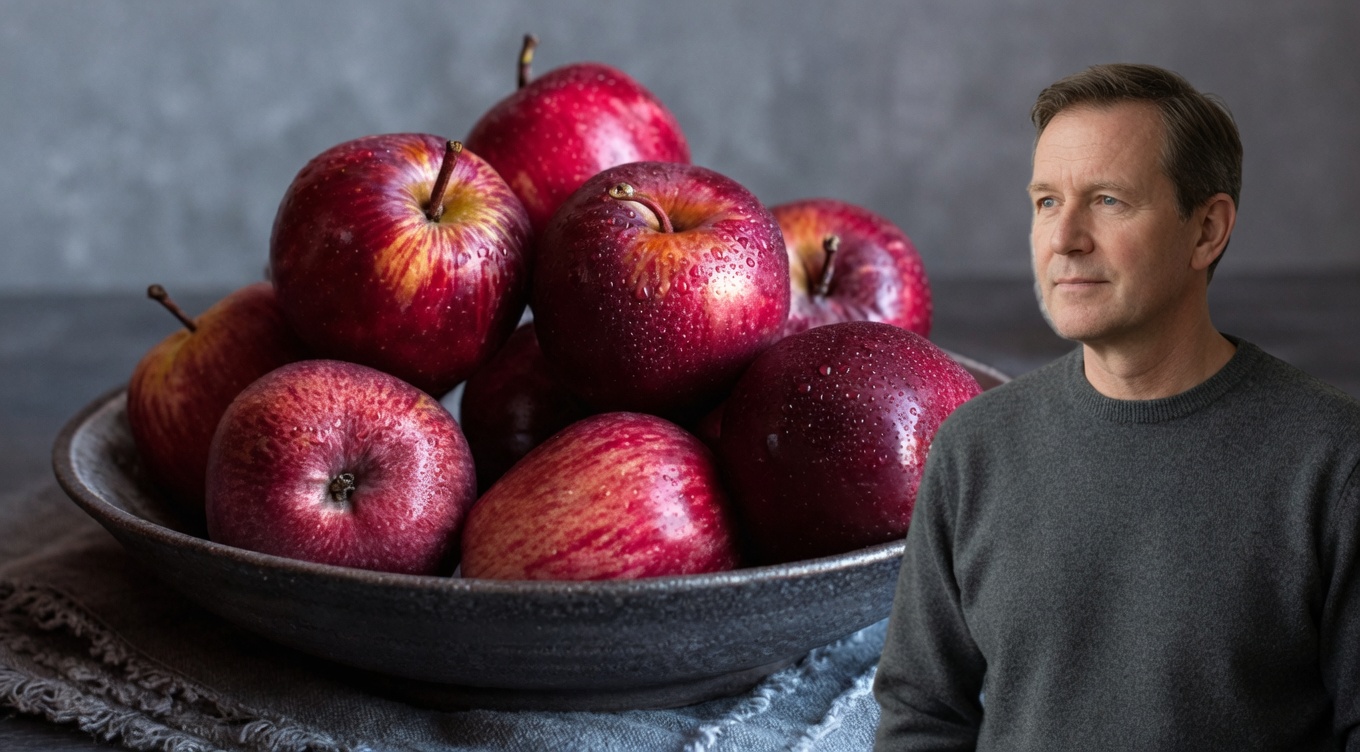
4. Apples – A Gentle Evening Choice for Kidney-Conscious Eating
Waking up feeling puffy or mildly swollen can make mornings feel harder than they should. Apples are often considered a strong option for an evening snack because their mineral load is generally modest: a medium apple contains about 195 mg of potassium and roughly 10–20 mg of phosphorus, which may fit many kidney-aware eating plans.
A major benefit comes from pectin, the soluble fiber in apples. Pectin can act like a natural “binder” in the digestive tract, helping carry certain wastes out through the gut—potentially reducing how much the kidneys have to manage overnight.
Apples also provide antioxidants such as quercetin and chlorogenic acid, which help combat oxidative stress that can affect sensitive kidney tissues. Eating the apple with the skin increases these protective compounds. Additionally, apples have a low glycemic impact, which may help reduce blood sugar spikes that can contribute to inflammation.
If evening bloating or morning puffiness is a frequent issue, try one sliced apple as a light snack before bed.

3. Blueberries – Antioxidant Support for Overnight Comfort
When fatigue feels persistent, low-grade inflammation may be part of the bigger picture. Blueberries are small but powerful—especially for kidney-conscious diets. A ½ cup serving typically contains only about 57–65 mg of potassium and around 7–8 mg of phosphorus, making them one of the more kidney-friendly fruit options.
Their deep color comes from anthocyanins, antioxidants known for helping neutralize free radicals that can damage cells and increase inflammation. Berry-focused research often points to potential benefits for supporting overall wellness, including processes that influence kidney and cardiovascular health—two systems that are closely connected.
For an easy evening habit, blueberries can be eaten fresh, or enjoyed frozen as a naturally sweet, refreshing snack. Some people like adding a pinch of cinnamon for flavor and blood sugar steadiness.
2. Red Grapes – Resveratrol for Gentle Cellular Protection
If you’re worried about long-term kidney strain, small food choices that reduce oxidative stress can feel meaningful. Red grapes, eaten in moderation, provide resveratrol, a compound concentrated in the skin and associated with antioxidant and anti-inflammatory effects.
A typical ½ cup serving contains roughly 150–200 mg of potassium and generally low phosphorus, which may fit many kidney-friendly patterns depending on individual limits.
Because grapes contain natural sugars, portion size matters—and it’s best to choose whole grapes rather than juice so you benefit from fiber and avoid the sugar concentration found in juices.
A small chilled handful in the evening can be a simple, satisfying option when you want something sweet without overloading minerals.

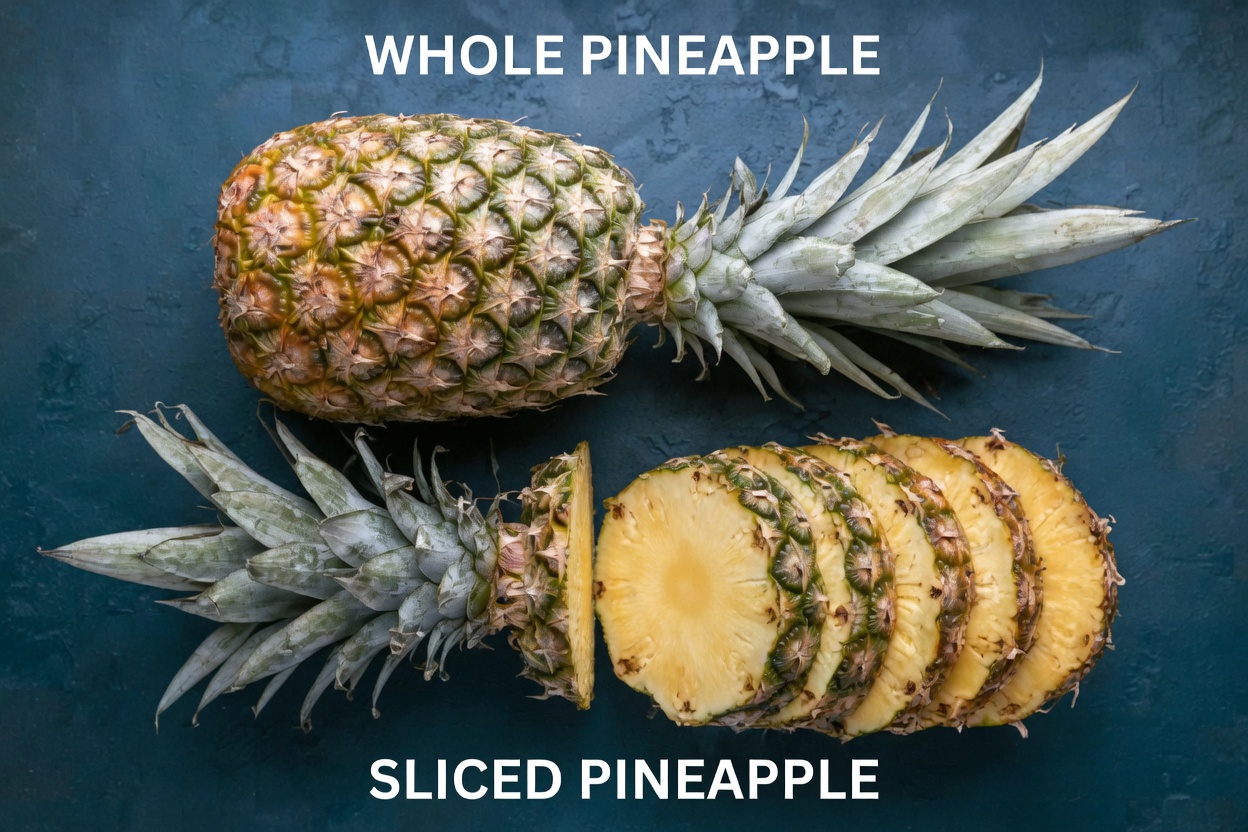
1. Pineapple – Bromelain and Refreshing Nighttime Support
That “toxic buildup” sensation—heaviness, discomfort, poor sleep—can make the nighttime hours feel less restorative. Fresh pineapple is a kidney-conscious fruit option for many people because it tends to be low in phosphorus and moderate in potassium (about 180 mg potassium per 1 cup).
Pineapple stands out for bromelain, an enzyme that may help break down certain inflammatory proteins and support recovery processes. It also offers vitamin C, which supports blood vessel integrity and overall immune function. Some people find pineapple feels “light” and refreshing, and its hydration content can complement an overall kidney-supportive routine.
To maximize bromelain, choose fresh pineapple when possible. Be cautious with canned pineapple packed in syrup, which can add unnecessary sugars.
A practical option is a small bowl of pineapple chunks, or a simple blend with water and a few mint leaves for a soothing bedtime sip.

Quick Comparison: Kidney-Friendly Nighttime Fruits (Serving-Based)
-
Apple (1 medium)
- Potassium: ~195 mg
- Phosphorus: ~10–20 mg
- Key component: Pectin
- Potential support: digestive waste binding and gentle overnight support
-
Blueberries (½ cup)
- Potassium: ~57–65 mg
- Phosphorus: ~7–8 mg
- Key component: Anthocyanins
- Potential support: antioxidant defense and inflammation support
-
Red grapes (½ cup)
- Potassium: ~150–200 mg
- Phosphorus: low
- Key component: Resveratrol
- Potential support: cellular protection and antioxidant activity
-
Pineapple (1 cup)
- Potassium: ~180 mg
- Phosphorus: low
- Key component: Bromelain
- Potential support: enzyme-based inflammation support and refreshing hydration
One fruit to approach with caution: Bananas are high in potassium and may be unsuitable for some people with kidney disease or potassium restrictions.
A Simple Nighttime Routine to Add These Fruits Safely
Small, consistent habits often work better than big changes. Try this practical approach:
- Choose just one fruit per evening at first to see how you respond.
- Keep portions kidney-smart:
- 1 medium apple
- ½ cup blueberries
- ½ cup red grapes
- Small bowl (or ~1 cup) pineapple chunks
- Eat 1–2 hours before bed to reduce digestive discomfort.
- Add a light sprinkle of cinnamon if you enjoy it (often used to support steadier blood sugar).
- Track your signals for 1–2 weeks: swelling, sleep quality, morning energy, and digestion.
These steps can complement broader kidney-supportive habits such as adequate hydration (as advised), balanced meals, sodium awareness, and regular lab monitoring.
Important: If you have CKD, diabetes, heart disease, or take medications, speak with your clinician or renal dietitian first—especially if you have potassium or phosphorus limits.
Summary
For many people watching creatinine and kidney health, apples, blueberries, red grapes, and fresh pineapple stand out as evening-friendly fruits due to their lower mineral profiles and supportive compounds like pectin, anthocyanins, resveratrol, and bromelain. While they are not a treatment, these fruits may be a helpful, gentle addition to a kidney-conscious routine—particularly when chosen thoughtfully and portioned carefully.
FAQ
Why prioritize fruit at night for kidney support?
Nighttime aligns with the body’s recovery cycle. Low-potassium, antioxidant-rich fruits can provide hydration and protective nutrients without adding a heavy mineral load, which may be beneficial for people managing kidney concerns.
Are these fruits safe for everyone with high creatinine?
They are often considered lower-risk options, but safety depends on your CKD stage, lab results, medications, and total daily potassium/phosphorus intake. Confirm portions with your healthcare provider or dietitian.
What if I don’t notice any improvement?
Responses vary. These fruits are best viewed as supportive additions, not standalone solutions. Pair them with medical guidance, routine lab checks, and kidney-friendly habits such as sodium reduction and balanced nutrition.
Medical disclaimer: This content is for informational purposes only and does not replace professional medical advice. Consult your healthcare provider before changing your diet, especially if you have kidney disease, high creatinine, or take prescription medications.