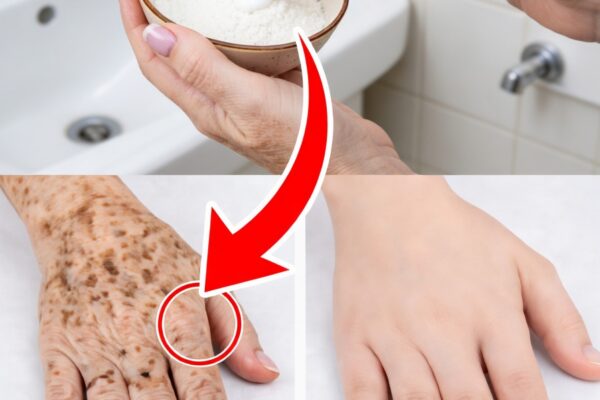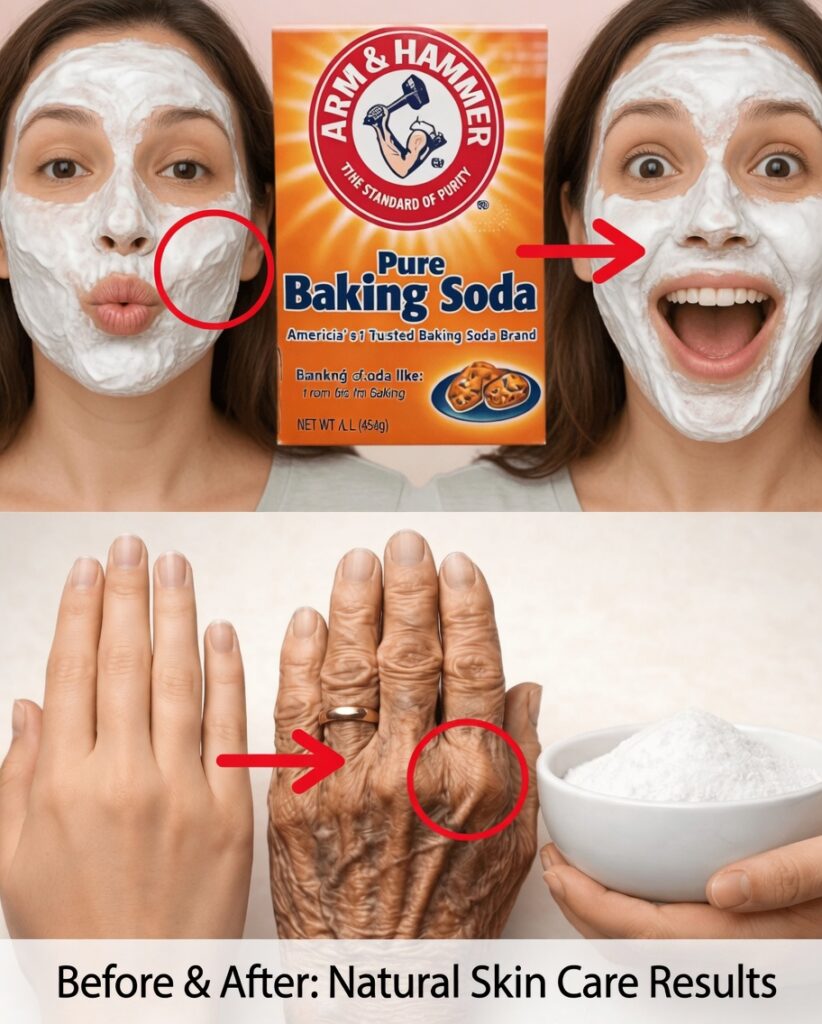
Why Skin Changes Make DIY Remedies Tempting
As we get older, it’s common to notice shifts in skin texture—dullness, rough patches, or uneven tone—that can affect confidence. When pricey creams don’t deliver, many people start looking for affordable, “natural” solutions at home. One trend that keeps resurfacing is the baking soda face mask, often promoted as a quick way to exfoliate and brighten.
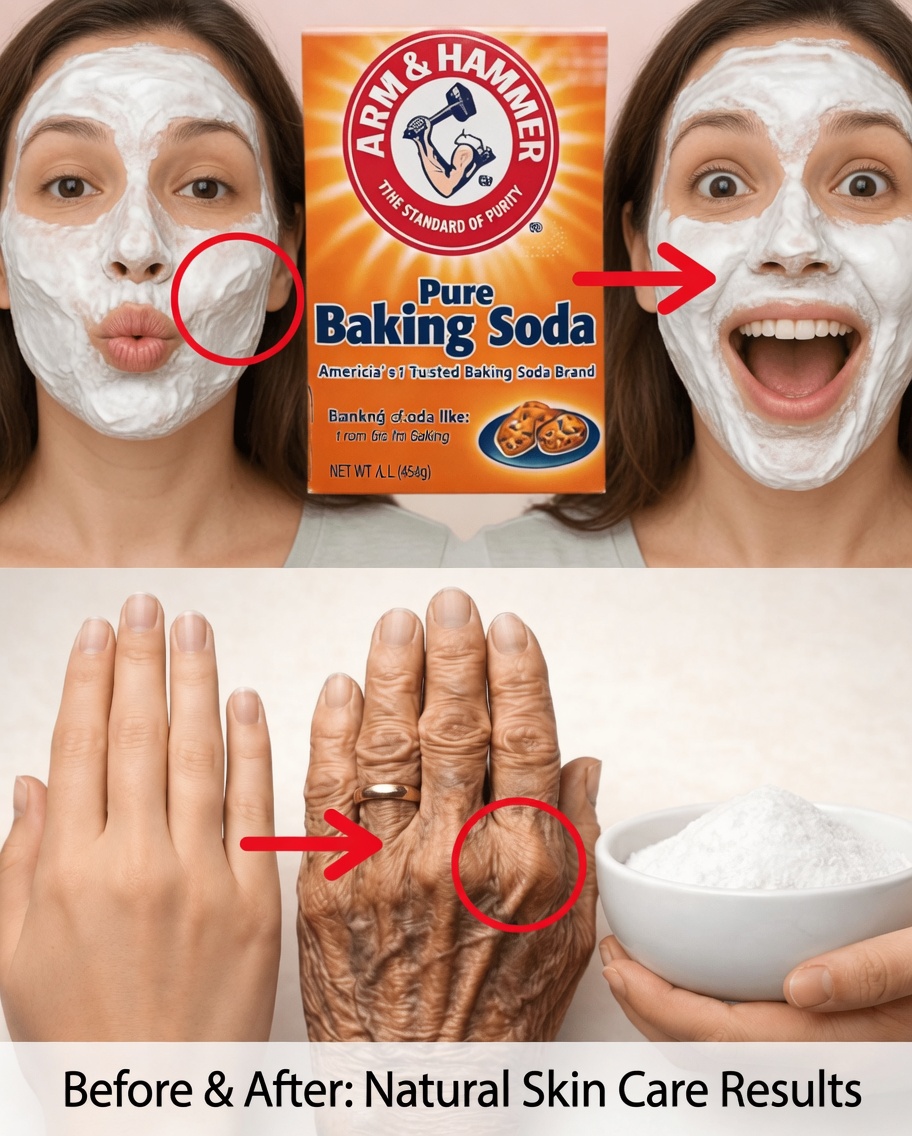
The catch: while these DIY masks sound simple and budget-friendly, many dermatology experts warn that baking soda may be too harsh for facial skin. Below is a clear look at what draws people to baking soda masks, what the real risks are, and which alternatives are typically safer.
Why Baking Soda Face Masks Became So Popular
Baking soda (sodium bicarbonate) is a common household product with a mildly gritty texture. Many online recipes suggest it can help lift away dead skin cells, leaving the face feeling smoother right after use.

The popularity makes sense:
- Low cost and easy to find
- Simple DIY mixing with ingredients like honey or yogurt
- Lots of personal stories claiming a “brighter” look after a single use
However, the enthusiasm online doesn’t always match what professionals see in real skin outcomes—especially when irritation, dryness, or sensitivity appears after repeated use.
The Biggest Concern: Baking Soda Can Disrupt Facial Skin
Healthy facial skin is slightly acidic, typically around pH 4.5–5.5, which supports the skin barrier and helps keep moisture in. Baking soda is alkaline (around pH 9). When applied as a baking soda face mask, that pH difference may interfere with your skin’s natural balance.
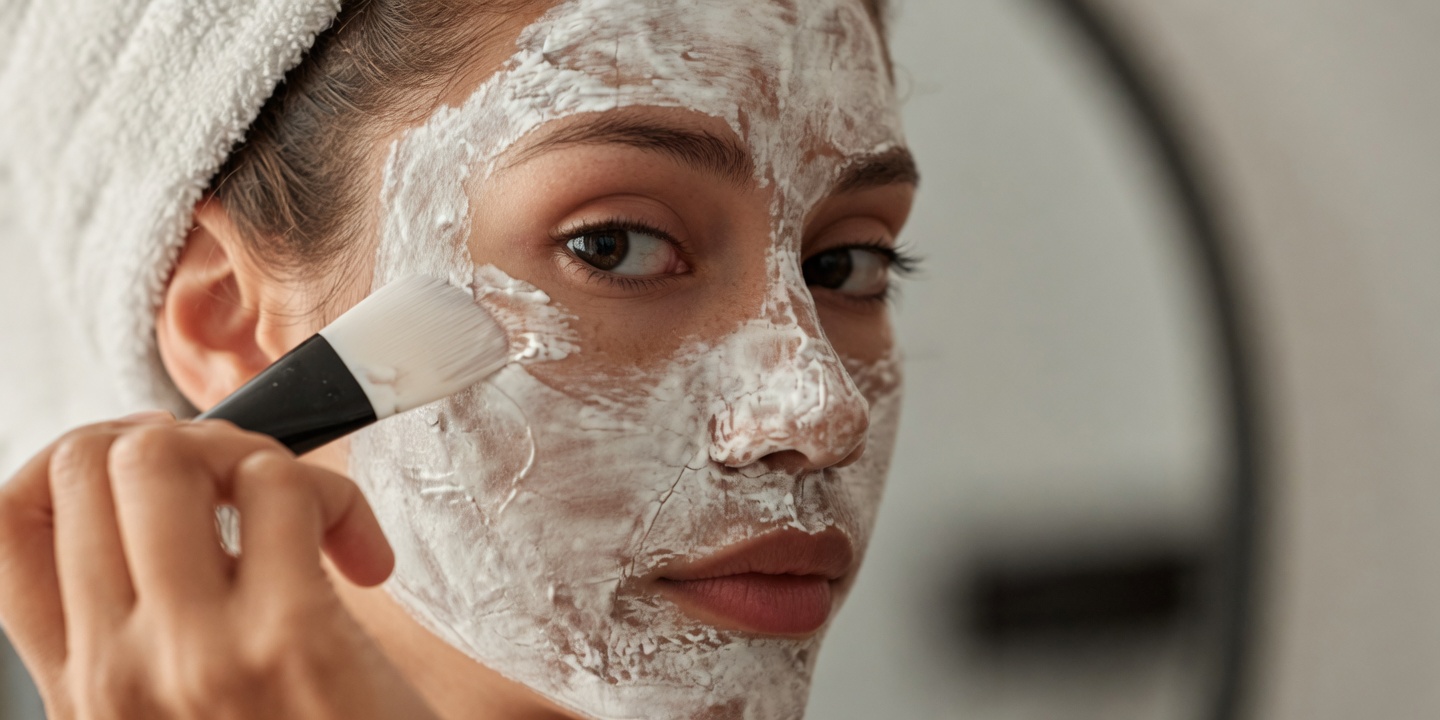
Dermatologists and reputable health sources have raised concerns that frequent use can:
- Strip natural oils, leaving the skin feeling tight
- Increase dryness and flaking
- Trigger redness, stinging, or irritation
- Potentially worsen the look of fine lines over time due to dehydration
If you’ve tried a baking soda mask and ended up feeling unusually dry afterward, that reaction is widely reported and not uncommon.
Potential Benefits (Only With Careful, Limited Use)
In rare cases, and only when used sparingly, some people find that baking soda provides mild physical exfoliation, which can temporarily improve the feel of rough skin.
A few sources also mention possible antibacterial properties, which may sound appealing for oilier areas. Still, the evidence supporting baking soda face masks for lasting skin improvement is limited. Any benefit tends to be short-term, while the risk of barrier disruption can build over time.
Bottom line: if someone uses it at all, it should be with moderation and close attention to how the skin responds.
Common Baking Soda Face Mask Recipes (With Strong Safety Warnings)
If you’re determined to experiment, take precautions:
- Patch test on the inner arm for 24 hours
- Use infrequently (no more than once a week, and many experts would say even less)
- Apply gently—no aggressive scrubbing
- Rinse thoroughly and stop immediately if irritation appears
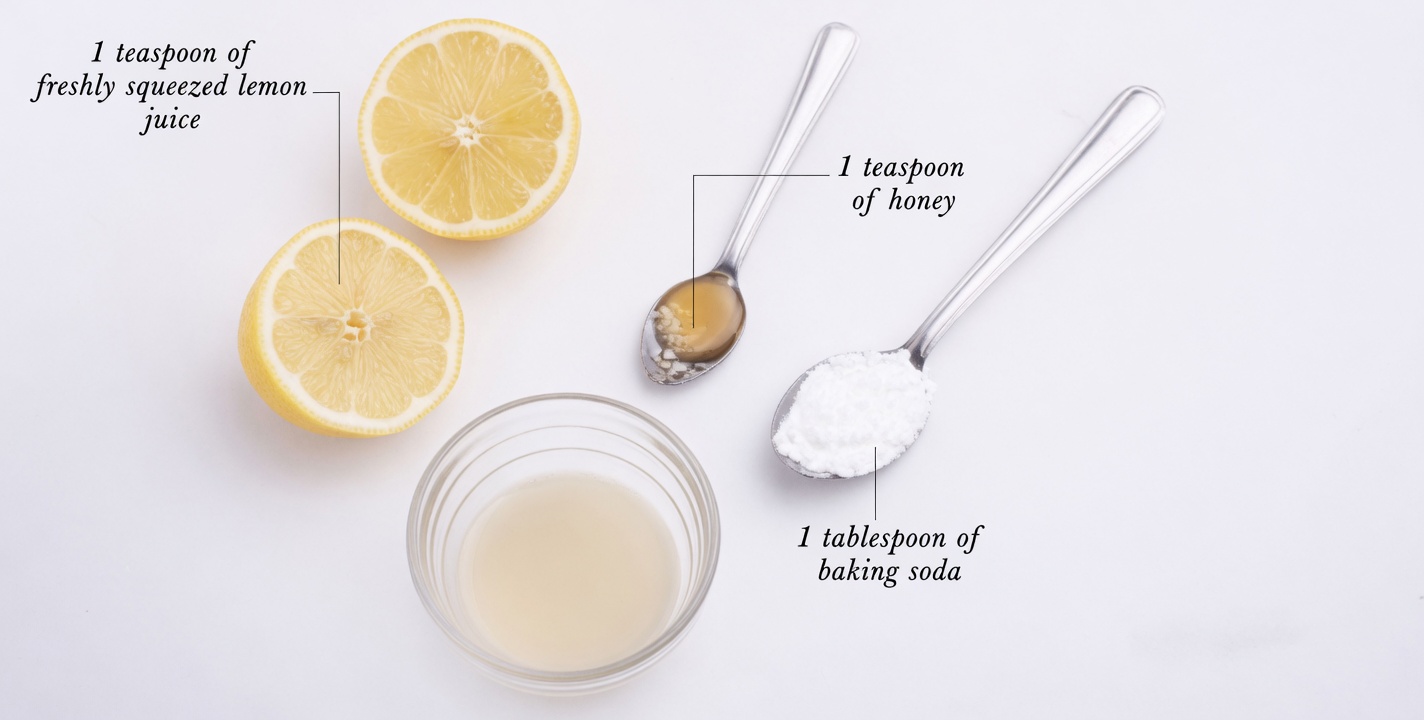
Basic Baking Soda + Water Paste
- Mix 1 teaspoon baking soda with enough water to make a paste
- Massage lightly for 1–2 minutes (avoid hard scrubbing), then rinse
Baking Soda + Honey Mask
- Combine 1 teaspoon baking soda with 1 tablespoon raw honey
- Honey may feel soothing; leave on for 5–10 minutes maximum, then rinse
Baking Soda + Yogurt Blend
- Mix 1 teaspoon baking soda with 2 tablespoons plain yogurt
- Yogurt contains lactic acid, a gentler exfoliating component than gritty scrubs
Important: These baking soda face masks are generally not appropriate for sensitive skin, dry skin, rosacea-prone skin, or any broken/irritated areas.
Pros and Cons of Baking Soda Face Masks
-
Exfoliation
- Potential pro: temporary smoothing from physical exfoliation
- Key con: can be too abrasive, increasing irritation and micro-damage risk
-
Cost
- Potential pro: extremely affordable
- Key con: low price may not be worth the potential barrier damage
-
Convenience
- Potential pro: found in most kitchens
- Key con: not designed for facial skin’s pH needs
-
How it feels short-term
- Potential pro: skin may feel “clean” or smooth immediately
- Key con: dryness, tightness, and redness may follow
Gentler Alternatives Dermatologists Often Prefer
Many experts recommend skipping baking soda and choosing options that are less disruptive to the skin barrier:
- Oatmeal + honey masks for mild, soothing exfoliation
- Aloe vera gel to calm and hydrate
- Fruit enzyme masks (such as papaya or pineapple) for a brighter look with less physical abrasion
These alternatives are generally more supportive of long-term skin comfort because they don’t introduce the same alkaline pH shock that baking soda can.
Final Thoughts: Focus on Long-Term Skin Health
Baking soda face masks remain a popular DIY trend, but professional guidance tends to emphasize caution. For most people, a gentle routine built on proven, skin-friendly ingredients delivers more reliable improvements in texture and glow—without compromising the skin barrier.
Frequently Asked Questions
Is baking soda effective for reducing the appearance of fine lines?
There’s no strong scientific evidence that baking soda face masks meaningfully reduce fine lines. More dependable strategies include consistent moisturizing and daily sun protection.
How often can I safely use a baking soda face mask?
Many experts recommend avoiding regular use. If you decide to try it, keep it to once every few weeks at most and discontinue at the first sign of irritation.
What should I do if my skin reacts badly to a baking soda mask?
Rinse it off immediately, apply a gentle moisturizer, and stop using it. If redness, burning, or irritation continues, consult a dermatologist.