Ginger: A Flavorful Root With Benefits—But Not Always for Everyone
Ginger is widely loved for its bright, spicy taste and its reputation for supporting wellness. Many people add it to tea, soups, and everyday meals to ease occasional nausea or support digestion. However, the same properties that make ginger helpful can also make it a less ideal choice for certain people—especially those managing specific health conditions or taking particular medications.
For most healthy adults, ginger consumed in normal culinary amounts is typically well tolerated. Health references such as WebMD and the National Center for Complementary and Integrative Health (NCCIH) commonly describe ginger as generally safe when used in everyday food portions. The key is knowing when “natural” still requires extra care—particularly if ginger could intensify a medical issue or interact with treatment. This guide explains when to be cautious and how to use ginger more safely, plus a few gentle alternatives many people choose instead.
Why Ginger Is Popular (and Why Caution Can Be Necessary)
Ginger (Zingiber officinale) has been used in traditional health practices across many cultures for centuries. Modern research highlights several potential benefits, including:
- Digestive support
- Relief from occasional nausea
- Antioxidant effects linked to compounds such as gingerol

For most people, small servings—like a few fresh slices steeped in hot water or a teaspoon stirred into cooking—don’t cause problems. Side effects are more likely when intake becomes high, particularly with concentrated products. Larger amounts (often discussed as over about 5 grams per day, especially from supplements) can contribute to issues such as heartburn, stomach discomfort, or digestive irritation.
The reason ginger deserves special attention is that it may influence:
- Blood clotting
- Bile flow
- Blood sugar levels
- Blood pressure
If any of these factors are already a concern for you, it’s smart to be mindful before increasing your ginger intake.
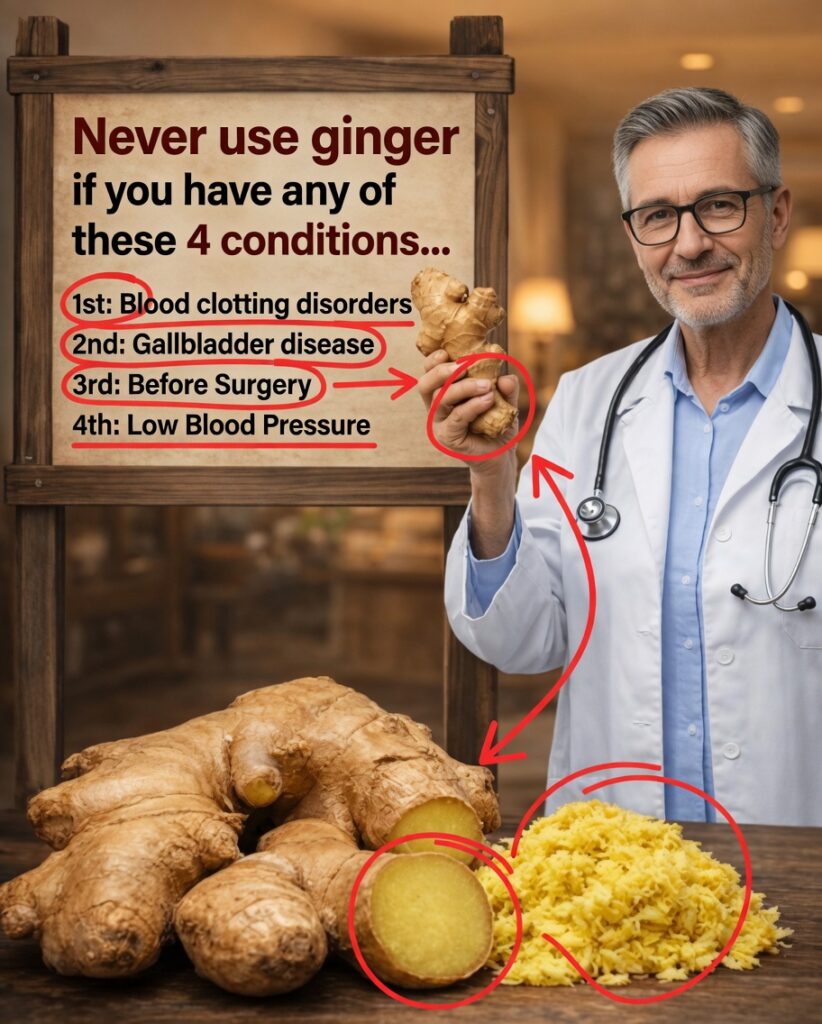
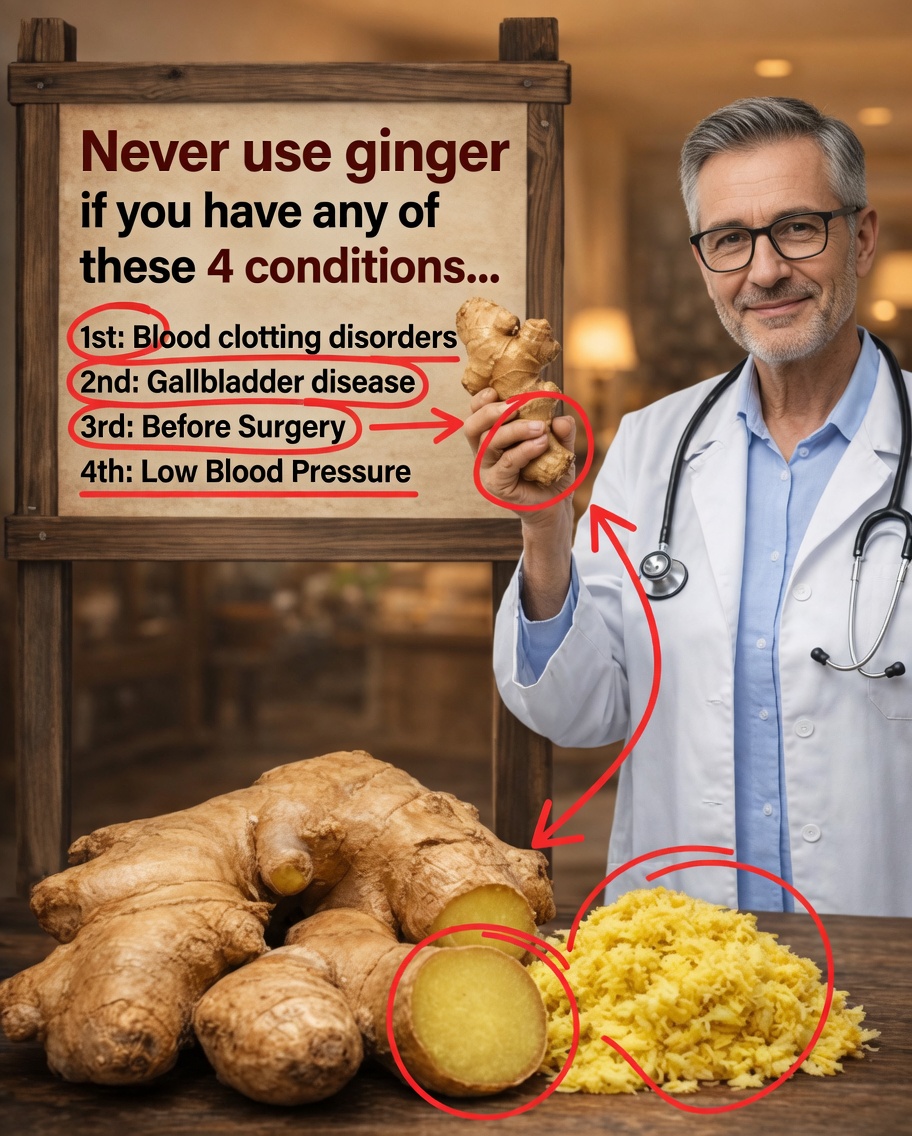
4 Situations Where You May Need to Limit or Avoid Ginger
These are not blanket bans, and many people can still tolerate small amounts in food. Still, experts frequently recommend caution—especially with ginger supplements or higher doses.
1) Bleeding Disorders or Use of Blood Thinners
Ginger may have a mild blood-thinning effect, meaning it could slow clotting in some cases. This matters if you:
- Have a bleeding disorder (such as hemophilia)
- Take anticoagulant or antiplatelet medications (for example, warfarin, aspirin, or clopidogrel)
Sources like Drugs.com and WebMD discuss potential interaction concerns, including an increased chance of bruising or bleeding—particularly in sensitive individuals or at higher intakes. If you fall into this group, ask your clinician before using ginger regularly (especially in supplement form).
2) Gallstones or Gallbladder Problems
Ginger can stimulate bile flow, which is one reason it’s often considered digestion-friendly. But if you already have gallstones or an inflamed or sensitive gallbladder, increasing bile activity may trigger discomfort or worsen symptoms.
Small culinary amounts are often tolerated, but higher doses—especially extracts and capsules—are best discussed with a healthcare professional.
3) Diabetes (Especially When You’re Taking Glucose-Lowering Medication)
Some studies suggest ginger may help reduce blood sugar levels. That can sound like a positive—until it stacks with diabetes medications and pushes levels too low.
If you use insulin or oral diabetes drugs, combining them with ginger (particularly concentrated supplements) may increase the risk of hypoglycemia. Signs can include:
- Shakiness
- Sweating
- Dizziness
- Confusion or weakness
Reviews and discussions from sources like Verywell Health and broader research summaries often emphasize monitoring. Food-based ginger is usually less intense, but supplements should be approached carefully unless your provider approves.
4) Low Blood Pressure or Use of Blood Pressure Medication
Ginger may modestly lower blood pressure for some people. If you already have hypotension—or you take antihypertensive medication—ginger could contribute to a drop that feels unpleasant or unsafe.
Possible symptoms include:
- Lightheadedness
- Fatigue
- Feeling faint, especially when standing up

Health resources including WebMD note that interaction risk becomes more relevant at higher intakes. Normal food use tends to be gentler, but it’s still worth checking with your healthcare provider if blood pressure is a known issue.
Ginger in Food vs. Supplements: A Quick Risk Comparison
Understanding the difference between culinary ginger and concentrated products is one of the easiest ways to reduce risk.
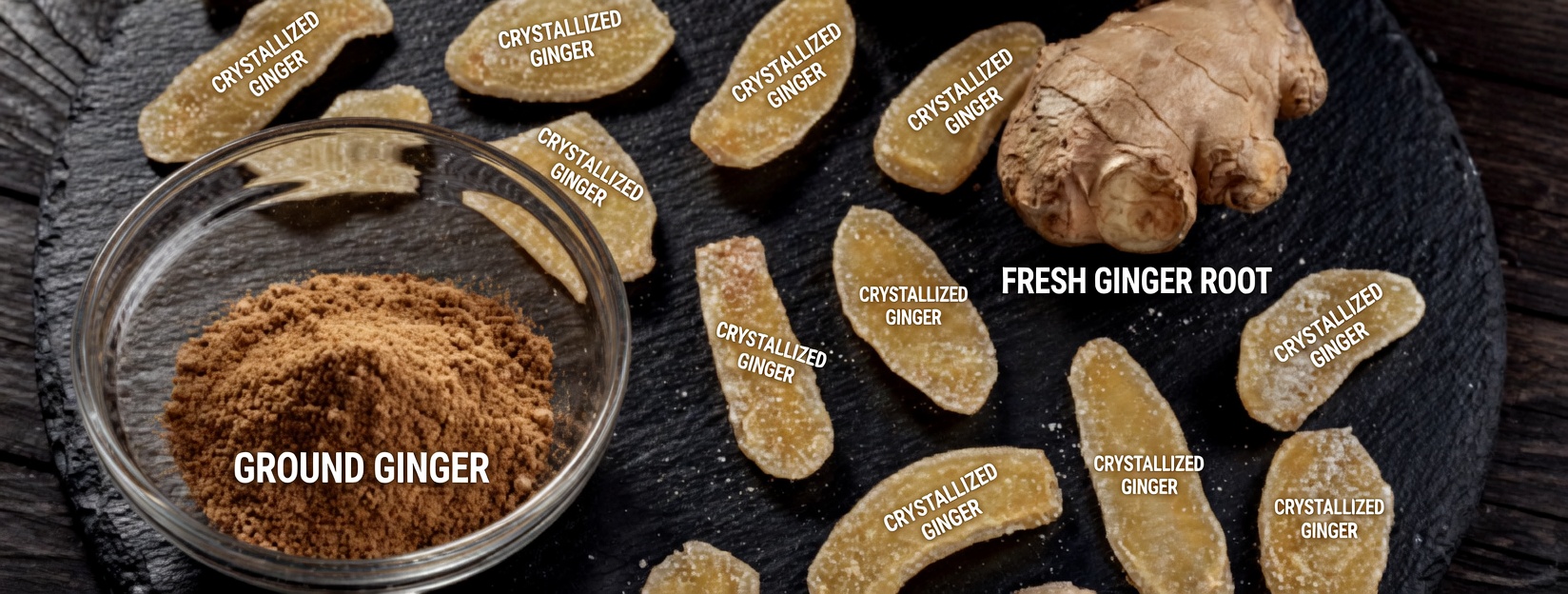
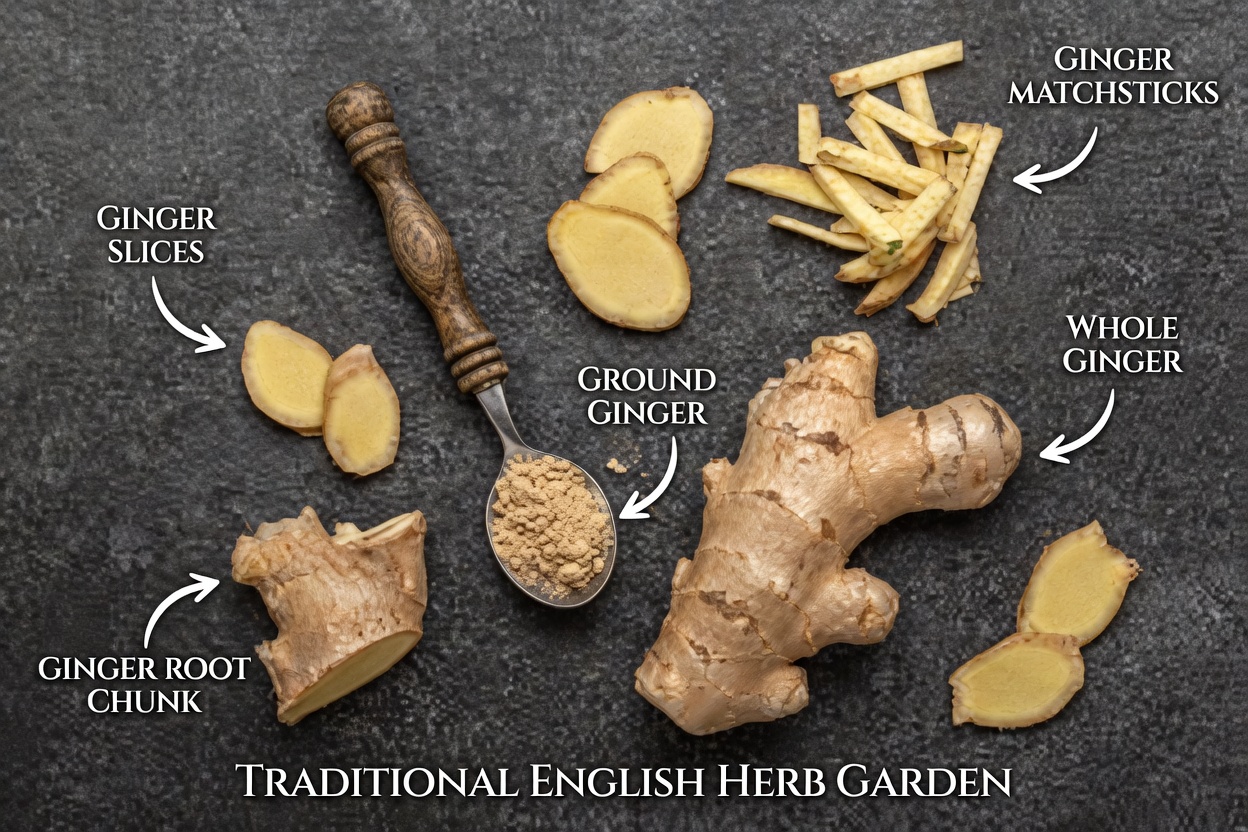
- Ginger in food (tea, fresh root, cooking, powdered spice): typically lower total dose (often under 2–4 g/day), generally easier to tolerate, and less likely to cause strong interactions.
- Ginger supplements (capsules, extracts, high-potency shots): often concentrated (commonly 1–5 g+), which can increase side effects and interaction potential.
If you’re trying ginger in a new form, start with the smallest effective amount.
Practical Tips to Use Ginger Safely
You don’t necessarily need to eliminate ginger—many people simply do better with a more thoughtful approach.
- Begin with a small serving: about 1–2 grams per day from food (such as a few slices in tea).
- Choose culinary ginger over supplements: cooking and tea are typically lower-risk ways to enjoy ginger benefits.
- Pay attention to changes: track symptoms related to digestion, energy, bruising, or dizziness.
- Talk to your doctor if you’re in a higher-risk group: especially if you have a bleeding condition, gallbladder issues, diabetes, or blood pressure concerns—or take related medications.
- Use gentle alternatives if needed: lemon, peppermint, and fennel are popular options for digestive comfort without the same interaction profile.
- Stay hydrated: water can help reduce stomach irritation for some people.
- Read labels carefully: avoid high-dose “extra strength” products unless medically cleared.
- Take it with meals: ginger with food may lower the chance of stomach upset.
- Keep totals moderate: many experts suggest staying under 4 grams per day from all sources for most people.
Make Ginger Work for You—With Smart, Informed Choices
Ginger can be a valuable, enjoyable addition to a wellness-focused diet. The safest approach is simple: use it in moderation, understand your personal risk factors, and get professional guidance when medications or chronic conditions are involved. When you match ginger use to your health needs, you can enjoy its flavor and potential benefits without unnecessary worry.
Frequently Asked Questions (FAQ)
Is ginger safe to consume daily in food?
For most people, yes. Moderate culinary use—often cited around up to 3–4 grams per day—is generally well tolerated, according to widely referenced health resources.
Can I use ginger if I have one of the conditions listed above?
It depends. Many individuals can handle small food amounts, but you should consult your healthcare provider to prevent interactions or symptom flare-ups.
What if I notice side effects after consuming ginger?
Stop using it and speak with a healthcare professional—especially if you experience unusual bleeding, dizziness, low energy, or persistent digestive discomfort.
Medical disclaimer: This article is for informational purposes only and does not replace professional medical advice. Always consult a qualified healthcare provider before changing your diet or supplement routine, particularly if you have medical conditions or take medications.