Ginger: Benefits, Safety, and When to Be Cautious
Ginger is a well-known root celebrated for its spicy, refreshing taste and its reputation for supporting wellness. Many people stir it into tea or add it to meals to ease digestion or reduce occasional nausea. However, ginger doesn’t affect everyone the same way—certain health conditions and medications can make this common ingredient something you should use more carefully.
The reassuring part: most healthy adults tolerate moderate, food-based ginger without problems. Information summarized by trusted health references such as WebMD and the National Center for Complementary and Integrative Health (NCCIH) indicates that typical dietary amounts are generally safe. Still, if ginger is combined with specific medical conditions or prescription drugs, the risk of unwanted effects can increase. Knowing when caution matters helps you enjoy ginger with confidence—and consider gentler alternatives when needed.
Why Ginger Is So Popular (and Why Safety Still Matters)
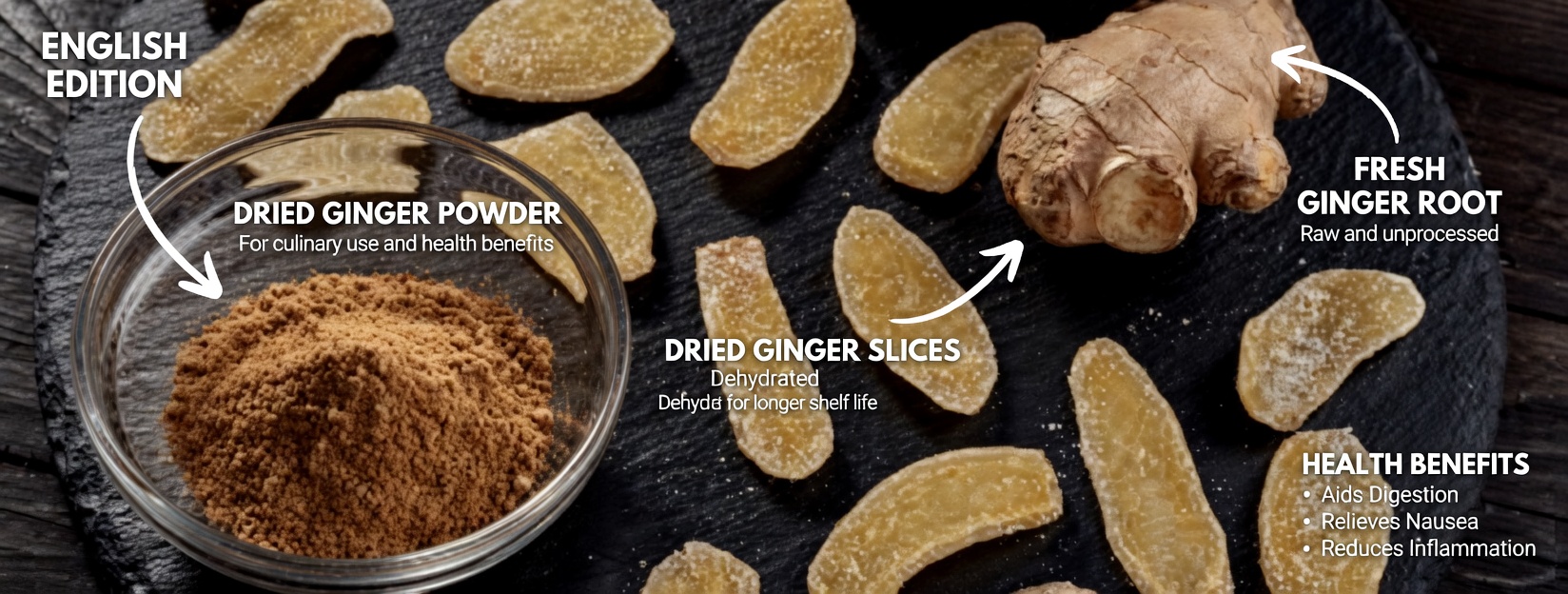
Ginger (Zingiber officinale) has been used in traditional health practices across many cultures for centuries. Modern research links its effects to active compounds like gingerol, which may support:
- Digestive comfort
- Relief from occasional nausea
- Antioxidant activity
For most people, small culinary amounts—such as a few slices steeped in hot water or a teaspoon added to cooking—are unlikely to cause issues. Side effects tend to be uncommon at lower intakes, but larger amounts (especially from concentrated products) may trigger heartburn, stomach upset, or irritation, particularly when intake rises above roughly 5 grams per day in supplement-style dosing.
The key reason ginger deserves a little respect is that it may influence several body systems, including:
- Blood clotting
- Bile flow
- Blood sugar
- Blood pressure
If you have a medical condition in any of these areas—or take medication that affects them—speaking with a healthcare professional is a smart step before using ginger regularly or in high amounts.

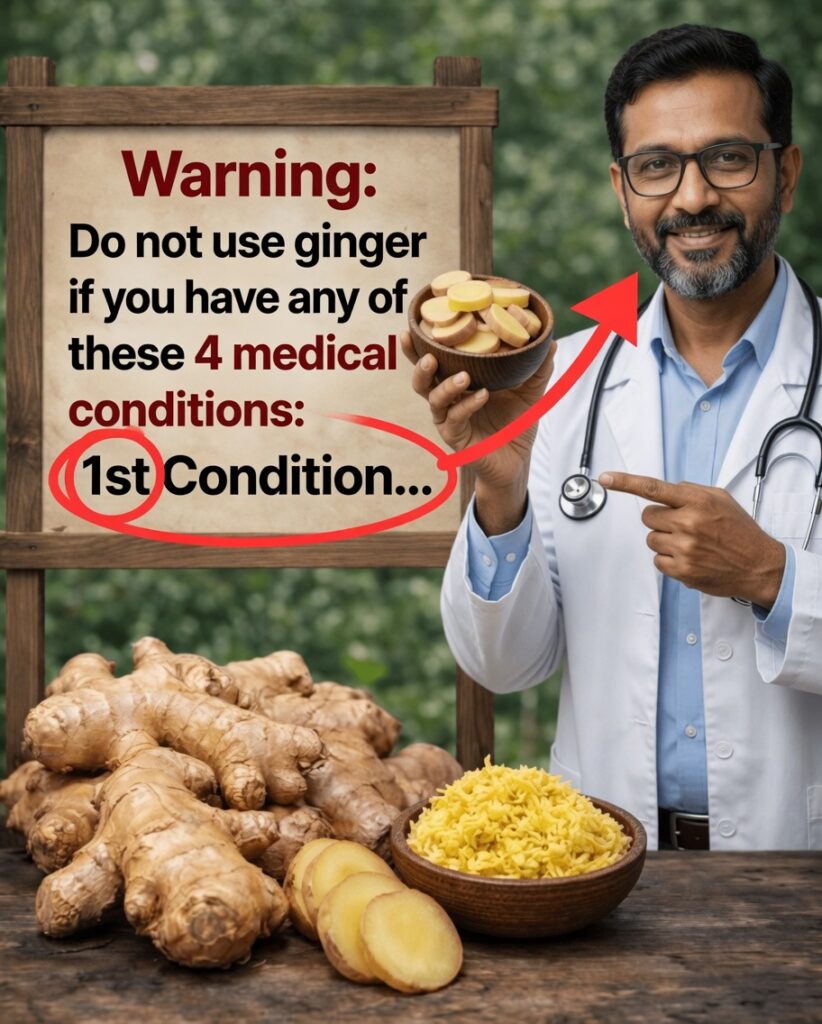
4 Situations Where You May Want to Limit or Avoid Ginger
These scenarios are not universal “no-go” rules—many people can still tolerate small food amounts. The biggest concerns often arise with supplements, extracts, and high-dose use, or when an individual is particularly sensitive.
1) Bleeding Disorders or Use of Blood Thinners
Ginger may naturally slow blood clotting, which can increase the chance of bruising or bleeding in vulnerable people. This matters more if you have a bleeding disorder (such as hemophilia) or take blood-thinning medications, including:
- Warfarin
- Aspirin
- Clopidogrel
Reviews and safety summaries from references like Drugs.com and WebMD note the potential for interaction—especially at higher intakes. If you’re in this group, a clinician can help you decide what amount is appropriate and whether monitoring is needed.

2) Gallstones or Gallbladder Problems
One reason ginger can feel helpful after meals is that it may stimulate bile flow, supporting digestion for many. But for people with gallstones or gallbladder conditions, increased bile activity can sometimes worsen discomfort or trigger symptoms.
- Culinary amounts are often tolerated
- High-dose supplements may be more likely to cause issues
If you have a history of gallbladder pain or gallstones, it’s best to check with your healthcare provider before using ginger frequently.
3) Diabetes (Especially If You Take Blood Sugar Medication)
Some research suggests ginger may contribute to lower blood glucose. That can sound beneficial—but if you’re using insulin or oral diabetes medications, the combination may increase the risk of hypoglycemia (blood sugar dropping too low). Symptoms can include:
- Shakiness
- Dizziness
- Sweating
- Weakness
Meta-analyses and health reviews (including summaries from outlets like Verywell Health) often recommend careful monitoring. Food-based ginger tends to be milder, but supplements and extracts require extra caution.
4) Low Blood Pressure or Blood Pressure Medication Use
Ginger may have a mild ability to lower blood pressure in some individuals. If you already have low blood pressure (hypotension) or take antihypertensive medication, ginger—especially in larger amounts—could contribute to blood pressure falling too far, which may cause:
- Lightheadedness
- Fatigue
- Feeling faint
Health references including WebMD highlight the potential for interaction at higher intakes. If blood pressure is a concern, ask your provider whether ginger is appropriate for you and at what dose.
Ginger in Food vs. Ginger Supplements: A Quick Safety Comparison
Understanding the difference between dietary ginger and concentrated products makes the risk picture clearer:
-
Food-based ginger (tea, fresh slices, cooking, small amounts of powder)
Typically lower dose (often under 2–4 g/day), generally well tolerated, lower interaction risk. -
Supplements (capsules, extracts, concentrated powders)
More potent and easier to “overdo” (often 1–5 g+), higher chance of side effects and drug interactions; best used with professional guidance.
A simple rule: if you’re unsure, start small—and avoid jumping straight to supplements.
Practical Tips to Use Ginger Safely
You don’t necessarily need to eliminate ginger. These steps help many people enjoy it more comfortably and responsibly:
- Begin with a low amount: Try roughly 1–2 grams/day from food (for example, a few thin slices in tea).
- Choose culinary use over supplements: Cooking and beverages typically provide benefits with less risk.
- Pay attention to your body: Note changes in digestion, energy, bruising, dizziness, or unusual symptoms.
- Check with a clinician if you’re at risk: Especially if you have the conditions above or take related medications.
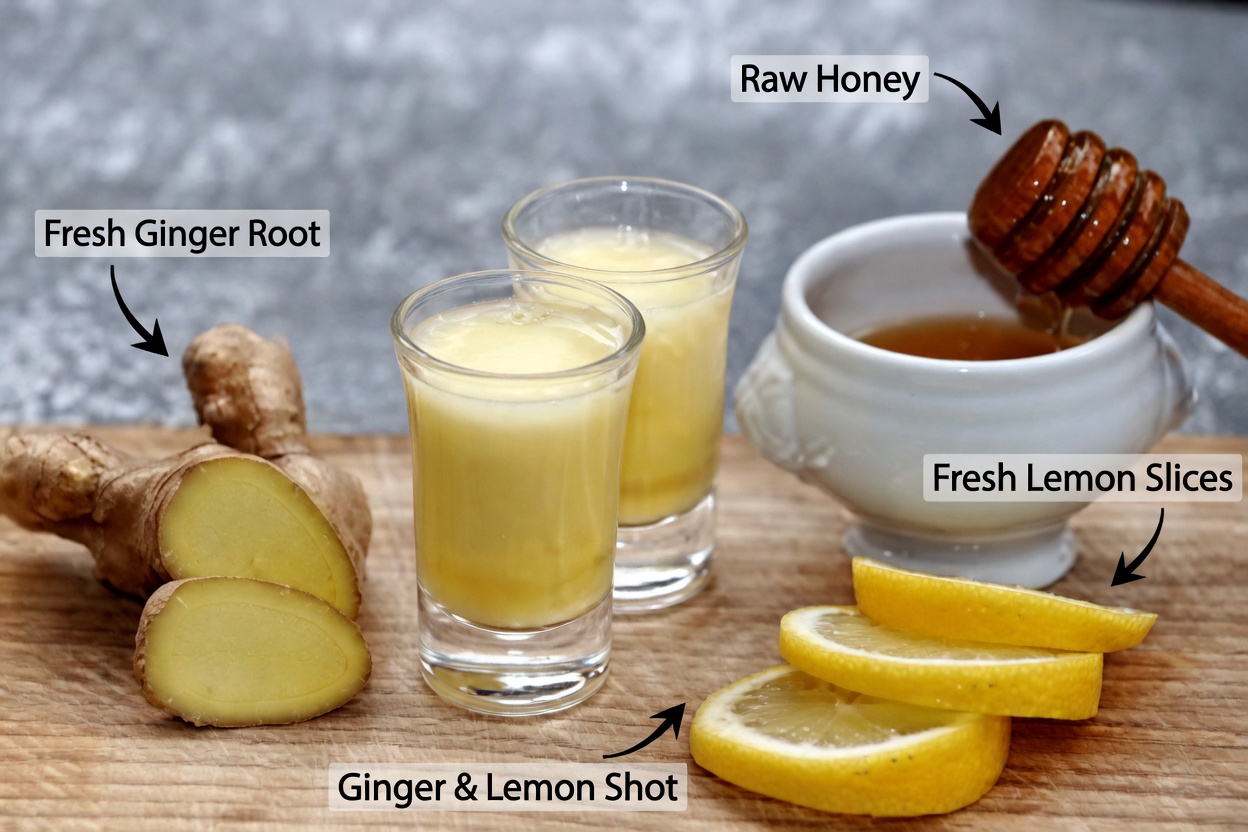
- Use soothing alternatives when needed: Consider lemon, peppermint, or fennel for digestive comfort without the same interaction profile.
- Stay hydrated and take it with food: This can reduce the chance of stomach irritation.
- Read labels carefully: Avoid high-dose “extra strength” products unless approved by a professional.
- Stay within reasonable totals: For many people, keeping intake under 3–4 grams/day from all sources is a practical guideline.
Make Confident, Informed Choices
Ginger can be a valuable everyday ingredient for many people, especially when used in moderate food amounts. The safest approach is simple: use it mindfully, avoid unnecessary high doses, and get personalized medical advice when you have conditions or medications that could interact. With the right approach, you can enjoy ginger’s warmth and flavor without added worry.
Frequently Asked Questions (FAQ)
Is ginger safe to consume daily in food?
For most people, yes. Moderate amounts in meals or tea—often up to 3–4 grams per day—are generally well tolerated according to widely used health references.
Can I use ginger if I have one of the listed conditions?
Possibly. Many people can handle small culinary amounts, but it’s best to speak with your doctor or pharmacist to reduce the risk of interactions or symptom flare-ups.
What should I do if ginger causes side effects?
Stop using it and contact a healthcare provider—especially if you notice unusual bleeding, dizziness, low energy, or persistent digestive discomfort.
Medical disclaimer: This article is for informational purposes only and does not replace professional medical advice. Always consult a qualified healthcare provider before changing your diet or supplement routine, particularly if you have medical conditions or take prescription medications.