Many older adults wake up feeling stiff or anxious about a sudden fall that could reduce independence. After age 50, bone density naturally declines, and that can affect both strength and confidence in everyday movement. The good news is that daily nutrition can support bone health—especially when you focus on a balanced mix of minerals and structural compounds. With a few simple, affordable foods, you can regularly add calcium, magnesium, phosphorus, and collagen—key building blocks involved in maintaining bone structure.
Beyond Calcium: What Bones Actually Need to Stay Strong
Dairy products are often promoted as the go-to solution for bone health. Yet many people who consume plenty of calcium still don’t see the results they expect. That’s because bone support is not just about calcium intake—it also depends on absorption and nutrient teamwork.
- Magnesium helps guide calcium toward the bones rather than letting it circulate unproductively.
- Phosphorus contributes to bone hardness and structural integrity.
- Collagen provides flexibility, helping bones resist brittleness.
Scientific evidence increasingly points to nutrient synergy—these components work best together, particularly for older adults dealing with age-related changes. A food-first approach can deliver this combination gently and consistently, without relying on isolated supplements alone.
Sesame Seeds: Small, Affordable, and Loaded With Bone-Supporting Minerals
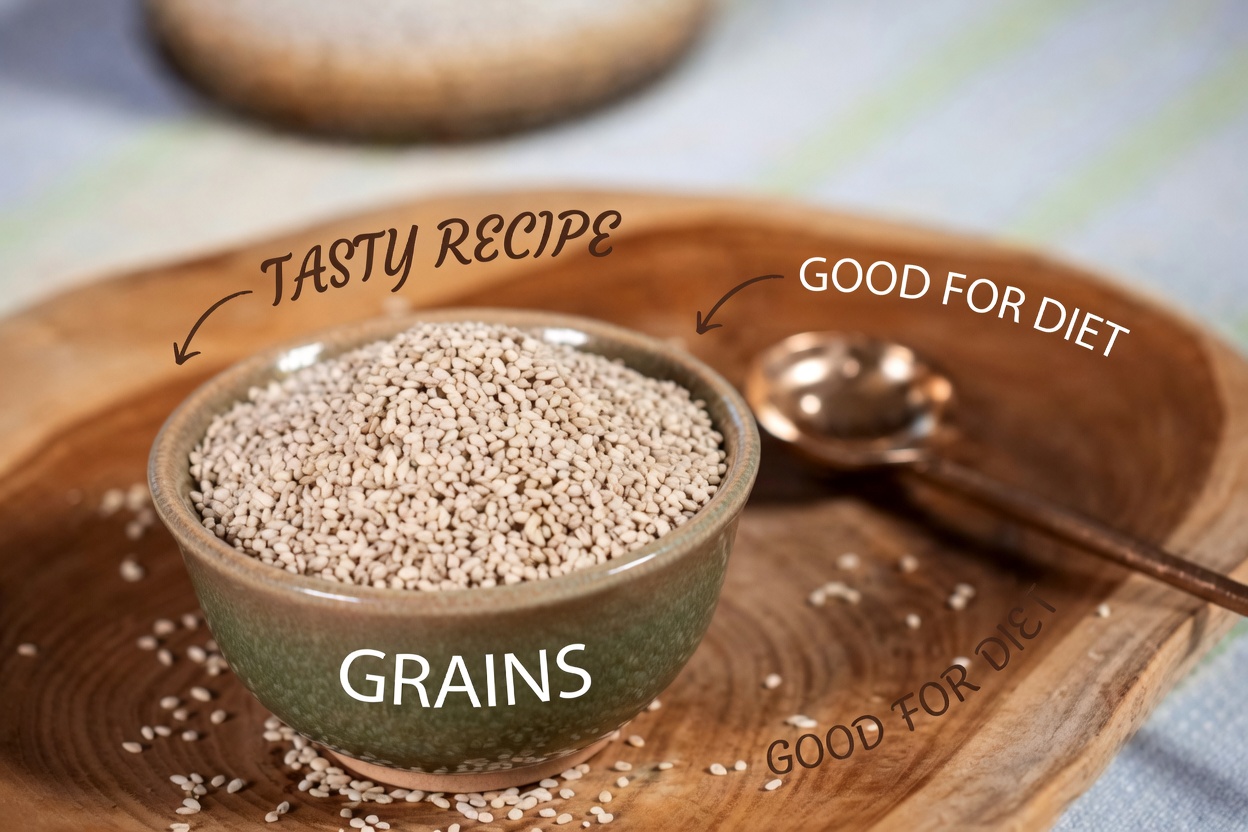
A simple sprinkle of toasted sesame seeds can add both flavor and meaningful nutrition. Sesame seeds provide highly absorbable calcium (about 88 mg per tablespoon) and also supply magnesium and phosphorus—a trio often associated with stronger bone maintenance. Reviews also note sesame’s lignans, which may be especially supportive during postmenopausal years, when bone density concerns tend to increase.
For better absorption, lightly toast sesame seeds or grind them (whole seeds can pass through digestion less efficiently). Many people find this is an easy habit that helps reduce worries about fragile bones.
Ways to use sesame seeds daily:
- Add 1 tablespoon of tahini to toast or oatmeal.
- Stir ground sesame into yogurt or sprinkle over salads.
- Use as a topping for vegetables, rice bowls, or stir-fries.
A consistent routine—such as 3 tablespoons per day—can provide calcium amounts comparable to some dairy servings, while also delivering helpful co-nutrients for utilization.
Quick Nutrient Comparison: Sesame Seeds vs Milk vs Supplements
| Food Source | Calcium (per serving) | Magnesium | Key Advantage |
|---|---|---|---|
| 3 Tbsp Sesame Seeds | ~264 mg | High | Plant-based calcium plus lignans; strong mineral balance |
| 1 Cup Milk | ~300 mg | Low | Often fortified; calcium-heavy but fewer co-factors |
| Calcium Supplement | Varies | None | Isolated calcium; may lack supporting nutrients |
This comparison highlights why sesame seeds are often viewed as a budget-friendly, nutrient-balanced option for everyday bone support.
Almonds: One Simple Handful for Daily Bone Support
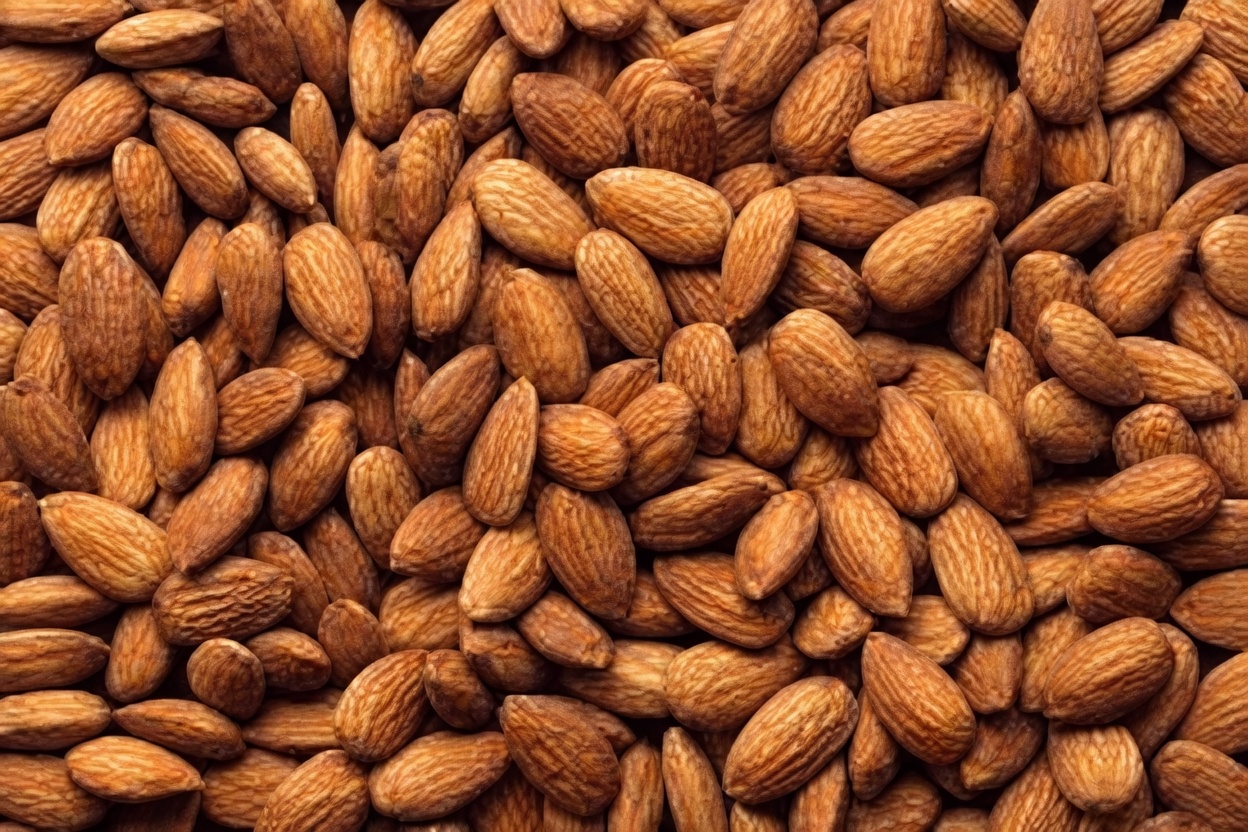
Almonds are an easy snack with real nutritional value. Roughly 20–25 almonds provide about 80 mg of calcium, along with magnesium and vitamin E, an antioxidant that may help protect cells involved in bone maintenance. Some laboratory and mechanistic research suggests almonds may influence pathways related to lower bone breakdown activity.
Observational studies in postmenopausal women also associate regular nut intake (including almonds) with better maintenance of bone density. If digestion is sensitive, soaking almonds overnight can make them easier to tolerate.
Easy almond habits:
- Eat a small handful mid-morning or mid-afternoon.
- Add sliced almonds to yogurt, salads, or oatmeal.
- Blend into smoothies for extra nutrients and texture.
This low-effort, affordable routine can support the nutrition foundation many people want—especially when they feel tired of constantly worrying about falls.

Black Beans: Budget-Friendly “Building Blocks” for Bone Structure
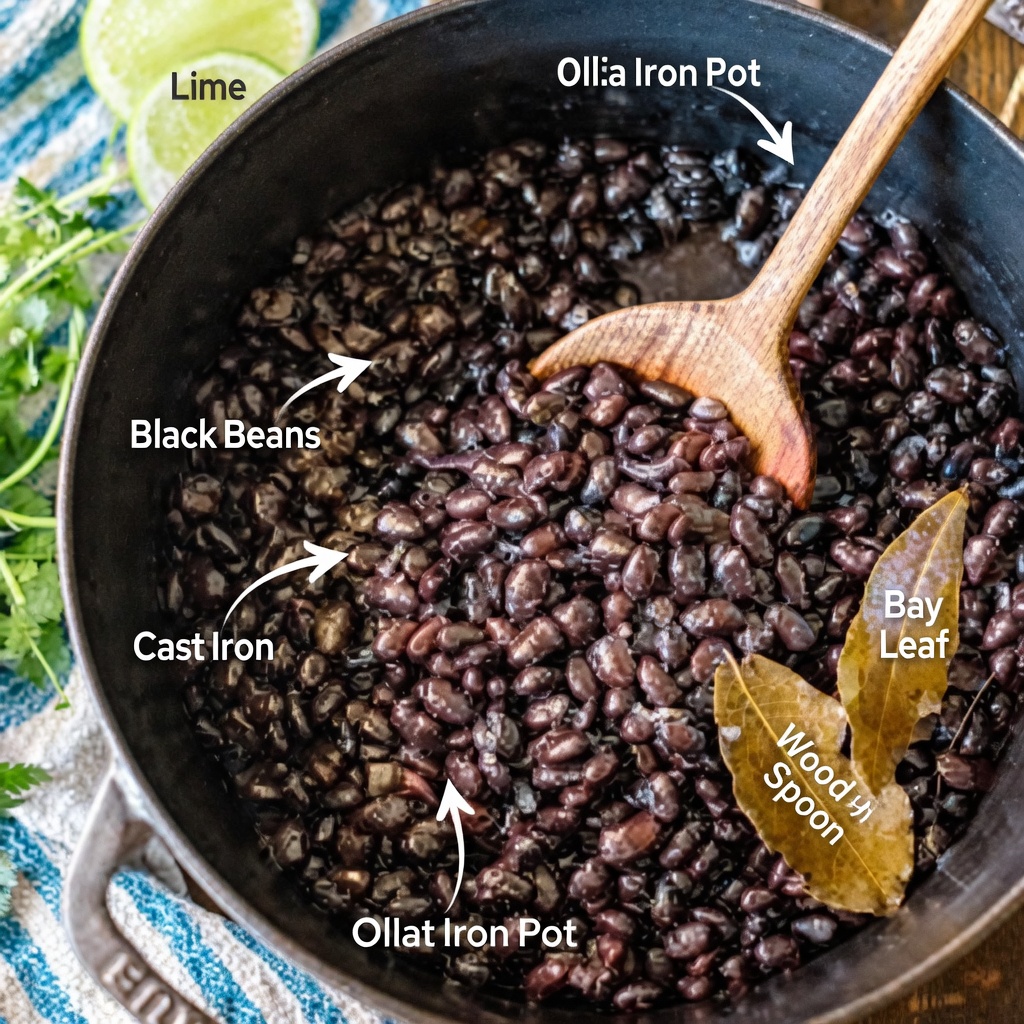
Black beans are inexpensive, satisfying, and surprisingly relevant to bone health. A cooked cup can provide up to 240 mg of phosphorus, plus magnesium and plant-based protein. Since phosphorus works alongside calcium in bone structure, legumes like black beans can be a valuable part of a bone-supportive diet.
Research often links legume-rich eating patterns with higher bone mineral density, particularly in areas such as the spine and hips. Black beans also contain antioxidants that may help counter inflammation—a factor associated with long-term bone weakening.
Simple ways to eat more black beans:
- Add to soups, salads, grain bowls, or rice dishes.
- Mash into dips or spreads for snacks.
- Use in vegetarian meals to improve protein balance.
Soaking before cooking and using herbs or spices can improve digestibility and reduce discomfort for some people.
Homemade Bone Broth: Traditional Collagen Comfort With Mineral Support
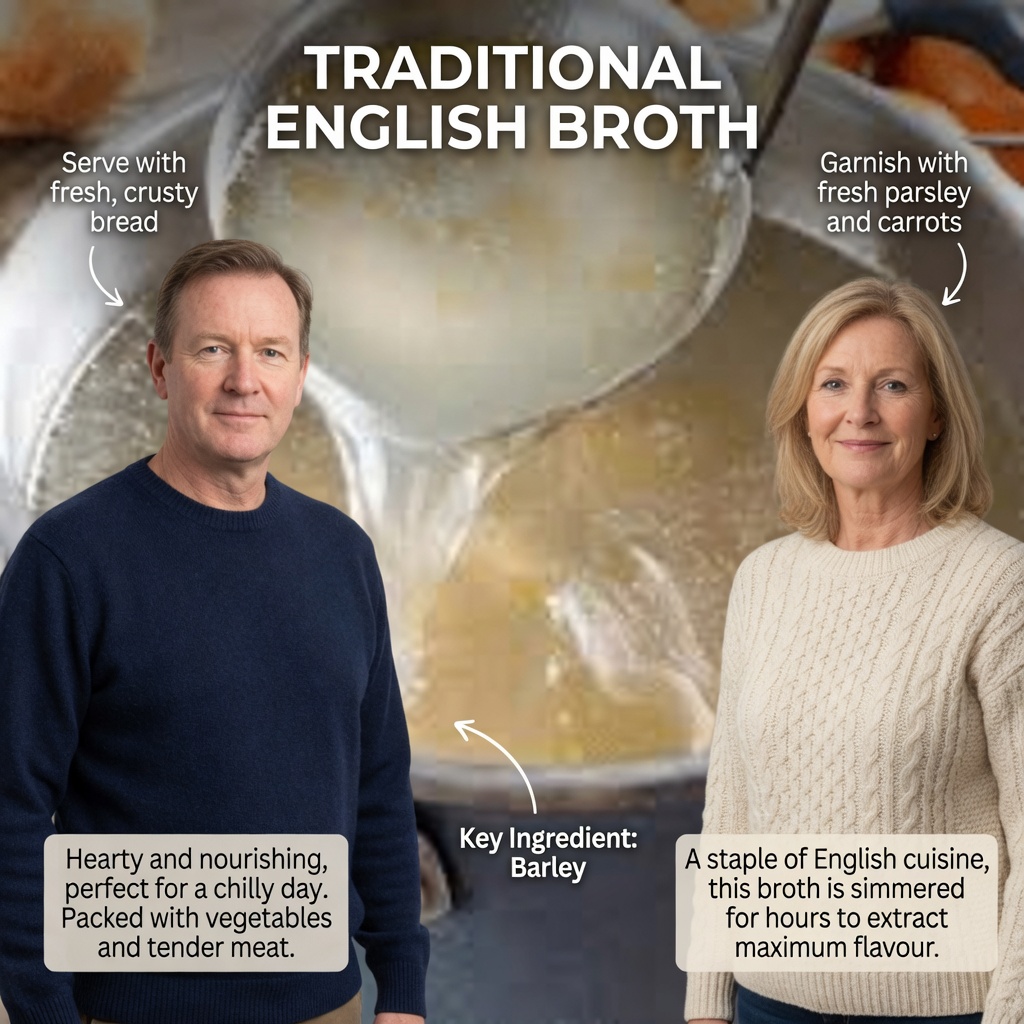
Slow-simmered bone broth is a classic, low-cost way to extract nutrients. Homemade versions can provide collagen, which forms a flexible framework that supports bone structure, along with minerals like calcium and magnesium in forms many people find easier to absorb. Studies on collagen peptides suggest potential improvements in bone density over time, including in postmenopausal populations.
To draw out more nutrients, simmer bones slowly and add a small splash of vinegar. Homemade broth is typically more reliable than heavily processed store options, which may contain fewer beneficial compounds.
Practical uses:
- Sip it warm in the evening.
- Use as a base for soups, stews, and sauces.
- Add to gravies or cooking liquids for extra nourishment.
For many older adults, this routine also feels soothing—especially when morning stiffness makes getting started harder.
Daily Incorporation Guide (Simple and Realistic)
| Food | Suggested Daily Amount | Easy Ways to Add | Safety Note |
|---|---|---|---|
| Sesame Seeds | 3 Tbsp | Tahini on toast, ground into yogurt | Toast or grind for better absorption |
| Almonds | 1 handful (~25 g) | Snack, soaked overnight, toppings | Choose unsalted; watch portions if needed |
| Black Beans | ½–1 cup cooked | Soups, salads, bowls | Soak/cook well to reduce gas |
| Bone Broth | 1–2 cups | Sip warm, use as meal base | Homemade preferred for best quality |
How to Combine These Foods for Better Synergy
These four options complement each other naturally:
- Sesame seeds + almonds provide calcium and magnesium together.
- Black beans add phosphorus and protein to support structure and repair.
- Bone broth contributes collagen that supports flexibility and resilience.
A simple daily flow might look like:
- Breakfast: oatmeal topped with sesame and almonds
- Lunch: salad or bowl with black beans
- Dinner: soup made with bone broth
Research suggests that nutrient combinations can provide broader support than single nutrients alone. Small, consistent changes can give your body the materials it needs as bone tissue renews over time.
Medical Disclaimer
This article is for informational purposes only and does not provide medical advice. Always speak with a qualified healthcare professional before making dietary changes—especially if you have existing medical conditions, take medications, or have concerns about bone health.