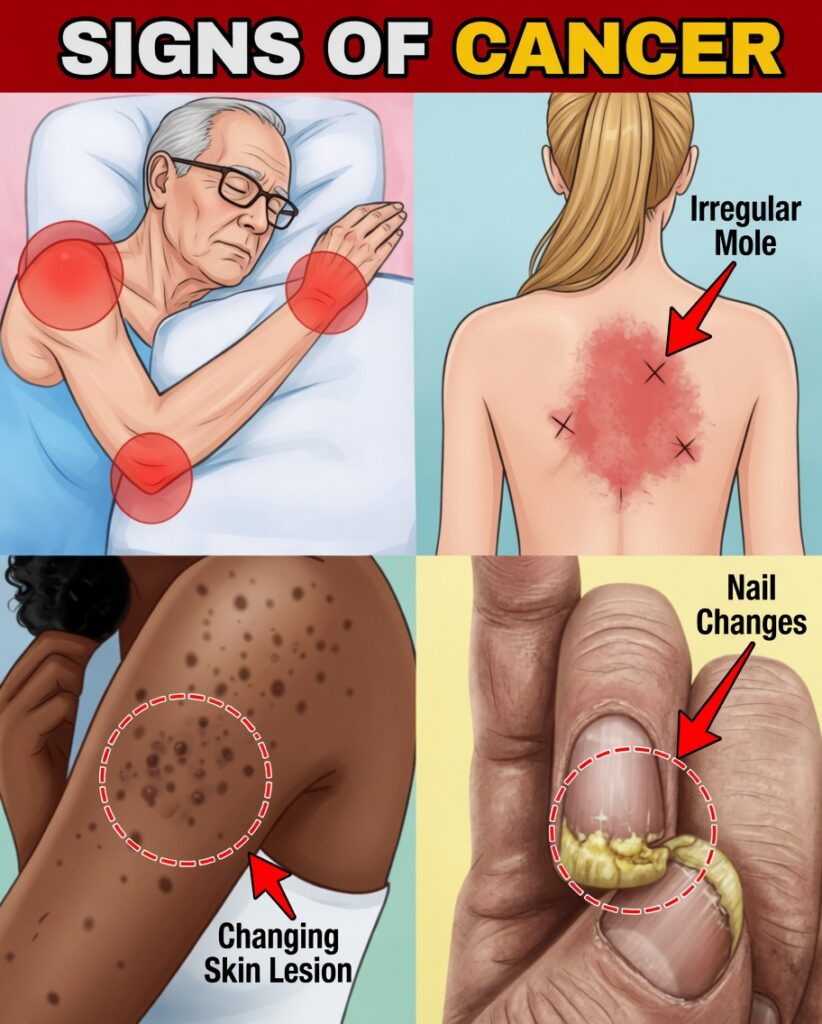
Many people notice small, lingering shifts in their body—such as a cough that won’t go away or fatigue that feels “off”—and chalk them up to stress, a busy schedule, or getting older. The problem is that overlooked signs of cancer can quietly extend uncertainty and delay medical advice, which may increase stress and allow issues to progress. When you know what to watch for, you’re better equipped to track changes, ask the right questions, and speak with a healthcare professional at the right time. Later in this article, you’ll also find real-life examples that show how these signs can connect to something more.
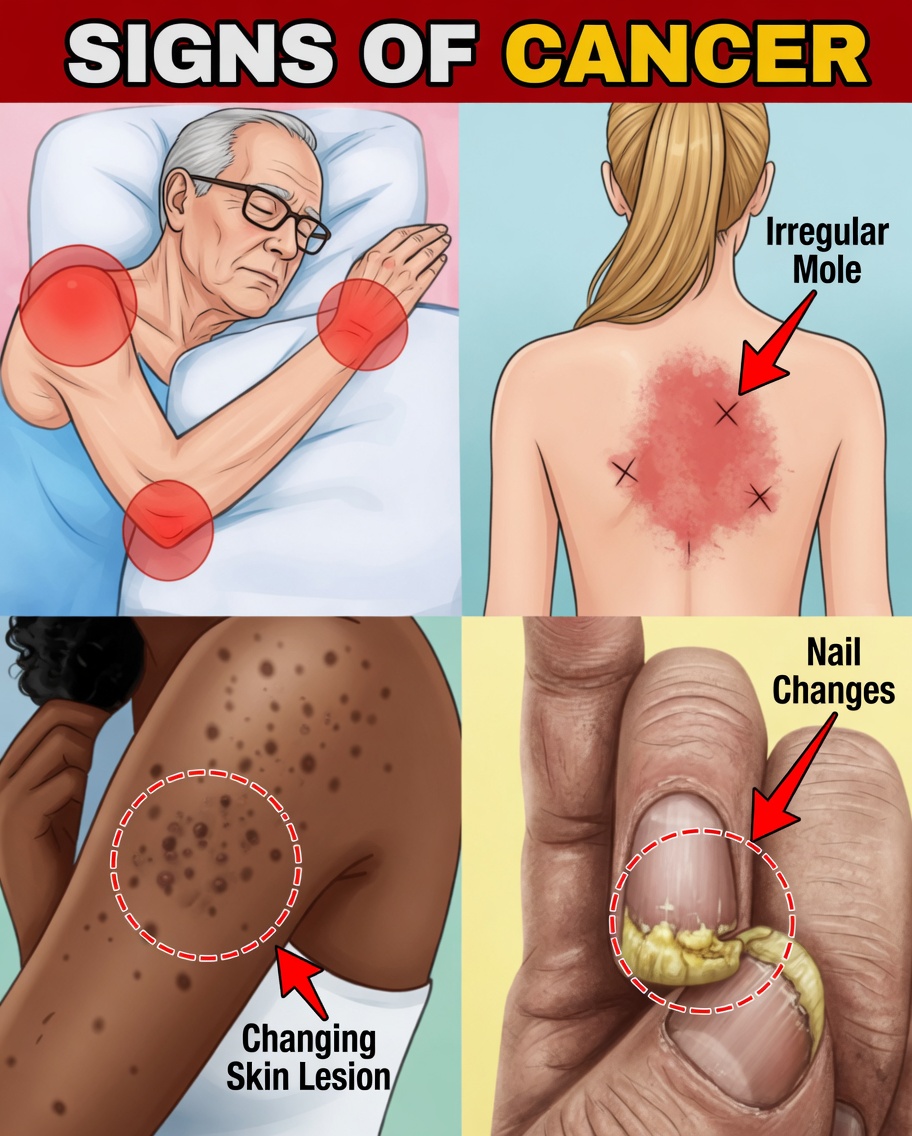
The Subtle Warning Signs Many People Dismiss
It’s easy to ignore minor symptoms when life is full, but common signs of cancer can sometimes start as quiet, nonspecific changes. Ongoing tiredness, for example, may gradually drain your energy and disrupt daily routines—especially when you can’t identify a clear cause. Guidance and research shared by organizations such as the American Cancer Society often note that vague symptoms are frequently overlooked until they persist or intensify. Learning to recognize what “temporary” looks like versus what “keeps returning” can help you decide when it’s time to pay closer attention.
Why Early Detection Is So Important
When potential signs of cancer are ignored, worry can build—especially if a symptom lingers and you’re unsure whether it’s serious. Information from sources like the National Cancer Institute emphasizes that early recognition and timely assessment can support better overall health management. Even a simple medical check-in can replace fear with clarity. The key is balance: many symptoms have harmless explanations, but knowing when something no longer fits the “normal” pattern is essential.
Normal Changes vs. Potential Red Flags
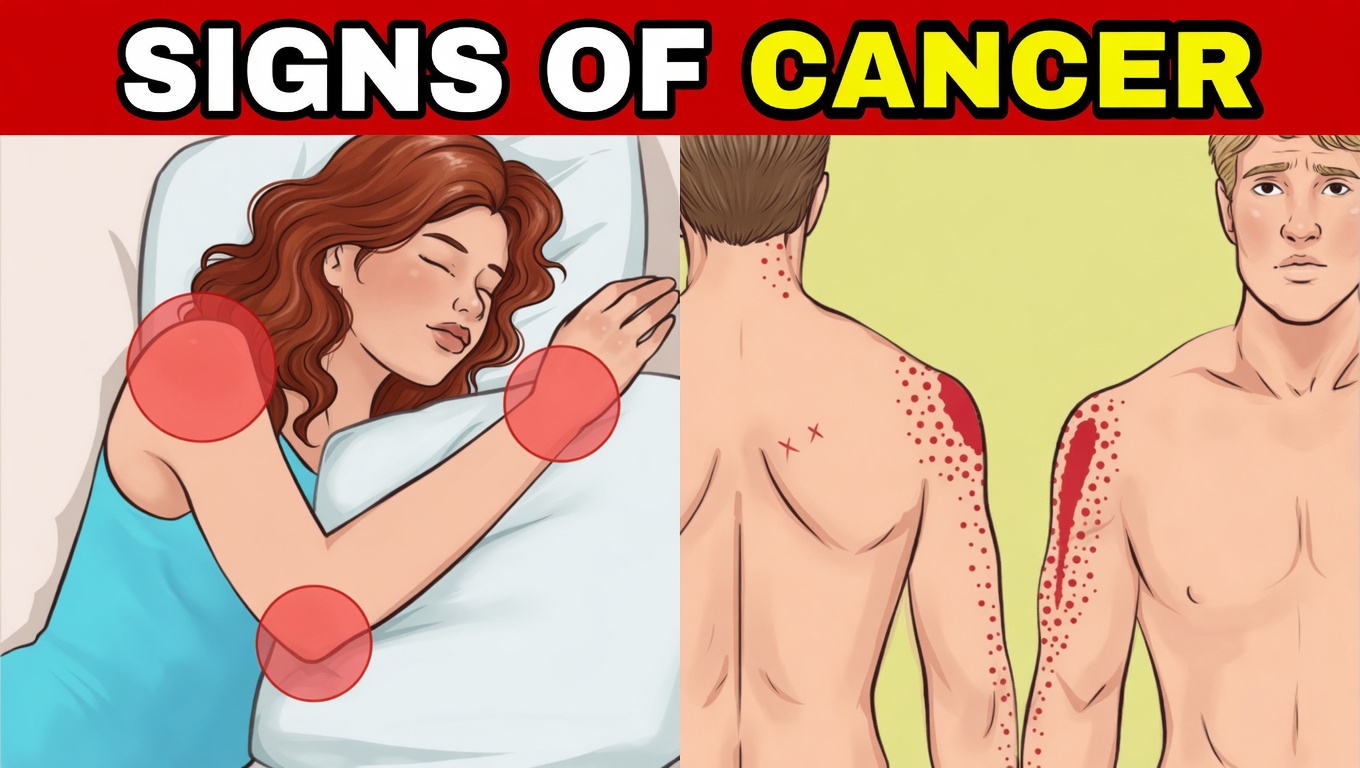
Bodies fluctuate all the time. A few restless nights can cause fatigue, and a brief cold can trigger a cough. However, when symptoms persist, worsen, or appear together, they may deserve extra attention as possible overlooked signs of cancer. A common theme in research is that duration and consistency matter.
Here’s a simple comparison to help you tell everyday issues from potential concerns:
| Sign | Common Cause | Potential Cancer Link | When to Note | Research Insight |
|---|---|---|---|---|
| Fatigue | Stress, poor sleep | Ongoing tiredness | Weeks without improvement | Reported across multiple cancer types |
| Weight loss | Diet changes, increased activity | Unexplained drop | ~10+ pounds unintentionally | Can reflect metabolic changes |
| Pain | Strain or injury | Persistent, unexplained pain | No clear cause or worsening | May relate to tumor pressure or bone involvement |
| Cough | Cold, allergies | Lasting cough/hoarseness, sometimes blood | Over ~3 weeks | May be linked to lung-related concerns |
| Skin changes | Aging, irritation | New or changing moles/lesions | Asymmetry, irregular border, color change | Often discussed in melanoma awareness |
This kind of side-by-side view can reduce “what if” anxiety by focusing on the practical difference: temporary vs. persistent.
10 Overlooked Signs Research Frequently Mentions
Your body often communicates through subtle signals. Missing common signs of cancer doesn’t mean something is wrong—but ignoring persistent symptoms can prolong discomfort and uncertainty. Below is a research-informed list, starting with less obvious signs and moving toward more widely recognized ones:
-
Difficulty swallowing
If swallowing becomes uncomfortable or food feels like it sticks, it can affect appetite and quality of life. When it develops gradually or persists, it may be discussed as a possible sign related to the throat or esophagus. -
Unusual bleeding
Blood in stool or urine (or bleeding that seems out of place) is sometimes dismissed. Still, it’s one of the overlooked signs of cancer that should be evaluated to rule out internal causes. -
Persistent bloating
Ongoing abdominal swelling or a frequent “full” feeling can interfere with comfort and confidence. If it doesn’t resolve, it may be associated with concerns in the digestive system. -
Changes in bowel habits
Long-lasting constipation, diarrhea, or noticeable changes in stool patterns can disrupt daily routines and may be worth noting, particularly when they don’t return to normal. -
New lumps or swelling
Unexplained bumps—especially those that persist or grow—can be alarming. While many are benign, new lumps are a classic reason to seek a professional exam. -
Unexplained pain
Pain without an injury or clear explanation—especially if it lingers or affects sleep—can be a signal your body needs attention, including possible bone-related concerns. -
Skin changes
New growths, sores that don’t heal, or moles that change in shape or color can be early indicators of skin issues, including melanoma-related signs of cancer. -
Persistent cough or hoarseness
A cough that lingers, voice changes that don’t improve, or coughing up blood should not be brushed aside—particularly if symptoms last beyond a few weeks. -
Extreme fatigue that rest doesn’t fix
When rest doesn’t restore your energy and everyday tasks feel unusually difficult, it may be more than routine tiredness. -
Unexplained weight loss
Losing weight without trying can seem positive at first, but it can also reflect internal changes. Persistent, unintended weight loss is often cited among the top overlooked signs of cancer.
A helpful approach: track symptoms over time, note whether multiple signs appear together, and keep up with age-appropriate screenings.
Real-Life Examples: When People Chose to Act
Hearing what others experienced can make your own concerns feel less isolating. Consider Robert, 70, who lived with a persistent cough and fatigue and assumed it was a lingering cold. When he finally sought medical advice, he received early clarity that reduced his stress and helped him move forward with a plan. Elaine, 65, noticed ongoing bloating and weight changes. After evaluation, she gained both answers and peace of mind.
These experiences highlight an important pattern: vague symptoms can feel easy to dismiss, but persistence is often the detail that matters most.
Practical Next Steps for Peace of Mind
Uncertainty can be exhausting. Taking reasonable, organized steps can help you feel more in control while you monitor possible signs of cancer:
- Track symptoms weekly: Write down what you notice and how long it lasts.
- Seek medical advice if symptoms persist 2–3 weeks: Especially if they worsen or recur.
- Do simple self-checks: Pay attention to skin changes or new lumps.
- Report symptom clusters: Multiple issues at once can be important context.
- Know your family history: It can shape risk and screening timing.
- Follow recommended screenings: Routine testing can catch issues early.
- Keep annual checkups: Regular visits help identify changes you may miss.
- Don’t delay evaluation: If a symptom persists, get it assessed.
- Support overall health: Balanced diet, activity, sleep, and avoiding tobacco matter.
- Rely on professionals for interpretation: Only a clinician can assess what symptoms mean.

Choose Awareness Today
Staying alert to common signs of cancer doesn’t mean living in fear—it means responding thoughtfully to what your body is telling you. Research and major health organizations repeatedly stress the value of early conversations and timely evaluation when symptoms persist. Listening to your body, documenting changes, and keeping routine appointments can protect your long-term well-being. If you’ve been postponing a checkup, consider scheduling one soon.
Frequently Asked Questions (FAQ)
What should I do if I notice one of these signs of cancer?
If a symptom lasts more than a few weeks, worsens, or keeps returning, book an appointment with a healthcare professional. They can help determine whether it’s related to signs of cancer or a more common condition.
Are these signs of cancer always serious?
No. Many have benign explanations. The concern rises when symptoms are persistent, progressive, or occur together, which is why evaluation is recommended.
How can I reduce the chance of missing overlooked signs of cancer?
Stay informed, keep regular checkups and screenings, and track symptoms over time. A simple record of changes can make it easier to spot patterns and discuss them clearly with a provider.