
Many older adults rely on ibuprofen to ease everyday discomfort—joint stiffness, back pain, or headaches—because it’s familiar and easy to find. However, as you age, regular use of this common NSAID may come with a less obvious downside: added cardiovascular strain that can interfere with energy, mobility, and confidence in staying active. Knowing how ibuprofen affects an older body can help you choose pain relief strategies that protect both comfort and long-term well-being. A helpful alternative approach is included near the end.

The Overlooked Risk of Everyday Ibuprofen Use
Ibuprofen often becomes the default option for arthritis pain, muscle soreness, or nagging aches in adults over 60. Yet research suggests that frequent NSAID use—including ibuprofen—may raise cardiovascular risk, especially for people already navigating age-related changes and chronic conditions. Because the medication can reduce pain quickly, it may also hide signals that something else is being affected, such as rising blood pressure or increasing fatigue during normal daily routines.
Why Cardiologists Watch NSAID Use Closely in Older Adults
Many seniors feel disappointed to learn that a trusted pain reliever can be associated with higher odds of heart-related events. Studies have linked NSAIDs like ibuprofen to increased risk of heart attack, worsening heart failure, and other cardiovascular complications, particularly in people with pre-existing heart conditions or risk factors. Over time, repeated use may shift from “occasional help” to a pattern that quietly adds stress to the cardiovascular system.
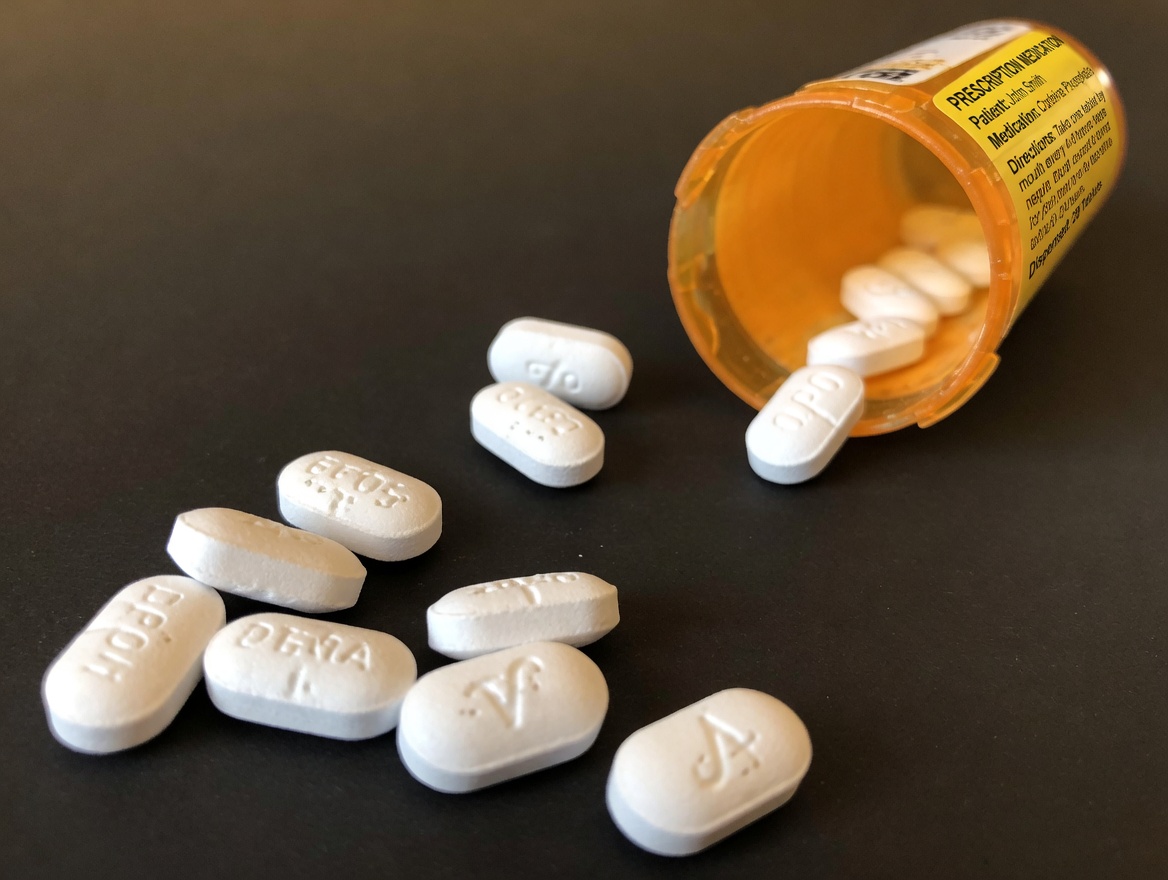
How Ibuprofen Can Affect Heart Function Over Time
Ibuprofen reduces inflammation, but it can also influence the body in ways that matter more with age:
- Sodium and fluid retention may occur, which can increase blood pressure and create extra workload for the heart.
- Kidney function may be affected, and because kidneys help regulate fluid and blood pressure, this can indirectly amplify cardiovascular strain.
- Medication interactions are possible, including reduced effectiveness of some blood pressure or heart medications.
These effects can show up as leg swelling, heaviness, shortness of breath, or unusual fatigue—symptoms that are easy to dismiss as “just getting older.”

Occasional vs. Frequent Ibuprofen Use After 60: A Quick Comparison
| Aspect | Occasional Use | Frequent Use | In Seniors (60+) | Potential Impact |
|---|---|---|---|---|
| Blood pressure | Often minimal change | More likely to increase | Greater sensitivity | Added strain on blood vessels |
| Fluid retention | Less common | More common | Higher risk | Can worsen heart failure symptoms |
| Heart attack odds | Lower | Increased | Risk amplified | Potential for sudden events |
| Kidney function | Usually stable | May decline | Age-related vulnerability | Indirect pressure on the heart |
| Guideline direction | Sometimes acceptable short term | Not ideal long term | Extra caution needed | Alternatives may be safer |
The pattern is clear: risk tends to rise with both age and frequency of use.
9 Ways Frequent Ibuprofen Use May Strain the Heart After 60
Heart-related concerns often develop gradually, which is why they can be missed until symptoms feel disruptive. Potential issues linked to frequent ibuprofen use include:
-
Mild but persistent blood pressure increases
Even small rises can accumulate and contribute to feeling more tired than usual. -
Reduced effectiveness of blood pressure medications
Some people notice treatments don’t seem to work as well when NSAIDs are used often. -
Indirect kidney strain
When kidney function is stressed, fluid balance and blood pressure control can become harder. -
Leg or ankle swelling
Fluid retention can limit comfort and mobility. -
Higher odds of atrial fibrillation (irregular rhythm)
Some studies suggest an association, which can feel alarming when palpitations occur. -
Worsening of existing heart failure
Fluid changes can trigger symptom flares. -
Changes affecting clotting/platelet activity
While not the same as aspirin, ibuprofen can still complicate matters for some individuals. -
Higher stroke potential
Blood pressure and vessel effects may contribute to increased risk. -
Greater likelihood of heart attack (dose-related)
Research suggests the risk may rise as dose and frequency increase—especially in vulnerable adults.

Real-World Stories: When Older Adults Reconsider Ibuprofen
Consider Elaine, 68, who took ibuprofen daily for generalized aches. Over time she felt puffy, sluggish, and unusually tired. After changing her pain plan away from frequent ibuprofen, she reported improved day-to-day energy.
Or Frank, 74, who had mild heart concerns and used ibuprofen regularly. A flare in symptoms led to a hospital visit, reinforcing how easily pain management choices can affect cardiovascular stability in later life.
These experiences don’t mean ibuprofen is “always unsafe”—but they do show why older adults often benefit from a more cautious plan.
Safer Ways to Manage Pain Without Relying on Ibuprofen
If pain is pushing you toward frequent NSAID use, there are commonly recommended alternatives that may feel more reassuring for heart health:
- Acetaminophen is often suggested as a gentler first option for mild to moderate pain (when appropriate for you).
- Topical options (creams, gels, patches) can provide localized relief with less whole-body exposure.
- Heat or cold therapy may reduce stiffness and soothe flare-ups.
- Gentle movement (walking, stretching, low-impact exercise) can support joints and reduce pain over time.
Practical daily reminders:
- Try acetaminophen first for mild pain (only as directed).
- Keep ibuprofen for occasional use, not a daily routine, unless your clinician advises otherwise.
- Use topical treatments for specific areas (knees, hands, lower back).
- Check blood pressure regularly to notice changes early.
- Stay gently active to improve function and resilience.
- Avoid NSAIDs if you have a history of heart failure, unless a clinician approves.
- Use heat/cold before escalating to oral medication.
- Ask about a long-term pain plan if pain is chronic.
- Stay well hydrated to support kidney and cardiovascular function.
- Read labels to avoid accidental double-dosing with combination products.

Actionable Steps to Protect Your Heart While Managing Pain
- Track your ibuprofen use for 1–2 weeks: note dose, frequency, and symptoms like swelling or fatigue.
- Talk to your clinician or pharmacist about safer options—especially if you take blood pressure or heart medications.
- If approved, use the lowest effective dose for the shortest possible time.
- Add 10–15 minutes of walking most days to support joints without relying on frequent NSAIDs.
- Check blood pressure weekly at home and report meaningful changes.
- Consider topical therapies for targeted pain, reducing systemic exposure.
Small adjustments often produce meaningful improvements in comfort and confidence.
Conclusion: Informed Pain Relief Choices Support Heart Health
Understanding the potential cardiovascular impact of frequent ibuprofen use can help older adults approach pain relief with greater clarity and less worry. By choosing safer alternatives when appropriate, monitoring symptoms, and involving healthcare professionals, you can protect your heart while still managing daily aches effectively.
Frequently Asked Questions
What signs might suggest ibuprofen is affecting my heart?
Some older adults notice swelling (especially in legs/ankles), shortness of breath, unusual fatigue, or rising blood pressure. These symptoms should prompt a discussion with your clinician for personalized guidance.
Can I still take ibuprofen occasionally if I’m over 60?
Many people over 60 can use ibuprofen occasionally, but the safest approach is to confirm what “occasional” means for you—especially if you have high blood pressure, kidney disease, heart failure, or prior heart events.