
High Creatinine and Fruit: What to Limit (and What to Enjoy Instead)
Noticing elevated creatinine on a blood test can feel alarming. Because creatinine is a waste product your kidneys normally filter out, higher readings often suggest your kidneys may be working harder than usual—or filtering less efficiently. For people with early chronic kidney disease (CKD) or other kidney concerns, everyday food choices can matter more than they used to, including foods that are typically considered “healthy,” like fruit.

One key issue is potassium. Many fruits contain significant potassium, and when kidney function slows, potassium can build up in the bloodstream. That buildup may contribute to symptoms such as fatigue, weakness, swelling, or even changes in heart rhythm. The upside: you don’t have to give up fruit entirely. With a few smart swaps, you can still enjoy fruit while placing less strain on your kidneys.
Below are six fruits research and renal nutrition guidance commonly suggest limiting when creatinine is high, followed by three lower-potassium, kidney-friendlier options that are often easier to fit into a renal-conscious eating plan.
Why Fruit Choices Matter When Creatinine Is High
When creatinine rises, it can be a sign that the kidneys are not clearing wastes as effectively. At the same time, they may also struggle to remove excess minerals—especially potassium. While potassium is essential for nerve and muscle function, too much can be risky when kidney function is reduced.
Many renal diet recommendations (including guidance commonly referenced by kidney health organizations) advise extra caution with high-potassium fruits, often those providing roughly 200–300 mg of potassium or more per serving, depending on your lab results and CKD stage.
Feeling like you must restrict “healthy” foods can be stressful, but not all fruits impact potassium the same way. Lower-potassium fruits can still provide hydration, fiber, antioxidants, and vitamins—often with less kidney burden.
6 Fruits to Limit or Avoid with High Creatinine
These fruits are frequently higher in potassium and may be harder to include regularly if your potassium levels or kidney function require restriction.

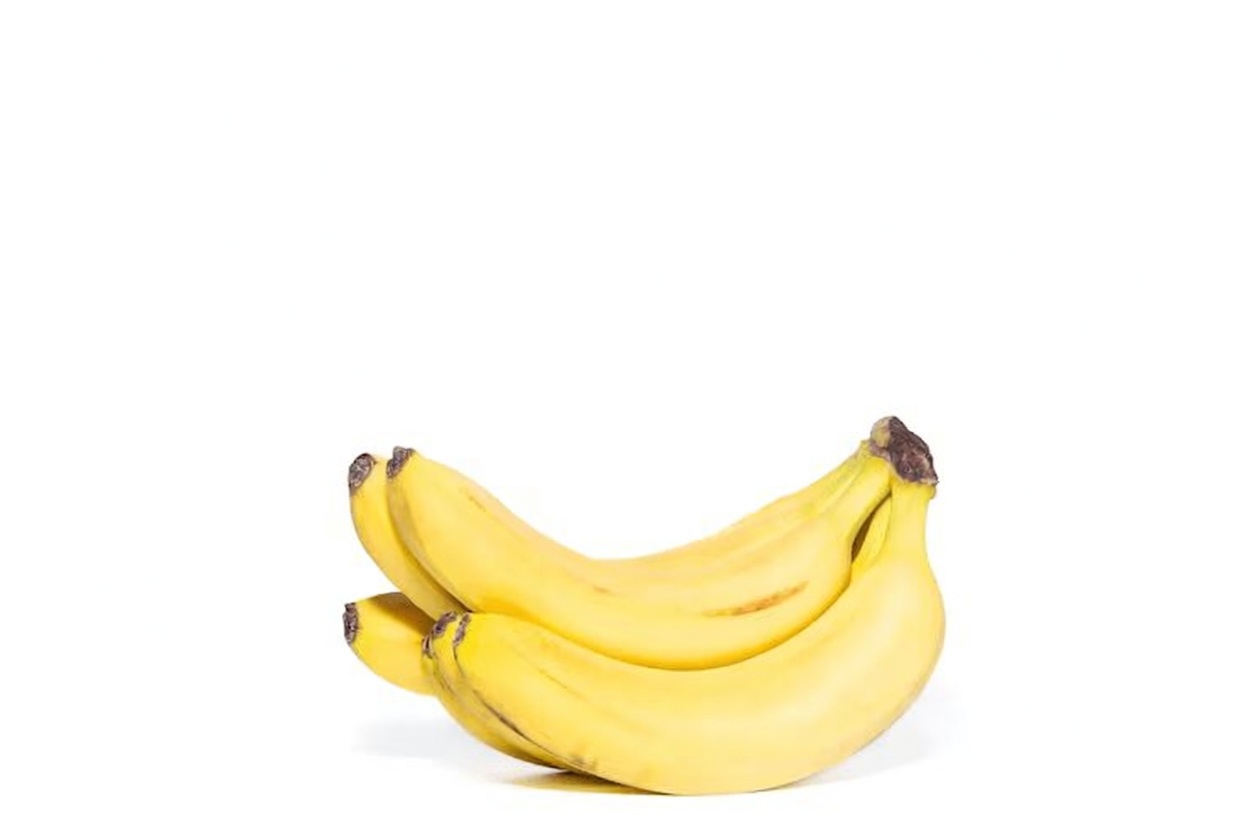
1. Bananas
Bananas are a go-to for quick energy, but they’re also potassium-dense. A medium banana contains about 422 mg of potassium, which can push daily totals higher when kidneys are under strain.

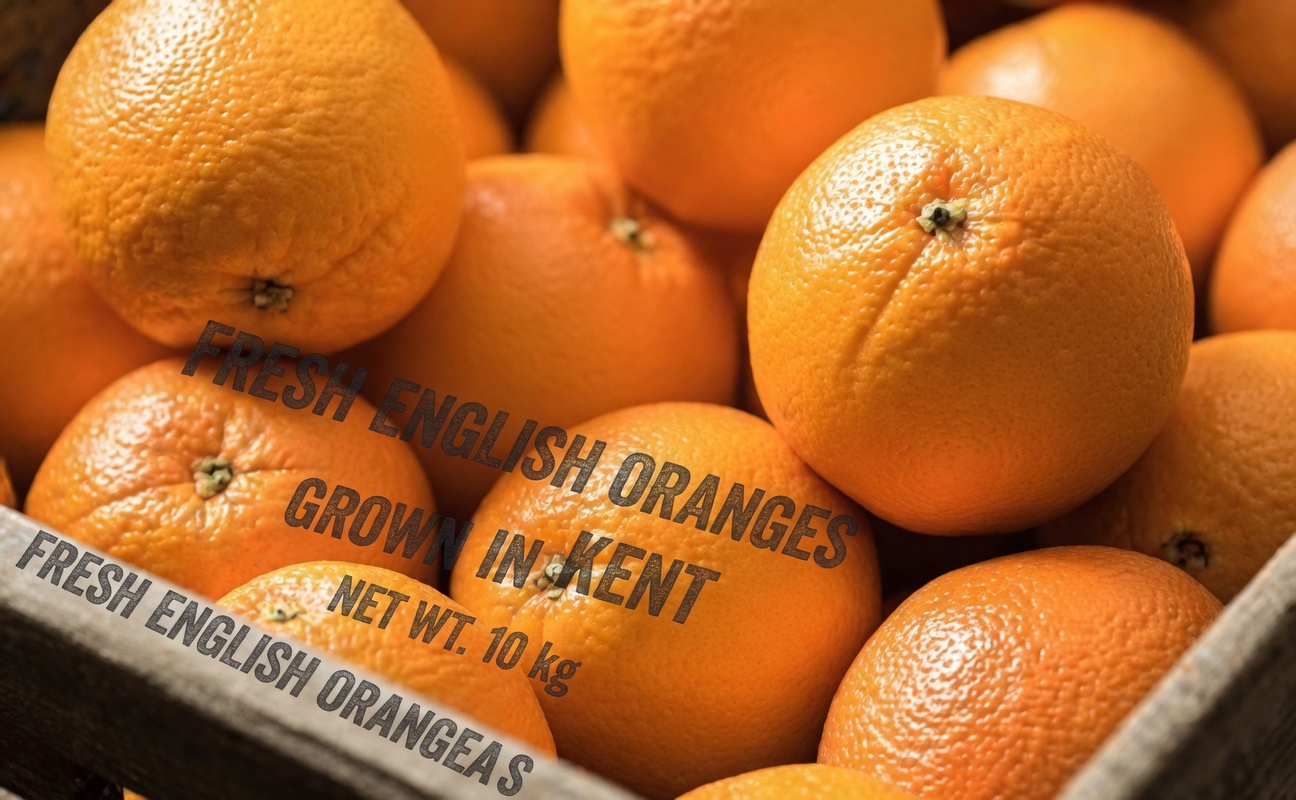
2. Oranges (and orange juice)
Oranges feel like a heart-healthy vitamin C boost, yet they can be surprisingly potassium-heavy. One orange or a cup of orange juice can deliver roughly 200–400+ mg of potassium, and juice can be especially easy to overconsume.
3. Avocados
Avocados are rich in nutrients and healthy fats, but potassium is the trade-off. A single average avocado can contain close to 975 mg of potassium, which may exceed what many renal diets allow for a single food item.

4. Dried fruits (raisins, prunes, apricots, dates)
Drying fruit concentrates everything—including potassium. For example, a half-cup of dried apricots can exceed 700 mg of potassium. Some dried fruits also contain added sugars, which can complicate management if diabetes is also present.
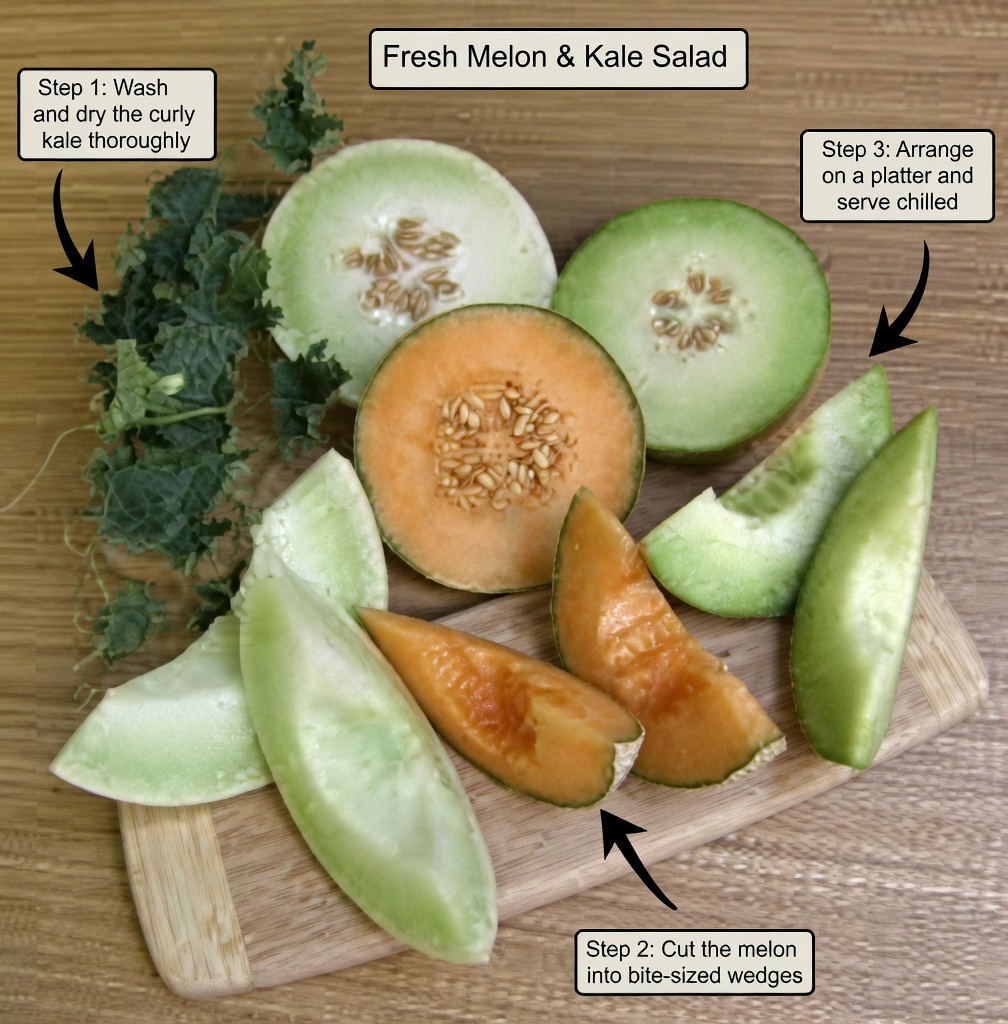
5. Melons (cantaloupe, honeydew)
Melons taste light and hydrating, but they can add up quickly in potassium. Many typical portions provide 400 mg of potassium or more, making serving size especially important.
6. Kiwifruit
Kiwi is often praised for vitamins and fiber, but it can still be moderately high in potassium. One kiwi commonly falls around 200–300 mg of potassium, which can accumulate fast if eaten daily or in larger servings.
3 Kidney-Friendlier Fruits to Choose Instead
If you’re limiting potassium, these options are commonly considered lower in potassium (often under ~200 mg per serving) and easier to incorporate in moderate amounts—while still offering taste, fiber, and antioxidants.

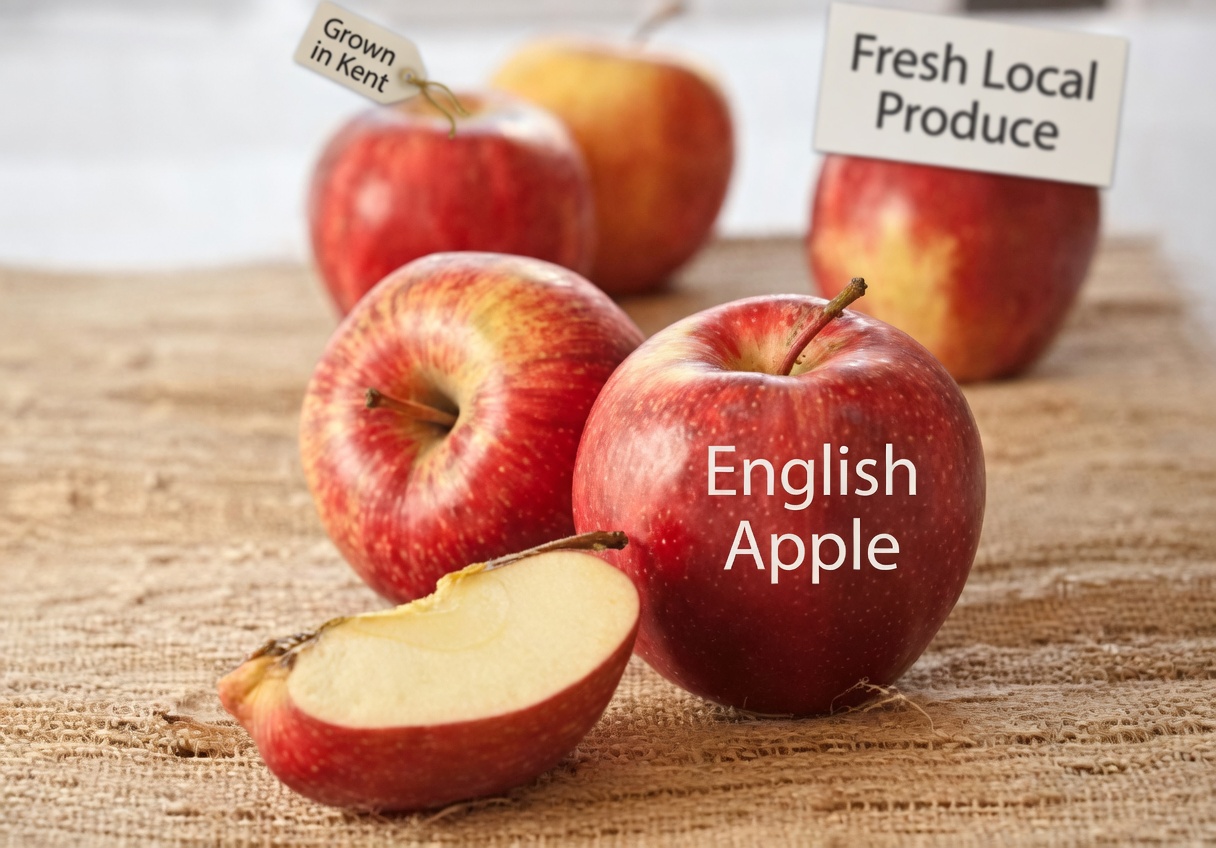
1. Apples
Apples are widely kidney-diet friendly. A medium apple typically provides about 100–150 mg of potassium. They’re also a good source of fiber and beneficial plant compounds such as quercetin.
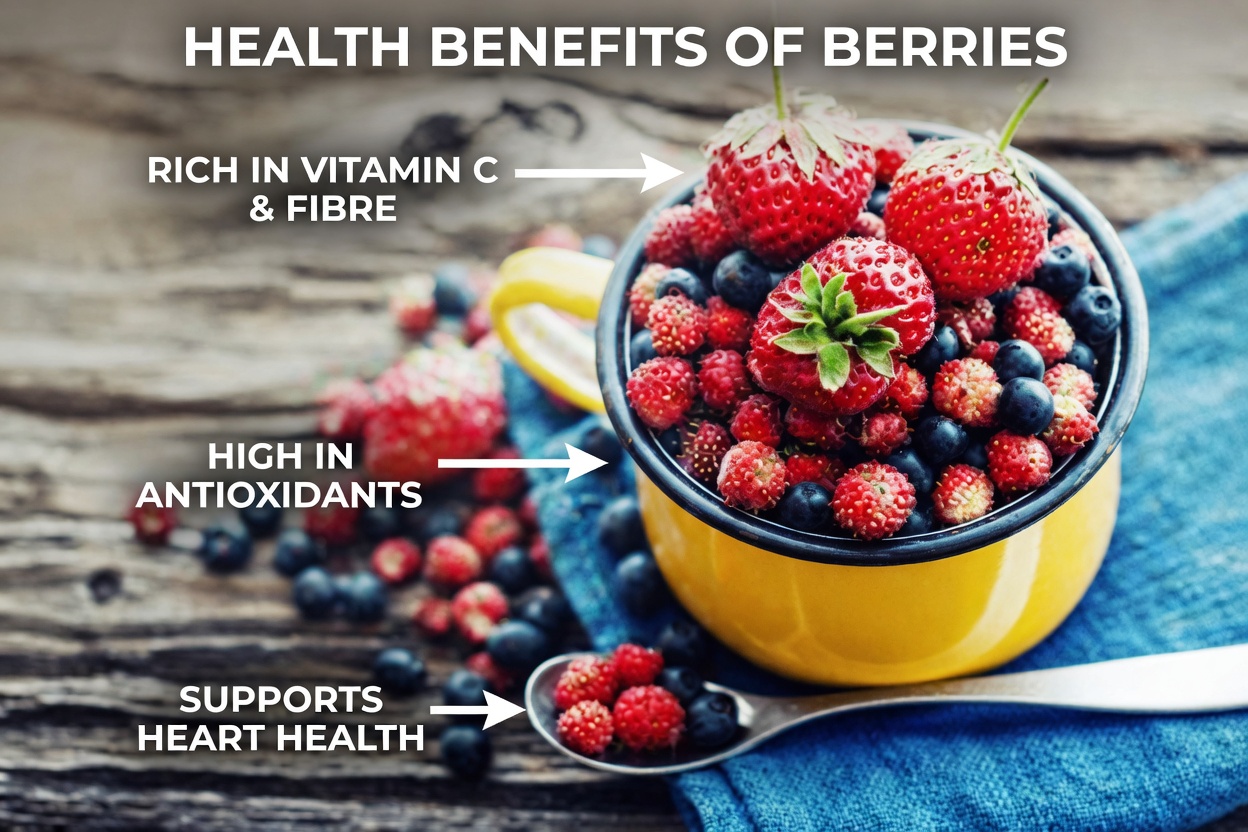
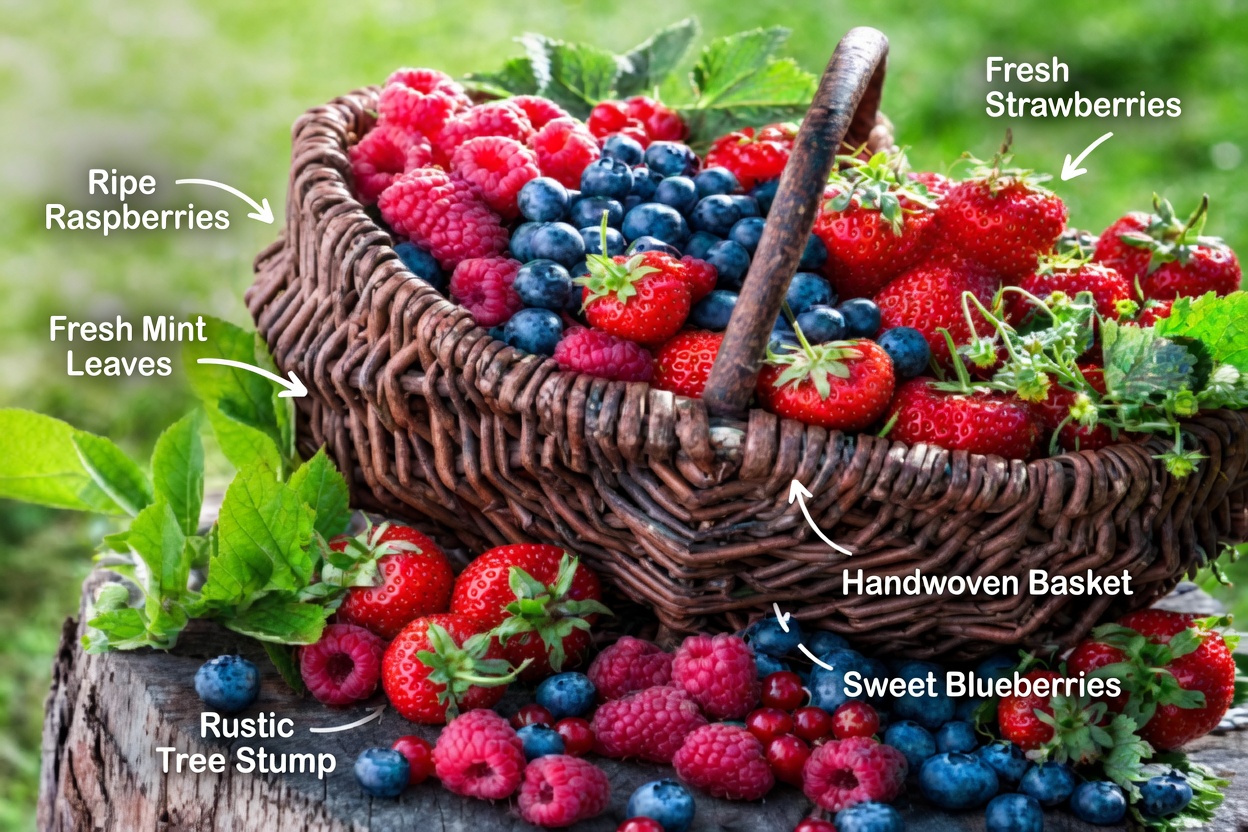
2. Berries (blueberries, strawberries, cranberries)
Berries are flavorful and generally lower in potassium. Many varieties provide under ~150 mg per half-cup, while delivering antioxidants that support overall wellness.
3. Pineapple
Pineapple offers a bright, tropical option with moderate potassium in reasonable portions. It also contains vitamin C and bromelain, an enzyme often associated with anti-inflammatory properties.
Quick Comparison: Fruits to Limit vs. Safer Picks
-
Higher-potassium fruits to limit (often):
- Bananas
- Oranges and orange juice
- Avocados
- Dried fruits (raisins, prunes, dried apricots, dates)
- Melons (cantaloupe, honeydew)
- Kiwifruit
-
Lower-potassium, kidney-friendlier choices (often):
- Apples
- Berries (blueberries, strawberries, cranberries)
- Pineapple (portion-aware)
Even with kidney-friendlier options, portion size still matters—potassium can add up over the day.
Practical Tips for Eating Fruit with High Creatinine
If you’re trying to manage high creatinine and reduce kidney workload, these steps can make fruit choices simpler:
- Use your lab results as your guide. Potassium needs vary based on kidney function stage and blood potassium levels.
- Prioritize fresh or frozen fruit (without added sugar). Some canned fruits are packed in juices or syrups that can change nutrition totals.
- Keep servings consistent. Even low-potassium fruits become high-potassium if portions grow too large.
- Make simple swaps:
- Choose sliced apple instead of a banana at breakfast.
- Add a small handful of berries to oatmeal or yogurt.
- Snack on pineapple chunks for dessert.
For personalized targets, speak with your doctor or a renal dietitian, especially if you take medications that affect potassium balance.
Conclusion
High creatinine doesn’t mean fruit is off-limits—it means being more selective. By reducing higher-potassium fruits (bananas, oranges, avocados, dried fruits, melons, and kiwis) and choosing kidney-friendlier options like apples, berries, and pineapple, many people find it easier to support kidney comfort while still enjoying naturally sweet foods.
FAQ
What causes high creatinine levels?
High creatinine is often linked to reduced kidney filtration, but it can also be influenced by dehydration, certain medications, significant muscle breakdown, or underlying kidney disease.
How much potassium is safe if creatinine is high?
There isn’t one universal number. Many renal guidelines commonly reference ranges such as 2,000–3,000 mg per day or less, but the right limit depends on your labs, CKD stage, and medical plan. Your blood tests help determine your personal target.
Can I still eat fruit if I have high creatinine?
Yes. Many people can still include fruit by focusing on lower-potassium choices (such as apples, berries, and portion-controlled pineapple) and following individualized advice from a healthcare professional.
Medical disclaimer: This article is for informational purposes only and does not replace professional medical advice. Consult your healthcare provider for guidance tailored to your health status, lab results, and medications.