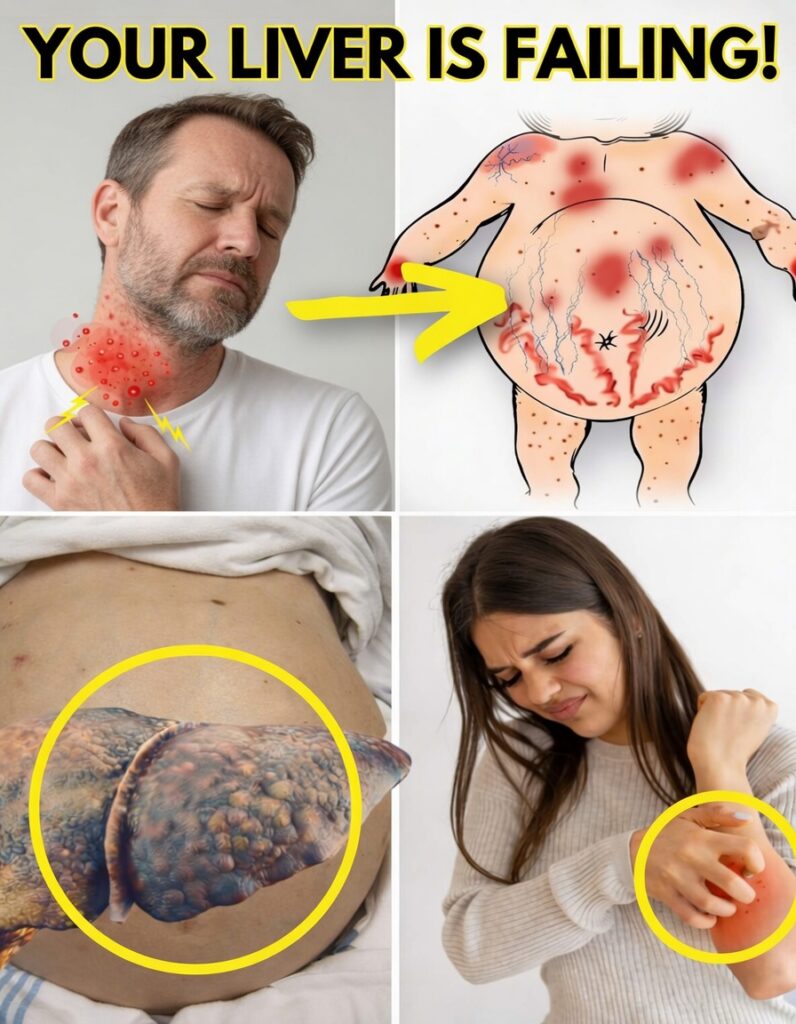
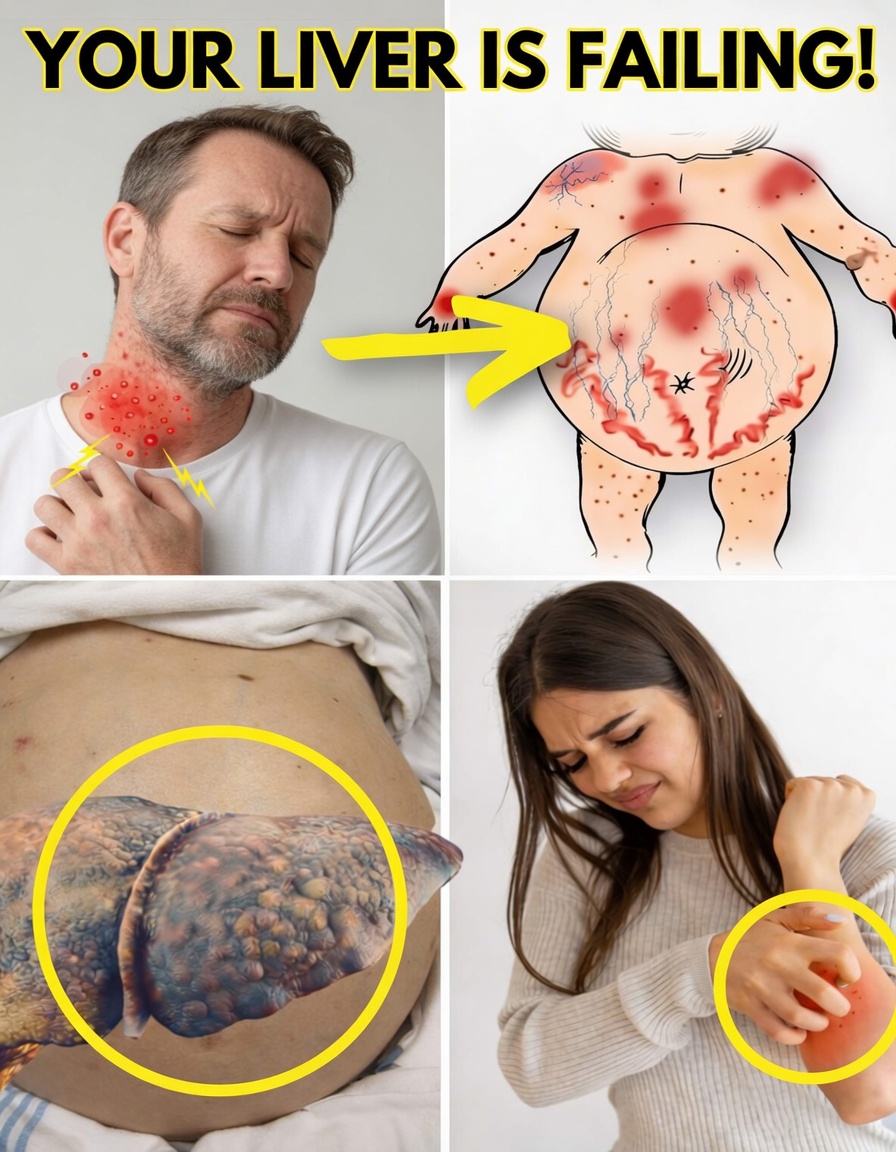
Many adults today notice unexplained fatigue, unusual skin changes, or lingering discomfort—and can’t quite pinpoint the cause. In some cases, these subtle clues may be connected to metabolic dysfunction–associated steatotic liver disease (MASLD) (previously called nonalcoholic fatty liver disease), a condition in which fat accumulates inside liver cells. Evidence suggests MASLD is common among U.S. adults and is frequently associated with insulin resistance, excess abdominal weight, and modern dietary habits that lean heavily on refined sugars and ultra-processed foods.
Current research estimates MASLD affects roughly 30–40% of adults, and projections indicate rates may climb in the years ahead. What makes this condition especially concerning is how often it develops with few or no early symptoms—yet it can worsen over time if lifestyle factors aren’t addressed. The encouraging part: when recognized early, practical, consistent habit changes can support liver health and help reduce liver fat.
In this guide, you’ll learn eight possible warning signs linked to excess liver fat, what people often notice after making realistic lifestyle shifts, and evidence-based actions that can help protect your liver. Stay until the end for a simple daily habit many people find surprisingly motivating.
Why MASLD Is Often Described as a “Silent” Condition
MASLD typically develops gradually, largely driven by metabolic issues such as insulin resistance and central (abdominal) obesity. Over time, patterns like frequent sugary drinks, refined carbohydrates, certain dietary fats, and low physical activity can contribute to fat buildup in the liver.
Major health organizations (including sources commonly referenced in clinical education, such as the Mayo Clinic and the American Liver Foundation) emphasize a key point: many people have no clear symptoms at first. When signs do emerge, they may be easy to dismiss—such as persistent tiredness, vague discomfort in the upper-right abdomen, or a general “run-down” feeling. More noticeable issues like itching or swelling tend to occur later and may signal progression.
The positive takeaway is that the liver often responds well when metabolic strain is reduced. Research supports that weight management (when appropriate), improved diet quality, and regular movement can help lower liver fat—especially when started early.
8 Possible Signs Your Liver May Be Carrying Excess Fat
None of the signs below can diagnose MASLD on their own—many have other causes. However, seeing several signs together, especially alongside risk factors like prediabetes, diabetes, or central weight gain, is a good reason to speak with a healthcare professional.
1) Spider-like blood vessels on the skin
Small red or purple “web” patterns (often called spider angiomas) may show up on the face, chest, or arms. These can be linked to changes in blood flow and hormone processing that may occur when the liver is under stress.
2) Persistent redness or warmth in the palms
Known as palmar erythema, this ongoing redness can be associated with circulation and hormonal changes sometimes seen when liver function is affected.
3) Frequent bloating or a tight, uncomfortable abdomen
Feeling unusually full, tight, or bloated—even without overeating—may occur in some people if the liver enlarges or fluid balance shifts.
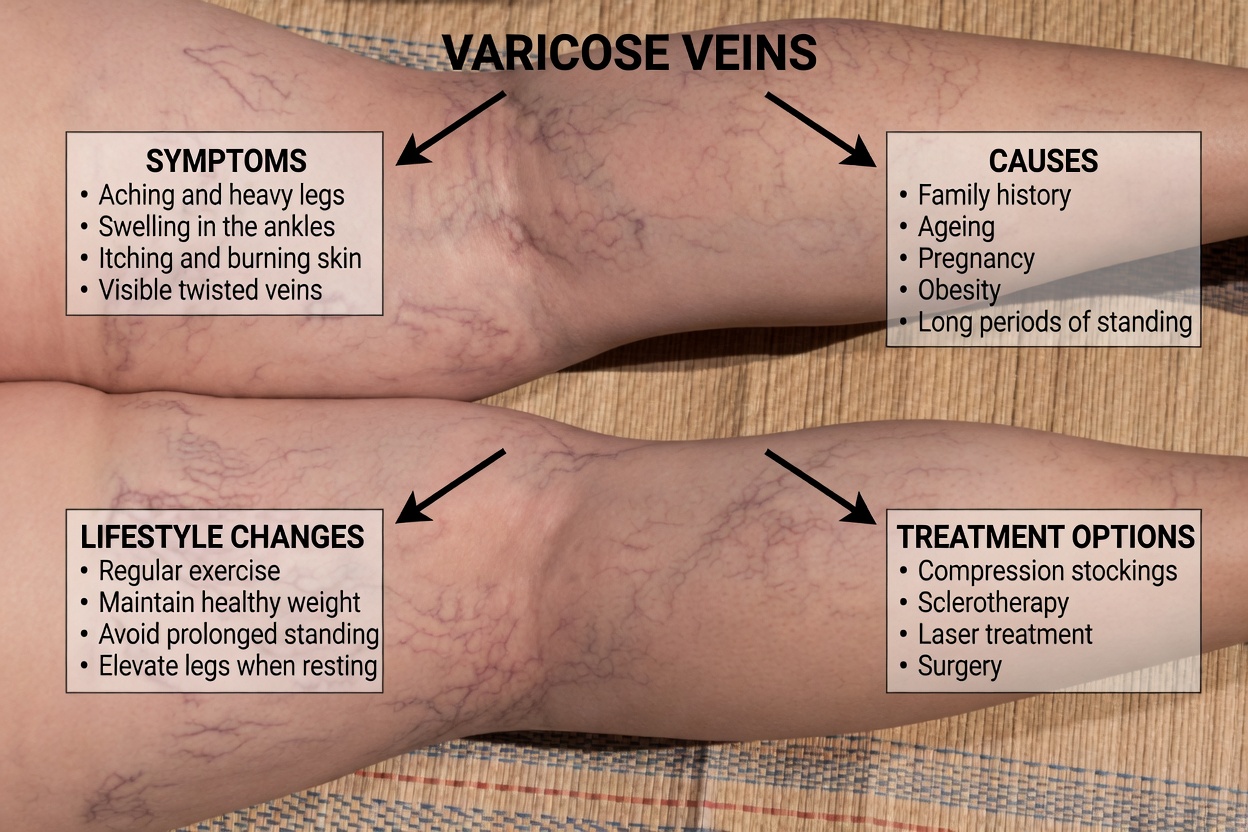
4) Noticeably prominent veins across the abdomen
In more pronounced situations, enlarged veins may become visible on the stomach area, reflecting challenges related to blood flow around the liver.
5) Ongoing itching without a visible rash
Persistent itchiness—often on the palms, soles, or widespread—can happen when the body struggles to process and clear certain substances, leading to buildup that irritates the skin.
6) A dull ache under the right ribs or discomfort that radiates to the back
Because of the liver’s location, discomfort may be felt in the upper-right abdomen, and sometimes as referred pain between the shoulder blades. People often describe it as a nagging ache that may feel worse after meals.
7) Dark, velvety patches of skin
Thickened, darkened areas (commonly on the neck, armpits, or groin) are consistent with acanthosis nigricans, which is frequently linked to insulin resistance—a major underlying driver of MASLD.
8) Nail changes
Brittle nails, ridging, or discoloration can sometimes reflect issues related to nutrient handling or protein production—processes in which the liver plays a central role.
If any of these sound familiar, consider writing down what you’ve noticed and when it happens. That record can be helpful during a medical visit.
What People Commonly Notice After Liver-Supportive Habit Changes
Many individuals report that steady, realistic lifestyle improvements lead to noticeable changes in how they feel—better daily energy, improved comfort after meals, and, in some cases, improved lab markers over time. Common themes include:
- Eating fewer ultra-processed foods
- Moving more consistently
- Choosing more whole, minimally processed ingredients
These experiences reinforce an important message: supporting liver health usually isn’t about extreme plans. It’s about small steps done consistently.

5 Evidence-Based Steps to Support Liver Health
The liver is resilient—and in many cases, it can improve when metabolic pressure is reduced. The strategies below are widely aligned with evidence-based lifestyle guidance.
1) Build a liver-supportive eating pattern
Emphasize whole foods such as:
- Vegetables and fruit
- Beans and lentils
- Nuts and seeds
- Olive oil
- Lean proteins
A Mediterranean-style diet (plant-forward, rich in healthy fats) is strongly supported by research and is frequently associated with improvements in metabolic health and reduced liver fat.
Practical tip: Start meals with vegetables or a salad to support steadier blood sugar.
2) Prioritize hydration
Adequate fluids support normal liver function and overall metabolic processes. Many people aim for roughly 8–10 glasses of water per day, adjusting for climate, activity, and medical guidance. Moderate intake of unsweetened green tea or black coffee has also been associated in large reviews with favorable liver outcomes for some adults.
3) Move daily (and make it sustainable)
Physical activity improves insulin sensitivity and supports liver fat reduction. A widely used benchmark is:
- 150–300 minutes/week of moderate-intensity movement (e.g., brisk walking, cycling)
- Plus strength training sessions to support muscle and metabolic health
4) Limit or avoid alcohol
Alcohol can add extra strain to the liver. Many people benefit from cutting back significantly—or avoiding it for a period—especially if they already have metabolic risk factors.
5) Include liver-friendly foods regularly
As part of a balanced diet, consider incorporating:
- Garlic (sulfur-containing compounds)
- Turmeric (anti-inflammatory properties)
- Beets (a source of betaine)
- Cruciferous vegetables like broccoli or Brussels sprouts
- Walnuts, berries, and leafy greens
These foods are most helpful when they support an overall nutritious eating pattern—not as a standalone “detox.”
Important: Always consult a qualified clinician before making major dietary changes or adding supplements, especially if you have medical conditions or take medications.
The Most Important Takeaway for Long-Term Liver Support
Lasting improvement usually comes from consistent, manageable choices, not quick fixes. Over time, many people notice steadier energy, fewer vague discomforts, and greater peace of mind when they stick with supportive habits.
A simple starting point today:
- Take a short walk after a meal, or
- Replace one sugary drink with water
Small actions, repeated, can meaningfully reduce the liver’s workload.
FAQ
What is MASLD, and how common is it?
MASLD is excess liver fat associated with metabolic risk factors such as insulin resistance. Estimates commonly place prevalence around one-third of U.S. adults, making it one of the leading chronic liver conditions.
Can lifestyle changes improve MASLD?
Yes. Evidence supports that dietary patterns such as the Mediterranean-style approach, regular physical activity, and appropriate weight management can reduce liver fat and improve overall metabolic health for many people.
When should I talk to a doctor?
If you recognize multiple signs above, or you have risk factors such as abdominal weight gain, prediabetes/diabetes, high triglycerides, or high blood pressure, it’s wise to seek evaluation. A clinician may recommend blood tests and/or imaging to assess liver health.
Medical Disclaimer
This article is for informational purposes only and does not replace professional medical advice. If you suspect MASLD or notice multiple concerning signs, contact a healthcare provider promptly for appropriate assessment.
P.S. A simple daily habit: Keep a one-minute journal. Record your energy level (1–10) and one small win each day. Watching the trend change over time can build real momentum.