Feeling Tired, Bloated, or Visually Strained? A Simple Vegetable May Help
Low energy, slow digestion, and eyes that fatigue faster than they used to can feel discouraging—especially when you suspect your everyday diet isn’t truly supporting your body. When these small issues stack up, it’s easy to feel unsure about what to change first.
One brightly colored, widely available vegetable is getting renewed attention for exactly these concerns: beets. And at the end, you’ll find a straightforward way to add them to your routine without complicated recipes.
Why Beets Are Trending in Modern Wellness
Beets are not a “new discovery.” For generations, they’ve appeared in traditional meals across Europe, Asia, and Mediterranean regions. What is new is the increasing scientific focus on their naturally occurring nutrients and plant compounds—and how these may contribute to long-term wellness.
From peer-reviewed nutrition research, beets are known to provide:
- Fiber
- Folate
- Vitamin C
- Potassium
- Betalains (pigments that create the deep red-purple color)
That vivid color is not just cosmetic. Betalains are associated with antioxidant activity, an area researchers continue to study for its potential role in helping protect healthy cells from oxidative stress.
Beets also contain natural nitrates, which the body can convert into nitric oxide—a molecule involved in blood flow and vascular function. Strong circulation influences how oxygen and nutrients reach tissues throughout the body, including the digestive system and the eyes.
Beets and Eye Health: Supportive Nutrition, Not a “Vision Cure”
Screens, night driving, and fine print can push your eyes harder than ever. While no single food can correct vision problems on its own, a nutrient-rich diet can play a supportive role in maintaining eye health over time.
Beets contribute nutrients linked to cellular support, including:
- Vitamin C, which supports antioxidant defenses
- Folate, important for normal cell function
- Phytonutrients, associated with protection against oxidative stress
Oxidative stress matters because the eyes are continuously exposed to light and environmental factors. Nutritional antioxidants are widely studied for their ability to help protect cells from free-radical damage.
Another key point: healthy blood flow supports the tiny blood vessels that nourish the retina. Since vegetable-derived nitrates may support vascular function, beets can fit well within an overall heart-healthy, eye-friendly eating pattern.
To be clear: beets do not restore eyesight. They are best viewed as one helpful piece of a balanced, long-term wellness plan.
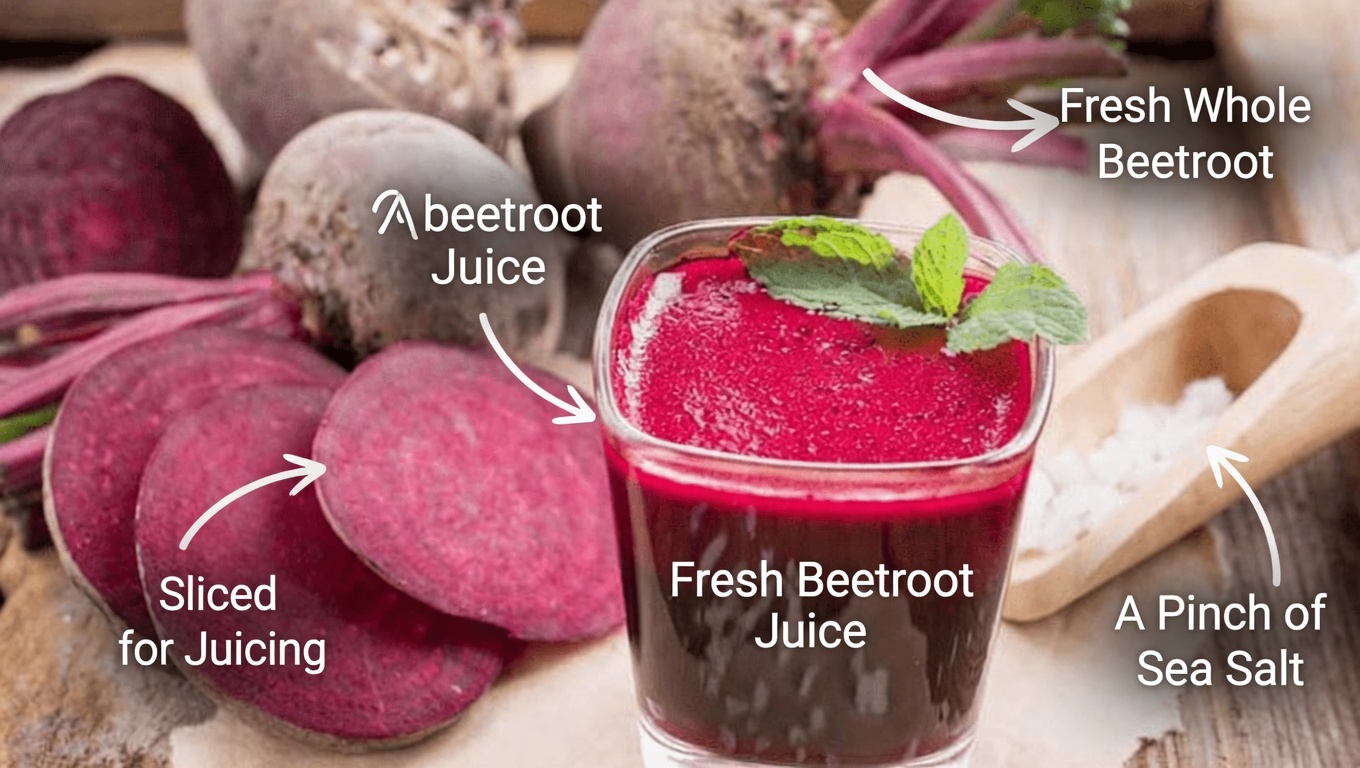
Better Digestion and Colon Support: Fiber Makes the Difference
If you deal with irregular bowel movements, bloating, or heaviness after eating, one common missing element is dietary fiber.
Beets—especially when eaten whole—offer a meaningful amount of fiber. Fiber supports digestive comfort by helping:
- Encourage regular bowel movements
- Nourish beneficial gut bacteria
- Increase satiety (feeling full)
- Support steadier blood sugar balance
Gut health research often describes fiber as prebiotic, meaning it feeds helpful microbes in your digestive tract. A healthier gut microbiome is associated with improved comfort, more consistent digestion, and broader wellbeing.
When gut bacteria ferment fiber, they create short-chain fatty acids, which are linked in research discussions to colon health and maintaining the intestinal lining. While studies continue to evolve, experts consistently recommend fiber-rich vegetables as a practical foundation for digestive support.
Beets are an easy way to increase fiber intake with real food—without relying entirely on supplements.
Can Beets Help Support Liver Wellness?
Your liver constantly works in the background—processing nutrients, supporting metabolism, and handling waste products. Diets high in ultra-processed foods and low in vegetables can make it harder to maintain overall metabolic health.
Beets provide betalains, which are being studied for their antioxidant and anti-inflammatory properties. Some lab research suggests these compounds may support normal liver cell function in certain contexts.
Still, it’s important to stay realistic:
- No vegetable can “cleanse” the liver instantly.
- The liver already has built-in detoxification systems.
- Nutrition supports the liver by helping it function well—not by replacing its role.
A liver-supportive lifestyle typically includes:
- Plenty of vegetables and fruit
- Consistent hydration
- Moderate alcohol intake (or avoiding it)
- Regular physical activity
- Maintaining a healthy body weight
Beets fit naturally into this pattern. Their fiber can also promote smoother elimination, indirectly supporting the body’s normal waste-management processes.
Beets Nutrition Overview (Cooked)
Here’s a clear snapshot of key nutrients commonly found in 1 cup of cooked beets:
- Fiber: about 3–4 grams — supports digestion and gut health
- Folate: roughly 30% of daily needs — supports growth, metabolism, and cell function
- Vitamin C: a modest but useful amount — antioxidant support
- Potassium: moderate amount — helps maintain normal fluid balance
- Natural nitrates: present — associated with vascular function
This nutrient mix explains why beets often appear in plant-forward and heart-healthy dietary patterns.
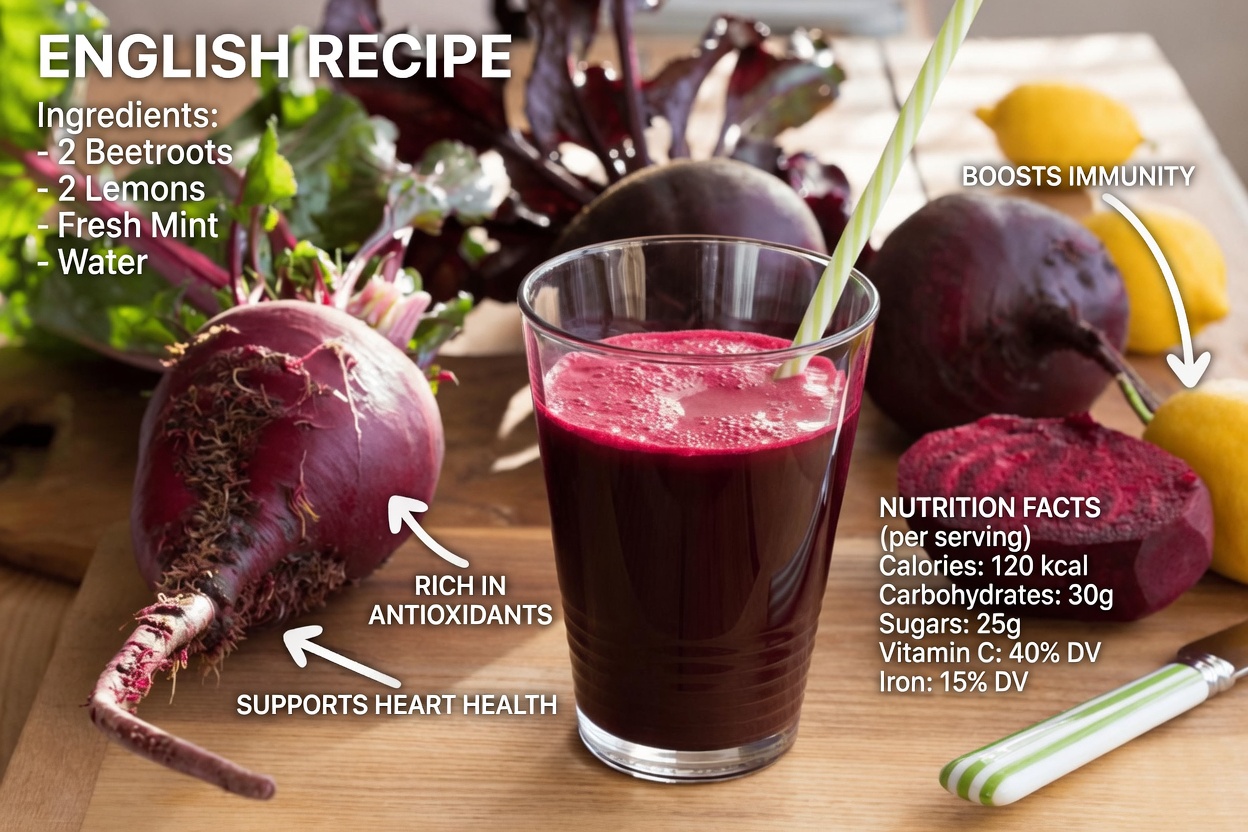
Whole Beets vs. Beet Juice: Which Should You Choose?
Beet juice is popular online, but whole beets and beet juice serve different purposes.
Whole beets
- Higher in fiber
- More filling
- Typically create a slower blood sugar response
Beet juice
- More concentrated in nitrates
- Easy to drink quickly
- Much lower in fiber
If your priority is digestive support, whole beets are often the smarter choice. If you’re mainly interested in circulation support for workouts, some people prefer beet juice in moderation.
The best choice depends on your goals, tolerance, and overall diet.
The Easiest Way to Add Beets to Your Weekly Routine
You don’t need powders or complicated meal plans. Try this practical approach:
- Wash two medium beets thoroughly (peel if you prefer).
- Dice into small cubes to shorten cooking time.
- Steam or roast at moderate heat until tender (roasting enhances natural sweetness).
- Finish simply: drizzle olive oil and add a pinch of sea salt. Optional: lemon juice, garlic, or fresh herbs.
- Build a balanced plate: add leafy greens, chickpeas, grilled fish, or whole grains.
Prefer a drink? Blend cooked beet cubes with:
- 1 small apple
- a squeeze of lemon
- water (as needed)
Keep the pulp if possible to retain more fiber.
For most people, 2–3 servings per week is a realistic, sustainable starting point.
Practical Tips to Get More Benefits from Beets
To make beets work better in your routine:
- Avoid overcooking, since excessive heat can reduce some nutrients
- Pair beets with other vitamin C–rich foods to strengthen overall antioxidant intake
- Drink enough water to support healthy digestion
- Rotate with other colorful vegetables such as spinach, carrots, and bell peppers
Dietary research consistently emphasizes one major theme: variety matters. Beets are valuable, but they’re not the only vegetable your body needs.
Common Beet Myths (And What’s Actually True)
-
Myth: Beets immediately fix eyesight
Reality: Eye health depends on genetics, total diet quality, and lifestyle habits over time. -
Myth: Beets detox the liver overnight
Reality: The liver already detoxifies naturally. Food supports liver function, but doesn’t create instant “cleanses.” -
Myth: If some is good, more is always better
Reality: Overdoing any single food can create imbalance. Moderation and variety are essential.