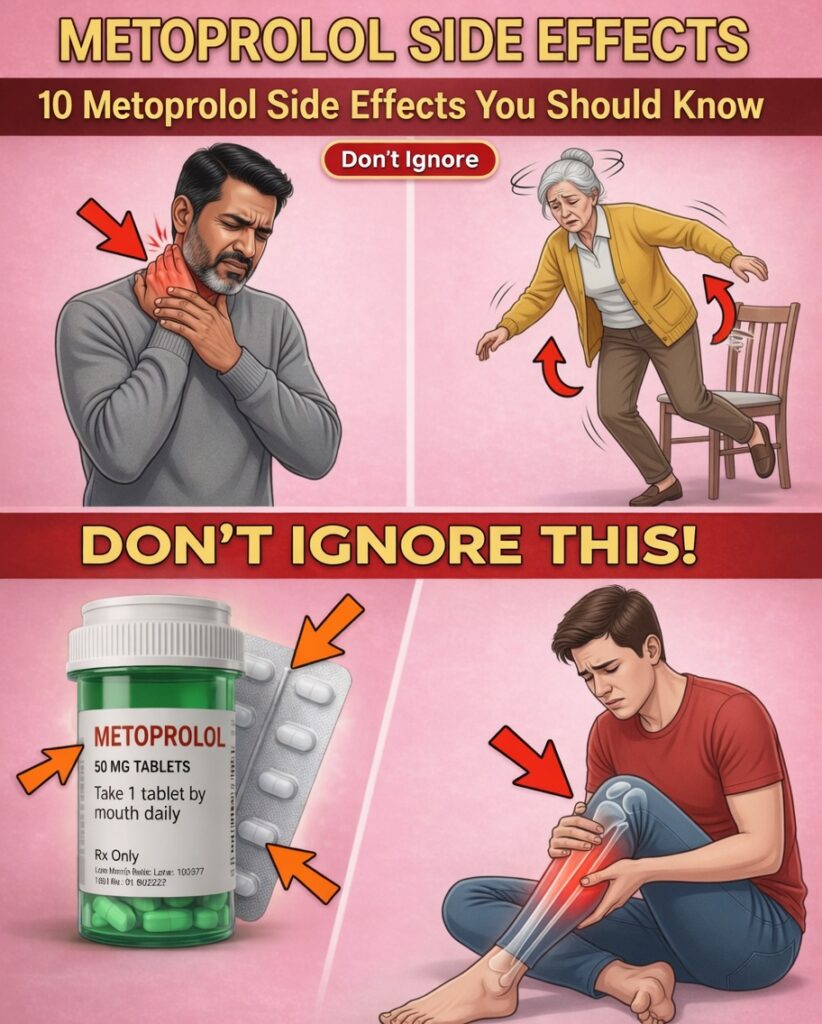
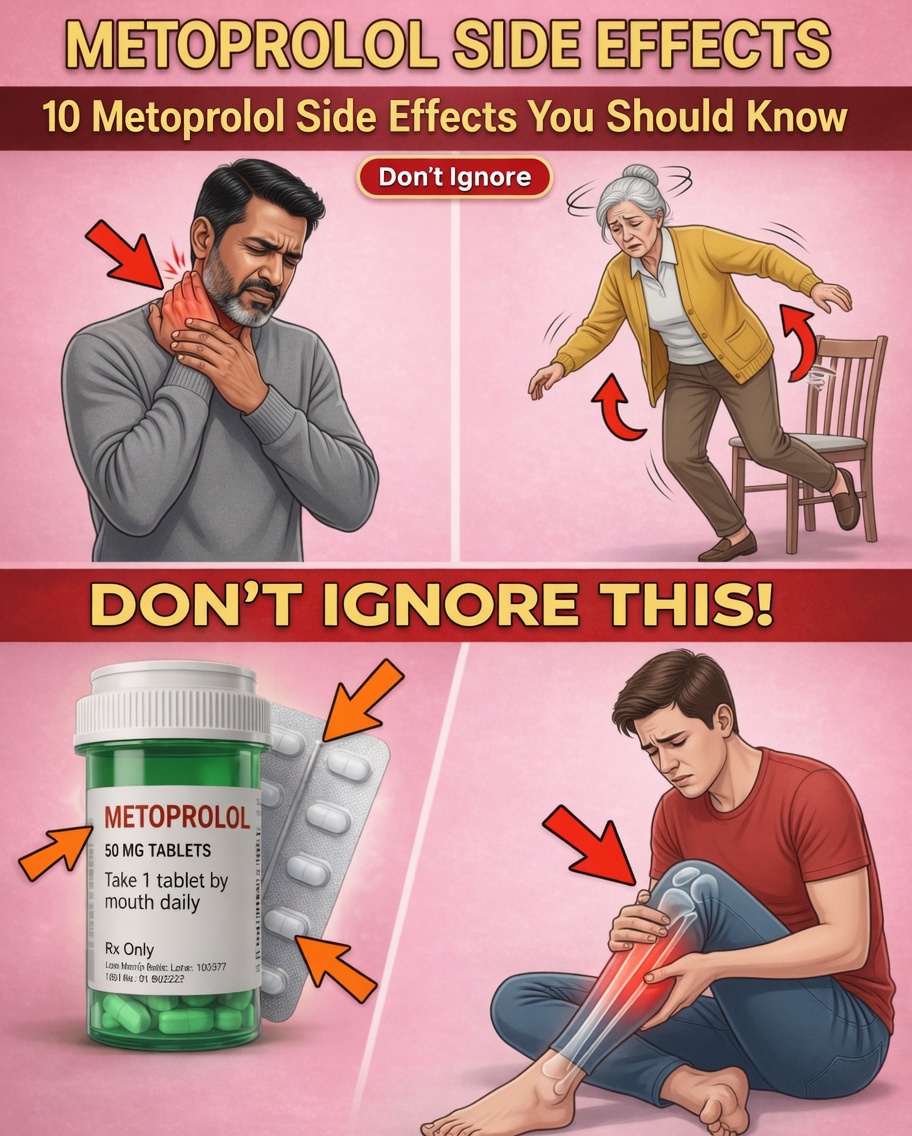
Taking metoprolol for heart disease or high blood pressure can feel like a stabilizing step—until small day-to-day changes make you wonder why you’re suddenly not feeling like yourself. For some people, metoprolol side effects show up in ways that interfere with work, relationships, and simple routines, adding stress on top of an already demanding health journey. Knowing what may be related to the medication helps you have clearer, more productive conversations with your clinician—so you can stay safe and feel more in control.
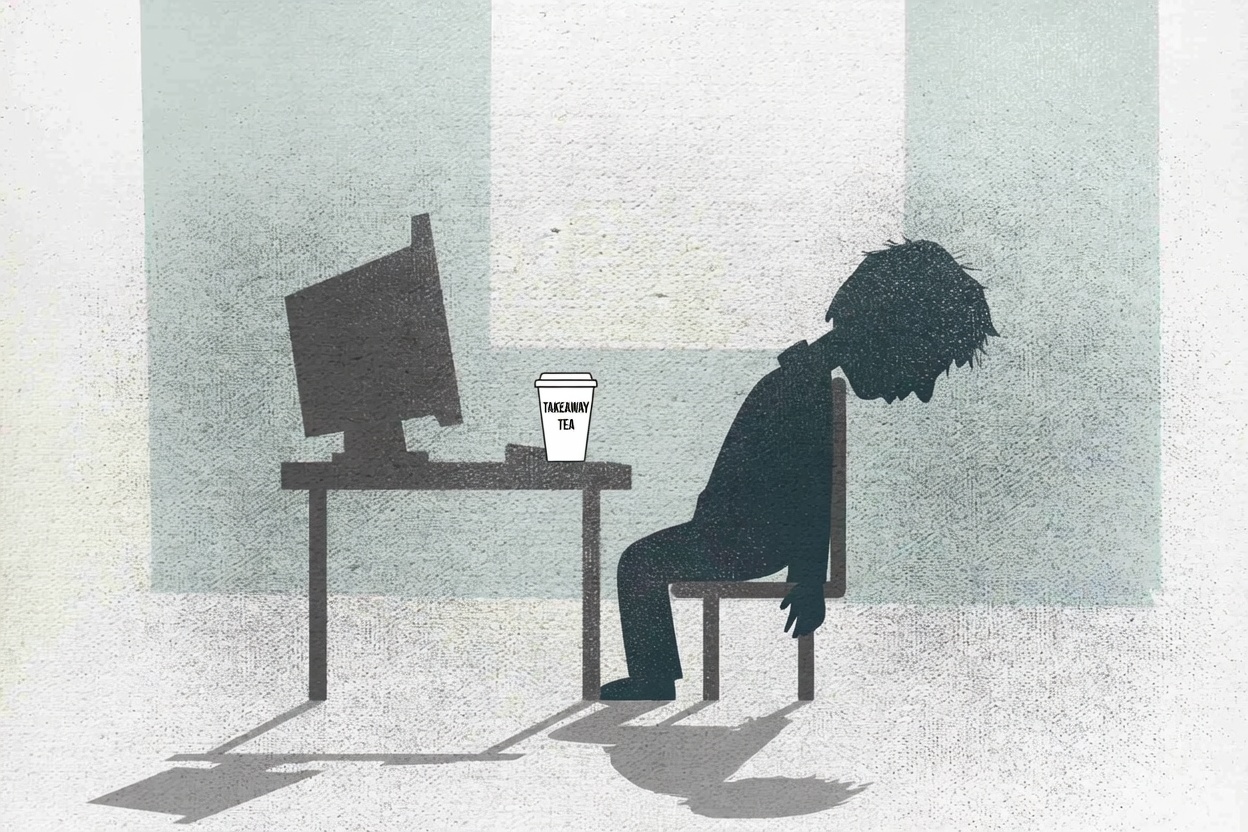
Side Effect #10: Unusual Fatigue That Wears You Down
You may start the day with energy and plans, but then feel as if your body “runs out of battery” too early. Fatigue is a commonly reported metoprolol side effect, and sources such as Mayo Clinic note it may be connected to the drug’s heart-rate–lowering effect, which can change how your body delivers oxygen during activity. This can make errands, hobbies, and family time feel harder than they should—especially if the tiredness is persistent rather than occasional.
Side Effect #9: Dizziness That Affects Balance
Feeling lightheaded when you stand up—sometimes with a brief spinning sensation—can be unsettling. Metoprolol side effects may include dizziness, and NHS guidance highlights that it can occur when blood pressure drops, particularly during position changes. This can make driving, showering, or even quick movements around the house feel risky. Paying attention to when it happens (after dosing, after standing, after exercise) can be useful information for your healthcare provider.

Side Effect #8: Cold Hands and Feet That Don’t Go Away
If your fingers or toes feel unusually cold—even when the room is warm—this may be one of the more subtle metoprolol side effects. Cleveland Clinic notes that reduced circulation to the extremities can occur due to blood vessel effects, which may leave you uncomfortable during rest, work, or outdoor activities. While it can seem “minor,” constant cold limbs can quietly reduce comfort and quality of life.

Side Effect #7: A Slower Heartbeat (Bradycardia)
Noticing that your pulse feels slower than normal can trigger worry, even if the medication is doing what it’s intended to do. Metoprolol works by blocking beta receptors to reduce heart workload, and MedlinePlus explains that a slow heart rate can occur in some users. If you feel faint, unusually weak, or symptomatic along with a slow pulse, that’s especially important to report. Monitoring and clinician guidance are key here.

Side Effect #6: Mood Changes, Including Depressive Feelings
A drop in motivation, increased sadness, or a sense of emotional “flatness” may be harder to connect to a heart medication—yet some people report mood shifts. References such as GoodRx and NCBI discussions describe that beta-blockers may affect individuals differently, potentially influencing mood in certain cases. If relationships, sleep, or daily functioning start to change, it’s worth raising the issue early rather than assuming it’s “just stress.”

Side Effect #5: Shortness of Breath That Feels Unexpected
If everyday movement—stairs, brisk walking, carrying groceries—suddenly leaves you winded, it can be alarming. TOPROL-XL safety information and sources like Mayo Clinic note that breathing issues may occur, particularly in people with asthma or other airway sensitivity, due to bronchial effects. Any worsening breathing should be discussed promptly, especially if it feels new, progressive, or limits your normal activity.
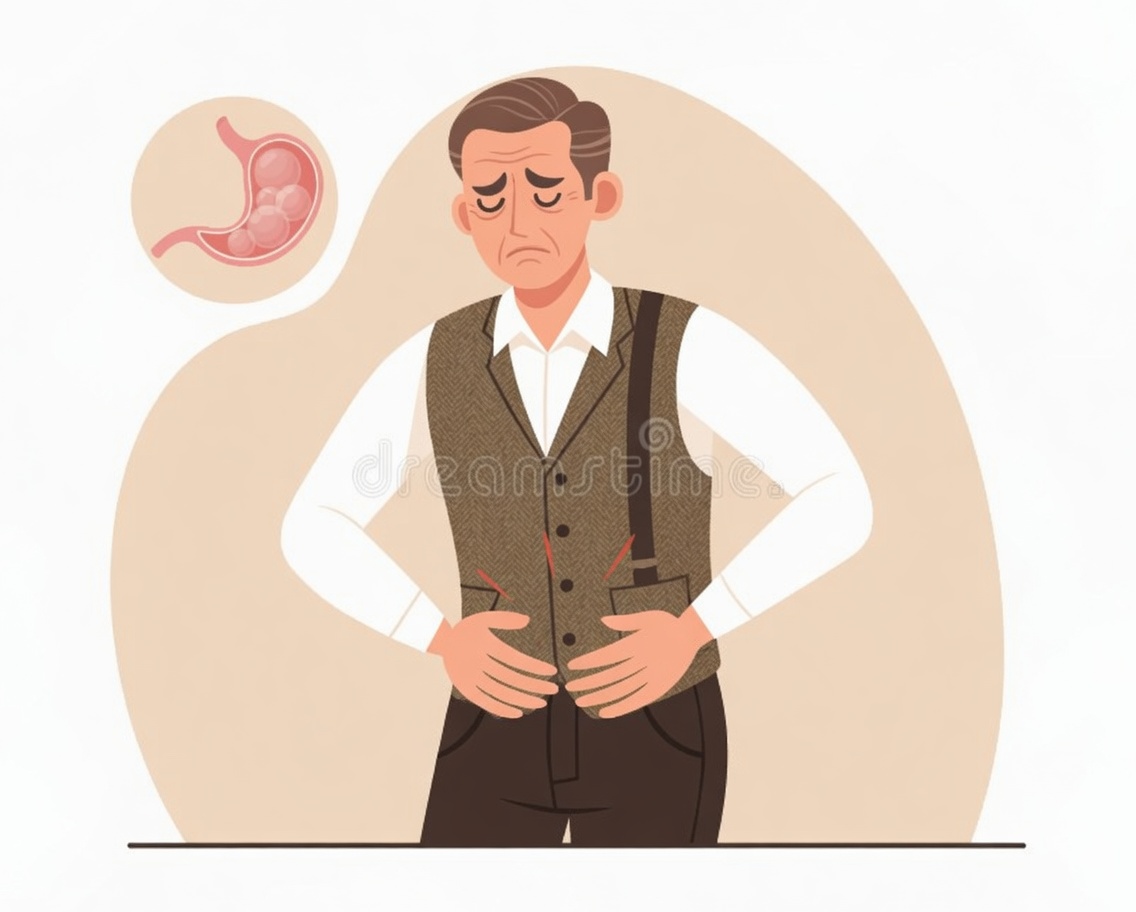
Side Effect #4: Gastrointestinal Upset (Including Diarrhea)
Digestive changes can be disruptive and embarrassing, particularly when they affect work or social plans. Metoprolol side effects may include diarrhea or stomach discomfort, and NHS/Cleveland Clinic information links this to medication effects on the body’s broader systems, including gut activity. If symptoms affect hydration, appetite, or consistency of meals, your clinician may want to adjust timing, dose, or consider alternatives.
Side Effect #3: Persistent Headaches
Headaches that interfere with concentration, sleep, or relaxation can feel like an unfair add-on to heart care. Some medical sources attribute this to circulation or vascular changes. If headaches become frequent, severe, or different from your usual pattern, documenting the timing (dose-related, stress-related, dehydration-related) can help your provider decide the safest next step.
Side Effect #2: Nausea That Reduces Appetite
A lingering queasy stomach can make normal meals unappealing, which can lead to low energy or unintended weight changes. MedlinePlus and GoodRx list nausea among possible side effects for some people. For many, it improves with time—but if it persists, it can turn daily eating into a chore and undermine nutrition during treatment.
Side Effect #1: Weight Gain That Slowly Appears
Seeing the scale climb—or noticing tighter clothing—without major lifestyle changes can be discouraging. Some reports and clinical observations associate metoprolol side effects with weight gain, potentially linked to changes in energy use, activity tolerance, or fluid retention. Tracking weight trends (not just single readings) can help you and your clinician evaluate what’s happening and respond appropriately.
Common vs. Less Common Metoprolol Side Effects (Quick Comparison)
Here’s a clearer way to view how experiences may vary (based on general summaries from sources such as Mayo Clinic):
-
Common side effects
- Fatigue
- Dizziness
- Slow heartbeat
- Cold extremities
- Depression or mood changes
-
Less common side effects
- Blurred vision
- Chest pain
- Confusion
- Sweating
- Bloating
Self-Check Questions to Discuss With Your Doctor
Use these prompts to reflect on patterns you may be experiencing:
- Do you feel unusually tired after light activity, making you less engaged during the day?
- Are dizzy spells becoming more frequent, increasing concern about balance or falls?
- Do cold hands or feet persist even in warm settings, distracting you from daily tasks?
Navigating Metoprolol Side Effects Safely
Managing metoprolol side effects starts with awareness—but safety comes from the right actions:
- Do not change your dose or stop metoprolol on your own. Many guidelines emphasize that beta-blockers often require gradual adjustments under medical supervision.
- Keep a symptom journal for 1–2 weeks.
- Record the time you take metoprolol
- Note symptoms, intensity, and what you were doing
- Track blood pressure/heart rate if you already measure them
- Bring specific examples to your appointment. Clear timing details help clinicians decide whether to adjust dose, change timing, or consider another option.
- Seek urgent care for severe symptoms. Chest pain, fainting, severe shortness of breath, or signs of an allergic reaction should be treated as urgent.
The more precisely you track and communicate what you’re experiencing, the easier it becomes for your healthcare provider to tailor your plan—so your treatment supports both heart health and day-to-day quality of life.