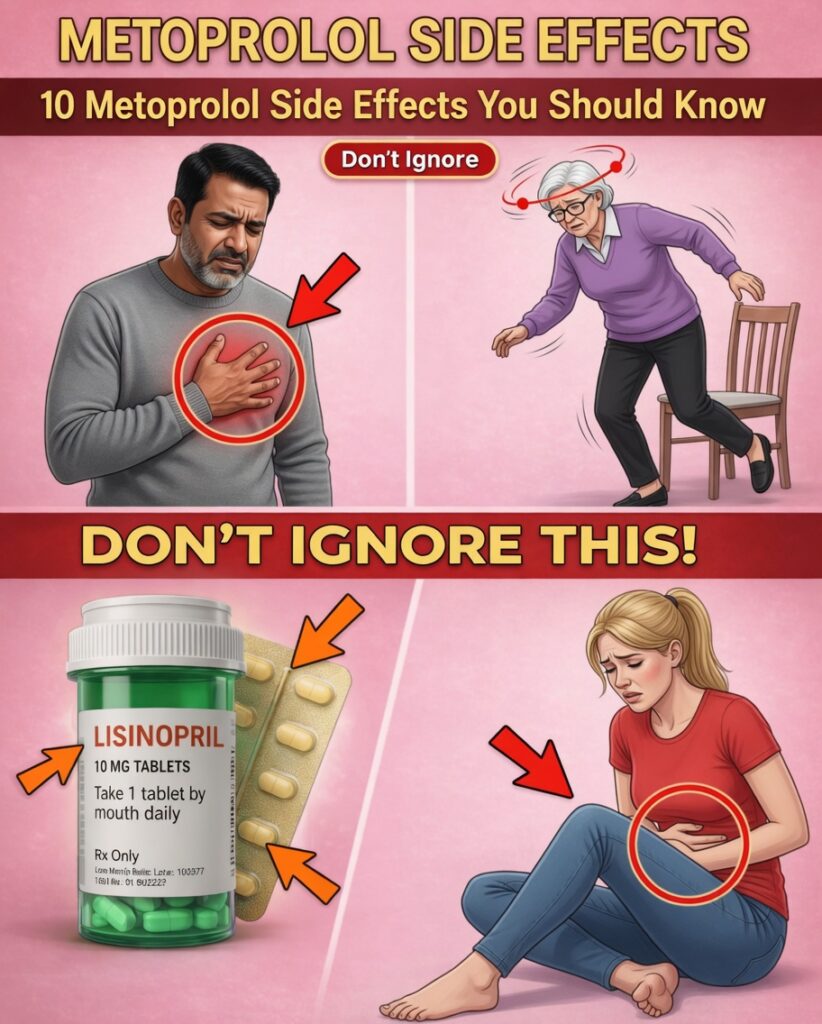
Taking metoprolol for heart conditions or high blood pressure often brings peace of mind at first. Still, small day-to-day changes—feeling “not quite yourself,” struggling to get through work, or having less patience and energy with family—can make you wonder whether the medication is playing a role. Learning about possible metoprolol side effects helps you put words to what you’re experiencing and have clearer, more productive conversations with your clinician.
Side Effect #10: Unusual Fatigue That Wipes Out Your Energy
You may wake up with a full plan for the day, only to feel your energy vanish early—making routine tasks feel disproportionately hard. This type of fatigue is a reported metoprolol side effect, and sources such as the Mayo Clinic note it may relate to the drug’s effect on heart rate and circulation, which can influence how energized you feel.
When fatigue becomes persistent, it can reduce your motivation for exercise, hobbies, or social time—adding emotional strain on top of managing a heart condition.
Side Effect #9: Dizziness That Disrupts Balance
Feeling lightheaded when you stand up quickly can be unsettling, especially if it happens often. NHS guidance explains that dizziness may occur when blood pressure drops during position changes (an “orthostatic” effect). For some people, this makes driving, chores, or even walking around the house feel riskier than usual.
Catching this pattern early can help your healthcare provider suggest practical adjustments.

Side Effect #8: Cold Hands and Feet That Won’t Go Away
If your hands or feet feel cold even in a warm room, it may be tied to circulation changes. The Cleveland Clinic describes how beta-blockers can narrow small blood vessels in the limbs, which can leave extremities feeling persistently chilly.
This can be especially frustrating when you’re already trying to stay active and comfortable while managing cardiovascular health.

Side Effect #7: A Slower Heart Rate (Bradycardia)
Metoprolol is designed to slow the heart and reduce its workload, but sometimes the heart rate may drop more than expected. MedlinePlus notes that a noticeably slow pulse can occur in some users, which may trigger worry—particularly if you feel weak, dizzy, or less able to exercise.
Monitoring your heart rate and symptoms is often an important part of staying safe on beta-blocker therapy.

Side Effect #6: Mood Changes, Including Low Mood or Depression
Emotional shifts can be subtle but significant. Some people report feeling unusually down, less interested in social activities, or emotionally “flat.” Resources such as GoodRx and information in medical literature (including NCBI discussions) acknowledge that mood-related effects may occur for certain individuals, potentially due to how beta-blockers interact with the nervous system.
If this shows up, it can affect relationships, motivation, and your ability to stick with healthy routines—so it’s worth bringing up directly with your clinician.

Side Effect #5: Shortness of Breath That Feels Unexpected
Getting winded walking upstairs or during a brisk walk can be alarming. Product safety information for TOPROL-XL and the Mayo Clinic note that breathing symptoms may be more likely in people with asthma or other respiratory conditions, because beta-blockers can influence bronchial pathways.
If you experience new or worsening shortness of breath, it should be evaluated—especially if it limits daily activities or feels frightening.
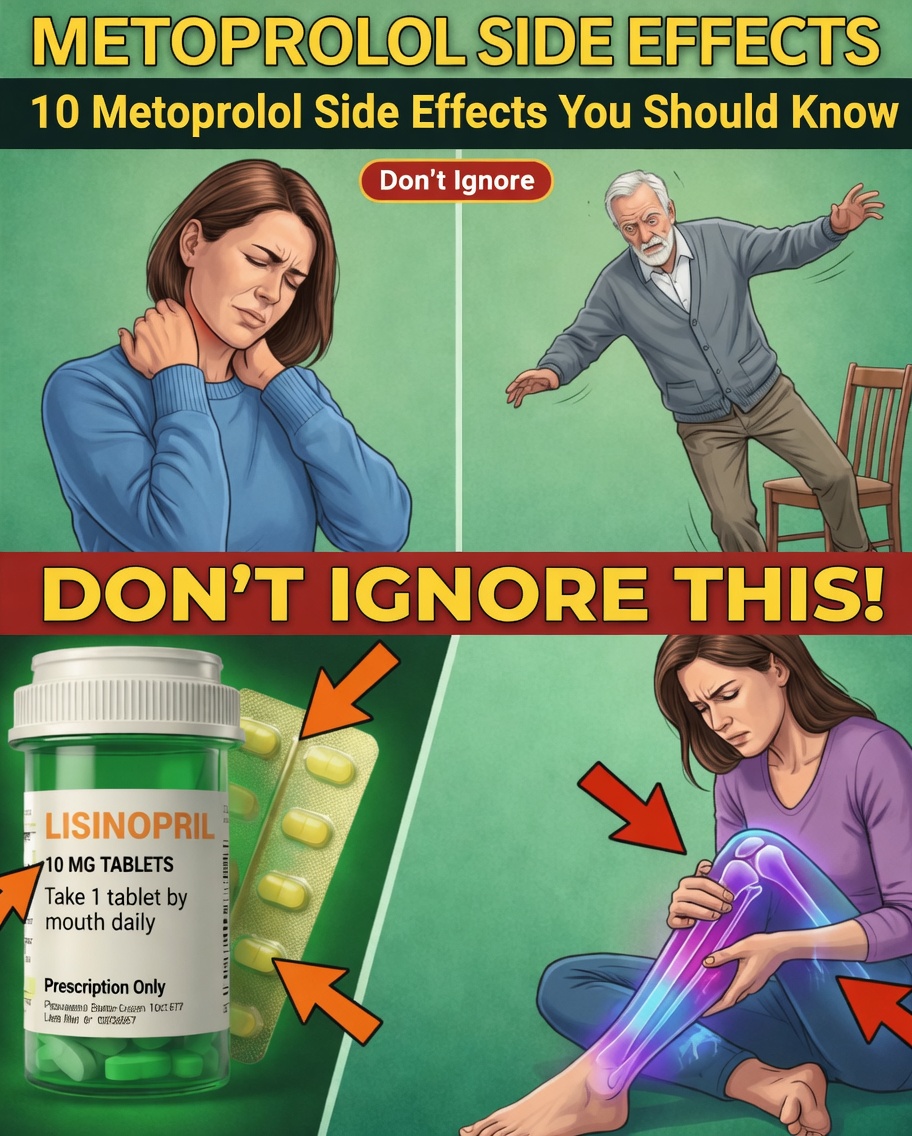
Side Effect #4: Digestive Upset (Including Diarrhea)
Stomach discomfort, cramping, or sudden urgency can make a normal day stressful and unpredictable. Reports from sources like the NHS and Cleveland Clinic note that gastrointestinal changes may occur, potentially due to effects on gut motility.
Beyond discomfort, this can affect appetite, meal routines, and confidence in social situations.
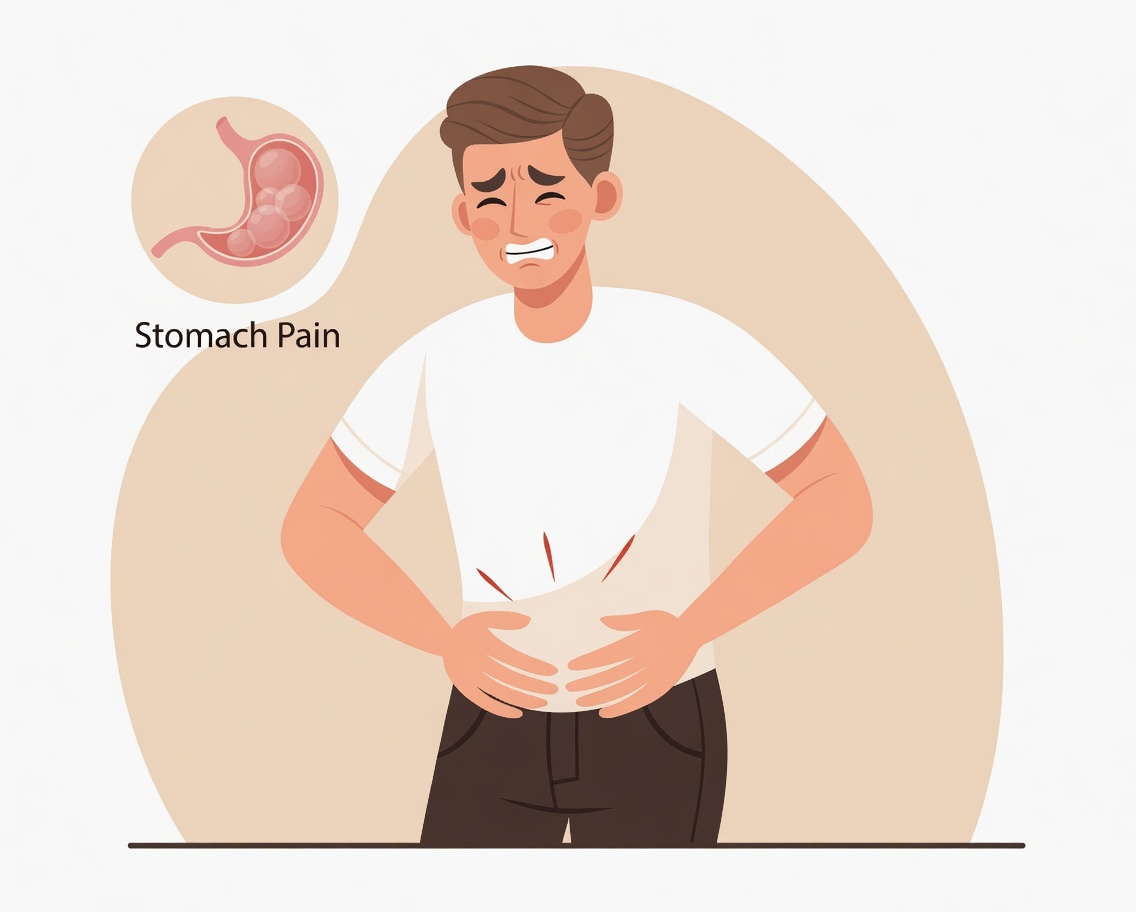
Side Effect #3: Ongoing Headaches
A persistent headache can interfere with concentration, sleep, and quality time. Some explanations link this to vascular and circulation-related changes that can occur with beta-blocker use. While headaches are often manageable, they shouldn’t be ignored—particularly if they are new, frequent, or severe.
Side Effect #2: Nausea That Makes Eating Difficult
Nausea can turn meals into a chore and make favorite foods suddenly unappealing. MedlinePlus and GoodRx list nausea among possible effects, and while it may improve over time, some people find it lingers and affects appetite and energy.
If nausea contributes to reduced intake or weight changes, it’s important to discuss it rather than simply “pushing through.”
Side Effect #1: Weight Gain That Gradually Appears
If the scale creeps up despite no clear lifestyle change, metoprolol may be a contributing factor for some individuals—potentially through changes in activity tolerance, metabolism, or fluid balance. Even modest weight gain can impact confidence and complicate fitness goals, especially if fatigue or shortness of breath makes exercise harder.
Tracking weight trends can provide useful context for your next appointment.
Common vs. Less Common Metoprolol Side Effects (Quick View)
Based on widely referenced clinical resources (including Mayo Clinic), side effects are often discussed in terms of how frequently they occur. Experiences vary from person to person.
Common side effects
- Fatigue
- Dizziness
- Slow heartbeat
- Cold hands/feet
- Mood changes (including depression)
Less common side effects
- Blurred vision
- Chest pain
- Confusion
- Sweating
- Bloating
Self-Check Questions to Bring to Your Doctor
- Do you feel unusually tired after minor activity, with less stamina than before?
- Are dizzy spells happening more often—especially when standing up?
- Do your hands or feet stay cold even when the room is warm?
If any of these sound familiar, they may help you describe your symptoms clearly and quickly during a medical visit.
Navigating Metoprolol Side Effects Safely
Managing metoprolol side effects starts with awareness, but safety comes from the next steps:
- Do not change your dose on your own. Beta-blockers often need to be adjusted gradually under medical supervision.
- Keep a symptom journal. Track what you felt, when it happened, your dose time, activity level, and any triggers (for example, standing quickly or exercising).
- Share patterns, not just symptoms. Your clinician can make better decisions when they see trends—such as symptoms worsening after dose increases.
- Ask about options. Depending on your situation, your provider may consider timing changes, dose adjustments, or alternative therapies.
Clear tracking and calm communication can make side effects easier to address—and help you feel more in control while protecting your heart health.