
Muscle Loss After 60: How Protein-Rich Foods May Help You Stay Strong and Steady
Standing up from a chair and feeling your legs tremble, or realizing your arms tire faster while carrying groceries, can be early signs of gradual muscle decline. For many adults over 60, this slow shift becomes frustrating—and it can quietly affect balance, strength, and confidence in everyday movement.
This age-related process is often linked to sarcopenia, a progressive loss of muscle mass and function. The good news: research suggests that consistent protein intake—especially from high-quality, leucine-rich foods—may support muscle maintenance, helping you feel more stable and energized sooner than you might expect.

Sarcopenia After 60: What It Is and Why It Changes Daily Life
Sarcopenia refers to the gradual, age-associated reduction in muscle size and performance, commonly beginning after age 50 and becoming more noticeable later in life. It can show up as:
- A weaker grip
- Slower walking speed
- Faster fatigue during simple tasks
- Reduced ability to climb stairs, garden, or play with grandchildren
One key challenge is anabolic resistance—as we age, the body becomes less responsive to the “muscle-building” signal triggered by protein. Studies indicate that higher protein intake, particularly from leucine-rich sources, may help overcome part of this reduced response.
As strength fades slowly, concerns about independence often grow. Evidence increasingly points to whole-food nutrition as an accessible, everyday strategy to support healthy aging.

Why Protein Matters for Muscle Maintenance in Older Adults
Protein provides the essential amino acids needed to stimulate muscle protein synthesis—the process that repairs and rebuilds muscle tissue. With sarcopenia, this process becomes less efficient, so protein quality and timing become more important.
Foods that support muscle health often include more than protein alone. Many also provide nutrients such as:
- Leucine, a key amino acid strongly linked to muscle-building signals
- Vitamin D, associated with muscle function and performance
- Omega-3 fatty acids, which may help manage inflammation connected to muscle decline
Research reviews frequently note that animal-based proteins can be especially effective for older adults because they tend to be more digestible and naturally higher in leucine.

Countdown: 7 Research-Supported Foods That May Support Muscle Health
Below are seven protein-rich foods often highlighted for their potential role in slowing muscle loss and supporting strength as you age.
-
Greek Yogurt
A convenient, creamy option with roughly 20g protein per cup, plus leucine to support muscle signaling. -
Salmon
Provides about 25g protein per 4 oz, along with omega-3s that studies associate with reduced inflammation and improved strength outcomes. -
Eggs
Each egg offers 6–7g of complete protein, and also supplies vitamin D, which supports muscle function. -
Chicken Breast
A lean, easy-to-use staple with around 26g protein per 3 oz, commonly well tolerated and simple to digest. -
Cottage Cheese
Often contains 25g+ protein per cup, including casein, a slower-digesting protein that may support overnight muscle repair.
Two choices frequently rise to the top for older adults aiming to increase protein efficiently:
-
Milk and Whey Sources
Milk supplies protein steadily, while whey is fast-absorbing and may help trigger muscle protein synthesis more quickly. -
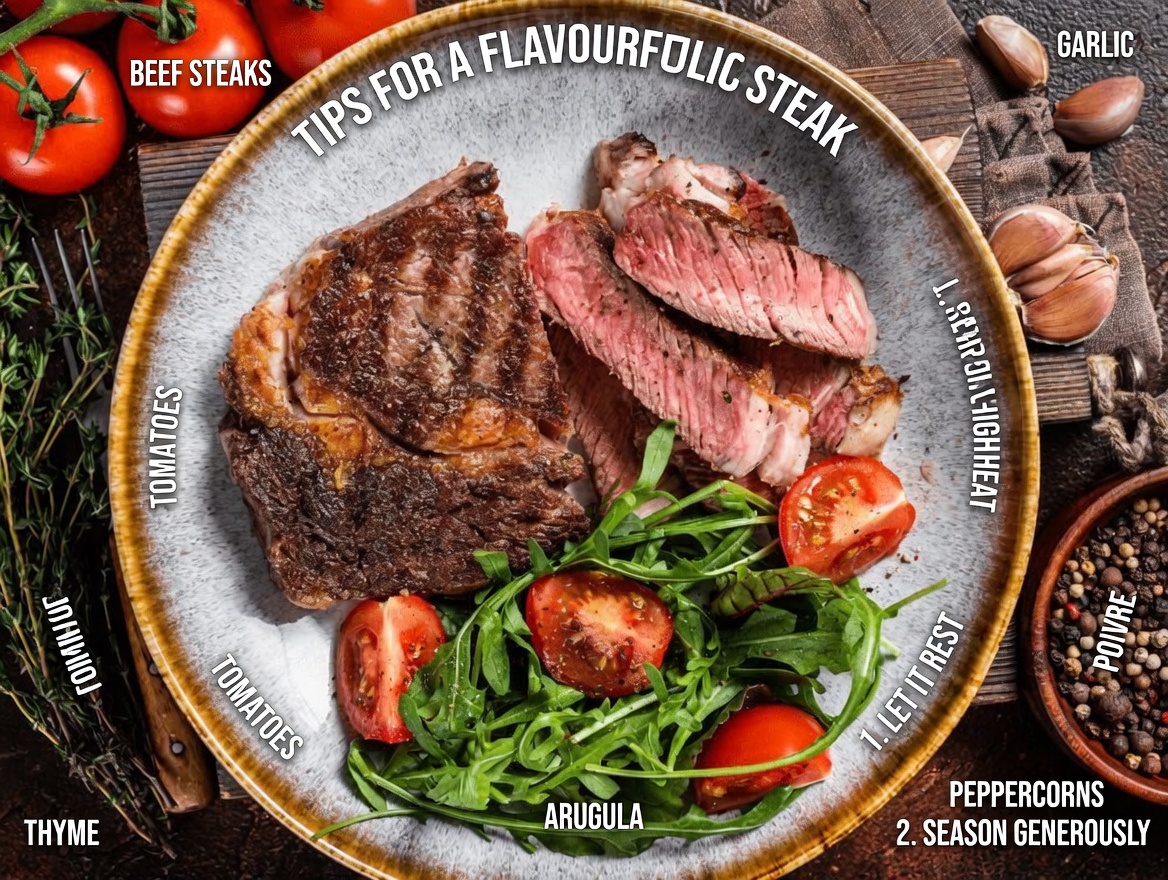
Lean Beef
Rich in leucine and also packed with iron and B vitamins, supporting both muscle and overall energy metabolism.

Quick Comparison: Protein, Key Nutrients, and Simple Ways to Eat Them
-
Greek Yogurt (≈20g per cup)
Extras: probiotics, calcium
Easy idea: top with berries or nuts -
Salmon (≈25g per 4 oz)
Extras: omega-3 fatty acids
Easy idea: bake or grill with herbs -
Eggs (≈6–7g each)
Extras: vitamin D, choline
Easy idea: boiled, scrambled, or in an omelet -
Chicken Breast (≈26g per 3 oz)
Extras: low fat, lean protein
Easy idea: slice into salads or stir-fries -
Cottage Cheese (≈25g per cup)
Extras: casein (slow-release protein)
Easy idea: eat plain or with fruit -
Milk/Whey (≈8g per cup of milk; varies for whey)
Extras: fast absorption (whey), calcium (milk)
Easy idea: blend into smoothies or mix with oats -
Lean Beef (≈25g per 3 oz)
Extras: iron, B vitamins, leucine
Easy idea: grill or add to stews
Choosing a mix of these foods can help you maintain variety while building a more consistent protein routine.
Practical Daily Tips: How to Add More Protein Without Overthinking It
For sarcopenia support, many experts recommend spreading protein across the day rather than relying on one large serving at dinner.
Try a simple structure like this:
- Breakfast: Greek yogurt or eggs
- Lunch: Chicken salad or salmon bowl
- Dinner: Lean beef with vegetables, or cottage cheese as a side
- Snack: Milk smoothie or a hard-boiled egg
A common target is about 25–30g of protein per meal, adjusted for your body size, health status, and activity level. Pairing improved nutrition with gentle movement (especially resistance exercise) can further support strength and mobility.
Final Thoughts: Small Food Choices Can Support Stronger Aging
Adding more protein-rich, leucine-forward foods may offer meaningful help in protecting muscle strength after 60. Research consistently suggests that higher-quality protein intake plus regular movement is one of the most effective combinations for supporting healthy muscle as you age.
Start with one change this week—such as adding Greek yogurt at breakfast or salmon at lunch—and build from there.
P.S. Light resistance activity (bands, bodyweight exercises, or supervised strength training) often enhances the muscle-maintenance benefits of a higher-protein diet.
Frequently Asked Questions
How much protein do older adults need to help with sarcopenia?
Many studies suggest around 1.0–1.2 g of protein per kg of body weight per day, and potentially more for those who are active—ideally split across meals.
Can plant-based eaters get similar muscle-support benefits?
Yes. Combining foods like beans, lentils, soy, nuts, and whole grains can help meet protein needs, though animal proteins often provide more leucine per serving, which may be relevant for sarcopenia.
When should I talk to a doctor about muscle loss?
Seek medical advice if you notice significant weakness, repeated falls, or fatigue that interferes with daily life.
Medical disclaimer: This article is for informational purposes only and is not a substitute for professional medical advice. Please consult a qualified healthcare provider for personalized guidance.