
Fruit and Diabetes: You Don’t Have to Avoid It
Living with diabetes can make every meal feel like a blood-sugar test waiting to happen—especially when it comes to fruit. Because fruit contains natural sugars, many people worry it will cause sharp glucose spikes, so they cut fruit out altogether. The downside is missing out on fiber, vitamins, antioxidants, and the everyday pleasure of fresh, naturally sweet flavors.

The reality is simpler: some fruits are far more blood-sugar-friendly than others, particularly those with more fiber, fewer net carbs, and beneficial plant compounds. Below are three standout fruits for diabetics, counted down from number three.
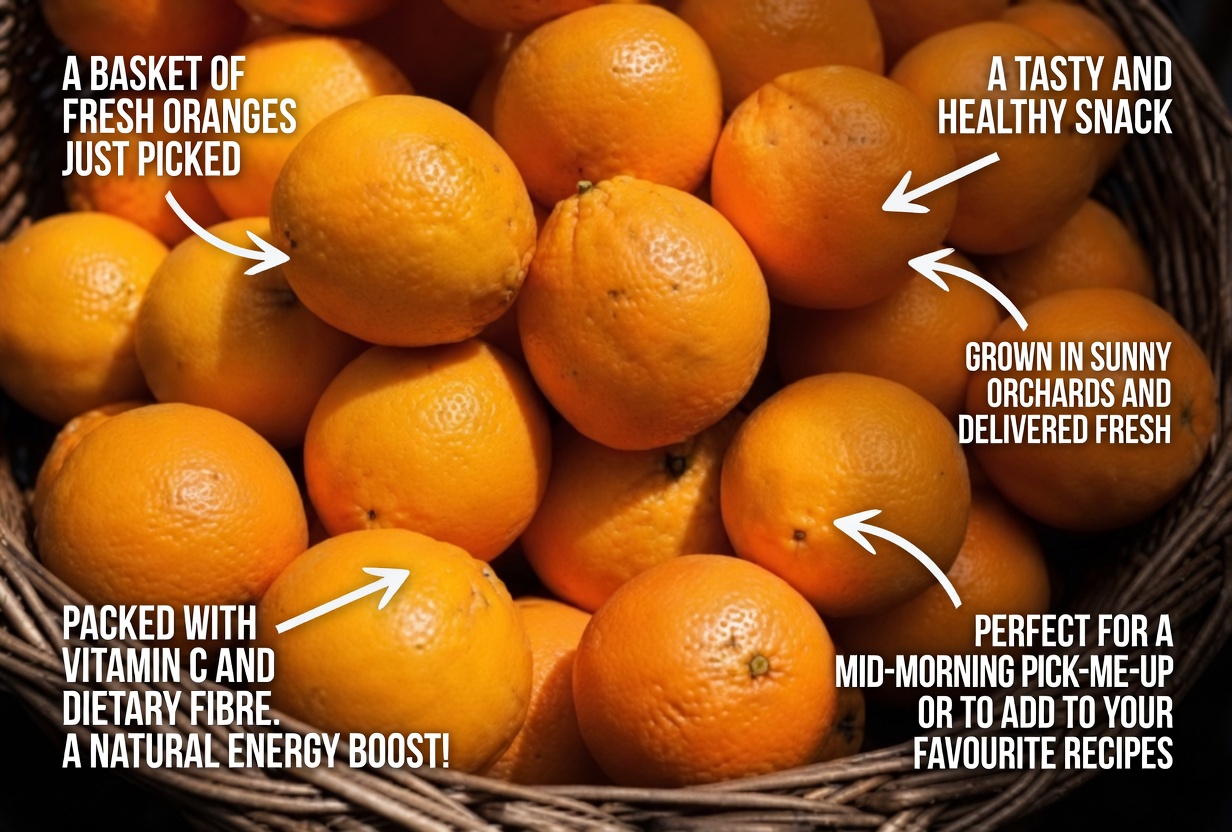
#3 Oranges: A Bright Citrus Option That Can Fit
Oranges are often avoided because they taste sweet—understandably, no one wants to see glucose numbers jump after a snack. However, whole oranges can be a smart addition to a diabetes-friendly eating plan when portions are reasonable.
With a moderate glycemic index (GI) of about 45 and a good amount of soluble fiber, oranges typically digest more slowly than many other sweet foods. That means a more gradual rise in blood sugar, especially compared with orange juice. Citrus fruits also provide vitamin C, potassium, and flavonoids, nutrients that research links with overall metabolic and cardiovascular support.
A practical approach: enjoy one small whole orange as a snack. It’s refreshing, satisfying, and often easier to fit into daily carb goals than many processed “sweet” options.
Next up is a fruit with a completely different texture—and an even lighter carb impact.
#2 Avocado: The Creamy, Low-Carb Fruit for Diabetics
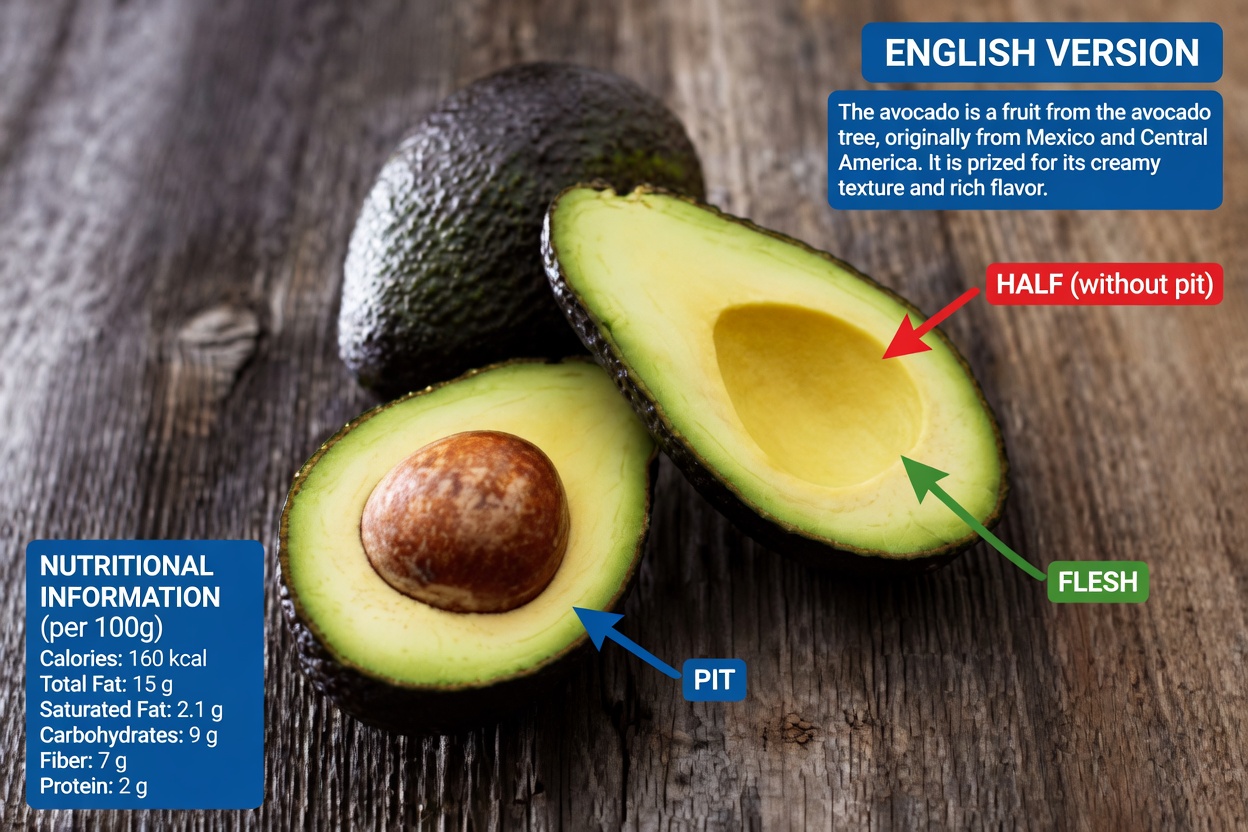
Avocado doesn’t get treated like a fruit at the table, but nutritionally it is—and it’s one of the most diabetes-friendly choices available. For many people managing diabetes, the hardest part isn’t just sugar—it’s staying full and satisfied between meals. Avocado helps solve that.
Avocados have a very low glycemic impact and are extremely low in net carbs, while delivering monounsaturated fats that support heart health. Studies suggest these healthy fats may help with insulin sensitivity and may reduce markers tied to inflammation. You’ll also get helpful micronutrients such as potassium.

Easy ways to use it: spread mashed avocado on whole-grain toast, add slices to salads, or blend a small portion into smoothies for a richer texture. A common serving is about half a medium avocado, which can keep you full without the typical blood sugar rollercoaster.
Now for the top-ranked choice—sweet, colorful, and packed with antioxidants.
#1 Berries: The Best-Known Fruits for Diabetics
When experts talk about the best fruits for diabetics, berries almost always lead the list. Many people with diabetes miss desserts and sweet snacks, and constantly feeling restricted can make eating feel frustrating. Berries offer a way to enjoy sweetness with less blood sugar disruption.
Popular options—strawberries, blueberries, raspberries, and blackberries—tend to have low glycemic indexes (often around 25–40) and high fiber. They’re also rich in anthocyanins, antioxidant compounds that studies associate with better insulin sensitivity over time.

A simple serving—¾ to 1 cup of fresh or frozen berries—can taste like a treat while remaining supportive of steadier glucose levels. Many people enjoy berries on their own, or paired with plain Greek yogurt for extra protein.
Quick Comparison: Why These Fruits Work Well
-
Berries (GI ~25–40)
- Key benefits: high fiber, anthocyanins, antioxidants
- Suggested serving: ¾–1 cup
- Typical impact: minimal rise for many people
-
Avocado (GI <15)
- Key benefits: monounsaturated fats, potassium, very low net carbs
- Suggested serving: ½ medium avocado
- Typical impact: often negligible
-
Oranges (GI ~45)
- Key benefits: vitamin C, flavonoids, soluble fiber
- Suggested serving: 1 small whole orange
- Typical impact: gradual, moderate rise
These fruits for diabetics stand out because they offer strong nutrition while keeping carbohydrate effects more manageable.
Simple, Everyday Tips to Eat These Fruits Without Stress
Adding diabetes-friendly fruit doesn’t need to be complicated. Try these habits:
- Start with small portions and check your response—blood sugar reactions can vary by person.
- Pair fruit with protein or healthy fat (example: berries with a few almonds) to slow digestion.
- Choose whole oranges, not juice, to keep the fiber that helps blunt glucose spikes.
- Use avocado creatively: mash it, slice it, or blend a small amount for creaminess.
- Pick fresh or frozen fruit and avoid products with added sugar.
- Watch the carb load: many people aim for about 15 g of carbs per fruit serving, depending on their plan.

Final Takeaway: More Flavor, More Variety, Less Worry
Berries, avocado, and oranges can bring taste, texture, and nutrient density to your meals while supporting steadier blood sugar when eaten in sensible portions. These are fruits for diabetics that prove you can enjoy fruit without automatically expecting a spike.
Try introducing one option this week—such as a handful of berries—and see how your body responds. Small, consistent choices often make the biggest difference.
Frequently Asked Questions
Can people with diabetes eat fruit every day?
In many cases, yes. Most people with diabetes can include fruit daily in appropriate portions, especially lower-GI fruits for diabetics such as berries, avocado, and whole oranges.
How much fruit is safe for diabetics?
A common guideline is one serving around 15 grams of carbohydrates, such as one small orange, ½ avocado, or ¾–1 cup of berries. Individual needs vary—follow your clinician’s recommendations.
Should fruit juice be avoided with diabetes?
Often, yes. Whole fruit is usually better than juice because fiber slows sugar absorption. Juice can raise blood sugar faster and is easier to overconsume.
Medical Disclaimer
This article is for informational purposes only and is not a substitute for professional medical advice. Consult your healthcare provider for personalized diabetes management guidance.