Aspirin and Lemon Face Mask: Benefits, Recipe, and Safety Tips
Fine lines, dark spots, and rough texture can be discouraging—especially when they impact how comfortable you feel in your own skin. Many people spend heavily on skincare without seeing the improvement they expected, which often leads to searching for cheaper, “natural” solutions. One DIY option that keeps trending online is the aspirin and lemon face mask. Before trying it, it’s worth understanding what it may do, what it can’t do, and how to use it as safely as possible.
Why the Aspirin and Lemon Face Mask Became a Viral Skincare Trend
The popularity of the aspirin and lemon face mask comes from its simplicity: two common household items, a quick mix, and the promise of brighter-looking skin and mild exfoliation. Many users claim their skin feels smoother or looks more even after a few uses, which is appealing when other routines haven’t delivered noticeable results.
There is also some logic behind the hype. Aspirin is related to ingredients used in acne and exfoliation products, while lemon is associated with vitamin C and “brightening.” Still, this mask is not a universal solution—and understanding the basics can help set realistic expectations.
How Aspirin May Help (and What It Actually Does)
When you crush aspirin tablets into a paste, you’re using an ingredient connected to salicylic acid, a well-known exfoliant used in many skincare formulas. In theory, this may support a gentle removal of dead skin cells, leaving skin feeling softer and looking less dull.
That’s why the aspirin and lemon face mask can look appealing to people dealing with occasional congestion, uneven texture, or a lack of glow. However, dermatologists often prefer properly formulated salicylic acid products, since DIY mixtures can be inconsistent in strength and may be more irritating than expected.

What Lemon Juice Adds to the Mask
Lemon juice contributes natural acidity and a small amount of vitamin C, which many people associate with a brighter, more even-looking complexion. The fresh feel and scent also make the mask seem “clean” and refreshing.
But lemon is also the main reason this DIY remedy can be risky. Its acidity can trigger stinging, redness, irritation, and in some cases chemical-like burns, especially if left on too long or used on sensitive skin. Another major downside is increased sun sensitivity, which can make discoloration worse if sunscreen is skipped.
DIY Aspirin and Lemon Face Mask Recipe (Simple Version)
If you still want to test the aspirin and lemon face mask, this is the common basic recipe:
- 3–5 uncoated aspirin tablets
- Fresh juice from ½ a lemon
- Optional: a few drops of water or honey to adjust texture
How to mix: Crush the aspirin into a fine powder, then add lemon juice slowly until it becomes a spreadable paste.
How to Apply the Aspirin and Lemon Face Mask Safely (Step-by-Step)
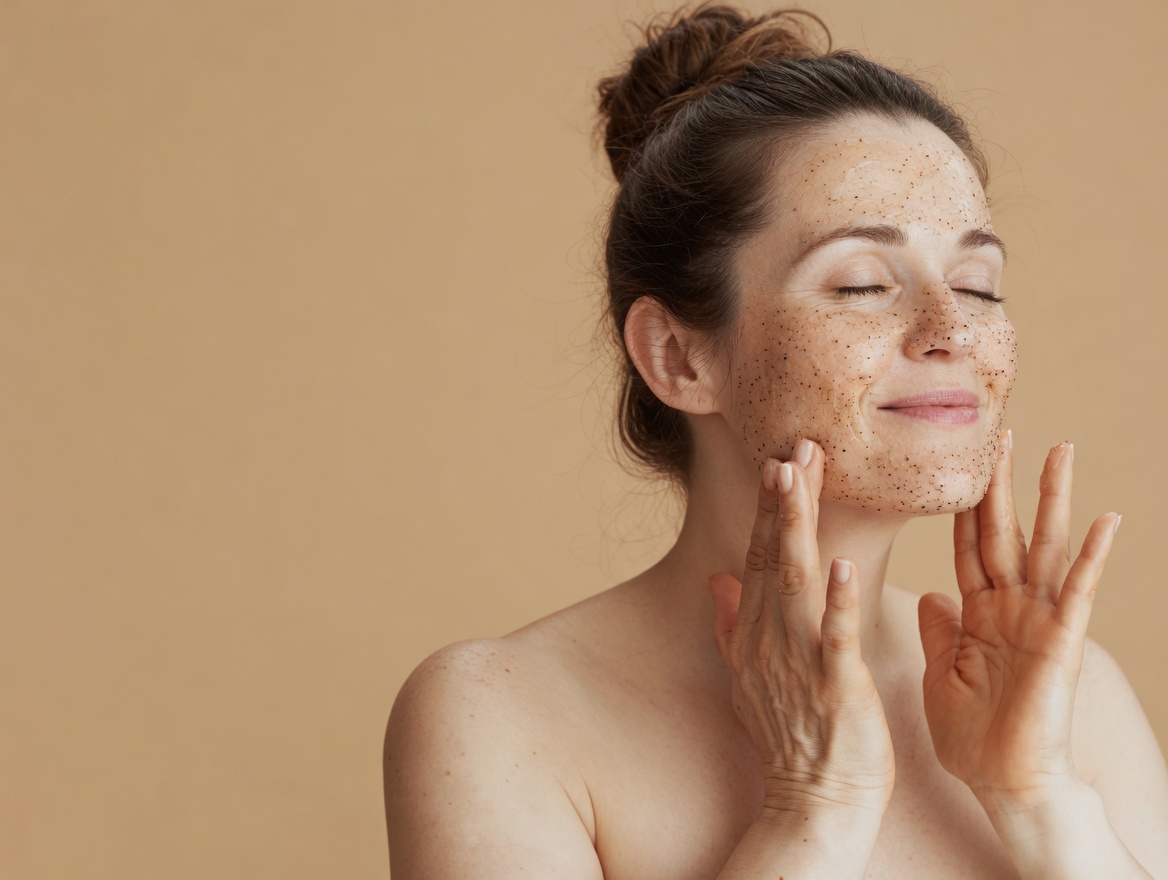
To reduce the chance of irritation, follow a cautious routine:
- Cleanse gently and pat skin dry (no harsh scrubbing beforehand).
- Apply a thin, even layer, keeping it away from the eyes, lips, and nostrils.
- Leave it on for no longer than 10 minutes (shorter if it’s your first time).
- Rinse thoroughly with cool water.
- Apply a gentle moisturizer, then broad-spectrum sunscreen during the day.
Frequency: Use this mask once per week at most. Overuse can lead to dryness, flaking, and sensitivity.
Quick Application Overview
- Prep: Crush uncoated aspirin; add fresh lemon juice
- Apply: Thin layer only; avoid delicate areas
- Wait: 5–10 minutes maximum; stop earlier if it tingles or burns
- Aftercare: Rinse well; moisturize; always use sunscreen
Safety Warnings: What Many Posts Don’t Mention
The aspirin and lemon face mask is not a harmless “natural” treatment. Common concerns include:
- Irritation and redness due to lemon’s acidity
- Dryness and barrier damage from over-exfoliation
- Allergic reactions (especially if you’re sensitive to aspirin)
- Increased sun sensitivity, which can worsen dark spots without strict SPF use
Many dermatologists discourage this mask for most skin types because the risk-to-benefit ratio is often not ideal.
Patch test first: Apply a small amount to the inner arm and wait to see if irritation develops. Stop immediately if you feel burning, intense stinging, or prolonged redness.

Gentler Alternatives That Offer Similar Benefits
If you want the goals of the aspirin and lemon face mask—smoother texture and a more even tone—these options are usually safer and more predictable:
- Over-the-counter salicylic acid (especially in controlled percentages)
- Vitamin C serums made specifically for skin
- Honey and yogurt masks for calming hydration
- Professional guidance for persistent pigmentation or texture concerns
Final Thoughts: Is the Aspirin and Lemon Face Mask Worth Trying?
The aspirin and lemon face mask remains popular because it’s quick, cheap, and widely shared online. Some people report visible improvements, but results vary greatly—and irritation is common. If you try it, go slowly, keep contact time short, and prioritize sunscreen. For long-term concerns like dark spots, fine lines, or uneven texture, a dermatologist can help you choose safer, more reliable options.
Frequently Asked Questions
Is the aspirin and lemon face mask good for every skin type?
No. It’s often too harsh for sensitive, dry, or rosacea-prone skin. Gentler alternatives are usually a better choice.
How often can I use an aspirin and lemon face mask?
Once a week maximum, and less if you notice dryness, stinging, or redness.
Will this mask completely remove dark spots?
It may help fade the appearance of discoloration for some people over time, but daily sun protection and professional treatments are generally more effective.
Medical Disclaimer
This article is for informational purposes only and does not replace professional medical or dermatological advice. Consult a qualified healthcare provider before trying new skincare treatments, especially if you have allergies or skin conditions. Discontinue use immediately if irritation occurs.