Graviola Leaves and Cancer: What Research Suggests (and What It Doesn’t)
Cancer affects millions of people each year, often bringing fear, uncertainty, and demanding treatments that can leave patients physically depleted and emotionally overwhelmed. Side effects such as nausea, deep fatigue, and psychological stress can make daily life feel smaller—stealing energy from time with family and friends. It’s understandable that many people look toward natural options that seem gentler.
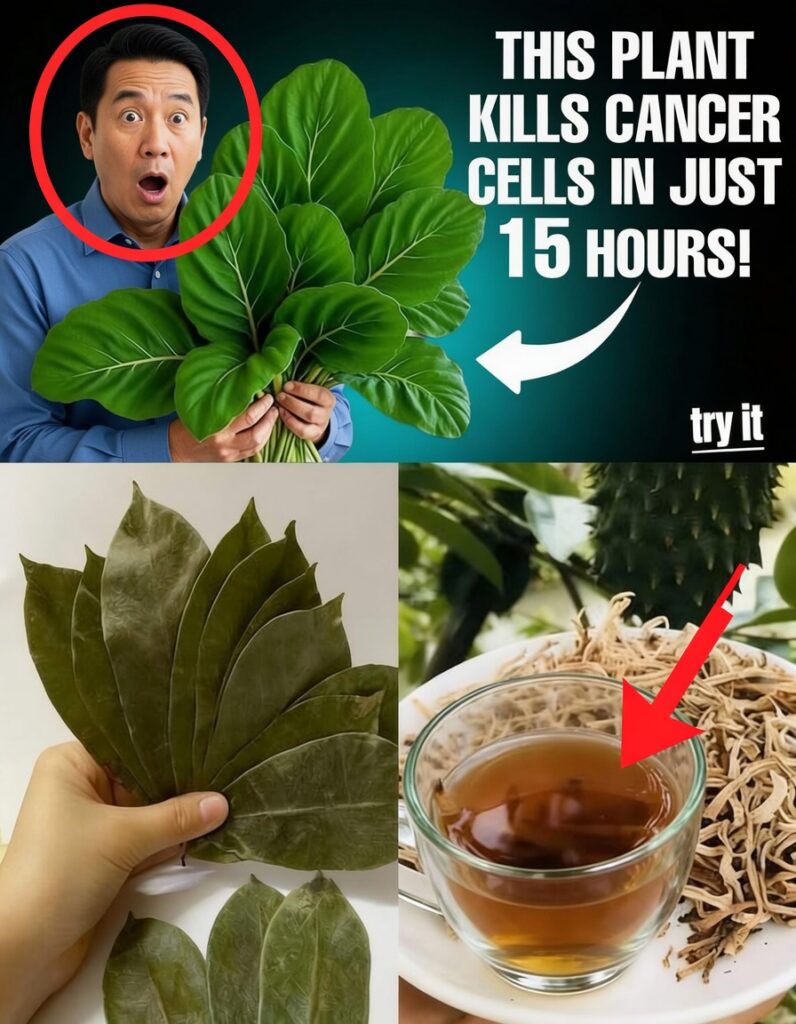
Graviola leaves—used in traditional wellness practices for generations—have gained attention because laboratory studies suggest certain compounds may affect cancer cells in controlled settings. That interest also comes with important questions, especially about safety and real-world effectiveness.
What Are Graviola Leaves?
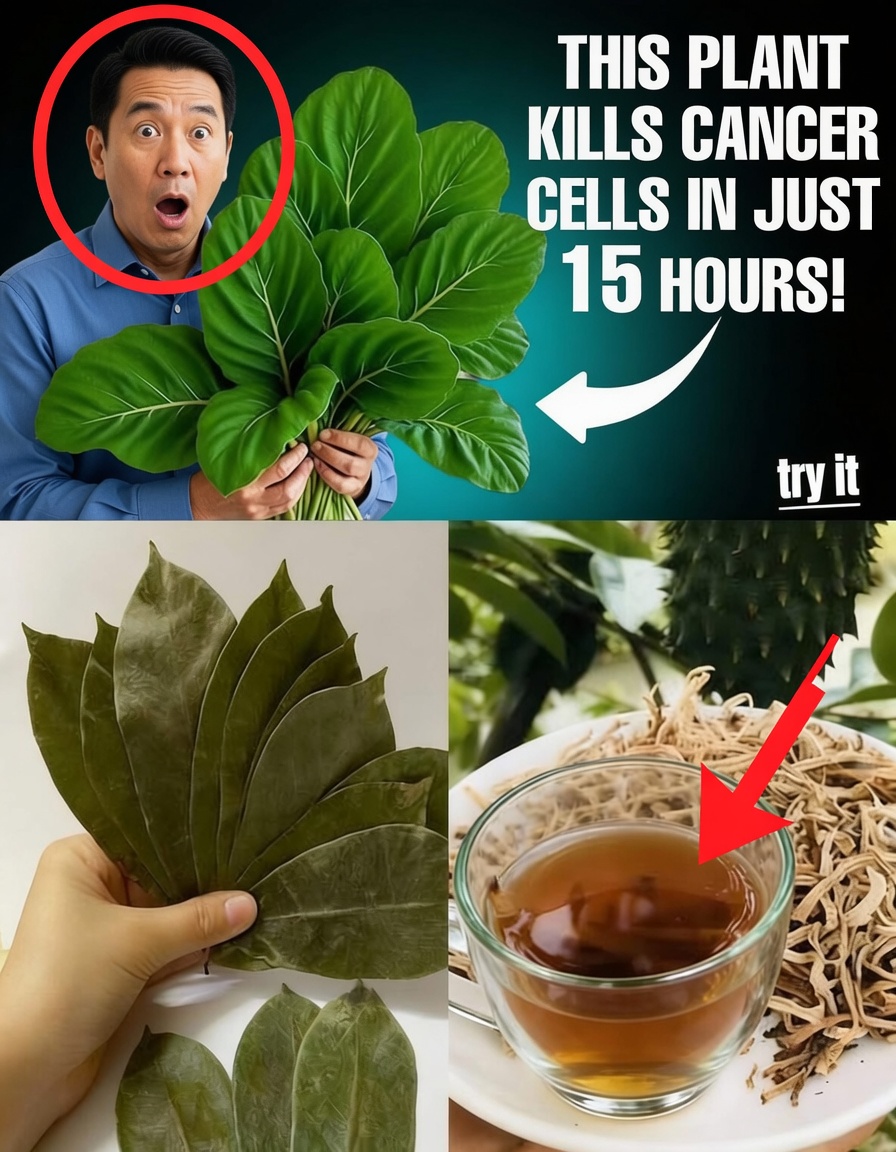
Graviola leaves come from the Annona muricata tree (also known as soursop), a tropical plant native to parts of South America and the Caribbean. In many cultures, the leaves have been prepared as herbal teas and used as part of broader natural health routines.
The modern scientific interest focuses less on tradition and more on what researchers observe in labs: specific plant compounds appear to interact with cancer cells under experimental conditions. However, it’s critical to separate early-stage findings from proven medical treatment.
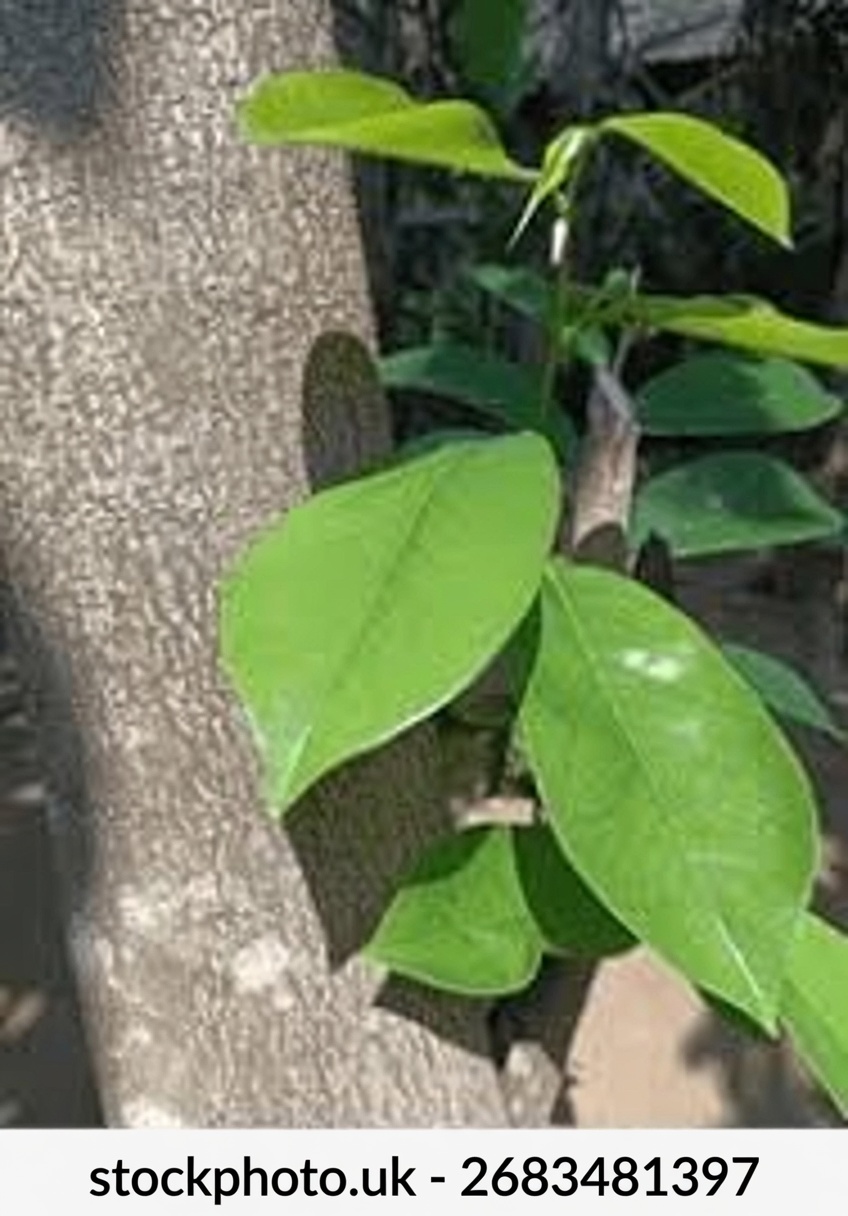
The Key Compounds Driving Interest: Annonaceous Acetogenins
Much of the research spotlight falls on a group of compounds found in graviola leaves called annonaceous acetogenins. In laboratory studies, these compounds have been explored for their potential to:
- Interfere with energy production inside cancer cells
- Disrupt pathways cancer cells rely on to grow and survive
- Potentially trigger processes linked to cell death, while appearing less harmful to healthy cells in some test conditions
This creates understandable hope—especially for those exhausted by aggressive therapies. But these effects are observed mainly in vitro (petri dishes) and in some animal models, not yet in large, high-quality human clinical trials.
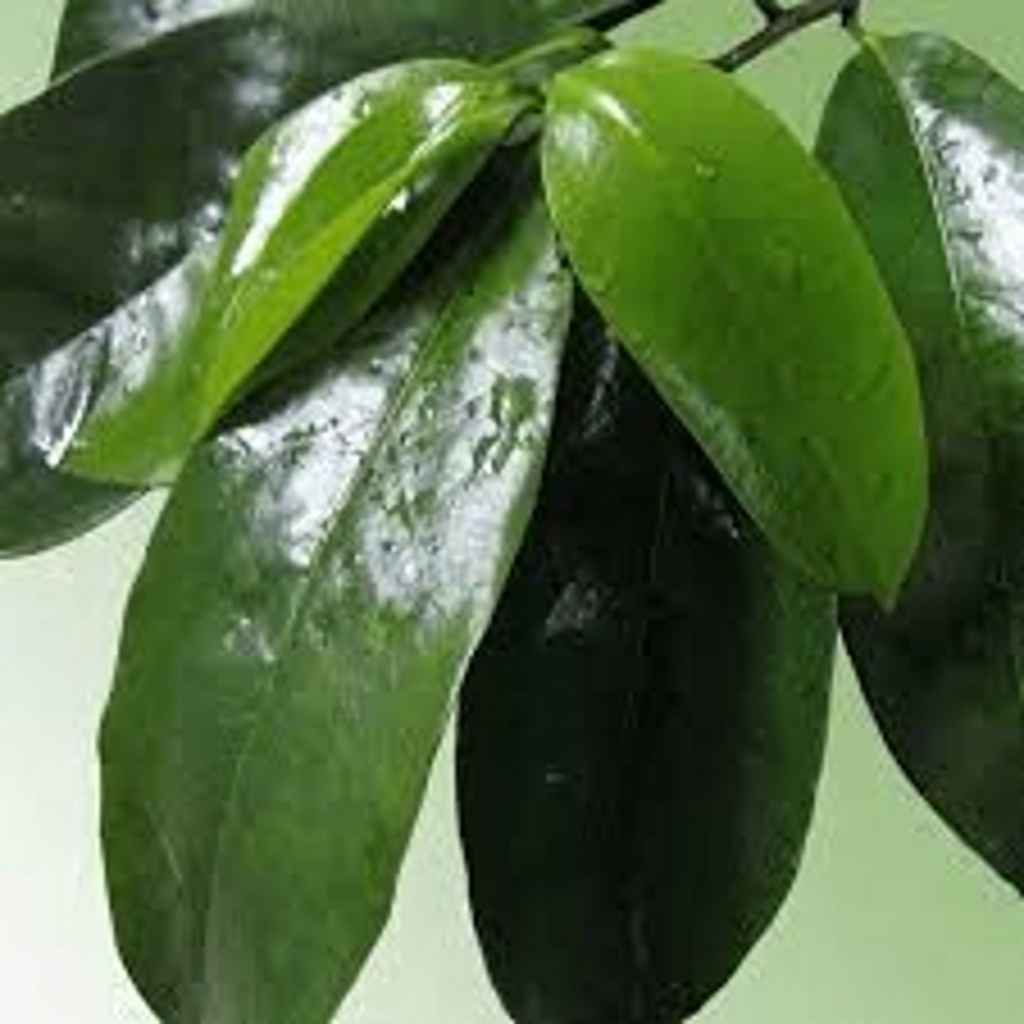
What Lab Studies Show Across Different Cancer Cell Types
Researchers have tested graviola leaf extracts against multiple cancer cell lines in controlled environments. Findings vary by study design and extract concentration, but reported observations include:
- Breast cancer cells: Some experiments suggest reduced growth by interrupting certain energy-related pathways.
- Lung, prostate, and pancreatic cancer cells: Various models show possible slowing of cell proliferation.
- Liver, colon, and blood cancer cells: Some studies note signs consistent with apoptosis (a form of programmed cell death).
These results can sound powerful, particularly for anyone living with the emotional weight of cancer. Still, they do not confirm that graviola leaves treat cancer in humans. Human evidence remains limited and preliminary—so it’s best to approach the topic with informed curiosity, not certainty.
Why Graviola Leaves Aren’t a Mainstream Cancer Topic
If laboratory data looks encouraging, why aren’t graviola leaves widely discussed in clinical oncology? The biggest reasons are practical and scientific:
- Clinical proof takes time: Large human trials require extensive funding, long timelines, and strict safety monitoring.
- Commercial barriers: Natural compounds can be harder to patent, which can reduce financial incentives for large-scale studies.
- Safety concerns exist: Some animal research and scientific discussions raise caution about high-dose, long-term use, including possible neurotoxicity risks.
This slower pace isn’t about dismissing natural approaches—it reflects how medical science protects patients by demanding strong evidence for both effectiveness and safety.

Graviola Leaves vs. Other Support Options (Evidence-Based Comparison)
Many people explore supportive habits alongside conventional care. Here’s a clear comparison based on current evidence levels:
-
Potential to target cancer cells
- Graviola leaves: Possible selective effects shown mainly in lab studies
- Chemotherapy: Direct anti-cancer action proven in humans
- Antioxidant-rich vegetables: Indirect health support through nutrition and inflammation balance
-
Typical side effect profile
- Graviola leaves: Often mild, though digestive upset can occur
- Chemotherapy: Frequently significant (fatigue, nausea, immune suppression)
- Vegetables: Very low risk for most people
-
Strength of evidence
- Graviola leaves: Mostly lab and animal data
- Chemotherapy: Extensive human clinical trials
- Vegetables: Strong population-level and nutritional research
-
Ease of daily use
- Graviola leaves: Often used as tea
- Chemotherapy: Requires medical supervision and monitoring
- Vegetables: Simple to incorporate into meals
Graviola leaves may feel appealing because they are accessible and “natural,” especially to those struggling with treatment burdens. However, proven medical care must come first, and any supplement approach should be discussed with a healthcare professional.
How to Use Graviola Leaves More Safely (If Your Doctor Approves)
If you’re considering graviola leaves as a complementary wellness habit, take a cautious, structured approach:
-
Choose reputable products
- Prefer organic options with third-party testing to reduce contamination risk.
-
Prepare tea carefully
- A commonly suggested method is steeping about 1 teaspoon of dried leaves in hot water for 5–10 minutes, up to 1–2 cups per day (only with medical approval).
-
Track how you respond
- Note digestive changes, dizziness, unusual fatigue, or other new symptoms and report them.
-
Use with food if sensitive
- If your stomach is easily irritated, avoid taking it on an empty stomach.
-
Stop if anything feels off
- Discontinue and seek professional guidance if symptoms appear or worsen.
Small, informed choices can help people feel more in control during difficult health journeys—but safety and medical oversight matter.
Final Takeaway: Hope, Caution, and Ongoing Research
Graviola leaves are an intriguing subject in natural health research. Laboratory studies continue to explore how their compounds may influence cancer cells, offering possibility—but not proof. At this time, graviola leaves may serve as a complementary option for some people, never as a replacement for professional medical care.
Stay informed, keep expectations realistic, and make decisions in partnership with your healthcare team.
Frequently Asked Questions
Are graviola leaves safe for daily use?
Many people tolerate moderate amounts, but some may experience mild digestive discomfort. Safety can vary based on dose, duration, medications, and existing conditions—so it’s best to consult a healthcare professional before using graviola regularly.
Can graviola leaves replace cancer treatment?
No. Laboratory results do not equal a proven human treatment. Graviola leaves should not be used as a substitute for evidence-based cancer therapies or medical advice.
How can I find high-quality graviola leaves?
Choose suppliers that provide transparent sourcing, organic certification, and third-party lab testing where possible. Reviews can help, but documentation and product testing matter most.