Aging Skin After 60: Why Radiance Can Fade
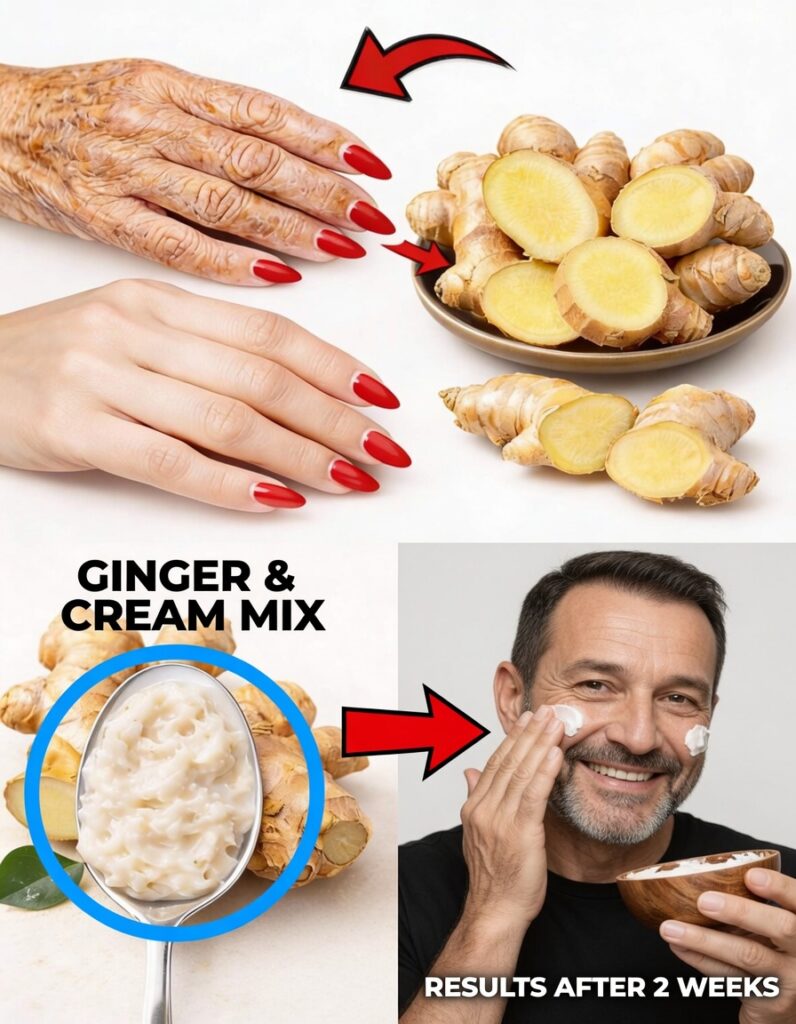
In your 60s, it’s common to spot small but noticeable shifts in the mirror—fine lines look sharper, skin can appear less luminous, and tone may become uneven. These changes are often connected to cumulative sun exposure and ongoing oxidative stress over time. The result can be a complexion that looks tired, even when you feel active and full of energy.
That disconnect can be discouraging—especially when a lack of glow affects confidence during everyday interactions or special occasions.
Why Ginger-Based Face Masks Are Popular in Natural Skincare After 60
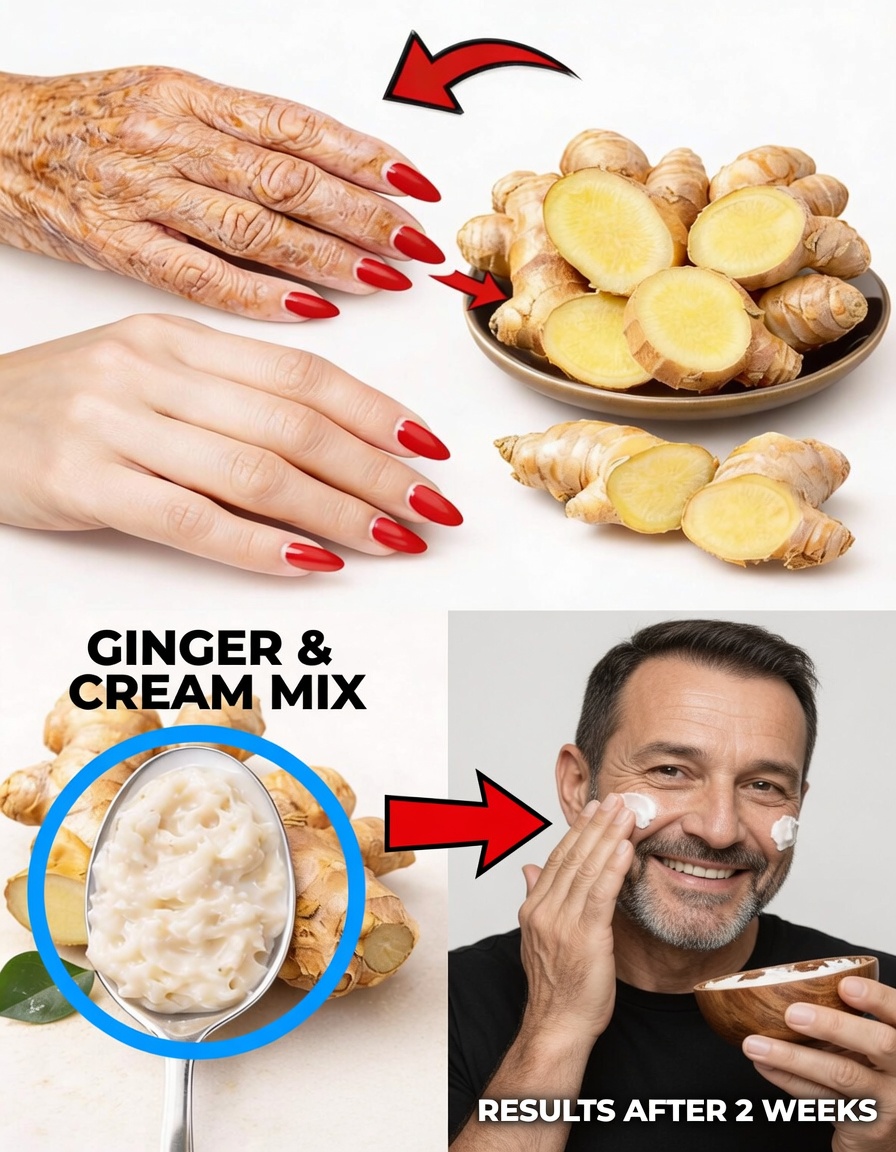
Many adults over 60 are drawn to ginger-based face masks because ginger delivers a mild warming sensation that feels invigorating without being heavy. Research has highlighted ginger’s compounds (including gingerol) for their antioxidant and anti-inflammatory potential—two qualities often associated with supporting skin as it ages.
That familiar “spicy” aroma from ginger tea comes from the same active components that traditional beauty practices have paired with simple pantry ingredients for generations. If thick creams feel too rich—or don’t seem to make a visible difference—ginger masks can be an affordable, refreshing option to explore.

Common Skin Concerns After 60 (and How Ginger May Help)
After 60, the most frequent concerns include dryness, dullness, fine lines, uneven tone, age spots, and occasional sensitivity. Here’s how gentle ginger-based blends may fit into a routine:
-
Fine lines
- Typical approach: strong exfoliants (sometimes irritating)
- Ginger mask angle: antioxidant support that may help skin look more resilient
-
Uneven tone and age spots
- Typical approach: chemical brighteners (not ideal for everyone)
- Ginger mask angle: gradual brightening when paired with ingredients like honey or diluted lemon
-
Dullness
- Typical approach: abrasive scrubs
- Ginger mask angle: mild stimulation and “freshened” appearance over time
-
Dryness
- Typical approach: heavy occlusive creams
- Ginger mask angle: works well with hydrating companions like aloe, coconut, or yogurt
-
Occasional redness
- Typical approach: medicated solutions
- Ginger mask angle: may feel soothing when used carefully and diluted
These recipes focus on nutrient-rich combinations instead of aggressive treatments.
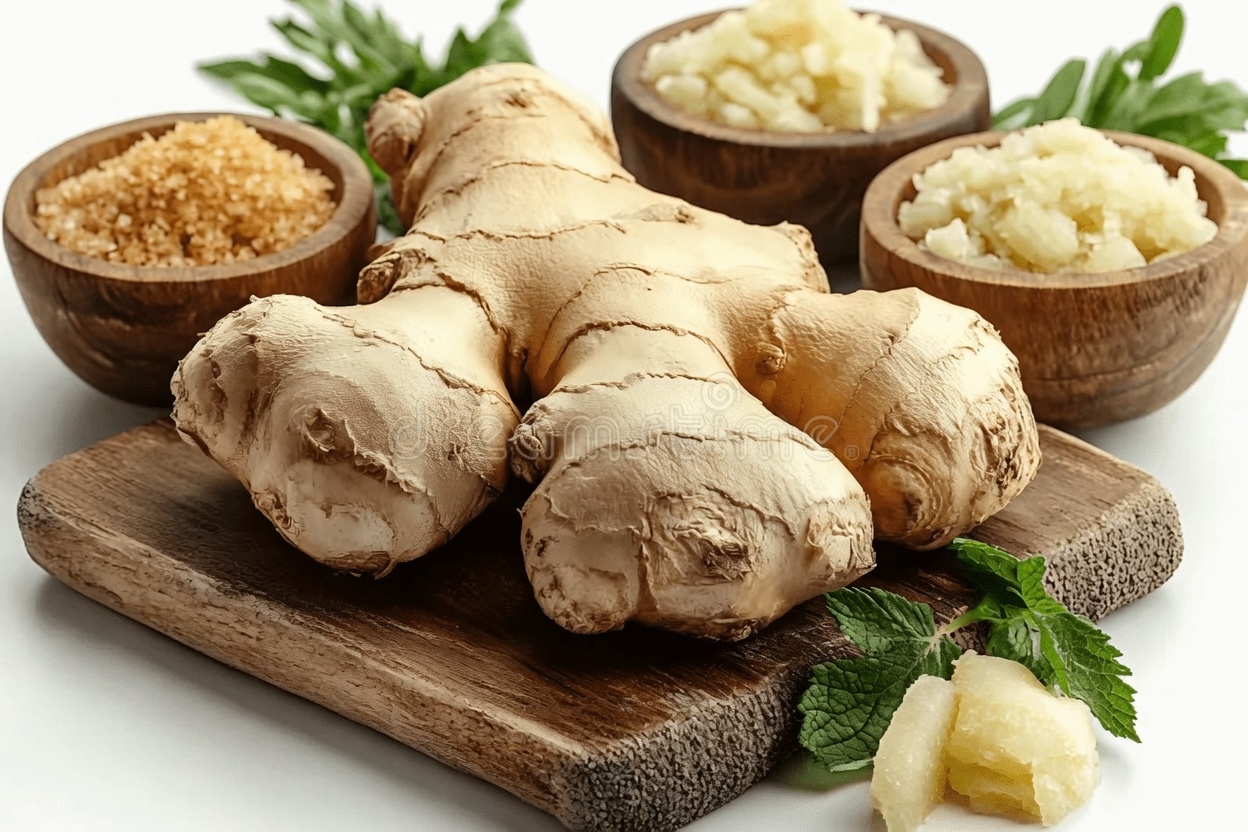
Recipe 1: Ginger + Coconut Cream Moisture Mask (Daily Dewy Feel)
If your skin feels dry or looks flat in the morning, this simple mask brings moisture from coconut cream while ginger adds a gentle “wake-up” effect.
Ingredients
- 1 tsp fresh grated ginger
- 2 tbsp coconut cream
- A few drops castor oil (optional)
How to use
- Mix ginger into coconut cream until smooth.
- Add castor oil if you want extra nourishment.
- Apply a thin layer to clean skin.
- Leave on 15–20 minutes, then rinse gently.
Many people notice skin feels softer and looks more supple with regular use.
Recipe 2: Ginger + Aloe Vera + Turmeric Calming Mask
Mature skin can become reactive unexpectedly. This mask pairs ginger’s warmth with aloe’s cooling feel and turmeric’s balancing benefits.
Ingredients
- 1 tsp grated ginger
- 2 tbsp fresh aloe vera gel
- 1/2 tsp turmeric powder
How to use
- Combine into a smooth paste.
- Apply evenly, avoiding the eye area.
- Leave for 10–15 minutes, then rinse well.
It’s a helpful option when your skin needs a calmer, more comfortable feel.
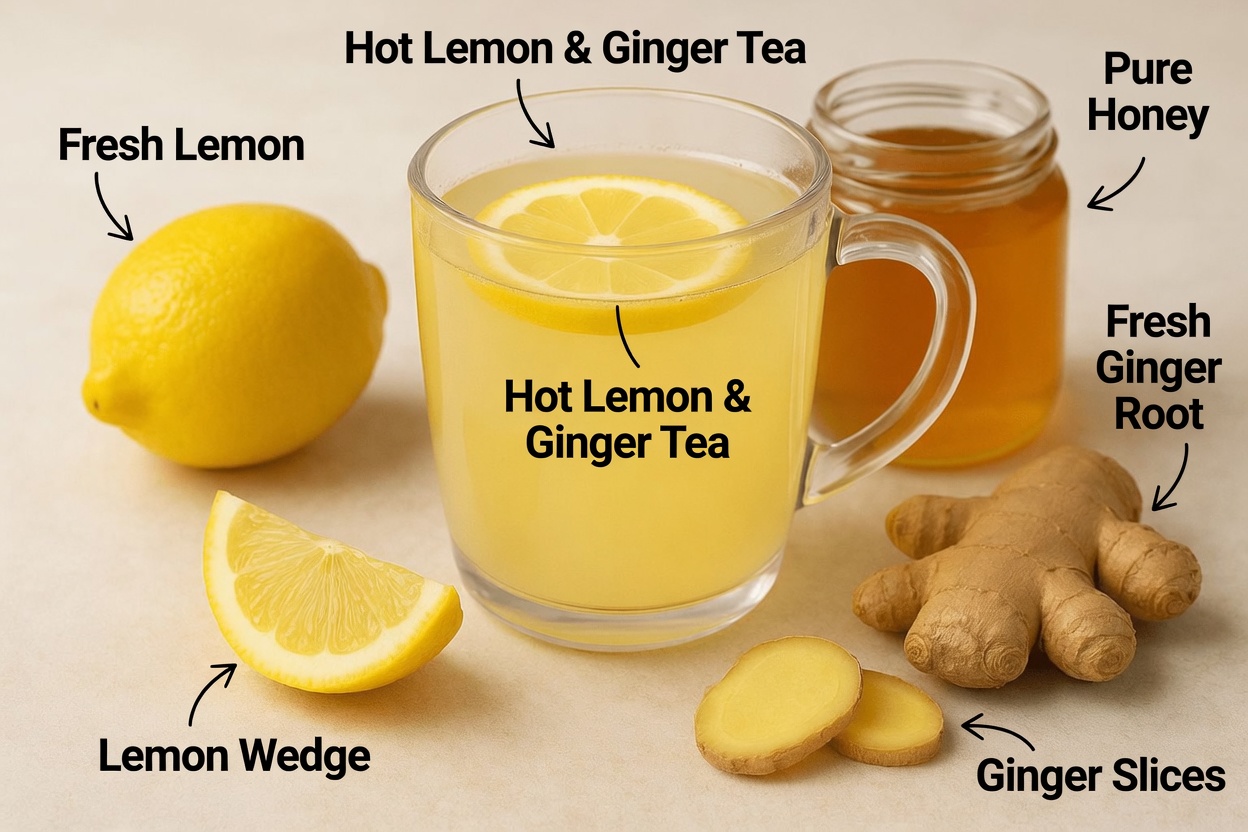
Recipe 3: Ginger + Honey + Lemon Brightening Mask (For Dullness and Spots)
When age spots or overall dullness make the complexion look muted, honey’s humectant properties can be a great match with carefully diluted lemon.
Ingredients
- 1 tsp grated ginger
- 1 tbsp raw honey
- A few drops fresh lemon juice (diluted well)
How to use
- Warm the honey slightly so it mixes easily (do not overheat).
- Stir in ginger and diluted lemon.
- Apply evenly for 15 minutes, then rinse thoroughly.
Important: Lemon can trigger sensitivity—always dilute and patch test before using on your face.
Recipe 4: Ginger + Sea Salt Gentle Exfoliating Scrub Mask
When dead skin buildup makes the surface feel rough, this recipe offers light physical exfoliation without relying on harsh products.
Ingredients
- 1 tsp grated ginger
- 1 tbsp fine sea salt
- 1 tbsp carrier oil (olive oil or coconut oil)
How to use
- Mix ingredients into a gritty paste.
- Massage very gently in circular motions for 1–2 minutes.
- Rinse well and apply moisturizer.
Use once weekly (or less if your skin is sensitive).
Recipe 5: Ginger + Rice Water Overnight Hydration Mask
For skin that looks creased or “thinner,” rice water is a traditional ingredient often used to support a smoother-looking feel.
Ingredients
- 1 tsp grated ginger
- 3 tbsp strained rice water
- 1 tbsp plain yogurt or oatmeal (to thicken)
How to use
- Mix into a spreadable paste.
- Apply a thin layer before bed.
- Leave on overnight if comfortable.
- Rinse gently in the morning.
Overnight wear can help skin feel more hydrated and look plumper by morning.
Bonus Recipe: Ginger-Infused Oil for Comfort Beyond Skincare
Many people over 60 manage stiffness alongside skin concerns. While this isn’t a face mask, a ginger-infused oil can be a comforting addition to a natural wellness routine.
How to make it
- Warm grated ginger in olive oil (low heat).
- Strain.
- Massage into areas that feel tight or uncomfortable.
Its warming sensation and circulation-supporting feel are why many enjoy it.
Suggested Weekly Routine Using Ginger-Based Face Masks
Consistency tends to matter more than intensity. A gentle progression can look like this:
- Weeks 1–2: Coconut cream mask regularly + one additional mask
- Weeks 3–4: Add a second mask type for variety
- Week 5 and beyond: Rotate based on what your skin likes most
- Ongoing: Adjust frequency and ginger strength depending on sensitivity
Start slowly, and let your skin guide the pace.
Safety Tips for Ginger-Based Face Masks After 60
- Patch test every new mixture on the inner arm 24 hours before facial use.
- Fresh ginger can tingle—reduce the amount if you’re sensitive.
- Avoid applying to eyes, broken skin, or irritated areas.
- Speak with a healthcare professional if you have medical conditions or take medications.
- Use sunscreen daily—natural ingredients do not replace sun protection.
Results vary widely from person to person, even with gentle recipes.
Quick Customization Guide
- Very dry skin: increase coconut cream or aloe
- Occasional oiliness: choose lighter options like rice water; use lemon cautiously
- Sensitive skin: cut ginger amount and shorten mask time
- Mature texture: add a small amount of castor oil for extra nourishment
Final Thoughts
Adding ginger-based face masks to your routine can be a simple, mindful way to support skin after 60 using accessible ingredients. These recipes won’t create instant miracles, but ginger’s antioxidant and soothing potential makes it a practical option for anyone aiming for a more natural-looking glow.
Try one recipe tonight—your skin may reward you with the subtle radiance you’ve been missing.
Frequently Asked Questions
How often should I use ginger-based face masks after 60?
Many people do well with 2–3 times per week, but it’s best to begin with once weekly and increase only if your skin stays comfortable.
Can ginger irritate mature skin?
It can cause tingling or sensitivity in some people. Always patch test, dilute, and stop use if irritation continues.
Do these masks replace my normal skincare routine?
They work best as supplements, not replacements—especially for doctor-recommended care and daily sun protection.
This article is for informational purposes only and does not replace professional medical advice. Consult your healthcare provider before trying new skincare practices, particularly if you have sensitive skin or medical conditions.