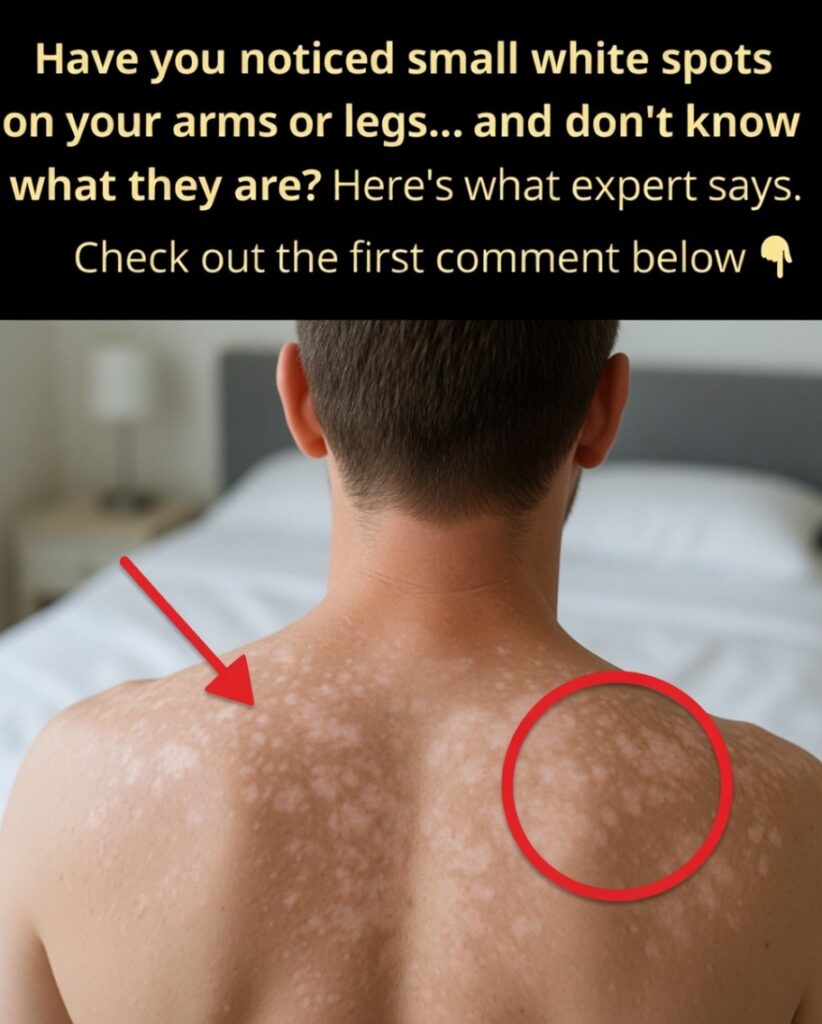
Noticing lighter patches or tiny white dots on your skin can be alarming—especially when they seem to appear overnight or become more obvious after sun exposure. These changes are commonly grouped under hypopigmentation, meaning the skin is producing less melanin, the pigment responsible for skin color. People often first notice them on the arms, back, face, chest, or legs, and it’s natural to wonder whether it’s purely cosmetic or a sign of something more.
The reassuring part is that many cases are linked to everyday, manageable triggers—such as sun exposure, mild fungal overgrowth, or leftover effects from skin irritation. This guide breaks down the most common, dermatologist-recognized causes of white spots on skin, along with practical steps to protect your skin and guidance on when to seek professional evaluation.
The Quiet Change: How White Spots Typically Appear
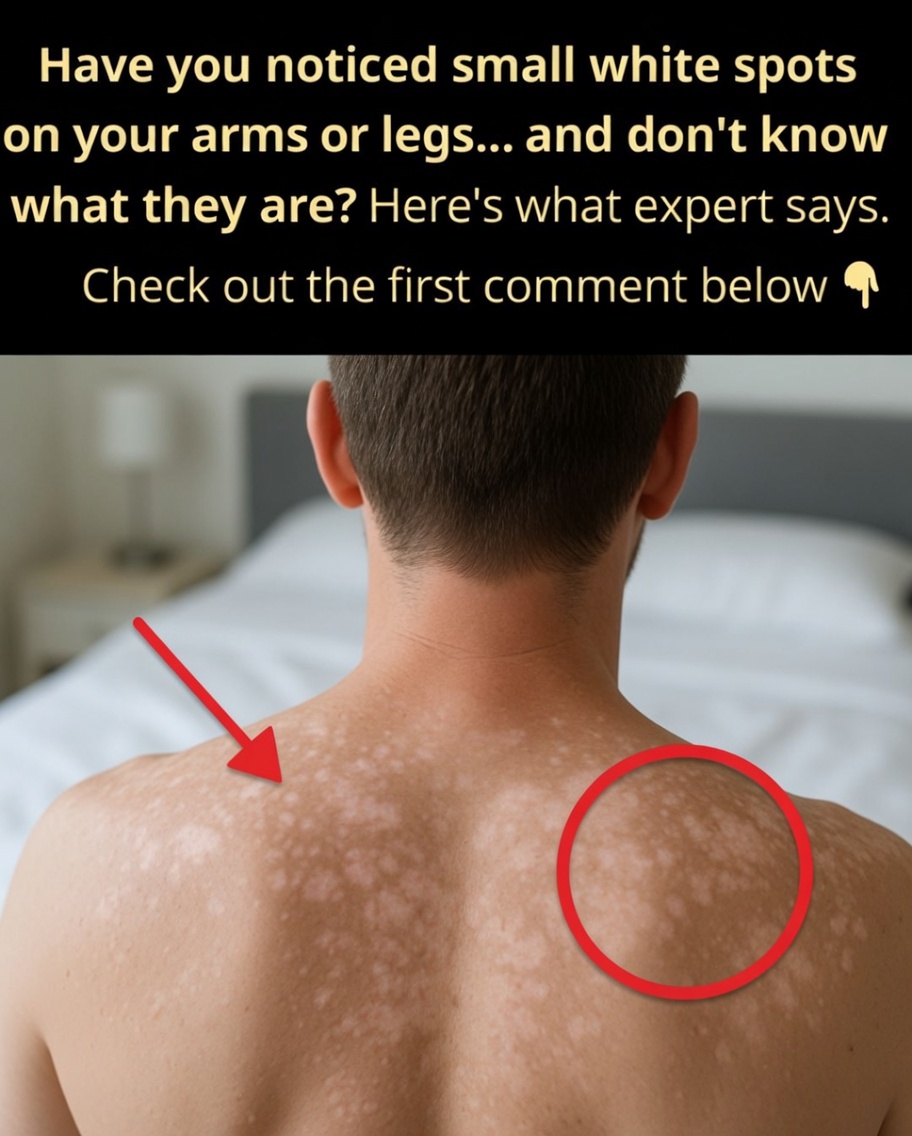
White or lighter areas often develop gradually. After age 40, many people begin to notice small pale dots on sun-exposed areas like the forearms, hands, or shins. Others may see broader, uneven patches on the back or chest, sometimes more noticeable after hot, humid weather or after tanning.
In most situations, these spots don’t cause pain or itching—but they can affect confidence and raise understandable concerns. Dermatology research consistently highlights two frequent contributors:
- Long-term UV exposure that alters pigment production over time
- Low-grade inflammation or irritation that temporarily disrupts melanin distribution
Many spots are harmless, but if they persist or expand, it’s worth understanding the potential causes so you don’t miss an opportunity for early care.
Common Cause #1: Tinea Versicolor (Pityriasis Versicolor)
One of the most frequent explanations for lighter patches—especially on the chest, shoulders, and back—is tinea versicolor, also called pityriasis versicolor. It occurs when Malassezia (a yeast that normally lives on the skin) overgrows, particularly in warm and humid environments.
Typical features include:
- Pale, tan, or slightly pink patches
- Fine scale (often subtle but detectable)
- More noticeable contrast after sun exposure because affected areas tan differently
Studies note it’s more common in tropical climates or during summer months.
A common at-home approach is using antifungal shampoo as a body wash (as advised by a clinician). Even after treatment, the color may take several weeks to fully even out.
Common Cause #2: Idiopathic Guttate Hypomelanosis (IGH)
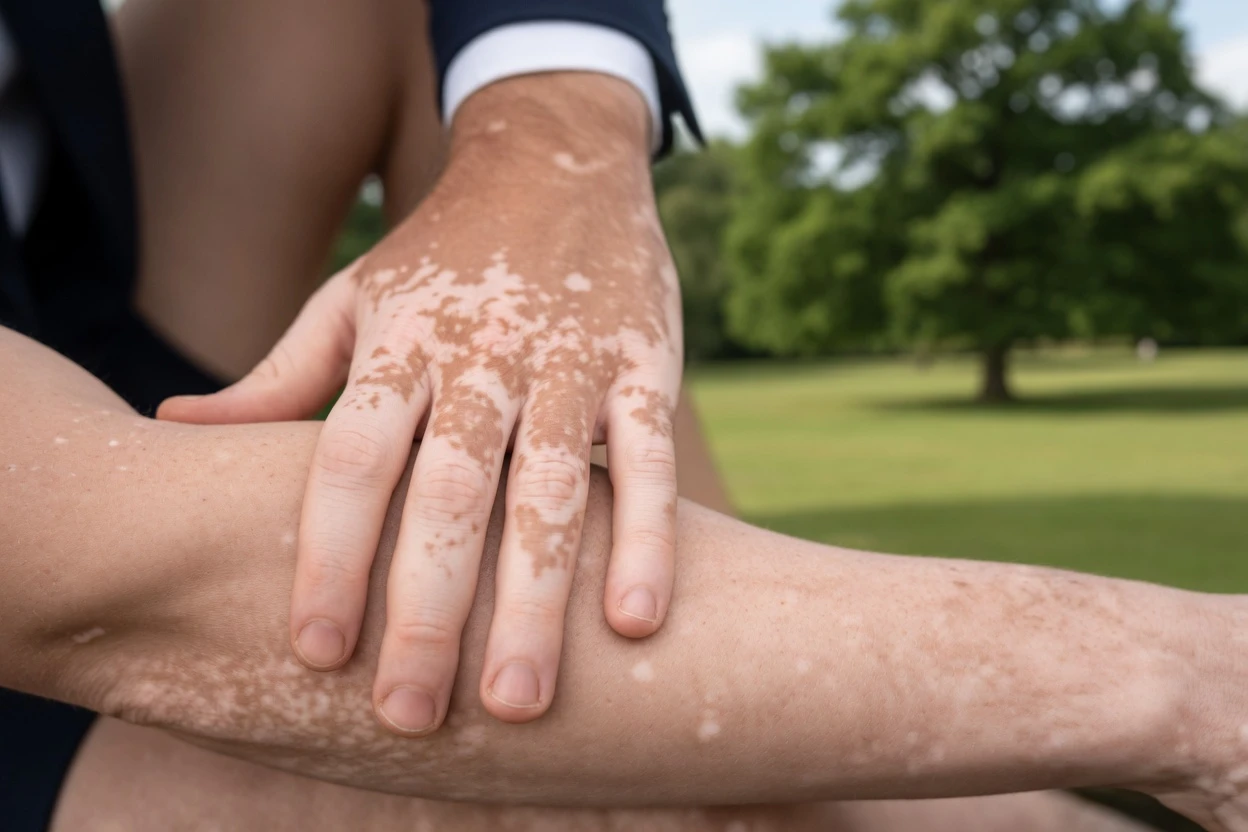
If you’re seeing small, round, porcelain-white dots—often 2–5 mm—on the arms, legs, or hands, the cause may be idiopathic guttate hypomelanosis (IGH). This condition is strongly associated with:
- Cumulative sun exposure over years
- Natural skin aging, especially after 40
- Higher frequency in people with fair skin and long-term outdoor habits
IGH happens due to localized reduction in melanin after chronic UV impact. These spots are benign, but they typically don’t disappear quickly.
A core prevention strategy is:
- Broad-spectrum sunscreen (SPF 30+) daily to reduce the formation of new spots and slow progression
Common Cause #3: Pityriasis Alba (Dry-Skin-Related Pale Patches)
Pityriasis alba often causes light, round or oval patches, commonly on the face, but also on the neck and arms. It is frequently linked to:
- Dry skin
- A background of mild eczema (atopic dermatitis)
The patches may begin slightly red or scaly, then fade into a lighter tone than surrounding skin. It’s most common in children and teenagers, though it can persist or appear later.
Supportive care usually includes:
- Consistent moisturizing
- Sun protection, which reduces contrast and helps the skin recover
Common Cause #4: Vitiligo (Progressive Loss of Pigment)
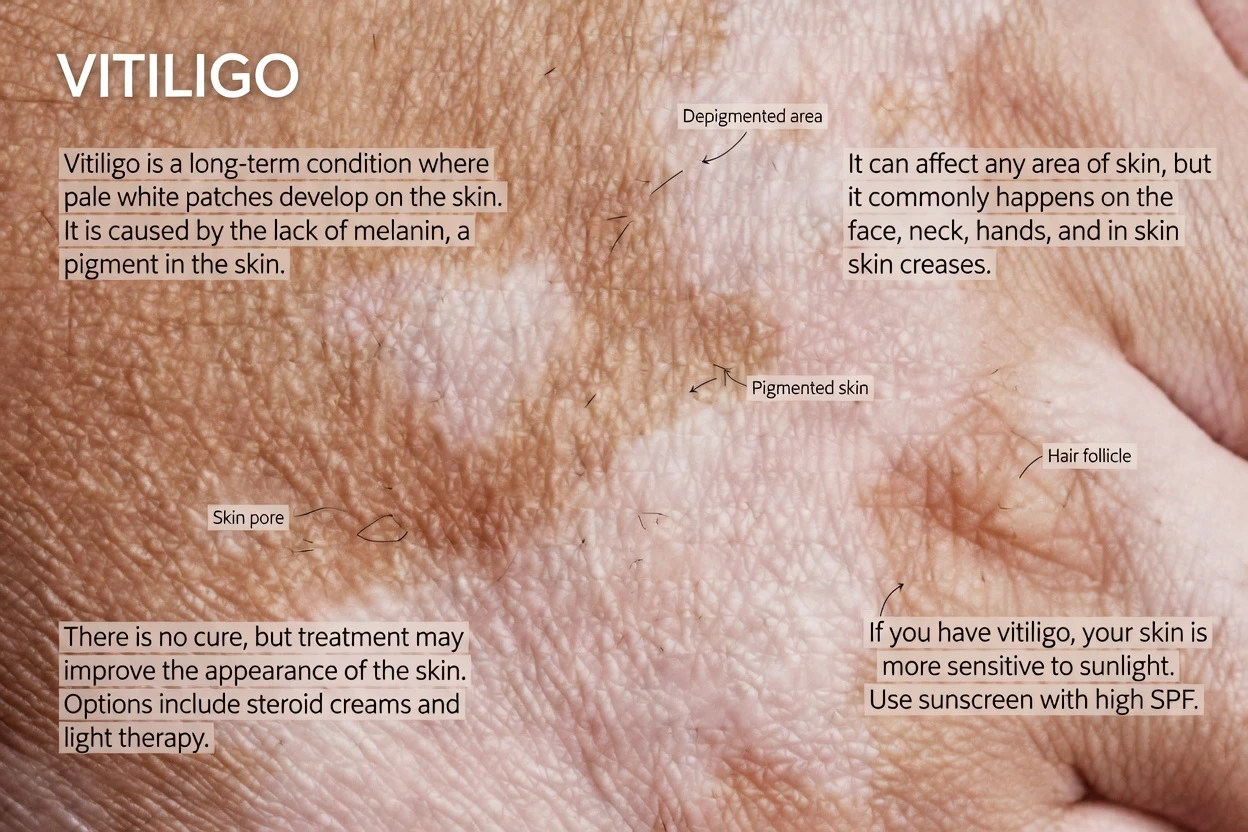
Vitiligo occurs when the immune system interferes with melanocytes, the cells that produce melanin. It leads to well-defined white patches that may:
- Expand over time
- Appear in a symmetrical pattern
- Start on the hands, face, elbows, knees, or around body openings
Vitiligo affects roughly 1% of the global population. Genetics and autoimmune tendencies often play a role, though individual triggers vary.
Early evaluation can be helpful because dermatologists can discuss options to support pigment stability and manage progression.
Common Cause #5: Post-Inflammatory Hypopigmentation (After Irritation or Injury)
Sometimes white or lighter spots show up after the skin has been inflamed or injured, such as from:
- Eczema flare-ups or dermatitis
- Rashes
- Burns
- Aggressive treatments or procedures (for example, chemical peels)
This is called post-inflammatory hypopigmentation, and it happens when inflammation temporarily disrupts melanin production or transfer. In many cases, pigment gradually returns as the skin heals—especially when the area is protected from further irritation and UV exposure.
Other Potential Contributors
While less frequent, these factors can sometimes be involved:
- Nutritional factors: Some studies associate pigment changes with low levels of nutrients such as vitamin B12 or vitamin D, though this is not a leading cause for most people.
- Chemical or product exposure: Certain skincare ingredients or treatments can occasionally cause localized lightening, especially if they irritate the skin.
- Less common conditions: Rare disorders (such as lichen sclerosus, often in sensitive areas) or genetic causes may be relevant in specific cases.
Quick Comparison: Common Causes of White Spots on Skin
- Tinea versicolor — typically back/chest; yeast overgrowth in heat/humidity
- Idiopathic guttate hypomelanosis (IGH) — arms/legs/hands; long-term sun exposure and aging
- Pityriasis alba — face/arms/neck; dry skin or eczema-related
- Vitiligo — any area; autoimmune involvement, may spread
- Post-inflammatory hypopigmentation — where a rash/injury occurred; often temporary
Practical Steps You Can Start Today
Even before you know the exact cause, these habits support healthier, more resilient skin:
- Use broad-spectrum sunscreen daily (SPF 30+), even when it’s cloudy
- Moisturize consistently to reinforce the skin barrier
- Avoid harsh scrubs or irritating products on affected areas
- Monitor changes by taking photos monthly in similar lighting
- Book a dermatology visit if spots spread, become itchy, or cause significant concern
These steps aren’t a cure-all, but they can reduce worsening and support recovery in many cases.
When to See a Dermatologist
Seek professional care if the light patches:
- Spread quickly or cover larger areas
- Change noticeably in shape or pattern
- Come with persistent itching, burning, or other symptoms
- Cause significant distress or uncertainty
Dermatologists can often assess pigment changes using tools like a Wood’s lamp and may recommend targeted treatment based on the diagnosis.
FAQ
What is the most common cause of white spots on skin in adults?
Two of the most frequent causes are tinea versicolor (especially in humid climates) and idiopathic guttate hypomelanosis (often linked to years of sun exposure).
Can white spots on skin fade on their own?
Some do. Tinea versicolor and post-inflammatory hypopigmentation often improve with time and basic care. IGH commonly persists, but sun protection can help prevent new spots.
Are white spots on skin dangerous?
Most are benign, but it’s still wise to get an evaluation if changes are spreading, persistent, or concerning to you.
This article is for informational purposes only and is not a substitute for professional medical advice. For personalized guidance, consult a qualified healthcare provider.