
Many people take everyday medicines for headaches, heartburn, or infections without considering what those drugs may mean for kidney health. Yet research consistently shows that medications are a major contributor to acute kidney injury (AKI)—with estimates suggesting drugs are involved in 20% or more of hospital-related cases. Risk tends to climb with older age, dehydration, and underlying conditions (such as diabetes or high blood pressure), where “routine” relief can quietly place extra strain on the kidneys over time. The encouraging news is that awareness and clinician guidance can greatly reduce unnecessary harm.

What This Guide Covers
Below, you’ll find eight common medication categories linked to kidney concerns, a clear explanation of why they can be problematic based on established medical understanding, symptoms to watch for, and practical ways to lower risk. Use this information as a starting point for a more informed conversation with your doctor or pharmacist.
Why the Kidneys Are Especially Sensitive to Medications
Your kidneys work around the clock to filter blood, remove waste, and regulate fluid and electrolyte balance. Because many drugs (and their breakdown products) are cleared through the kidneys, they may reach high concentrations in kidney tissue. This can stress fragile structures such as kidney blood vessels and tubules.
In general, medication-related kidney injury can occur through several pathways:
- Reduced kidney blood flow (especially during dehydration or illness)
- Direct toxicity to tubular cells
- Inflammatory reactions within kidney tissue
- Fluid loss and electrolyte imbalance that worsens kidney perfusion
These vulnerabilities are more pronounced in older adults and in people with hypertension, diabetes, heart disease, or pre-existing kidney impairment—where even over-the-counter drugs may cause problems if used frequently or without monitoring.
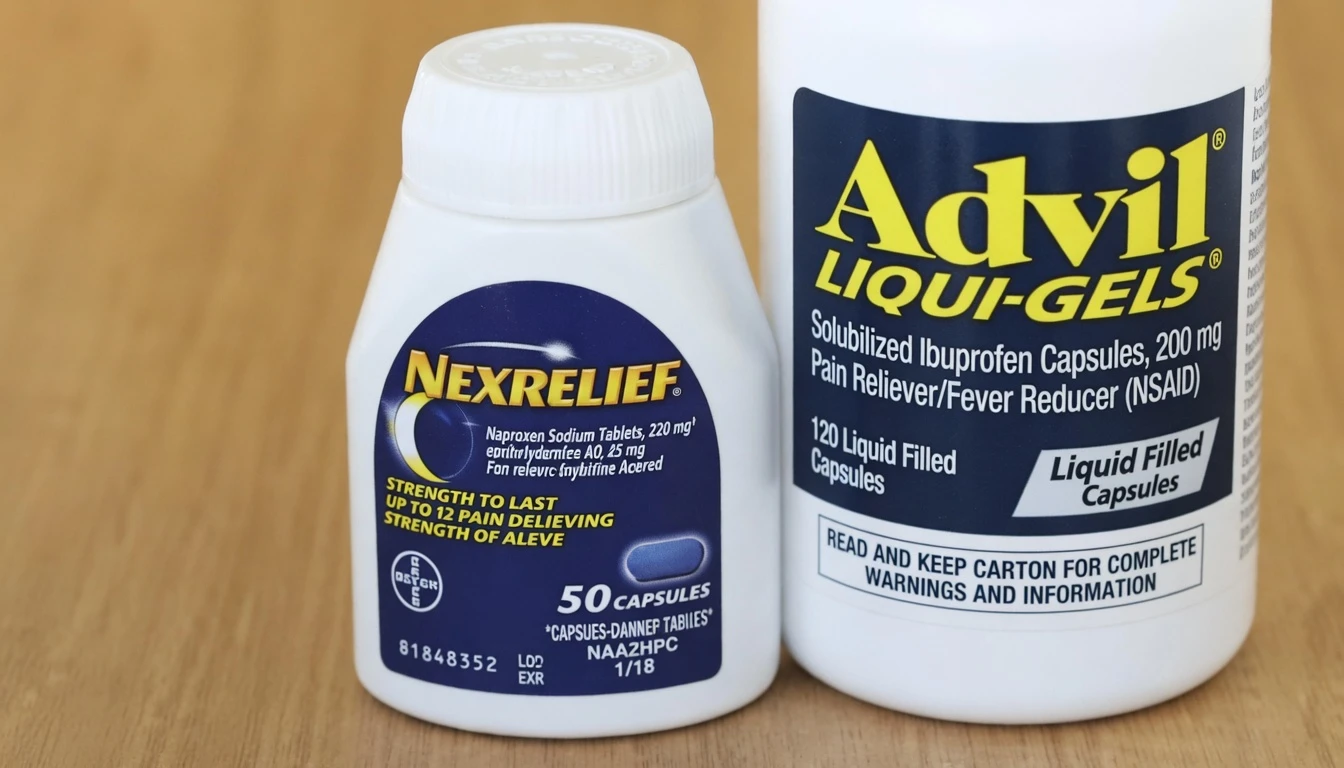
1. NSAIDs (Ibuprofen, Naproxen)
Nonsteroidal anti-inflammatory drugs (NSAIDs)—including ibuprofen (Advil, Motrin) and naproxen (Aleve)—are widely used for pain, fever, and inflammation. A key issue is that NSAIDs reduce prostaglandins, hormone-like substances that help maintain adequate blood flow to the kidneys, particularly during stress (such as dehydration).
When taken at high doses or for long periods, NSAIDs are linked to a higher likelihood of AKI, especially if other risk factors are present. Early warning signs may be subtle and can include:
- Unusual tiredness
- Swelling (legs, ankles, or face)
- Decreased urine output
Potential short-term alternative (ask a clinician first): Acetaminophen (Tylenol) at recommended doses is often considered less risky for the kidneys than NSAIDs, though it must still be used carefully.
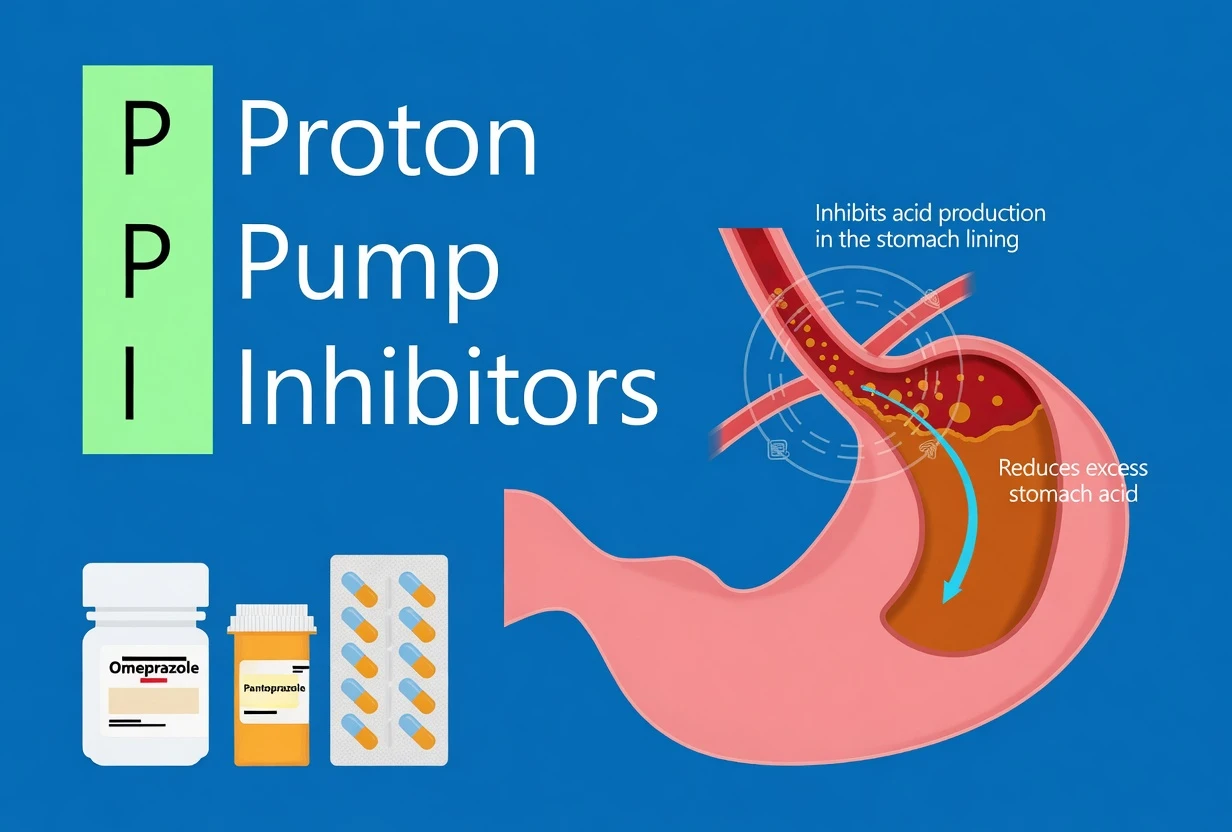
2. Proton Pump Inhibitors (PPIs) (Omeprazole, Esomeprazole)
PPIs such as omeprazole (Prilosec) and esomeprazole (Nexium) reduce stomach acid and are commonly used for reflux and heartburn. Studies have associated longer-term PPI use with interstitial nephritis, an inflammatory kidney condition that can sometimes contribute to longer-term kidney problems.
Possible clues may include:
- Unexplained fatigue
- New or worsening swelling
- General malaise without a clear cause
Consider discussing these options with your provider:
- H2 blockers (e.g., famotidine) for intermittent symptoms
- Lifestyle measures like smaller meals, avoiding late-night eating, and elevating the head of the bed
3. Certain Antibiotics (Aminoglycosides, Vancomycin)
Some antibiotics are essential for severe infections but can be harder on the kidneys. Aminoglycosides (e.g., gentamicin) and vancomycin are known for potential accumulation in kidney tubules, where they may cause direct toxicity.
Risk increases with:
- Higher doses
- Longer treatment courses
- Hospitalized or critically ill patients
Clinicians often reduce harm by ordering blood tests to monitor kidney function, adjusting doses, and selecting alternative antibiotics when appropriate.
4. ACE Inhibitors and ARBs (Lisinopril, Losartan)
ACE inhibitors (like lisinopril) and ARBs (like losartan) are commonly prescribed for blood pressure control and can be kidney-protective in many people—especially those with diabetes or protein in the urine. However, they can also cause a temporary drop in filtration, particularly during dehydration, severe illness, or other stress on the kidneys.
This is why regular lab monitoring is important:
- Kidney function tests help confirm changes are expected and safe
- Dose adjustments may resolve issues without stopping the medication
5. Contrast Dyes Used in Imaging (CT Scans, Angiograms)
Some imaging procedures use iodinated contrast dye, which may trigger kidney injury in susceptible individuals through reduced blood flow in the kidneys and direct effects on kidney cells.
Risk reduction strategies often include:
- Hydration before and after the procedure (when medically appropriate)
- Screening for people at higher risk (older age, diabetes, pre-existing kidney disease)
- Using the lowest effective contrast dose
6. Diuretics (“Water Pills”) (Furosemide, Hydrochlorothiazide)
Diuretics such as furosemide and hydrochlorothiazide help manage swelling and high blood pressure by increasing urine output. If dosing is too high—or if fluid intake is inadequate—diuretics can contribute to dehydration, reducing kidney blood flow and stressing kidney function.
Safer use typically involves:
- Monitoring blood pressure and electrolytes
- Reviewing fluid status (especially during heat, illness, or appetite loss)
- Avoiding “extra” doses unless directed by a clinician
7. Certain Antivirals and Chemotherapy Agents
Some antivirals and chemotherapy medications carry higher kidney risk due to direct tubular injury, especially at higher doses or in intensive treatment regimens. Because these therapies can be life-saving, the goal is usually risk management, not avoidance.
Protective measures can include:
- Specialized dosing strategies
- Frequent kidney labs
- Supportive hydration plans when appropriate
8. Lithium (Mood Stabilization)
Lithium, used for bipolar disorder and other conditions, can affect the kidneys over time—particularly the ability to concentrate urine—potentially contributing to chronic changes after long-term exposure.
Risk is reduced through:
- Routine blood tests for lithium levels and kidney function
- Staying well-hydrated (unless a clinician advises otherwise)
- Prompt evaluation of symptoms like excessive thirst or frequent urination
Quick Risk Snapshot (General Guide)
- NSAIDs: Higher risk with frequent or long-term use → consider acetaminophen short-term (clinician guidance recommended)
- PPIs: Moderate risk with prolonged use → consider H2 blockers or lifestyle changes
- Certain antibiotics: Risk varies by drug/dose/duration → targeted selection + lab monitoring
- Contrast dyes: Procedure-related risk → pre-/post-hydration and screening protocols
- Diuretics: Dehydration-related risk → fluid and lab monitoring
Why Self-Medicating Can Make Kidney Problems More Likely
Taking medications without professional oversight can raise risk through:
- Drug interactions
- Incorrect dosing or prolonged use
- Missing early symptoms until kidney stress becomes more serious
A classic high-risk scenario is combining:
- NSAIDs + diuretics + blood pressure medications, especially during dehydration or illness
Dehydration—whether from heat, stomach bugs, intense exercise, or low fluid intake—can intensify kidney strain across multiple medication types.
Practical Ways to Protect Your Kidneys
- Review your medication list regularly: Include prescriptions, over-the-counter drugs, and supplements. Recheck annually or whenever a new medication is added.
- Prioritize hydration (when allowed): Drink adequate fluids unless your clinician has placed you on a fluid restriction.
- Pay attention to warning signs: Report swelling, unusual fatigue, reduced urination, foamy urine, or unexplained nausea promptly.
- Get routine kidney labs if you’re at risk: Tests like creatinine and eGFR can detect early changes.
- Make smarter choices for common symptoms: For pain or heartburn, consider non-drug options first (heat, stretching, diet adjustments), and use medications at the lowest effective dose for the shortest necessary time.
Final Thoughts
Understanding how common medicines can affect the kidneys helps you make safer decisions. Simple habits—like checking in with a clinician before using certain drugs regularly—can play a meaningful role in protecting long-term kidney function and overall health.
FAQ
What are early signs of medication-related kidney strain?
Common early signals include persistent fatigue, swelling in the legs/ankles, noticeable changes in urine output or appearance, and unexplained nausea. Seek medical evaluation promptly if these occur.
Are all pain relievers harmful to the kidneys?
No. Acetaminophen is often considered a safer short-term option for many people than NSAIDs, but dosing and individual risk factors still matter.
How do I know whether a medication is kidney-safe for me?
Ask your doctor or pharmacist—especially if you are over 60 or have diabetes, high blood pressure, heart disease, or known kidney issues. They can evaluate your full medication profile and personal risk.
Disclaimer: This article is for educational purposes only and does not replace medical advice. Consult a qualified healthcare professional for guidance tailored to your health status and medications. Do not start, stop, or change any treatment without professional supervision.