Nopal Cactus Water with Lemon: A Refreshing, Low-Sugar Drink for Hydration and Daily Wellness
Waking up tired, feeling a little bloated after meals, or struggling to stay hydrated without relying on sweetened beverages are common challenges in a fast-paced routine. Over time, these small issues can add up—leaving you sluggish, uncomfortable, and discouraged about maintaining healthy habits.
A simple, natural option inspired by traditional wellness practices is gaining attention: nopal cactus (prickly pear cactus) blended with water and finished with fresh lemon juice. It’s light, refreshing, and easy to make at home. Even more interesting: consistent use may offer benefits that go well beyond basic hydration, thanks to nopal’s unique nutrient and fiber profile—and one of the most valued “benefits” might be the simplest one.
What Is Nopal Cactus Water with Lemon?
Nopal (scientific name: Opuntia ficus-indica) refers to the edible pads of the prickly pear cactus. This hardy plant thrives in dry climates, especially across Mexico and other parts of the Americas, and has long been used in traditional cuisines for both its high water content and nutritional value.
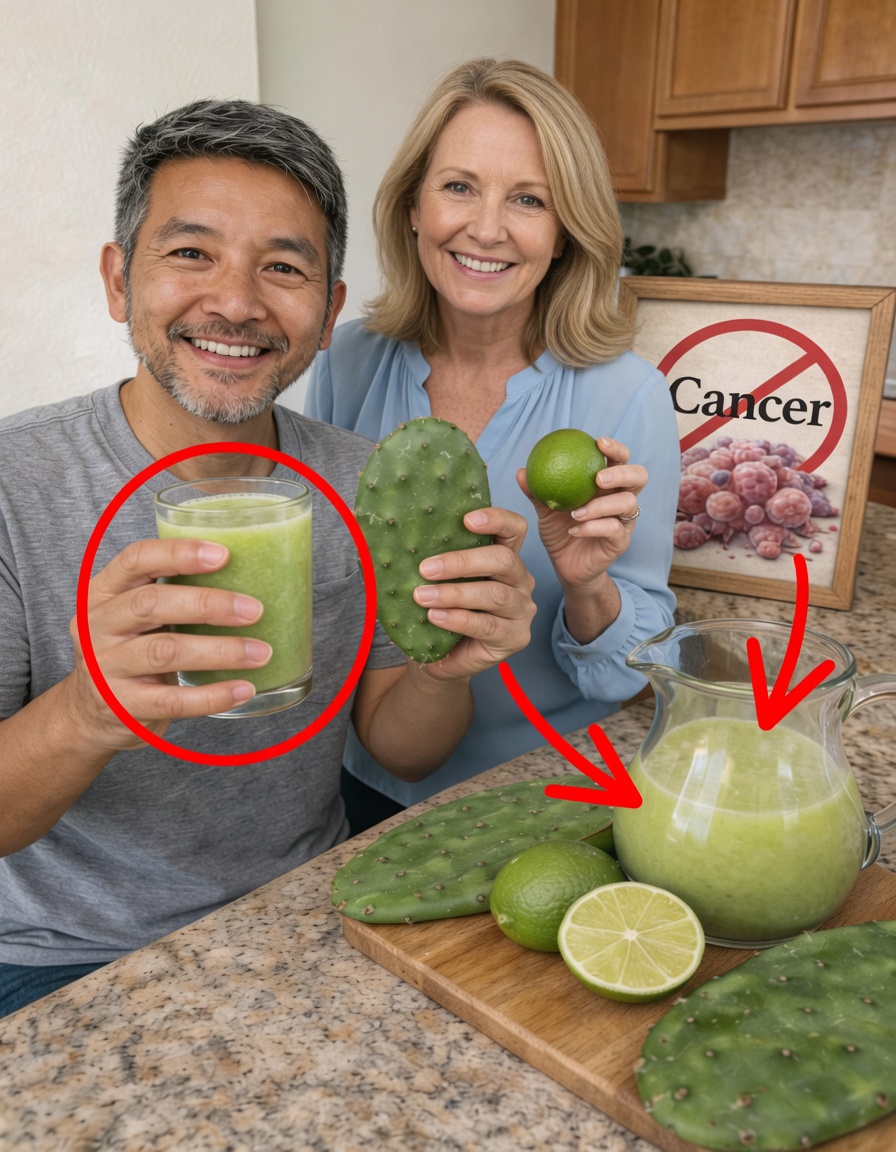
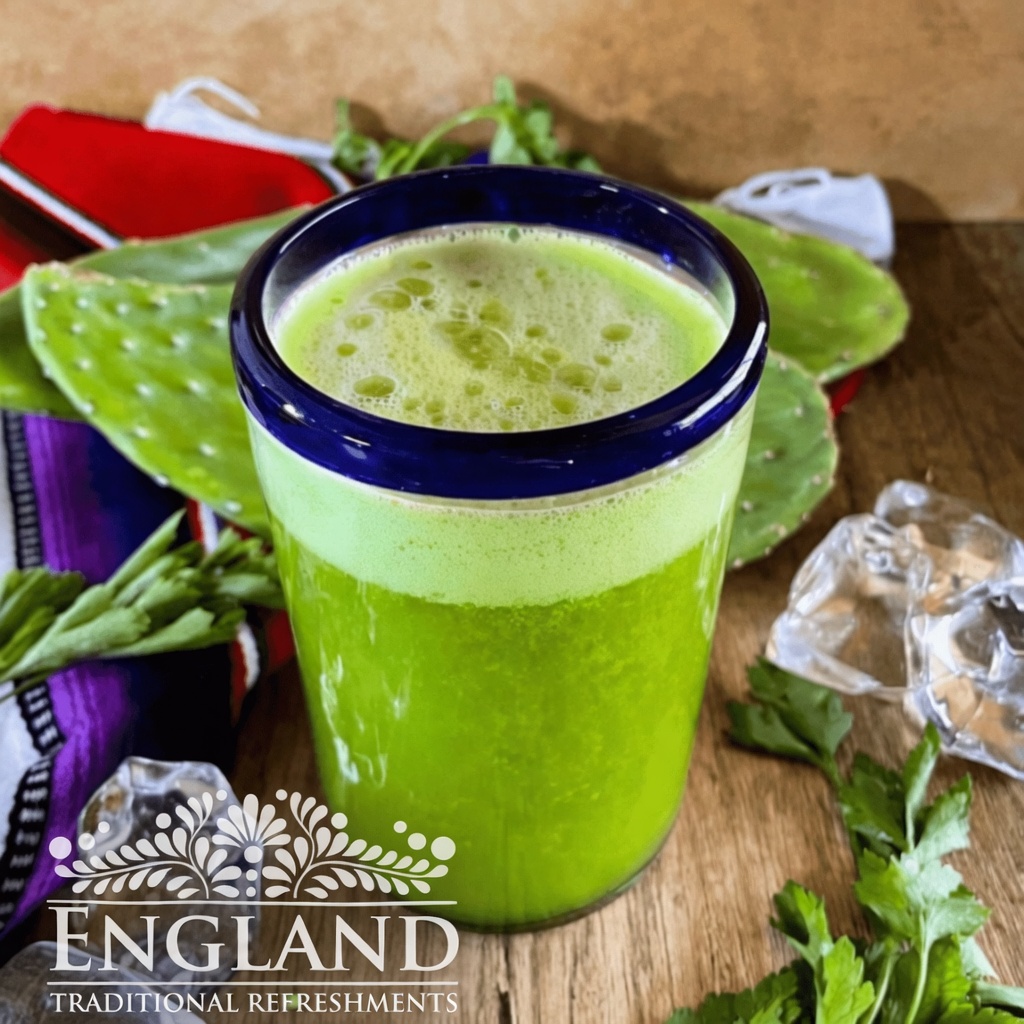
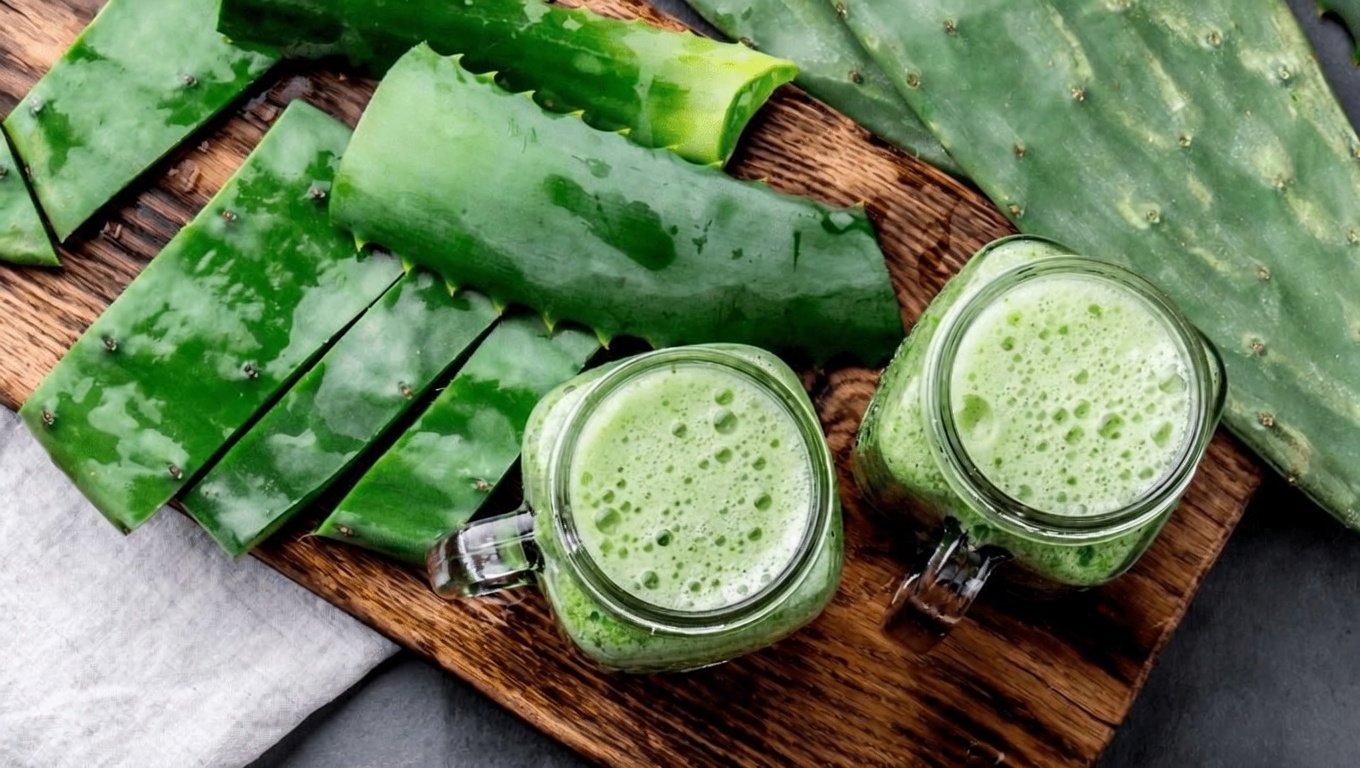
When nopal pads are blended into water, they release a naturally gel-like mucilage that contains soluble fiber. Adding fresh lemon juice brings bright flavor, vitamin C, and gentle acidity. The result is a low-calorie, naturally flavored drink that’s practical for everyday use.
Why This Combination Is So Appealing
Nopal gives the drink a subtly silky texture that many people find soothing, while lemon adds a clean, citrus lift without needing sweeteners. Unlike many store-bought beverages, this homemade version avoids added sugars and lets you control the ingredients.
From a nutrition standpoint, studies highlight that nopal contains antioxidant compounds such as betalains and flavonoids, along with minerals including potassium and magnesium. Lemon complements this with additional antioxidants and vitamin C.
Common reasons people add this drink to their routine include:
- Natural hydration support: Nopal pads are roughly 85–95% water, and they also provide naturally occurring minerals.
- Digestive comfort: The soluble fiber content may help support regularity and post-meal comfort.
- Antioxidant intake: Nopal and lemon both contribute compounds that help the body manage daily oxidative stress.
Key Potential Benefits Supported by Research
Research on prickly pear cactus (nopal) suggests several possible supportive effects when it’s consumed regularly as part of an overall healthy diet.
1) May Support Healthy Blood Sugar Responses
Early research (including small human studies and reviews) suggests that nopal may help slow glucose absorption, which can contribute to more stable post-meal blood sugar patterns for some people. Evidence has also shown reduced after-meal spikes in certain groups who monitor glucose closely.
Lemon doesn’t “cancel out” these effects—its impact on blood sugar is minimal, keeping the drink a practical option for those focused on balance.
2) Can Promote Digestion and Gut Comfort
Nopal’s soluble fiber and mucilage may act like a gentle coating in the digestive tract. Research has noted potential links to improved regularity and reduced digestive discomfort.
Lemon’s acidity may also support mild digestive processes for some people.
Key fiber-related points:
- Rich in soluble fiber (including pectin and mucilage)
- May help with occasional bloating or irregularity
- Can support a feeling of fullness without adding many calories
3) Increases Antioxidant Intake for Cellular Support
Nopal contains antioxidants such as betalains and flavonoids, which help neutralize free radicals. Lower oxidative stress is broadly associated with better overall wellness and healthy aging.
Lemon adds vitamin C, strengthening the drink’s antioxidant profile.
4) Provides Natural Electrolytes for Daily Hydration
Because nopal naturally contains potassium and magnesium, it can be a helpful addition to hydration routines—especially after exercise or in hot climates. Lemon contributes flavor and small amounts of additional nutrients.
Some research on prickly pear has explored connections to recovery and fluid balance, making it an appealing alternative to heavily processed hydration products.
5) May Offer Gentle Heart-Health Support
Although evidence is still limited, some studies associate nopal intake with improvements in markers related to cholesterol and blood pressure, likely due to its fiber and antioxidant content. A meta-analysis has reported modest but meaningful improvements in certain cholesterol and body composition markers with prickly pear consumption.
How It Compares to Popular Alternatives
Here’s a simple overview of why nopal cactus water with lemon can be an easy swap for processed drinks:
- Natural electrolytes: Present (potassium, magnesium)
- Antioxidants: High (betalains + vitamin C)
- Added sugar: None (unless you add it)
- Fiber: Yes, from nopal (unlike most drinks)
- Calories: Very low
How to Make Nopal Cactus Water with Lemon (Step-by-Step)
You can prepare this drink quickly with basic kitchen tools. If you’re new to nopal, start small and let your body adjust to the extra fiber.
-
Choose fresh nopal pads
Look for young, tender pads (or pre-cleaned nopales). Handle carefully—spines can be irritating. -
Wash and de-spine thoroughly
Rinse well, then use a knife or peeler to remove spines and “eyes.” -
Chop into small pieces
Aim for about 1 cup of chopped nopal for a basic serving. -
Blend with water
Add nopal to a blender with 1–2 cups of water and blend until smooth. -
Add fresh lemon juice
Squeeze in juice from ½ lemon, then blend briefly again. -
Strain (optional)
For a lighter texture, pour through a fine mesh strainer. -
Drink fresh
Many people prefer it in the morning or sip it throughout the day. Start with 1 cup daily.
What Many People Notice with Consistent Use
Beyond digestion or hydration, many users describe a more consistent sense of energy—especially fewer mid-day crashes—which may relate to improved hydration habits and nutrient intake.
The most “surprising” advantage is often behavioral: because it’s simple and natural, it can make healthier choices feel effortless, reinforcing a routine that replaces processed drinks with cleaner options.
Final Takeaway
Nopal cactus water with lemon is a straightforward, refreshing addition to a balanced lifestyle. It may help support hydration, antioxidant intake, and digestive comfort—especially when used consistently and paired with overall healthy eating. Research is promising, but outcomes can vary by individual, and it isn’t a replacement for medical care.
Frequently Asked Questions (FAQ)
Is nopal cactus water with lemon safe to drink every day?
For most people, yes—when prepared properly and introduced gradually. Since it’s fiber-rich, start with a smaller serving and watch how your body responds.
Can it help with weight management?
It may support fullness due to soluble fiber and low calories, which can help with portion control. However, no drink alone causes weight loss.
Where can I buy fresh nopal pads?
Check grocery stores with Latin American/Mexican produce sections, local markets, or look for pre-cleaned nopales. Choose pads that are firm and fresh-looking.
Disclaimer: This content is for informational purposes only and is not intended to diagnose, treat, cure, or prevent any disease. Talk to a qualified healthcare professional before making major dietary changes, especially if you have a medical condition, are pregnant, or take medications. Individual results may vary.