
Feeling drained, noticing swelling, or seeing concerning lab results like rising creatinine and a declining GFR can make everyday decisions—especially food choices—feel stressful. Many people living with kidney concerns worry that a single “wrong” meal could set them back. The encouraging reality is that you can support kidney health with small, tasty additions to your routine—without completely reinventing your diet.
This guide highlights two practical, kidney-friendly superfoods frequently recommended by nutrition professionals. They’re not cures, but their nutrient profiles may help reduce day-to-day kidney burden as part of a balanced eating plan. Stay to the end for a simple, surprisingly delicious way to combine them.
Why Kidney Health Deserves Your Attention
Your kidneys quietly handle essential jobs: filtering waste, balancing fluids and electrolytes, and supporting healthy blood pressure. When kidney function drops—even slightly—you may notice fatigue, fluid retention, and a general sense of “not feeling like myself.”
Nutrition plays a major role in lowering kidney stress. Many kidney-friendly diets focus on:
- Keeping certain minerals in check (often potassium and phosphorus, depending on your labs and stage)
- Increasing fiber and antioxidants
- Reducing inflammation and oxidative stress, which are linked to long-term kidney strain
The best part: you don’t need rare ingredients. A few everyday foods can be powerful allies when chosen wisely.

Superfood #1: Cranberries (Small Berry, Big Support)
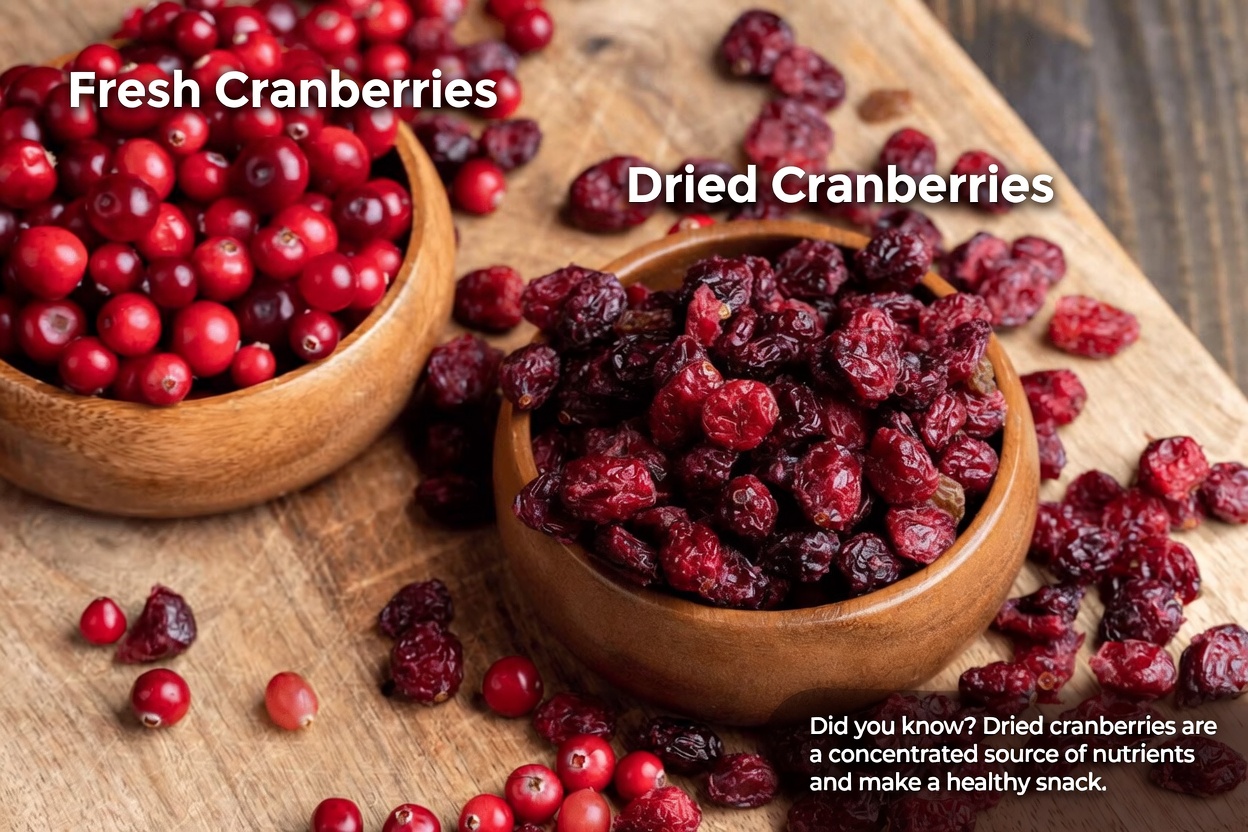
Cranberries may be tiny, but they’re packed with distinctive antioxidants called proanthocyanidins. These compounds are well-known for supporting urinary tract health and may indirectly help kidney wellness by reducing oxidative stress.
Research reviews (including summaries available through PubMed) have explored cranberries for urinary tract function and antioxidant activity. Another kidney-friendly bonus: cranberries are naturally low in potassium, which can be helpful for many people following renal nutrition guidelines.
Cranberries may also offer:
- Anti-inflammatory support (important because inflammation often accompanies kidney concerns)
- Vitamin C, which contributes to overall cellular protection
Easy, Kidney-Friendly Ways to Eat Cranberries
Try simple options that fit real life:
- Drink 100% unsweetened cranberry juice, diluted (for example, mix 4 oz with water)
- Add fresh or frozen cranberries to oatmeal or yogurt
- Blend cranberries into smoothies with lower-potassium fruits such as apples
Start modestly—try a serving a few times per week—then adjust based on your preferences and any medical guidance.
Superfood #2: Cauliflower (A Renal Diet Favorite)
Cauliflower is often highlighted by kidney health organizations and renal diet resources because it tends to be low in potassium and phosphorus while still offering valuable nutrients like fiber and vitamin C. It also contains glucosinolates—sulfur-containing compounds associated with the body’s natural detox-support pathways, which may help reduce metabolic workload over time.
Its mild taste is a major advantage: cauliflower can replace higher-starch sides (like potatoes or rice) that may create more waste products for the body to handle.
Why renal diet experts like cauliflower:
- High fiber supports digestion and steadier blood sugar (important for vascular and kidney health)
- Antioxidants help combat oxidative damage
- Low calorie density can support weight management, which is beneficial for kidney function
Simple Ways to Use Cauliflower More Often
Make it easy and enjoyable:
- Steam and mash cauliflower with herbs as a side dish
- Roast florets with olive oil and garlic for a crisp, satisfying option
- Pulse into “cauliflower rice” as a base for stir-fries and bowls
Once you find a preparation you love, cauliflower becomes one of the simplest kidney-friendly staples to keep on hand.

Cranberries vs. Cauliflower: Quick Comparison
Here’s why these two kidney-friendly foods complement each other so well:
-
Cranberries
- Low in potassium
- Rich in antioxidants (especially proanthocyanidins)
- Supports urinary tract wellness
- Best for drinks, smoothies, breakfast add-ins
-
Cauliflower
- Very low in potassium and phosphorus
- Provides fiber and vitamin C
- Contains detox-supporting compounds (glucosinolates)
- Neutral flavor that works in many savory meals
Both options are generally gentle on kidney-focused eating patterns while still delivering meaningful nutrition.
How to Start Supporting Kidney Health Today (Practical Plan)
Use a simple, low-pressure approach:
- Week 1: Add cranberries 3–4 times
- Choose diluted unsweetened juice or berries in yogurt/oatmeal.
- Week 2: Add cauliflower twice
- Start with roasted florets as a side dish.
- Try the “surprise combo”
- Make a quick salad: chopped cauliflower + a small handful of cranberries + olive oil + fresh herbs.
- The crunch and tartness balance well and can make an easy lunch.
- Pay attention to how you feel
- Track energy, swelling, digestion, and overall well-being over 2–4 weeks.
- Support the basics
- Prioritize hydration as allowed, reduce sodium, and choose minimally processed foods more often.
Small changes, repeated consistently, can be more sustainable than extreme restrictions.
What the Science Suggests (Plain English)
Guidance from kidney health organizations commonly emphasizes plant-forward, low-mineral-burden choices for many people with kidney concerns. Antioxidants from berries and cruciferous vegetables (like cauliflower) help address free radical damage, while kidney-friendly mineral levels can reduce the risk of overload—especially when potassium or phosphorus need monitoring.
No single food can “fix” kidneys or guarantee changes in creatinine or GFR. However, consistent dietary patterns that reduce inflammation, limit sodium, and prioritize whole foods can support better long-term kidney outcomes.
Key Takeaway: Small Steps Can Still Mean Real Support
Adding cranberries and cauliflower is a realistic, enjoyable way to align your meals with kidney-friendly nutrition. Together, they offer antioxidants, fiber, and gentle nutrient support that fits common renal diet principles. Start small, stay consistent, and look for meaningful everyday wins—like steadier energy or feeling less weighed down.
FAQ
Are cranberries safe for people with kidney issues?
Often yes, in moderation, especially unsweetened options that are typically low in potassium. If you have fluid restrictions or specific lab targets, confirm with your clinician or dietitian.
Can I eat cauliflower every day?
For many people, yes. Cauliflower is widely considered a kidney-friendly vegetable due to its lower potassium and phosphorus profile. Variety is still helpful for overall nutrition and enjoyment.
Will cranberries or cauliflower lower creatinine or raise GFR by themselves?
No single food can promise specific lab improvements. But within an overall kidney-supportive plan (lower sodium, fewer processed foods, appropriate protein and minerals), these foods may contribute to reduced strain over time.
Disclaimer
This article is for informational purposes only and is not medical advice. Always consult your healthcare provider or a registered dietitian before changing your diet—especially if you have chronic kidney disease, are on dialysis, or take medications that affect kidney function. Nutritional needs vary by CKD stage, lab results, and individual health conditions.