
Graviola Leaves (Soursop Leaves): The “Powerful Leaf” Trending Online—What’s Real and What’s Hype?
Constant fatigue, everyday inflammation, and the ongoing search for natural wellness support can wear anyone down. It’s no surprise that many people try viral “quick fixes” from common plants—only to feel let down when the results don’t match the promises.
Recently, graviola leaves—also known as soursop leaves—have surged across social media as the “powerful leaf” for health. The big question is whether there’s meaningful evidence behind the buzz, or if the claims are overstated.
Traditional use and early research suggest that graviola leaf tea contains plant compounds that may offer gentle, everyday wellness support when used responsibly. Below you’ll find what the science actually indicates, what it doesn’t, and practical ways to use graviola leaves safely.

What Are Graviola Leaves?
Graviola (Annona muricata) is a tropical tree native to parts of the Americas. Many people know it for its fruit—often called soursop—which is popular in smoothies and desserts due to its creamy, tangy flavor.
The online spotlight, however, is on the leaves. In many tropical regions, graviola leaves have long been brewed into herbal teas for general comfort, vitality, and day-to-day balance. Social media posts often frame the leaves as a natural “powerhouse,” commonly associating them with:
- Antioxidant support
- Immune wellness
- General well-being rituals
At the same time, the most extreme claims—such as graviola leaves “destroying” serious diseases—are not supported by strong human clinical evidence and are not endorsed by health authorities.
Why Graviola Leaves Attract So Much Attention
One reason graviola leaves generate so much curiosity is the discovery of distinctive plant compounds in lab research—especially acetogenins. These substances have shown notable activity in controlled laboratory settings.
That said, it’s crucial to understand the limitation: test-tube (in vitro) results do not automatically translate to real-life results in humans. The human body is far more complex than a lab dish, and dosage, absorption, and safety all matter.
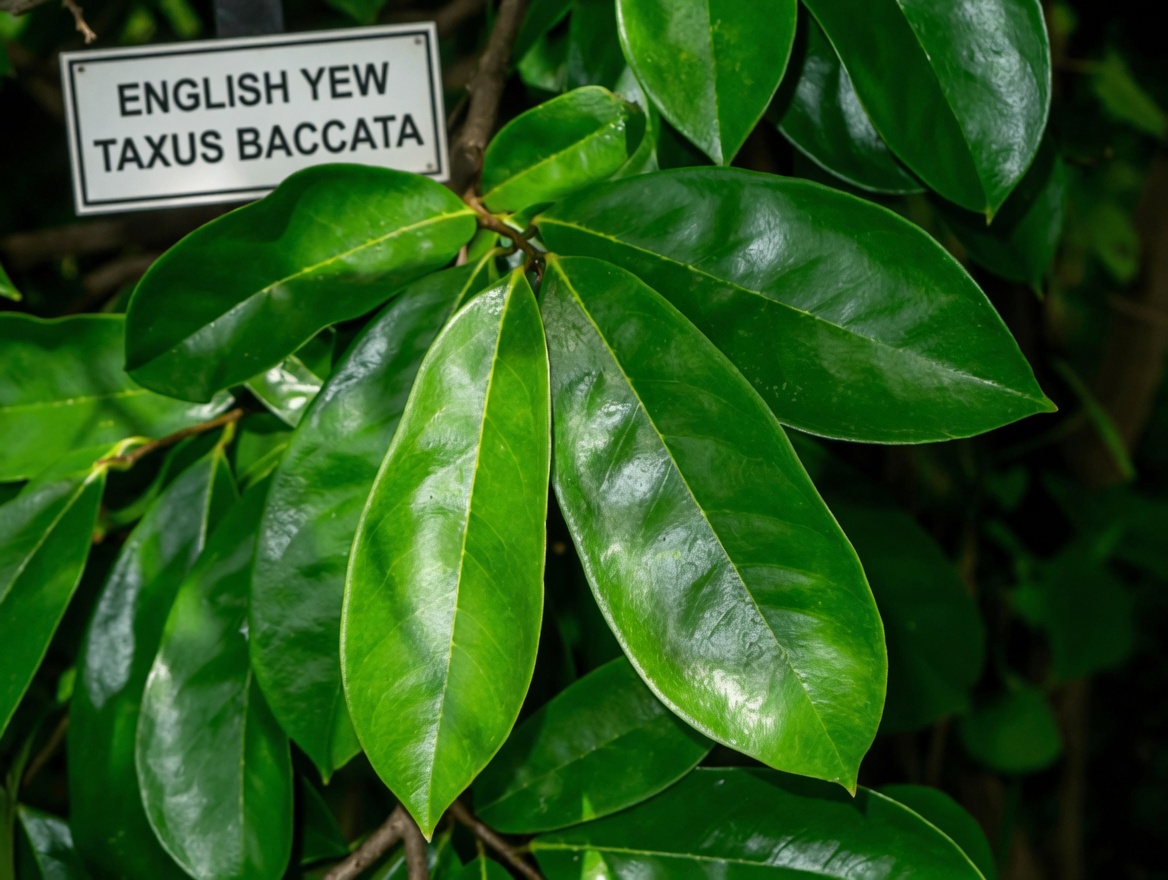
Potential Graviola Leaf Benefits (Based on Traditional Use and Early Research)
Research on graviola leaves focuses on their bioactive compounds. Here are the most commonly discussed wellness areas where graviola leaves may offer support:
-
Antioxidant Support
Graviola leaves contain antioxidant compounds that may help counter free radicals, which are associated with everyday oxidative stress and aging processes. -
Mild Anti-Inflammatory Support
Some early findings suggest graviola leaf components may help support the body’s normal inflammatory response, which can be influenced by stress, diet, and lifestyle. -
Immune System Support
Traditional practices often use graviola leaf tea as part of general “defense” routines. Preliminary studies suggest certain plant compounds may influence immune-related markers, but evidence in humans remains limited. -
Digestive Comfort
Many people use herbal teas for occasional digestive issues. Graviola leaf tea is sometimes used for bloating, cramps, or indigestion, based largely on traditional use and personal experience.
Important: These points relate to general wellness support, not disease treatment. There is no reliable clinical proof that graviola leaves cure or replace standard care for conditions such as cancer, diabetes, or chronic disease.
What Science Says—And What It Still Can’t Confirm
Laboratory research has explored graviola leaf acetogenins and noted effects on cellular processes in vitro. While this is scientifically interesting, it does not confirm therapeutic benefits in humans.
Key reality checks:
- Human clinical trials are limited
- Dosage and long-term safety are not fully established
- Graviola should not replace evidence-based medical treatment
Much of the confusion comes from viral content that blends real lab findings with exaggerated conclusions. The most accurate takeaway is this: graviola leaves may contain promising compounds for everyday wellness, but they work best as a complement to proven health habits—not as a standalone solution.
Graviola Leaves vs. Other Popular Herbal Leaves
To put soursop leaves in context, here’s how they compare to other widely used options:
-
Graviola (Soursop) Leaves
Known for unique acetogenins and traditional tea use; commonly associated with antioxidant and mild comfort support. -
Moringa Leaves
Valued for their vitamins, minerals, and broad antioxidant profile; frequently discussed for nutritional support. -
Green Tea Leaves
Rich in catechins; supported by substantial human research for antioxidant, anti-inflammatory, and metabolic health benefits.
All can fit into a healthy lifestyle—none are “miracle cures.”
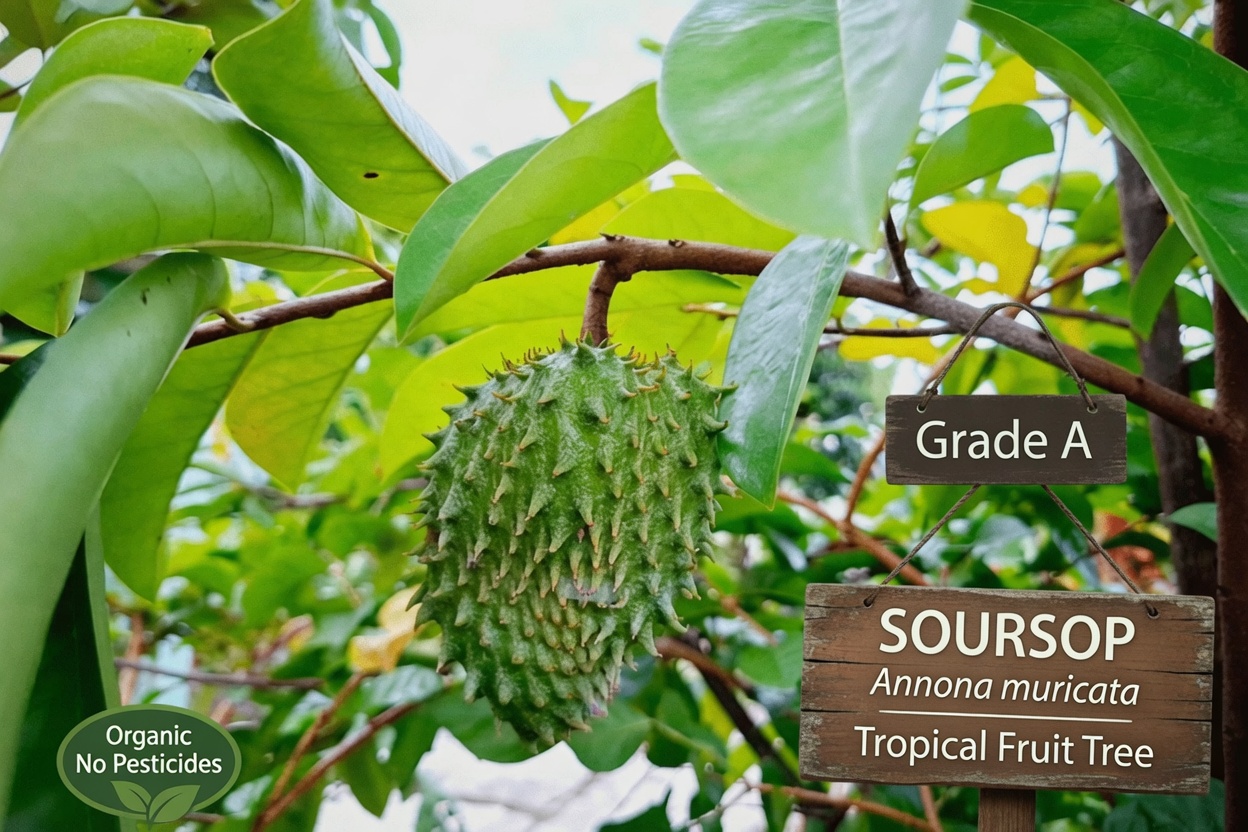
How to Use Graviola Leaves Safely (Practical At-Home Tips)
If you want to try graviola leaf tea as part of a wellness routine, aim for a cautious, consistent approach:
-
Choose high-quality leaves
Look for organic, pesticide-free dried graviola leaves from reputable suppliers to minimize contamination risk. -
Brew a simple tea
- Use 1–2 teaspoons of dried leaves per cup
- Pour hot water that’s not boiling
- Steep for 5–10 minutes
- Start with 1 cup per day
-
Pay attention to your body
Track changes in digestion, comfort, or energy over 1–2 weeks. -
Support the basics first
Herbal tea works best alongside fundamentals: nutrient-dense meals, hydration, regular movement, and quality sleep. -
Check with a healthcare professional
This is especially important if you:- Take prescription medications
- Have a chronic condition
- Are pregnant or breastfeeding
Small, consistent habits usually deliver more long-term value than chasing dramatic overnight changes.
Why Natural Leaf Remedies Feel So Appealing
When daily life includes stress, poor sleep, and overly processed food, turning to nature can feel like reclaiming control. Graviola’s tropical heritage and long-standing traditional use add to its appeal.
Used responsibly, drinking herbal tea can also be a simple self-care ritual—supporting mindfulness and routine. The key is maintaining balance: natural options can complement your health plan, but they shouldn’t replace medical care.
Conclusion: Use Graviola Leaves Wisely for Everyday Wellness
Graviola leaves (soursop leaves) are linked to antioxidant and supportive properties through tradition and early scientific exploration. They are not a miracle cure, but they may serve as a gentle addition to a wellness-focused lifestyle when used thoughtfully.
Stay grounded in evidence-based habits, listen to your body, and rely on qualified medical guidance for any health concerns. Informed choices help you avoid hype—and build a wellness routine that actually supports you.
FAQ
What is the best way to consume graviola leaves for wellness support?
The most common approach is graviola leaf tea. Many people begin with one cup daily, using quality dried leaves. For personal safety, consult a healthcare professional—especially if you have medical conditions or take medications.
Are there risks to using graviola leaves?
Potentially, yes. Like many herbs, graviola leaves may cause side effects for some people or interact with medications. Avoid excessive intake, and don’t rely on them for serious health concerns.
Can graviola leaves replace medical treatment?
No. Graviola leaves may offer general wellness support, but they are not proven substitutes for prescribed treatments or professional medical care.
Disclaimer: This article is for informational purposes only and does not provide medical advice. Always consult a qualified healthcare professional before starting any herbal regimen, especially if you have existing conditions, take medications, or are pregnant or breastfeeding. Results vary by individual, and no plant or supplement is guaranteed to prevent, treat, or cure any disease.