A Comforting Post-Meal Tea for Steadier Energy (Pine Leaves, Turmeric, and Cinnamon)
After a satisfying meal, it’s common to feel a familiar heaviness—an afternoon slump, a soft energy drop, or even a noticeable glucose jump if you track it. Over time, those ups and downs can become more concerning, especially when stress, diet, sleep, and a busy routine all collide.
While no beverage can replace medical care, prescribed treatment, or professional guidance, certain herbal combinations may offer gentle, everyday support when paired with healthy habits. One simple option is a warming infusion made with pine leaves (pine needles), turmeric, and cinnamon—a comforting ritual that many people find easy to maintain.
Stay with this guide to learn how the ingredients may help, how to brew it safely, and one small brewing trick that can noticeably improve the flavor and experience.

Why Blood Sugar Balance Becomes More Important Over Time
Keeping blood sugar steadier can help support:
- More consistent energy (fewer spikes and crashes)
- Cardiometabolic health, including healthier long-term glucose patterns
- Better day-to-day focus and mood, especially during stressful periods
As we age—or when lifestyle factors shift—our bodies may become less efficient at processing glucose. Diet quality, physical activity, sleep, hydration, and stress hormones all influence how stable your blood sugar feels throughout the day.
Herbal tea won’t “fix” blood sugar on its own, but it can complement a balanced routine by providing polyphenols, antioxidants, and anti-inflammatory compounds—especially when the ingredients are chosen thoughtfully.
What Each Ingredient Brings to the Blend
Pine Leaves (Pine Needles)
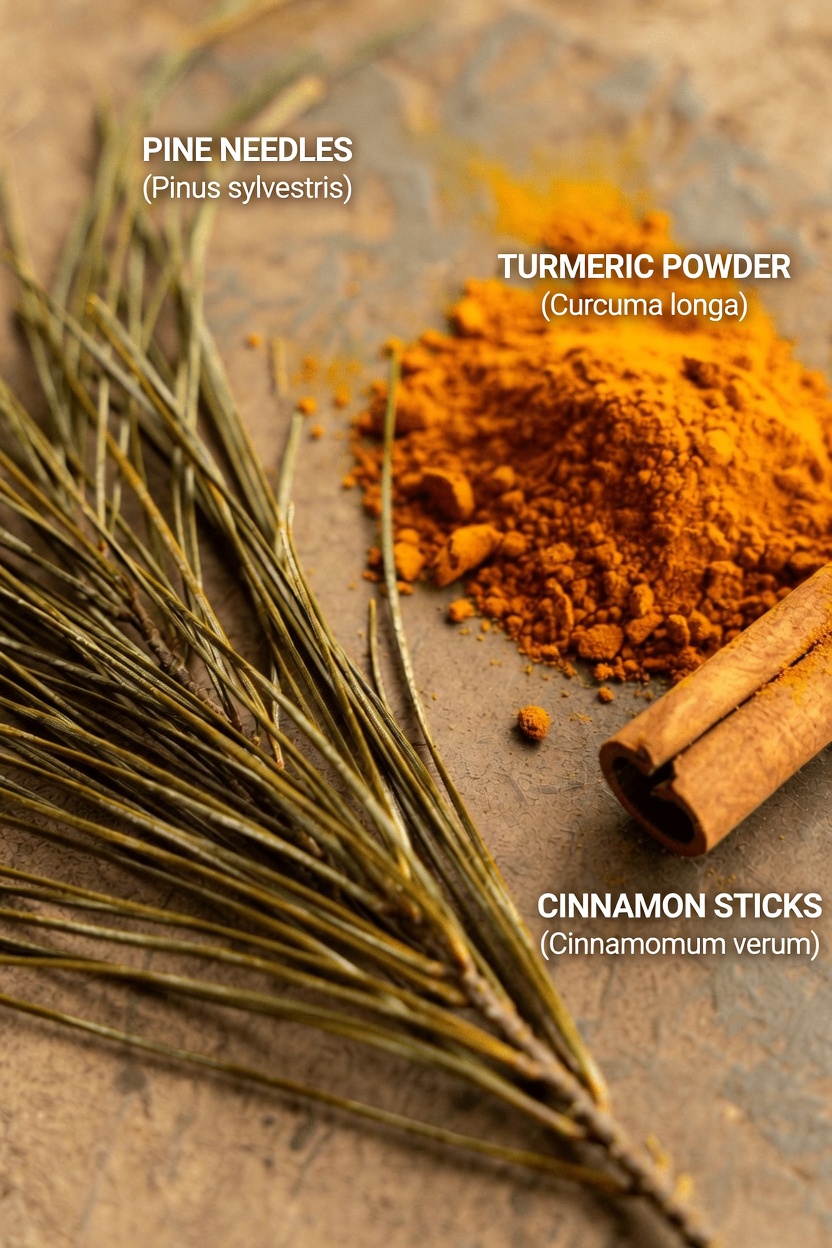
When sourced correctly from edible pine species (for example, Eastern white pine or Pinus densiflora), pine needles provide:
- Vitamin C and other antioxidants
- Plant compounds such as proanthocyanidins
- A clean, forest-like aroma that makes the tea feel refreshing rather than medicinal
Some laboratory and animal research suggests that pine needle extracts may support glucose regulation and lipid balance, along with general cellular protection. Traditional wellness systems have used pine needles for centuries, though human research is still developing.
Turmeric
Turmeric’s standout compound, curcumin, has been studied for its potential to:
- Support healthier inflammatory responses
- Improve insulin sensitivity in certain contexts
- Contribute to overall metabolic support
It also gives the tea a rich golden color and a gentle earthy warmth. Curcumin is commonly paired with black pepper to improve absorption (more on that later).
Cinnamon
Cinnamon is one of the most discussed spices for glucose support. Research suggests it may help:
- Slow the breakdown and absorption of carbohydrates
- Support a healthier insulin response
- Modestly improve fasting glucose markers in some studies
Beyond the science, cinnamon makes the blend naturally satisfying—often reducing the urge to sweeten your drink.
10 Ways This Tea May Support Healthier Blood Sugar Patterns
When used consistently, this blend may offer gradual, supportive benefits:
-
Antioxidant support
Pine needles and turmeric contain antioxidants that may help reduce oxidative stress involved in metabolic strain. -
Gentle anti-inflammatory action
Chronic low-grade inflammation is linked to insulin resistance; curcumin and pine compounds may help calm that background burden. -
Insulin sensitivity support
Cinnamon and curcumin are both studied for their potential to improve how cells respond to insulin. -
Post-meal spike moderation
Cinnamon may slow carbohydrate processing, potentially smoothing the after-meal curve when taken around eating times. -
Broader metabolic support
Early studies on pine needle extracts suggest possible benefits for lipid and glucose handling together. -
A smarter warm drink replacement
The spice-forward flavor can reduce reliance on sugary coffees, desserts, or sweetened beverages. -
Digestive comfort
Turmeric and cinnamon are traditionally used to support digestion, which can indirectly support better overall dietary consistency. -
A steadier “energy feel”
Fewer sharp swings often translate to a more even sense of vitality throughout the day. -
A habit that’s easy to repeat
A pleasant daily ritual is more likely to stick than complicated routines. -
Balanced, multi-ingredient synergy
Instead of relying on one herb, this blend combines three complementary sources of plant compounds.
These effects are typically subtle and cumulative, not immediate. If you choose to try it, consistency matters more than intensity.
Pine Leaves, Turmeric & Cinnamon Tea (Simple Recipe)
This recipe is designed for everyday practicality—warm, aromatic, and straightforward.
Ingredients
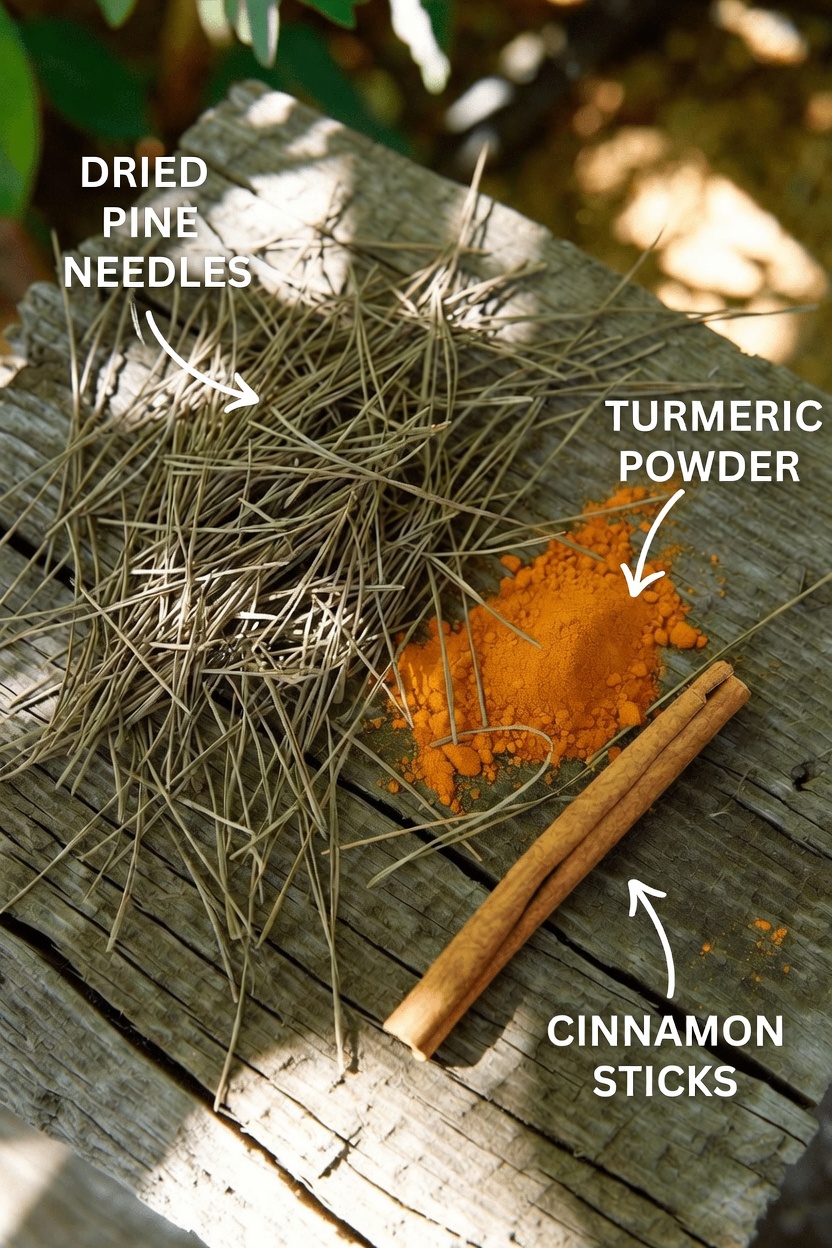
- Fresh pine needles: 1 small handful (only from a verified edible species, washed thoroughly)
or dried pine needles: 1–2 tsp - Turmeric: 1/2 tsp ground
or a small piece of fresh turmeric, grated - Cinnamon: 1 small stick
or 1/2 tsp ground cinnamon - Water: 1 to 1 1/2 cups
- Optional:
- A pinch of black pepper (supports curcumin absorption)
- Lemon squeeze
- A small touch of honey (use sparingly if you’re watching glucose)
Steps
- Rinse pine needles thoroughly to remove debris.
- Add water, pine needles, turmeric, and cinnamon to a small pot.
- Bring to a light boil, then reduce heat and simmer 10–15 minutes.
- Turn off heat, cover, and steep another 5–10 minutes.
- Strain into a mug.
- Add optional black pepper, lemon, or a minimal amount of honey.
- Sip warm—many people prefer one cup daily, often afternoon or evening.
Time needed: about 20 minutes. You can also make a slightly larger batch and refrigerate it for up to 24 hours for convenience.
Quick Comparison: How This Blend Compares to Other Supportive Drinks
| Drink | Primary Support Pathway | Evidence Strength (Overall) | Flavor & Warmth | Ease & Cost |
|---|---|---|---|---|
| Pine + Turmeric + Cinnamon | Antioxidants + inflammation + insulin sensitivity | Emerging overall; stronger for turmeric/cinnamon | Strong, spiced, aromatic | High / Low |
| Cinnamon tea | Carb breakdown and glucose response | Moderate to good | Warm and sweet-leaning | Very high / Low |
| Green tea | Catechins and metabolic support | Strong | Light, slightly bitter | Very high / Low |
| Ginger tea | Anti-inflammatory support | Good | Bold and warming | High / Low |
| Hibiscus tea | Potential fasting glucose support | Emerging | Tart and bright | High / Low |
This pine–turmeric–cinnamon blend stands out because it offers multiple supportive angles in one cup. Still, the best option is the one you enjoy enough to drink consistently.
Safe, Practical Guidelines (Read Before You Brew)
- Use only verified edible pine species (for example, Eastern white pine).
Avoid lookalikes and toxic plants such as yew, and do not assume all pines are safe. - Start with 1 cup per day and notice how your body responds.
- If using turmeric regularly, consider a pinch of black pepper to support curcumin uptake.
- Aim for daily use or 5–6 days per week for routine consistency.
- If you are pregnant, managing a medical condition, or taking medications (especially diabetes medications or blood thinners), consult a clinician first.
- Fresh is best: spices and plant materials lose potency over time—prepare fresh daily when possible.
One Gentle Step You Can Take Today (Plus a Brewing Tip)
If post-meal sluggishness is disrupting your day, consider making this tea your small, repeatable reset: a warm cup after lunch or dinner that supports hydration, reduces the urge for sugary drinks, and reinforces steadier habits.
Surprising tip: before simmering, lightly bruise or snip the pine needles (with clean scissors or by rolling them between your fingers). This helps release their aromatic oils, creating a smoother, more fragrant infusion—often making the tea more enjoyable without any added sweetener.