
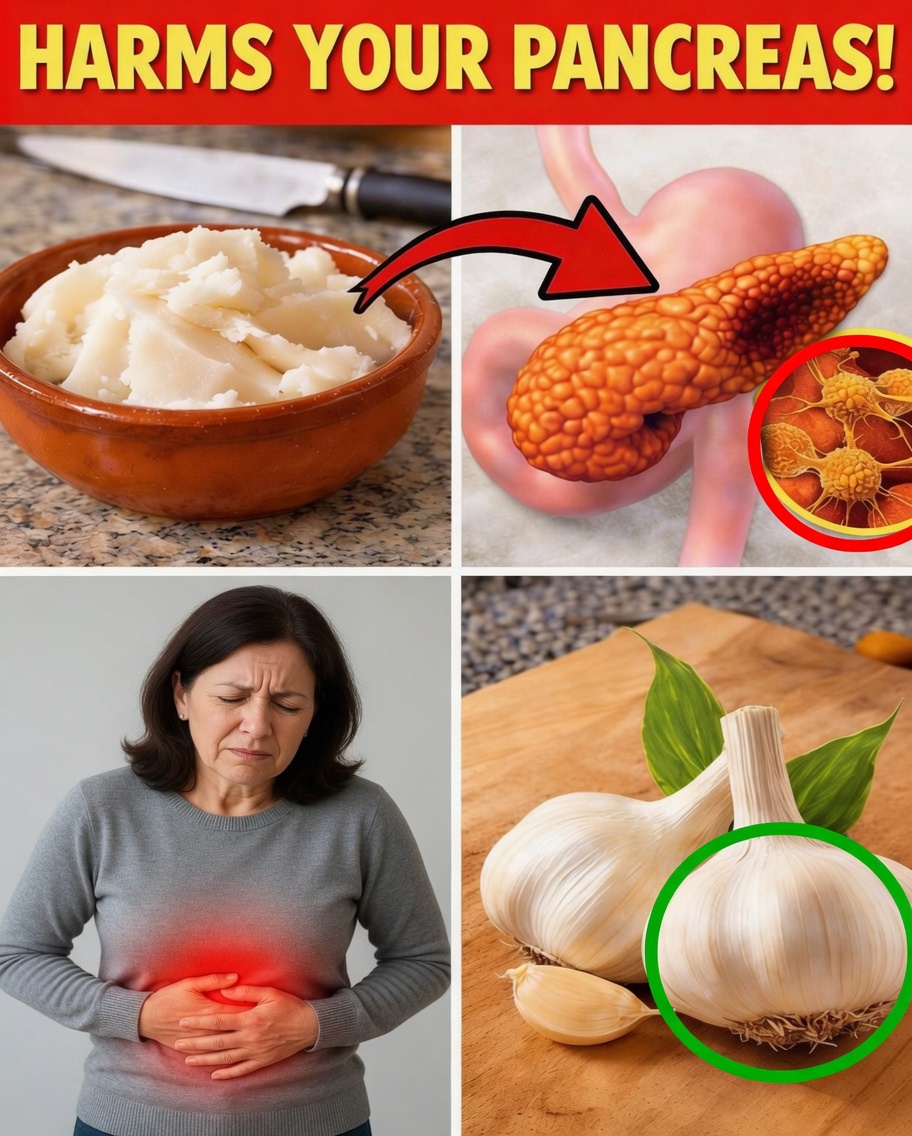
Ever notice a stubborn ache or heaviness in your upper abdomen after eating, and wonder whether everyday food choices are quietly taking a toll on your body? Your pancreas rarely gets attention, yet it plays a central role in digestion and blood-sugar control. Over time, certain eating patterns may place extra demand on this organ, contributing to chronic inflammation and broader health concerns. Scientific research also links lifestyle habits—including diet—to risk profiles associated with pancreatic cancer, even though no single food “causes” the disease on its own.
Stay with this guide through the end for a key takeaway that connects the entire list in an unexpected way.
Why the Pancreas Matters—and How Food Choices Affect It
The pancreas sits behind the stomach and performs two essential jobs:
- Digestive support: It releases enzymes that break down fats, proteins, and carbohydrates.
- Blood-sugar regulation: It produces hormones such as insulin, which helps move glucose from the bloodstream into cells.
When dietary habits repeatedly drive high blood sugar, heavy fat loads, or ongoing inflammation, the pancreas may have to work harder. Over many years, this strain can intersect with other risk drivers such as excess body weight and smoking, both frequently cited in public-health research as factors that can worsen overall risk patterns.
Pancreatic cancer is also known for being difficult to detect early. For that reason, researchers often focus on long-term dietary patterns—what people eat consistently—rather than blaming isolated foods.
The 10 Foods Most Often Linked to Pancreas Stress (From Least to Most Concerning)
Below is a research-informed countdown of food groups that appear repeatedly in studies discussing pancreatic inflammation, metabolic strain, or higher-risk dietary patterns.
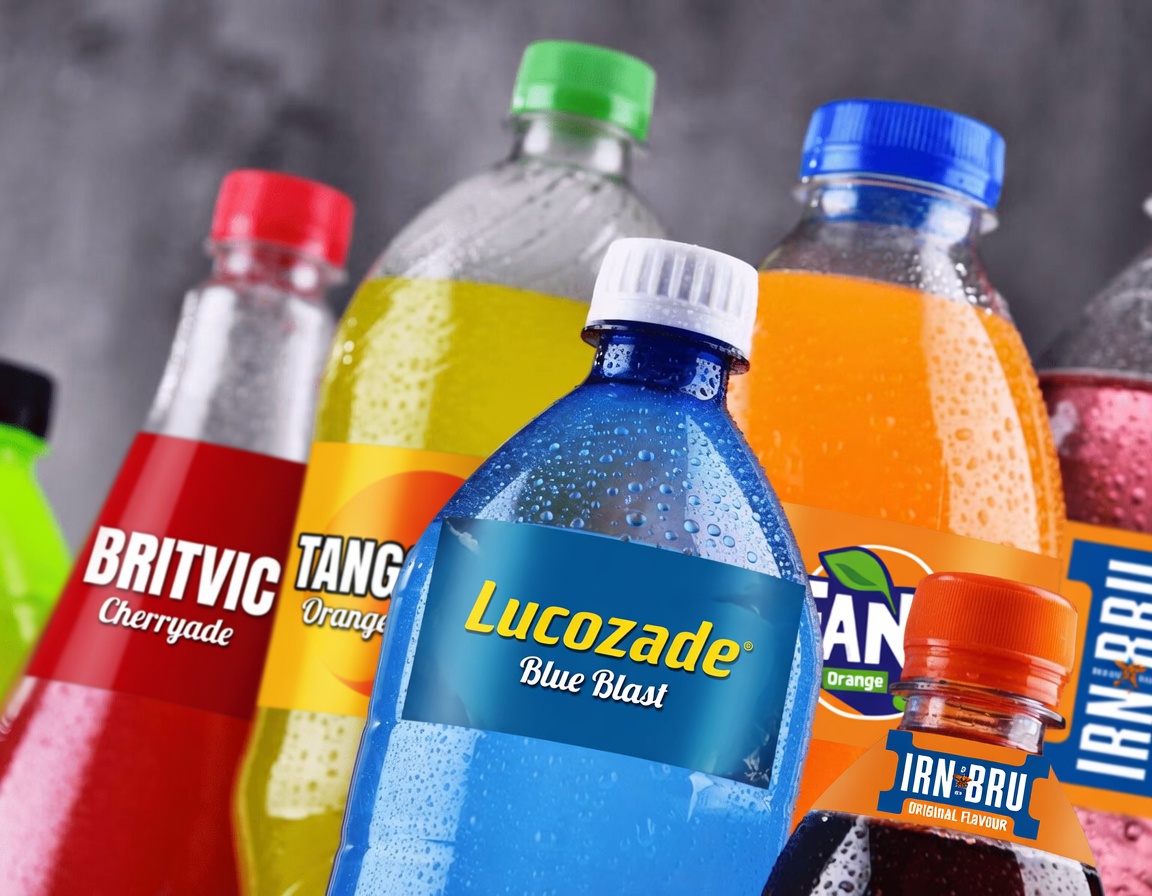
10. Sugar-Sweetened Drinks and Added Sugars
A sweetened coffee, soda, energy drink, or “juice drink” with added sugar can feel harmless in the moment. However, observational and cohort research often associates frequent intake of sugar-sweetened beverages with patterns connected to higher pancreatic cancer risk.
Why they may matter:
- They can trigger rapid blood-sugar spikes, increasing insulin demand.
- Repeated glucose surges may contribute to metabolic stress and inflammation over time.
That afternoon crash after a sugary pick-me-up isn’t just inconvenience—it can reflect how hard the body is working to rebalance blood sugar.
9. Fried and Greasy Foods
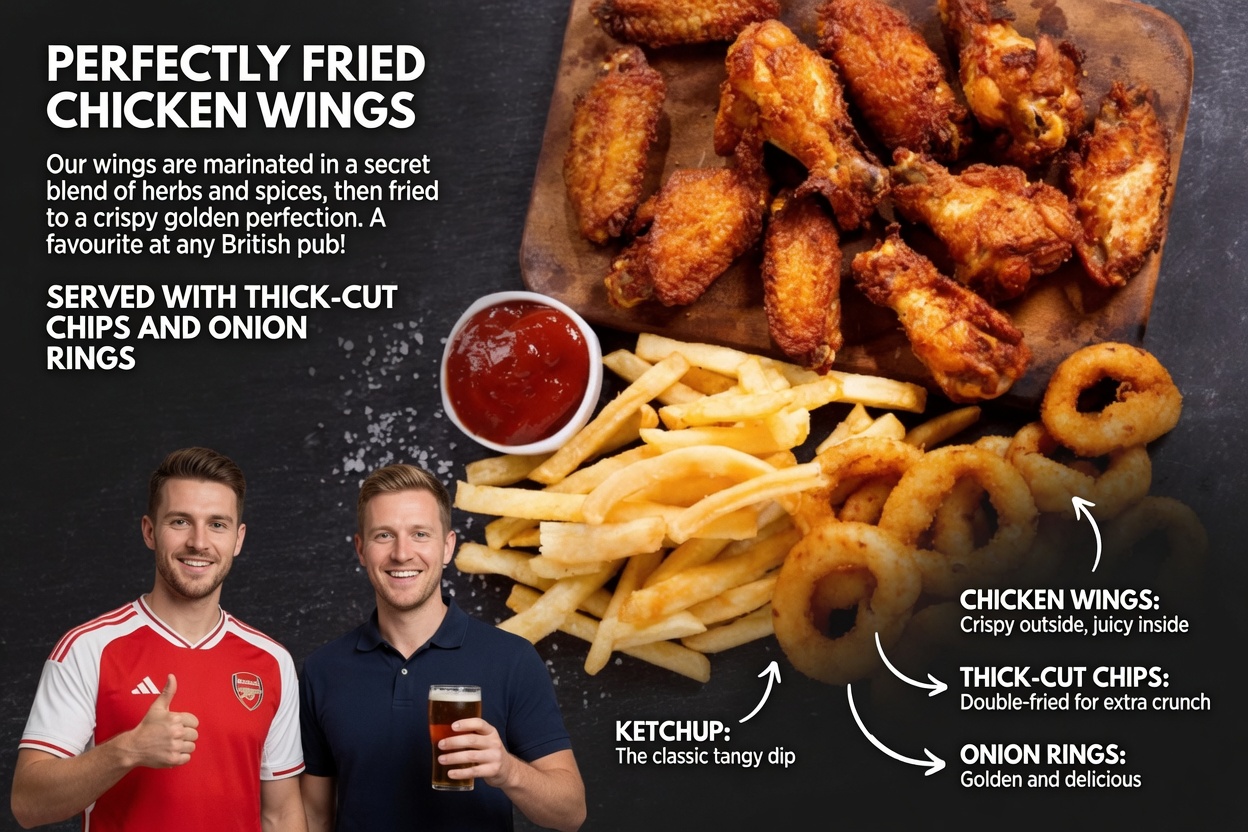
French fries, fried chicken, and many fast-food sides are typically high in saturated fat, and sometimes trans fats, depending on preparation. Diets heavy in fried foods are commonly discussed in relation to oxidative stress and inflammatory processes.
Common concerns include:
- Cooking in reused oils, which can create undesirable byproducts when repeatedly heated
- High levels of calorie-dense fats that burden digestion
- Frequent pairing with sugary drinks or salty sides, intensifying the overall dietary load
Feeling unusually bloated or “heavy” after fried meals can be a subtle sign your digestive system is under pressure.
8. Processed Meats (Bacon, Sausage, Hot Dogs, Deli Meats)
Processed meats—cured, salted, smoked, or preserved—are consistently featured in cancer-prevention discussions. They may contain nitrates/nitrites, and some processing methods can contribute to compounds researchers monitor in risk assessments.
Why moderation is often advised:
- Preservatives and processing-related compounds are repeatedly examined in meta-analyses
- Higher intake levels show up more often in observational studies associated with elevated risk patterns
If processed meat is a daily habit (breakfast, lunch sandwiches, pizza toppings), the cumulative effect matters more than any single serving.
7. Red Meat (Beef, Pork, Lamb)
Red meat is widely consumed, but frequent intake appears in dose-response research as being associated with modestly higher risk profiles in some populations.
Potential reasons discussed in research include:
- Saturated fat content
- Heme iron, which may influence oxidative processes
- Compounds formed during high-heat cooking (grilling, charring, pan-searing)
If weekly grilling is routine, the combination of portion size, frequency, and cooking method can be more important than an occasional steak.
6. High-Fat Dairy and Full-Fat Products
Cheese, butter, cream, and whole milk can be part of a balanced diet, but they also increase saturated fat intake, which some dietary patterns link to metabolic strain and inflammation.
Why it can be a “hidden” contributor:
- High-fat dairy sneaks into meals through sauces, coffee drinks, snacks, and baked goods
- Saturated fat-heavy diets may overlap with patterns associated with insulin resistance and chronic inflammation
Evidence varies across studies, but many health organizations still recommend moderating saturated fat as a practical preventive step.
Quick Comparison: Food Categories and Why They’re Often Flagged
- Processed meats: nitrates/nitrites, heavy salting, smoking/curing processes
- Red meat: heme iron, saturated fats, high-heat cooking byproducts
- Sugary drinks: added sugars, rapid glucose/insulin spikes
- Fried foods: trans/saturated fats, oxidized oils, high calorie density
- High-fat dairy: saturated fats contributing to inflammatory dietary patterns
These categories often overlap in real life—think fast-food meals, convenience snacks, and highly packaged diets—making the combined pattern more significant than any single item.
5. Heavy Alcohol Use
Alcohol is a well-established factor in pancreas-related disease discussions, particularly because it is linked to chronic pancreatitis, which can precede more serious long-term concerns.
Research commonly highlights that risk patterns rise notably when consumption becomes frequent and high, especially around three or more drinks per day. Even without smoking, heavy drinking can still contribute to pancreatic stress.
4. Ultra-Processed Foods High in Sugar and Fat
Packaged cookies, chips, donuts, and many ready-to-eat convenience foods combine:
- refined carbohydrates
- added sugars
- industrial fats
- high salt
- low fiber and low micronutrient density
Large population studies examining “Western-style” dietary patterns often associate heavy reliance on these foods with higher risk profiles, partly through their impact on weight gain and metabolic disruption. Because excess body weight is commonly cited as a major risk amplifier, ultra-processed foods can indirectly worsen multiple pathways at once.
3. High-Sugar Desserts and Sweets
Cakes, candy, pastries, and ice cream are not just “extra calories”—they can drive repeated cycles of blood sugar spikes followed by increased insulin demand. Several cohort studies link high-sugar dietary patterns to metabolic stress markers that may burden pancreatic function over time.
If dessert becomes a daily default rather than an occasional treat, the frequency is what changes the long-term picture.
2. Salted, Pickled, and Smoked Foods
This category goes beyond processed meats. Many preserved foods are high in sodium, and smoking/preservation methods are often studied for the compounds they can introduce.
Potential issues include:
- Very high salt intake, which often correlates with broader processed-food dietary patterns
- Smoked or heavily preserved items that may contain chemical byproducts researchers track in cancer-risk research
This doesn’t mean all pickled foods are “bad,” but heavy reliance on salty preserved options can signal an overall diet pattern that is not pancreas-friendly.
1. The Most Concerning Pattern: A Diet That Keeps the Pancreas in “Overtime”
The strongest message from the research isn’t that one specific food is uniquely dangerous—it’s that the most concerning scenario is a consistent pattern that repeatedly forces the pancreas to manage:
- high sugar loads (constant insulin demand)
- high fat loads (digestive enzyme demand)
- chronic inflammation (system-wide metabolic stress)
- weight gain, which amplifies multiple risk pathways
In other words, the “number one” risk isn’t a single item—it’s the combination of ultra-processed, high-sugar, high-fat, low-fiber eating patterns, especially when paired with heavy alcohol use, smoking, or long-term weight gain.
The Key Insight That Ties Everything Together
The unexpected connection across this entire list is that these foods often push the body toward the same end result: metabolic strain and chronic low-grade inflammation, which can keep the pancreas working harder than it was designed to—day after day, year after year.
Shifting even a few habits—reducing sugary drinks, limiting ultra-processed snacks, choosing leaner proteins, and prioritizing whole foods with fiber—can reduce that “overtime” load and support both digestive comfort and long-term wellness.