A Simple Glass of Water—And the Hydration Mistakes Most People Miss
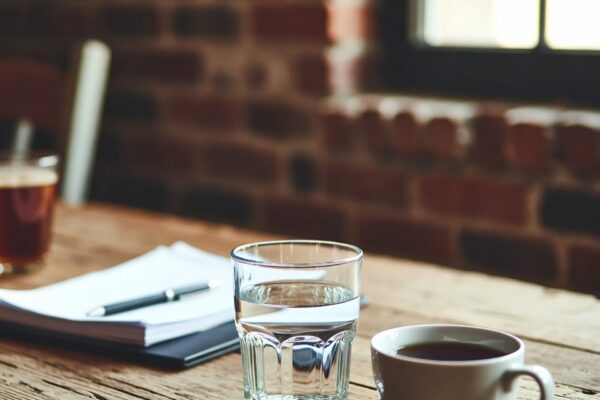
Picture this: you reach for a glass of water at your desk and feel that quick wave of refreshment. Yet even with “good” habits, you might still deal with dry skin, low energy, or that lingering fog that makes the day feel heavier than it should. When a basic routine like drinking water doesn’t seem to help, it’s easy to feel confused.
The encouraging part is that hydration often improves with a few small, practical shifts. One of the most common mistakes is surprisingly easy to fix—and it can change how you feel day to day.

How We Accidentally Work Against Proper Hydration
Water is fundamental to human health and makes up roughly 60% of the body. It supports concentration, digestion, temperature regulation, and many other functions you rely on daily.
According to well-known medical sources such as the Mayo Clinic, even mild dehydration can affect mood and mental performance. The catch is that many people drink water in ways that don’t fully match how the body absorbs and uses it.
These little missteps may seem harmless, but over time, they can add up.
Why These Hydration Habits Can Have a Bigger Impact Than You Think
Consider Diane, a 48-year-old office manager who always kept water nearby. From the outside, her hydration looked “fine.” But she still struggled with headaches and afternoon fatigue.
Her issue wasn’t a lack of water—it was how she drank it. She waited until thirst hit, then tried to catch up.
Research including findings in publications like the Journal of Nutrition suggests that steady, consistent intake can help maintain more stable hydration. When drinking patterns are irregular—long gaps followed by large amounts—hydration can become inconsistent.
Now let’s break down the most frequent mistakes that quietly sabotage water intake.

5 Everyday Hydration Mistakes That May Be Holding You Back
5) Choosing Disposable Plastic Bottles as Your Main Option
Single-use plastic bottles are convenient and easy to find. However, when plastic is exposed to heat (like in a car) or reused repeatedly, there may be concerns about chemical leaching over time.
Organizations such as the FDA provide guidance on safe container use, and many people prefer switching to reusable bottles for everyday habits. Beyond safety considerations, a durable bottle you genuinely like can make drinking water more consistent.
4) Drinking Only Ice-Cold Water
Ice-cold water can feel amazing, especially in warm weather or after movement. Still, some digestive health discussions suggest room-temperature water may be gentler for the body and digestion.
Cold water isn’t “bad,” but relying on it exclusively may not be ideal for everyone. A practical approach: mix temperatures—room temperature most of the time, cold when you want it.
3) Gulping Large Amounts in One Sitting
Many people try to “make up” for missed water by finishing an entire bottle at once. But the body processes fluids at a natural pace—commonly cited as around 8–10 ounces per hour for effective handling.
Drinking huge amounts quickly can be uncomfortable and may interfere with fluid and electrolyte balance for some individuals. Spreading intake out tends to align better with how your system works.
2) Waiting Until You Feel Thirsty
Thirst is useful—but it’s often a sign you’re already slightly dehydrated. Research discussed in sources like the European Journal of Clinical Nutrition links mild dehydration to potential dips in energy and performance.
If you regularly wait for thirst, you may be constantly playing catch-up. A better strategy is proactive sipping, especially during busy workdays, travel, or hot weather.
1) Not Distributing Water Intake Across the Day
This is the most widespread issue: drinking a big glass in the morning, then forgetting until late afternoon or evening. Your body benefits more from a steady supply rather than long dry stretches.
Studies including those in journals such as the American Journal of Physiology often support the idea that consistent intake helps maintain hydration more effectively than irregular bursts.
Small cues—like a reminder or a bottle you enjoy using—can make steady hydration effortless.

Real-Life Habit Changes: Two Simple Examples
Real routines are messy, so it helps to see how people make hydration realistic.
- Diane realized she was drinking “enough,” but in an uneven pattern. After setting timed reminders and switching to a reusable glass bottle, she noticed better focus and fewer sluggish afternoons.
- Alex, a 55-year-old dad, used to chug water after workouts and often felt bloated. Once he switched to steady sipping and used phone alerts, he felt more consistently energized over the following months.
Results vary depending on climate, activity level, and overall health—but these stories show how small adjustments can fit into everyday life.
Hydration Options Compared: Bottled Water vs. Better Alternatives
Choosing the right water source and container can shape your habits more than you might expect.
-
Plastic Bottles
- Pros: Portable, widely available
- Concerns: Potential chemical leaching if heated or reused frequently
- Best for: Short-term use, travel, occasional convenience
-
Reusable Glass or Stainless Steel
- Pros: Durable, widely considered safer materials, eco-friendly
- Concerns: Can be heavier to carry
- Best for: Daily hydration at home, work, or the gym
-
Filtered Tap Water
- Pros: Affordable and convenient
- Concerns: Water quality varies by location
- Best for: Home routines with a reliable filter
-
Fruit-Infused Water
- Pros: Adds natural flavor and encourages more drinking
- Concerns: Requires a little prep
- Best for: People who want variety without added sugar
For long-term consistency, reusable bottles often become the easiest “set it and forget it” upgrade.
A Practical Guide to Better Hydration (Without Overthinking It)
Try these simple, high-impact improvements:
- Pick a smarter container: Choose glass or stainless steel to reduce exposure concerns and build a dependable routine.
- Use mixed temperatures: Drink mostly room-temperature water, adding cold water when you prefer it.
- Sip instead of chugging: Aim for roughly 8 ounces per hour (adjust for your lifestyle).
- Drink before thirst: Use a phone, watch, or calendar reminder to stay ahead of dehydration.
- Evenly pace your intake: Start in the morning and continue steadily through the day.
- Use a quick hydration check: Urine that’s pale yellow is often a reasonable sign of good hydration for many people.
Many general guidelines suggest 8–10 cups per day as a starting point, but needs vary by body size, diet, medications, activity, and environment.
Start Hydrating Smarter This Week
These five patterns—depending on plastic bottles, only drinking ice-cold water, chugging, waiting for thirst, and uneven timing—can quietly limit the benefits you expect from drinking water.
The best part: you don’t need a complete lifestyle overhaul. Choose just one change to start, like setting two reminders a day or switching to a reusable bottle.
P.S. Add lemon slices to room-temperature water for a clean, refreshing twist.
Frequently Asked Questions (FAQ)
How much water should I drink every day?
It depends on your age, activity level, diet, and climate. For many people, 8–10 cups per day is a common starting point, then adjust based on thirst, activity, and urine color.
Is it better to drink water before or after meals?
Both can work. Sipping before meals may support digestion for some people, and drinking during or after meals helps you meet daily intake. Consistency matters more than perfect timing.
Does flavored water count toward daily hydration?
Yes—especially if it’s naturally flavored (like fruit-infused water) and not packed with sugar or additives that could reduce overall health benefits.
Disclaimer: This article is for informational purposes only and is not a substitute for professional medical advice.