
Garlic for Everyday Comfort and Wellness: Benefits, Uses, and Safety
Daily life can come with small but annoying challenges—minor aches, occasional stiffness, or that “low-energy” feeling that makes routine tasks feel heavier than they should. Over time, these issues can chip away at your comfort and motivation. One simple, widely available food—garlic—has been valued for centuries as a natural way to support overall well-being when used as part of a healthy lifestyle.
This guide breaks down why garlic (Allium sativum) is so unique, how it may support the body’s natural balance, and the most practical ways to use it safely. You’ll also learn traditional preparation methods that help preserve garlic’s most talked-about natural compounds.
What Makes Garlic Unique?
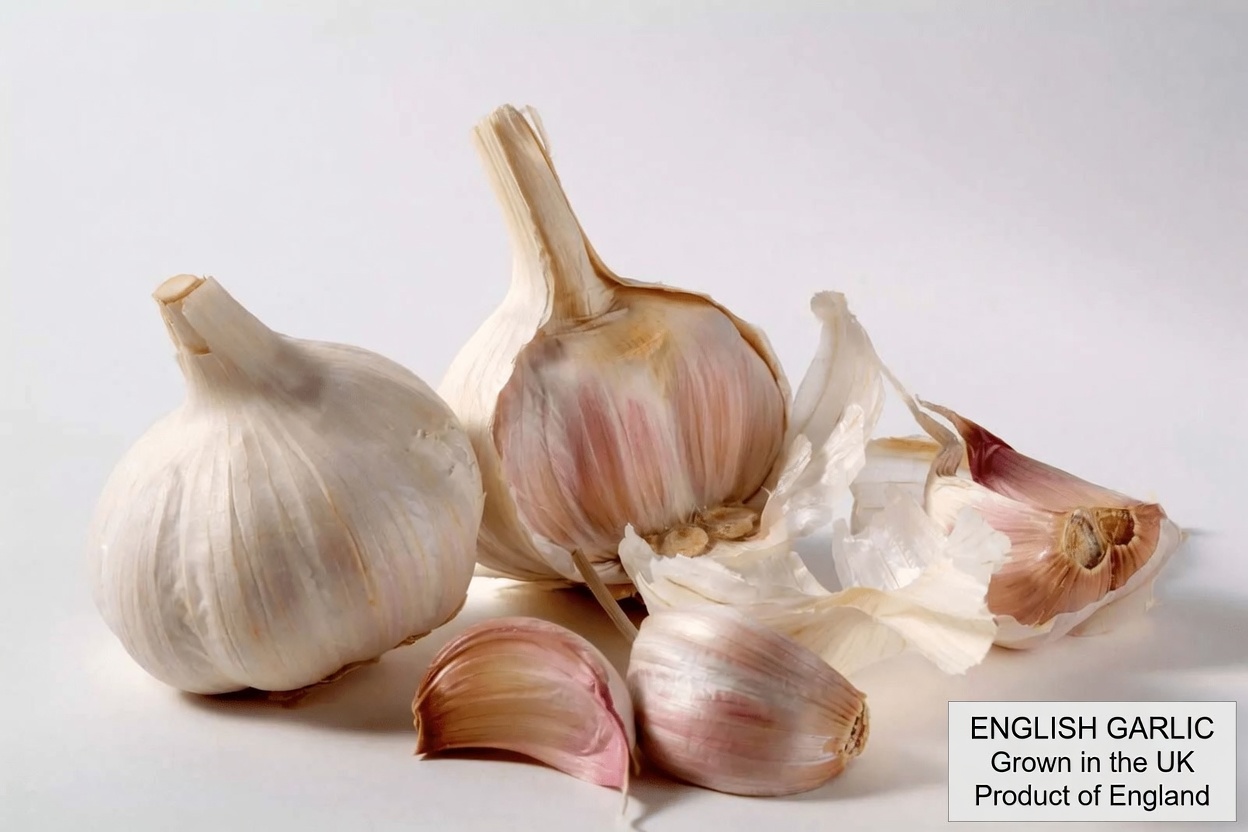
Garlic is far more than a flavor booster. When fresh garlic is crushed, chopped, or minced, enzymes trigger a chemical process that produces sulfur-based compounds—most notably allicin, which is largely responsible for garlic’s signature aroma and many of its wellness associations.
These naturally occurring compounds are linked to garlic’s ability to support:
- The body’s natural inflammatory response
- Antioxidant defenses against everyday oxidative stress
- Gentle antimicrobial activity
- Healthy circulation and cardiovascular function
Because allicin forms quickly after cutting, how you prepare garlic—and when you use it—can influence its potential benefits. Research (including human-study reviews) suggests garlic may contribute to overall wellness, though outcomes vary depending on the individual and the form of garlic used.
How Garlic May Support Minor Discomfort
Many people experience occasional discomfort related to everyday inflammation—such as mild joint stiffness, post-exercise muscle tension, or general soreness after physical activity. Garlic’s sulfur compounds may help by gently influencing inflammatory pathways involved in these sensations.
Potential supportive roles include:
- Encouraging joint and muscle comfort within a balanced routine
- Aiding recovery after exertion
- Promoting an overall sense of physical ease
Garlic is best viewed as a supportive tool, not a replacement for professional evaluation—especially if discomfort is persistent, severe, or worsening. In addition, garlic’s circulation-supporting reputation may also contribute to how some people experience improved comfort over time.
Garlic and Immune System Support
Your immune system constantly responds to environmental stressors. Garlic has a long-standing reputation for immune support, largely because its compounds may help support certain immune cell activities.
Some studies—particularly those examining aged garlic extract—suggest regular use may help reduce the frequency or intensity of common seasonal concerns (such as colds) for some individuals. This is one reason garlic is often used during times when people want extra daily immune support.
Heart Health and Circulation Benefits
Cardiovascular wellness is a major priority for many adults. Findings from multiple meta-analyses of randomized trials indicate garlic may help support:
- Blood pressure already within a healthy range
- Balanced cholesterol and lipid markers
- Healthy circulation
Several reviews report modest improvements in blood pressure and cholesterol-related markers with consistent intake—especially among people starting with mild elevations. Like most nutrition strategies, garlic tends to work best when combined with a heart-healthy lifestyle that includes movement, nutrient-dense food choices, and stress management.
Antioxidants and Protection Against Daily Oxidative Stress
Oxidative stress is a normal part of life, but long-term imbalance can affect cells and tissues over time. Garlic contains antioxidant compounds (including allicin-related compounds) that can help neutralize free radicals.
This type of cellular support may contribute to feeling more resilient and energized as part of a consistent wellness routine.
Gut Health and the Microbiome Connection
A healthy gut microbiome influences digestion, nutrient absorption, and even mood. Garlic can act like a prebiotic food in certain ways—helping nourish beneficial bacteria in the digestive system.
Supporting gut balance can indirectly improve overall comfort and wellness, especially when garlic is part of a varied, fiber-rich diet.

Best Ways to Use Garlic for Wellness
Below are easy, realistic ways to add garlic to your routine—starting with options that may preserve more of its active compounds.
1) Raw Garlic (Most Allicin Potential)
Raw garlic can deliver the strongest allicin-forming potential, but it’s also the most intense.
- Crush or finely chop 1–2 cloves
- Let it rest for about 10 minutes before eating (to support allicin formation)
Simple ways to use it:
- Mix into salad dressing
- Stir into yogurt or honey
- Spread lightly on whole-grain toast
If you’re new to raw garlic, start with a small amount to gauge tolerance.
2) Lightly Cooked Garlic
Gentle cooking can reduce the sharpness while still retaining supportive compounds.
Best uses:
- Low-heat sautéing
- Roasting at moderate temperatures
- Adding to soups, stir-fries, and roasted vegetables
3) Traditional Garlic-and-Honey Blend
This classic preparation is popular because many people find it easier on the stomach than raw garlic alone.
Steps:
- Crush 5–6 cloves
- Add to a clean jar with raw honey
- Let it sit for a few days
- Take 1 teaspoon daily (dilute in warm water if preferred)
4) Garlic Supplements (Convenient Alternative)
If you prefer a standardized, taste-free option, supplements such as aged garlic extract are commonly used. Choose reputable brands and speak with a healthcare professional before starting—especially if you take medications.
Raw vs. Cooked vs. Supplements: Quick Comparison
- Raw garlic: Highest allicin potential; strongest taste and odor
- Cooked garlic: Milder and often easier to tolerate; still supportive
- Supplements: Convenient, odor-reduced, consistent dosing
Your best choice depends on your lifestyle, digestion, and preference.
Can Garlic Help Support Joint Comfort Naturally?
For occasional stiffness, garlic may be most helpful when paired with proven lifestyle foundations, such as:
- Gentle movement (walking, mobility work, stretching)
- A diet emphasizing anti-inflammatory foods (berries, leafy greens, olive oil)
- Healthy weight maintenance and consistent sleep
Think of garlic as a helpful addition, not a stand-alone solution.
Safety, Side Effects, and Who Should Be Cautious
Garlic is generally well tolerated in food-level amounts. A common daily range is 1–2 cloves, though tolerance varies.
Possible side effects (especially at higher intakes) include:
- Strong breath or body odor
- Digestive discomfort (heartburn, gas, nausea)
- Increased bleeding tendency (important for some people)
Use caution if you:
- Take blood-thinning medications
- Have a bleeding disorder
- Are preparing for surgery (avoid large amounts beforehand)
- Have known sensitivity or allergy (rare, but possible)
When in doubt—especially with supplements—consult a qualified healthcare professional.
Garlic in Tradition and Modern Research
Garlic has appeared in wellness traditions across cultures—from ancient Egyptian practices to various Asian health systems. Modern research continues to evaluate these historical uses with clinical methods, generally focusing on supportive benefits rather than cures.
Garlic Doesn’t “Cure”—It Supports
No single food is a miracle solution. Garlic works best alongside the basics: balanced nutrition, regular activity, quality sleep, and appropriate medical care when needed.
Frequently Asked Questions
How much garlic is commonly used per day?
Many studies use amounts equivalent to 1–2 cloves of fresh garlic daily or standardized equivalents (often around 600–1200 mg of garlic powder). Start lower if you’re sensitive.
Is raw garlic better than cooked garlic?
Raw garlic may provide more allicin potential, but lightly cooked garlic can still support wellness and is often gentler on digestion.
Can garlic support healthy blood pressure?
Evidence suggests garlic may help support healthy levels for some people, but it should never replace prescribed treatment.
Final Thoughts
Garlic is one of the most accessible foods associated with daily wellness support. Its combination of inflammation-response support, antioxidant activity, immune-friendly compounds, and circulation benefits makes it a valuable addition to many routines.
Add garlic regularly to meals, try the traditional honey blend, or consider a reputable supplement if that better fits your lifestyle—small, consistent habits often make the biggest difference over time.
Disclaimer: This article is for informational purposes only and does not provide medical advice. Garlic may interact with medications and certain health conditions. Consult a healthcare professional before making dietary or supplement changes, especially if you take medications or have a medical concern.